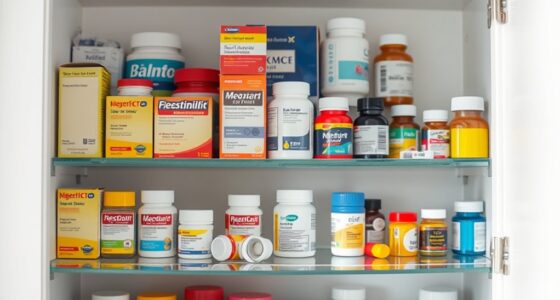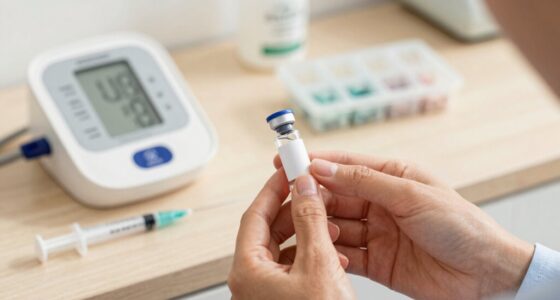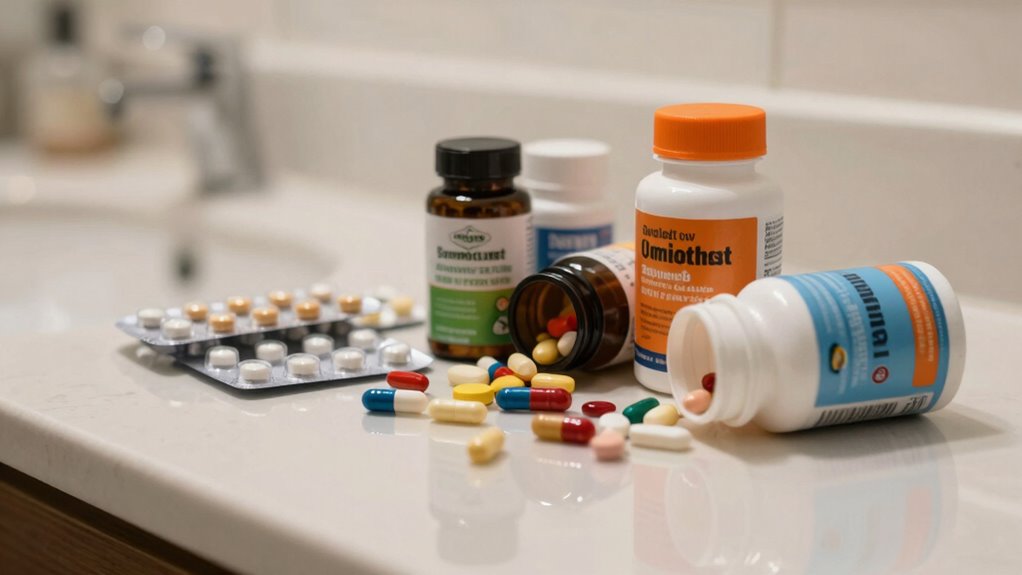

Mixing supplements with prescription drugs can pose serious health risks, including unpredictable effects and harmful side effects. Herbal substances like St. John’s Wort and ginseng can interfere with medication effectiveness or increase bleeding risks. Since supplement quality varies and many aren’t well regulated, you may unknowingly put yourself in danger. It’s essential to consult healthcare professionals before combining these, as understanding potential interactions can protect your health—exploring more on this topic reveals even greater precautions to take into account.

Turn quiet afternoons into listening time
- Thousands of audiobooks, podcasts and originals
- Listen on your phone, tablet or Echo — also offline
- Cancel anytime
Key Takeaways
- Mixing supplements with prescription drugs can cause unpredictable interactions and serious health risks.
- Herbal products like St. John’s Wort can reduce medication effectiveness by speeding up drug metabolism.
- Supplement quality varies widely due to lack of regulation, increasing the risk of contamination or incorrect dosages.
- Combining supplements with treatments for serious conditions may interfere with or undermine prescribed therapies.
- Consulting healthcare providers before using supplements helps prevent adverse effects and ensures safe medication use.
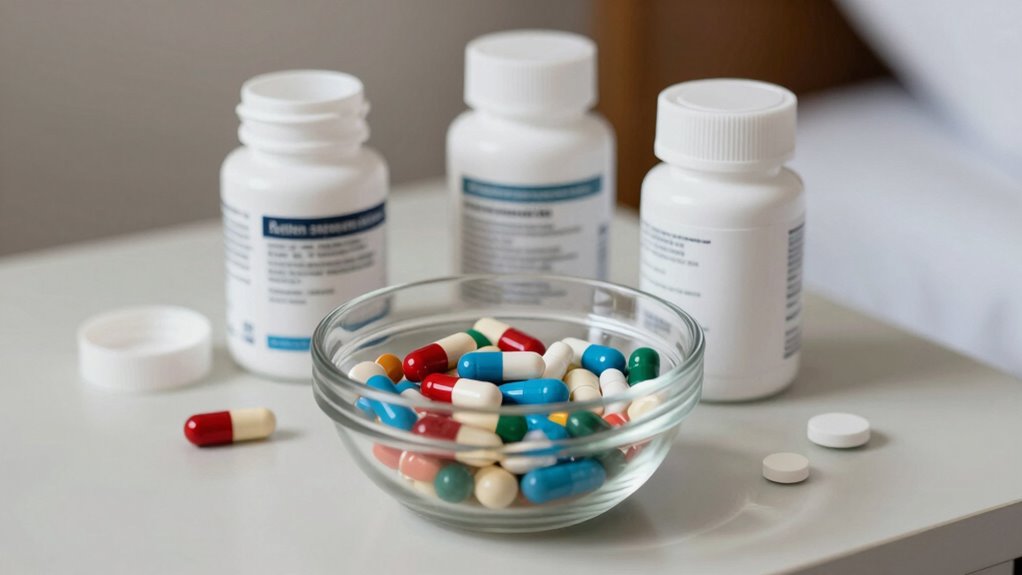
Mixing supplements with prescription drugs can pose serious health risks, especially if you’re unaware of potential interactions. Many people turn to alternative medicine, believing it’s a safer or more natural way to manage health issues. While this might be true in some cases, combining herbal supplements with prescription medications can lead to unpredictable and potentially dangerous effects. Herbal interactions are not always well understood, and even natural substances can interfere with how your medications work, sometimes reducing their effectiveness or causing harmful side effects.
Mixing supplements with prescription drugs can cause serious, unpredictable health risks and interfere with your treatment.
You might think that since supplements are natural, they’re automatically safe to take alongside prescription drugs. However, this isn’t the case. Certain herbs, like St. John’s Wort, can speed up the metabolism of some medications, making them less effective. On the other hand, supplements like ginseng or garlic may thin your blood, increasing the risk of bleeding if you’re on blood thinners prescribed by your doctor. These herbal interactions highlight how complex and unpredictable the effects of combining supplements and medications can be, especially when you’re not aware of the underlying chemistry. Herbal interactions can be especially difficult to predict because they often involve complex biochemical processes that vary from person to person. Additionally, the different responses to herbal supplements can be influenced by individual genetics, making it even more challenging to anticipate reactions.
It’s vital to understand that many over-the-counter supplements aren’t regulated with the same rigor as prescription drugs. This lack of regulation means the potency, purity, and ingredients can vary widely. When you add this to the fact that herbal interactions can alter drug efficacy or cause adverse reactions, the risks become more apparent. Even if you’re only taking herbal remedies for minor issues like sleep or mood, they could still interfere with your prescribed treatments for more serious conditions such as hypertension or depression. The interaction might not be immediately obvious, but it could compromise your treatment plan or lead to unwanted side effects. Furthermore, inconsistent manufacturing of supplements can introduce contaminants or incorrect dosages, further increasing health risks.
Moreover, many consumers are unaware that supplement quality can differ significantly between brands and batches, which adds another layer of unpredictability to their safety profile. Additionally, lack of regulation of supplements makes it even more crucial to be cautious, as the true contents and strength of herbal products can differ significantly from what’s labeled. You should always inform your healthcare provider about any supplements or herbal products you’re using, especially if you’re on prescription medication. Your doctor can help assess potential interactions and guide you towards safe options. Never assume that “natural” equals “safe,” because the reality is far more complicated. Understanding herbal interactions and the risks associated with alternative medicine is essential for maintaining your health. Taking this step guarantees you’re not unknowingly putting yourself at risk of adverse effects or compromising your prescribed treatment. Staying informed and consulting with healthcare professionals is your best defense against the hidden dangers of mixing supplements with prescription drugs.
As an affiliate, we earn on qualifying purchases.
Frequently Asked Questions
Can Supplements Negate the Effects of Prescription Medications?
Yes, supplements can negate the effects of prescription medications through supplement interactions. Certain supplements may interfere with how your body absorbs or processes drugs, reducing their efficacy. For example, St. John’s Wort can lower the effectiveness of antidepressants, while calcium supplements might hinder the absorption of antibiotics. To protect your health, always discuss supplement use with your healthcare provider, especially when you’re on prescribed medication, to avoid compromising drug efficacy.
Are There Specific Supplements That Are Safer to Mix With Drugs?
Some supplements are generally safer to mix with drugs, but you must be cautious about supplement interactions and herbal precautions. For example, omega-3 fatty acids and certain vitamins like B12 often have fewer risks. Still, always check with your healthcare provider before combining any supplement with medication. Remember, even seemingly safe supplements can interact unexpectedly, so professional guidance is crucial to avoid adverse effects and guarantee safe, effective treatment.
How Quickly Can Supplement-Drug Interactions Occur?
Timing considerations are essential since supplement-drug interactions can happen in the blink of an eye, sometimes within hours or even minutes. Interaction mechanisms, like altering drug absorption or metabolism, vary widely. You might not notice symptoms right away, but the effects can escalate quickly. Always stay alert and consult your healthcare provider before combining supplements and prescription drugs to avoid unintended consequences.
Do Over-The-Counter Supplements Pose the Same Risks as Prescribed Ones?
Over-the-counter supplements can pose similar risks as prescribed ones because supplement regulations vary, and some products may contain undisclosed ingredients. You might not be aware of potential interaction mechanisms that could affect how your prescription drugs work, leading to adverse effects. Always consult your healthcare provider before combining any supplement with medication, as both can influence each other’s effectiveness and safety, regardless of how they’re regulated.
Should I Inform My Doctor About All Supplements I Take?
Yes, you should definitely inform your doctor about all supplements you take. Clear communication can prevent dangerous drug-supplement disasters. Ensuring supplement accuracy helps your provider assess herbal interactions and avoid adverse effects. Don’t delay, disclose details diligently, and discuss doubts openly. By doing so, you protect your health, prevent potential pitfalls, and promote safer, smarter supplement and prescription practices—because your well-being warrants wise, well-informed choices.
Conclusion
Mixing supplements with prescription drugs is like steering a ship through foggy waters—you might think you’re on a clear course, but unseen hazards lurk beneath the surface. Without proper guidance, you risk hitting hidden rocks that could damage your health. Always consult your healthcare provider before combining these elements, so you can navigate safely through the storm and reach your destination of well-being without crashing into dangerous surprises. Stay informed, stay safe.
Halloween Picks
halloween
As an affiliate, we earn on qualifying purchases.