Bathroom safety can become harder faster than you expect because hazards like slippery surfaces, clutter, and loose rugs develop quickly and often go unnoticed until an accident happens. As routines and needs change—such as children growing or aging loved ones—safety measures may become outdated or ineffective. Small updates, like adding grab bars or securing rugs, can make a big difference. To stay ahead of these risks, understanding how safety challenges evolve is essential, and there’s more you can do to keep everyone safe.
Key Takeaways
- Routine changes, such as aging or mobility issues, increase bathroom hazards unexpectedly.
- Surfaces become slippery quickly when wet, raising fall risks without notice.
- Clutter and loose rugs can suddenly cause trips, especially if not regularly secured.
- Technological needs evolve, requiring ongoing updates to safety measures.
- Household members may not recognize emerging risks until an accident occurs.
Bathrooms are one of the most common places where accidents happen, especially for the elderly and those with mobility issues. You might think it’s a safe space, but the combination of water, slippery surfaces, and clutter can turn it into a hazard in a flash. As a parent or caregiver, you know that safety measures need to be in place, but it’s easy to underestimate how quickly risks can escalate. The truth is, bathroom safety gets harder faster than you expect because conditions change, routines evolve, and hazards often go unnoticed until an incident occurs.
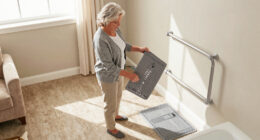
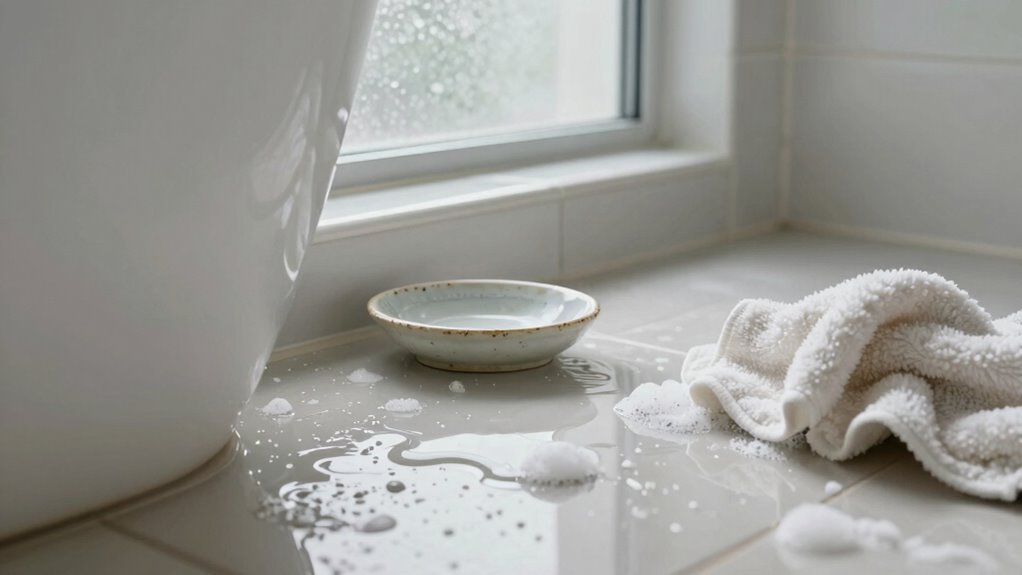
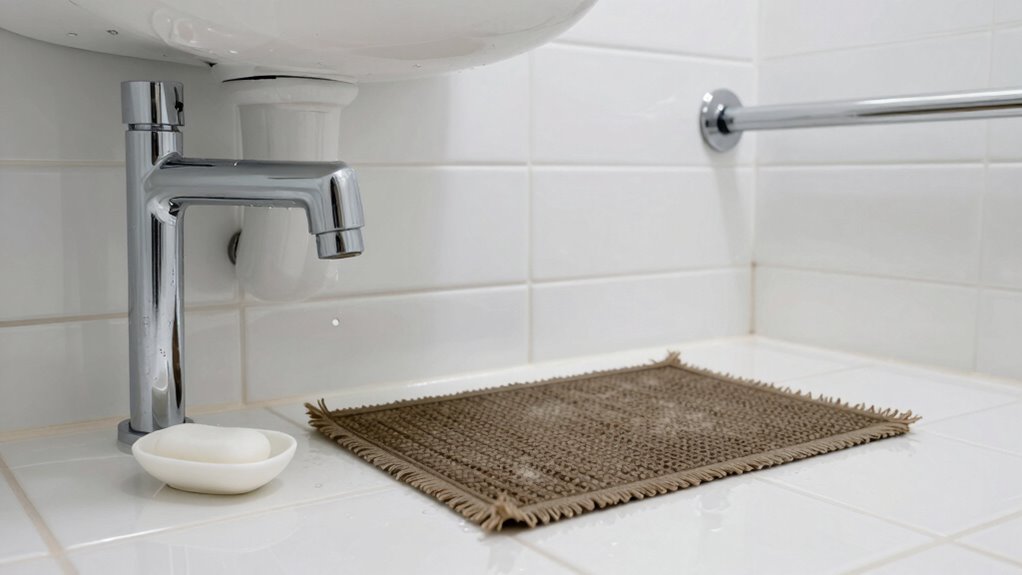
Childproofing tips are essential, but they’re just the beginning. You need to think beyond locking cabinets and covering outlets. Slip prevention is vital, especially in areas prone to moisture. Installing non-slip mats inside the bathtub and on bathroom floors can dramatically reduce the chance of falls. Keep surfaces dry and wipe up water immediately; even a thin film of water can cause a slip. Consider adding grab bars near the shower and toilet—these provide support and stability, especially for children learning how to use the bathroom or elderly family members who need extra help. Secure loose rugs and eliminate clutter that could trip someone up. Every obstacle could be a fall waiting to happen.
As routines change, so do the risks. Kids outgrow their baby-proofing needs, but that doesn’t mean the bathroom becomes safer on its own. You might think your child is old enough to be left alone, but they’re still learning how to navigate slippery surfaces. Regularly reassess your safety measures, ensuring they stay effective as your family’s needs evolve. For seniors or those with mobility challenges, even small adjustments—like lowering the water heater temperature or using a shower chair—can make a big difference. Remember, slip prevention isn’t a one-time fix; it’s an ongoing process. Additionally, smart home technology can be integrated to monitor safety and alert caregivers to potential hazards in real time, adding an extra layer of security. Incorporating safety assessments regularly can help identify new risks before they lead to accidents. Staying informed about emerging safety innovations can also provide new opportunities to enhance bathroom safety.
You also need to be proactive about educating everyone in the household about bathroom safety. Simple habits like turning on the water slowly, using handrails, and not rushing can prevent many accidents. Keep emergency numbers visible and within reach, and always supervise young children in the bathroom. Staying aware of changing safety risks is crucial because hazards can develop or become more prominent over time. An ongoing process of risk management can help maintain a safer bathroom environment. Ultimately, the key to managing bathroom safety is staying vigilant and adapting your safety strategies as circumstances change. With consistent attention and thoughtful precautions, you can create a safer environment that minimizes risks and promotes confidence for everyone using the space.
non-slip bath mats for elderly
As an affiliate, we earn on qualifying purchases.
As an affiliate, we earn on qualifying purchases.
Frequently Asked Questions
How Can I Make My Bathroom More Accessible for Seniors?
To make your bathroom more accessible for seniors, install grab bars near the toilet and shower for support. Use non-slip mats on the floor to prevent falls, especially when surfaces are wet. Make sure the lighting is bright and easy to operate, and consider a raised toilet seat for added comfort. These simple modifications can greatly enhance safety and independence, reducing the risk of accidents in your bathroom.
Are There Specific Products to Prevent Slips in Bathtubs?
Yes, you can prevent slips in bathtubs with specific products like non-slip mats and grab bars. Place a non-slip mat inside the tub to provide better footing, reducing the risk of falls. Install sturdy grab bars along the walls for support when entering, exiting, or standing in the tub. These simple additions make your bathroom safer, especially for seniors or anyone with mobility concerns, giving you peace of mind during baths.
What Are Common Hazards for Toddlers in Bathrooms?
You should be aware that common hazards for toddlers in bathrooms include slips, burns, and drowning. To prevent these, use childproof locks on cabinets to keep harmful products out of reach, and place non-slip mats in the bathtub and on the bathroom floor to reduce slipping. Never leave your toddler unattended in the bathroom, and always supervise closely, especially during bath time, to guarantee their safety.
How Often Should Bathroom Safety Checks Be Performed?
You should perform bathroom safety checks weekly, like a vigilant lighthouse keeper. Regularly inspect bathroom lighting to make certain visibility, especially during night-time visits. Check for hazards like slippery floors and unsecured fixtures. Incorporate emergency preparedness by keeping a first aid kit handy and knowing emergency contacts. These routine checks help you spot potential dangers early, keeping your little one safe in a space that can quickly turn hazardous.
Can Bathroom Modifications Be Done on a Budget?
Yes, bathroom modifications can be budget-friendly. You can implement cost-effective solutions like installing grab bars, using non-slip mats, and fixing loose fixtures with simple tools. Repainting or applying slip-resistant adhesive strips are also affordable upgrades. These small, smart changes improve safety without breaking the bank, making your bathroom safer for everyone, especially seniors or those with mobility challenges. With a little planning, safety upgrades don’t have to be expensive.
grab bars for shower and toilet
As an affiliate, we earn on qualifying purchases.
As an affiliate, we earn on qualifying purchases.
Conclusion
So, you think your bathroom is safe because you’ve installed grab bars and non-slip mats? Well, don’t be so sure. The truth is, safety challenges can sneak up on you faster than you realize, catching you off guard just when you least expect it. It’s ironic how a space meant for relaxation can turn into a hazard in a blink. Stay vigilant—because in the bathroom, safety isn’t just a precaution, it’s a necessity you can’t afford to overlook.
bathroom safety grab bars
As an affiliate, we earn on qualifying purchases.
As an affiliate, we earn on qualifying purchases.
waterproof bathroom safety sensors
As an affiliate, we earn on qualifying purchases.
As an affiliate, we earn on qualifying purchases.