

To plan holidays with a loved one who has Alzheimer’s, focus on familiar, comforting items like favorite snacks or photos that evoke positive memories. Keep routines consistent and create a calm environment to prevent confusion. Limit visitors and activities to avoid overstimulation, and choose familiar traditions that are simple and meaningful. Bringing familiar items from home can ease anxiety in new settings. If you want practical tips to make holiday moments easier, you’ll find helpful ideas just ahead.
Prime for Young Adults — start your free trial
Fast free delivery, streaming and member deals for eligible 18–24 year olds.
As an affiliate, we earn on qualifying purchases.
Key Takeaways
- Keep holiday routines simple and familiar to reduce confusion and anxiety.
- Choose quiet, low-stimulation environments and limit visitors to prevent overwhelm.
- Incorporate familiar traditions like music or viewing holiday cards to evoke positive memories.
- Carry familiar items from home, such as blankets or photos, to provide comfort in new settings.
- Plan ahead with extra supplies and clear identification to ensure safety and reduce stress during travel.
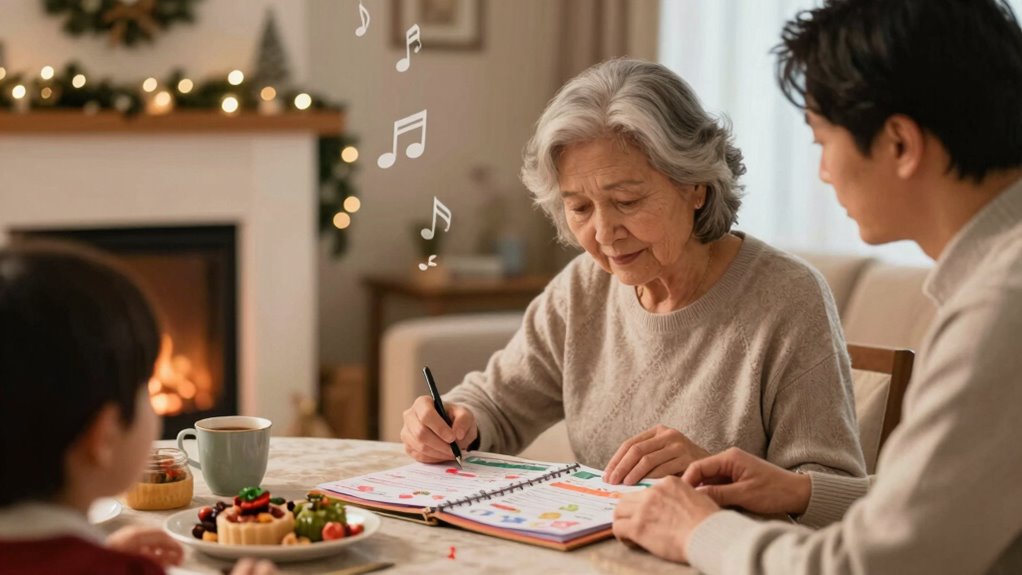
The holiday season can be joyful, but it also presents unique challenges for families caring for someone with Alzheimer’s. As you prepare for gatherings and festivities, it’s essential to prioritize your loved one’s comfort and safety. When considering holiday gift ideas, think simple and familiar. Items like soft blankets, photo albums, or favorite snacks can bring joy without overwhelming them. Avoid complicated gadgets or new, unfamiliar objects that might cause confusion or frustration. Personal touches, such as a framed family photo or a favorite book, can evoke positive memories and foster a sense of security.
Choose simple, familiar gifts like photos or blankets to bring comfort and joy during the holidays.
Travel safety tips become especially important during this busy season. If you’re planning to travel, plan ahead to minimize stress. Make sure your loved one’s medication schedule remains consistent, and carry extra supplies in case of delays. Keep identification on them at all times, whether it’s a bracelet, a card in their wallet, or a recent photo for identification in case they get lost. When traveling, choose accommodations that are familiar or comfortable, and request quiet, low-stimulation rooms if possible. It’s wise to bring along familiar items from home, such as their favorite pillow or blanket, to help ease anxiety in unfamiliar environments. Additionally, understanding Alzheimer’s disease progression can help you better anticipate and manage potential challenges during the holidays. Recognizing how cognitive decline affects your loved one’s behavior can help you prepare appropriate strategies. Learning about behavioral changes related to Alzheimer’s may also help you respond more effectively and with patience. Being aware of memory loss patterns can assist in planning activities and interactions that are meaningful and manageable. Knowing about disease progression can also guide you in adjusting expectations and support needs as the condition advances.
While guiding holiday festivities, keep routines as consistent as possible. Changes in daily patterns can increase agitation or confusion. If you’re hosting a gathering, create a calm space where your loved one can retreat if overwhelmed. Limit the number of visitors if needed, and ensure that social interactions are gentle and not overly stimulating. Be mindful of noise levels and bright decorations that could cause discomfort.
In addition, think about activities that suit your loved one’s abilities. Simple, familiar traditions often work best—like listening to holiday music or looking at holiday cards. Remember, the goal isn’t to create a perfect celebration but to foster a sense of connection and comfort. Keeping things predictable and familiar will help your loved one feel secure amid the holiday hustle.
familiar blankets for Alzheimer’s patients
As an affiliate, we earn on qualifying purchases.
As an affiliate, we earn on qualifying purchases.
Frequently Asked Questions
How Can I Keep My Loved One Safe During Holiday Gatherings?
To keep your loved one safe during holiday gatherings, plan ahead with seasonal activity tips that suit their abilities. Use simple, familiar holiday gift ideas to reduce confusion, and set clear boundaries to prevent overstimulation. Keep a close eye on them, and create a calm environment. Incorporate gentle activities, and guarantee they have a quiet space if needed. This approach helps them feel secure and enjoy the festivities comfortably.
What Are Some Ways to Reduce Holiday Stress for Caregivers?
To reduce holiday stress, you can practice mindfulness techniques like deep breathing or grounding exercises to stay present. Incorporate relaxation exercises such as gentle stretching or listening to calming music during breaks. Remember to prioritize self-care, ask for help when needed, and set realistic expectations. Taking these steps helps you manage stress better, so you can enjoy the holiday season while caring for your loved one with patience and compassion.
How Do I Handle Unexpected Behavioral Changes During Celebrations?
Imagine a river flowing, sometimes calm, sometimes turbulent. When unexpected behavioral changes occur during celebrations, you manage expectations and stay flexible. Use flexibility strategies like taking breaks or adjusting plans to keep the environment calm. Recognize that these changes are part of the journey, not setbacks. By staying adaptable, you help your loved one feel secure and supported, turning unpredictability into moments of connection and understanding.
What Are Effective Communication Strategies With Someone With Alzheimer’s?
To communicate effectively with someone with Alzheimer’s, use memory cues like familiar objects or photos to spark conversation. Practice conversational patience by speaking slowly, using simple sentences, and giving them time to respond. Avoid correcting or arguing, and listen attentively. These strategies help reduce frustration and create a supportive environment, making interactions more meaningful and less stressful during holiday celebrations.
How Can I Involve My Loved One in Holiday Traditions Safely?
Think of involving your loved one in holiday traditions like weaving a colorful tapestry—each personalized activity adds a unique thread. You can adapt traditions with sensory engagement, such as gentle music or familiar scents, making participation safe and meaningful. Simplify tasks and focus on enjoyable moments rather than perfection. By tailoring activities, you help your loved one feel included, cherished, and connected during the celebrations.
Conclusion
By keeping these tips in mind, you can create a holiday season that’s more enjoyable and less stressful for everyone involved. Remember to stay flexible and patient, and don’t hesitate to seek support when needed. After all, isn’t the goal to make meaningful memories that warm your heart? With a little planning and compassion, you can turn this holiday into a safe and joyful experience for your loved one and your entire family.
Fall Picks
fall essentials
As an affiliate, we earn on qualifying purchases.