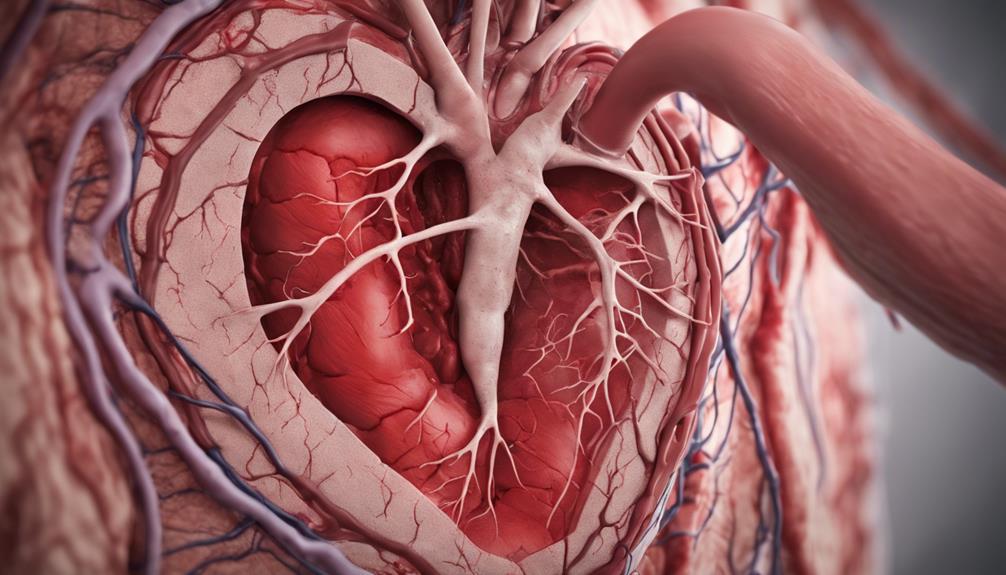

Dizziness from heart disease or neurological issues can disrupt your balance, making falls at home more likely. Heart conditions can cause sudden episodes of dizziness, while nerve damage affects your ability to respond properly to balance challenges. Both issues increase your fall risk, especially if you’re unaware of the signs or don’t address them. Understanding how these health problems impact stability can help you stay safer—and you’ll discover more ways to protect yourself as you continue to explore.

Turn quiet afternoons into listening time
- Thousands of audiobooks, podcasts and originals
- Listen on your phone, tablet or Echo — also offline
- Cancel anytime
Key Takeaways
- Heart disease can cause dizziness episodes that impair balance and increase fall risk at home.
- Circulatory issues from heart problems reduce blood flow, leading to dizziness and instability.
- Dizziness from neurological or heart causes delays balance responses, raising fall vulnerability.
- Managing heart health and circulatory function helps minimize dizziness and fall chances.
- Home safety measures are essential to protect individuals experiencing dizziness related to heart conditions.

Dizziness can sometimes stem from underlying neurological issues, which complicate your fall risk. For example, if nerve pathways involved in balance are damaged, your body might not respond quickly enough to maintain stability. When combined with heart-related dizziness, this double challenge heightens your vulnerability to falls. It’s vital to address both the neurological and heart-related causes of dizziness through appropriate medical evaluations. Doing so allows you to implement targeted interventions, such as physical therapy or medication adjustments, that can enhance your balance and reduce your fall risk. Additionally, understanding how heart function impacts dizziness can help you better manage your overall health and safety at home. Recognizing the importance of home safety measures can further prevent fall-related injuries in vulnerable individuals. Understanding how blood circulation influences dizziness can also be key in developing effective management strategies. Being aware of how blood flow impacts dizziness can improve your ability to recognize symptoms early and seek timely treatment. Moreover, maintaining good cardiovascular health is essential in minimizing dizziness caused by heart issues.
As an affiliate, we earn on qualifying purchases.
Frequently Asked Questions
How Can I Prevent Dizziness Episodes at Home?
To prevent dizziness episodes at home, you should focus on maintaining good hydration habits and doing balance exercises regularly. Drink plenty of water throughout the day to stay hydrated, which can reduce dizziness caused by dehydration. Incorporate balance exercises like standing on one leg or heel-to-toe walks to strengthen your stability. Always move slowly when changing positions, and consult your doctor if dizziness persists or worsens.
What Medications for Heart Disease May Increase Fall Risk?
Certain heart disease medications, like diuretics, beta-blockers, and some blood pressure drugs, can increase fall risk due to medication side effects like dizziness or low blood pressure. If you’re managing blood pressure, these medications may cause sudden drops, leading to imbalance. Always discuss potential side effects with your doctor, and report any increased dizziness or unsteady feelings to make sure your treatment plan keeps you safe at home.
Are There Specific Home Modifications to Reduce Fall Danger?
Imagine steering your home with confidence, free from sudden slips. To reduce fall danger, you should focus on stairs safety—install sturdy handrails and guarantee good lighting. In your bathroom, grab bars near the shower and toilet provide critical support. These modifications create a safer environment, helping you stay steady and secure, especially if dizziness or heart issues make you vulnerable. Don’t wait—take action now to protect yourself at home.
How Often Should I Check My Heart Health if Dizzy?
You should check your heart health regularly if you feel dizzy, ideally at least once a week, and more often if advised by your doctor. Keep an eye on your blood pressure and do symptom monitoring, noting any changes or new symptoms. If dizziness persists or worsens, contact your healthcare provider promptly. Regular check-ins help catch potential issues early and reduce your fall risk at home.
Can Diet Changes Improve Both Dizziness and Heart Health?
Ironically, your food choices can be your best defense. Yes, diet changes can improve both dizziness and heart health. By adopting smart nutrition strategies—like reducing salt, increasing fruits and vegetables, and choosing heart-friendly fats—you support better circulation and blood pressure stability. These positive food choices help decrease dizziness episodes and strengthen your heart, making your home safer. So, what you eat truly impacts how steady and healthy you feel.
Conclusion
Understanding how dizziness and heart disease increase fall risk can help you take steps to stay safe at home. Did you know that falls are the leading cause of injury among adults over 65, with nearly one in four experiencing a fall each year? By being aware of these risks and making simple changes—like staying hydrated and managing your heart health—you can reduce your chances of falling and keep yourself safer every day.
Fall Picks
fall essentials
As an affiliate, we earn on qualifying purchases.