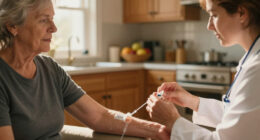

As a caregiver, support your loved one’s healing by ensuring they follow their eye care routine, including using prescribed medications and protective eye coverings. Encourage a balanced diet rich in vitamins and stay vigilant for signs of discomfort or complications. Offer emotional reassurance and create a safe, clutter-free environment to prevent injuries. Promote rest and avoid strenuous activities to speed recovery. Staying attentive and informed will help you provide the best care—there’s much more to learn for a smooth recovery.

Get comfort and care essentials delivered free — and shop member deals
- Fast, free delivery on millions of items
- Access to Prime Big Deal Days deals on October 6–7
- Prime Video, Amazon Music and more included
Key Takeaways
- Ensure the patient follows prescribed eye drop and medication schedules diligently.
- Create a safe, clutter-free environment to prevent accidental bumps or injuries.
- Encourage rest and limit strenuous activities to promote proper healing.
- Offer emotional support through reassurance, patience, and calm presence.
- Monitor for signs of complications like increased redness, pain, or vision changes.

Caring for a loved one after cataract surgery can feel overwhelming, but your support plays an essential role in their recovery. One of the most important aspects is ensuring they follow proper post-surgery nutrition. Good nutrition helps promote healing and reduces the risk of complications. Focus on a balanced diet rich in fruits, vegetables, lean proteins, and whole grains. These foods provide essential vitamins and antioxidants that support eye health and boost the immune system. Encourage your loved one to stay well-hydrated, as water aids in healing and helps keep the eyes moist, which can reduce discomfort. Avoid processed foods high in sugar and unhealthy fats, as they can slow down recovery. If your loved one is prescribed supplements or eye drops, make sure they adhere to the schedule and understand how these aid in healing.
Support recovery with balanced nutrition, hydration, and adherence to prescribed eye care routines.
Beyond physical care, emotional support strategies are equally essential during recovery. Surgery can cause anxiety or frustration, especially if vision is temporarily blurry or if they’re restricted from certain activities. Your calm presence and reassurance can make a big difference. Listen patiently to their concerns, validate their feelings, and offer encouragement. Small gestures, like helping with daily tasks or simply sitting together quietly, can provide comfort and reduce feelings of isolation. Remind them that healing takes time and that their patience and cooperation are key to a smooth recovery. Additionally, understanding the importance of biodiversity in maintaining a healthy environment can indirectly support overall well-being during recovery. Incorporating nature and outdoor activities, when appropriate, can also contribute to emotional health and faster healing.
In addition to emotional support, help them maintain a routine that minimizes eye strain. Encourage them to rest as recommended by their doctor, avoid strenuous activities, and wear any protective eye coverings as advised. Be vigilant about managing their medications and eye drops, ensuring they don’t miss doses, which is essential for preventing infection and promoting healing. Keep the environment safe and clutter-free, reducing the risk of accidental bumps or injuries that could hinder recovery. Staying informed about the latest advancements in innovative tech solutions can also empower caregivers to better support their loved ones during this process.
Furthermore, fostering a positive mindset can significantly influence the recovery process, as mental outlook is closely linked to physical healing. Your role also includes educating yourself about potential warning signs, such as increased redness, pain, or vision changes, so you can seek prompt medical attention if necessary. Be patient and understanding; recovery varies from person to person, and your consistent support can greatly impact their comfort and healing progress. By combining attentive care, proper nutrition, and emotional reassurance, you help create a supportive environment that fosters a quick and smooth recovery for your loved one.
As an affiliate, we earn on qualifying purchases.
Frequently Asked Questions
How Can I Tell if My Loved One’s Vision Is Improving?
You can tell if your loved one’s vision is improving by observing their responses to everyday activities and noting any clearer sight. Regular eye assessments by their doctor will provide professional confirmation of visual improvement. Look for reduced cloudiness, better color perception, and improved ability to read or see distant objects. Keep communication open and encourage them to share any changes they notice, ensuring their recovery progresses smoothly.
Are There Activities to Avoid During Recovery?
During recovery, you should avoid activities that jeopardize eye protection or involve intense physical activity. Refrain from heavy lifting, strenuous exercise, or bending over, as these can increase eye pressure. Also, steer clear of swimming or exposing the eye to water until your doctor approves. Protect the eye with shields or sunglasses when outside, and encourage your loved one to rest and follow all medical advice to promote healing.
How Do I Manage My Loved One’s Medication Schedule?
To manage your loved one’s medication schedule effectively, set up a clear system for medication adherence and dosage management. Use a pill organizer or digital reminders to guarantee they take the right doses at the correct times. Keep a detailed medication list, and check off each dose as it’s taken. Communicate regularly with their healthcare provider to clarify any questions, and monitor for side effects or missed doses to support a smooth recovery.
What Signs Indicate a Complication Requiring Medical Attention?
If you notice signs like increased pain, redness, swelling, or discharge from the eye, seek medical attention immediately, as these could indicate infection symptoms. Also, watch for sudden vision changes or persistent pain despite pain management efforts. Don’t overlook these signs, as prompt medical care can prevent complications. Keeping your loved one comfortable and monitoring their recovery closely helps ensure a smooth healing process.
How Can I Help Reduce My Loved One’s Anxiety Post-Surgery?
Imagine your loved one feels anxious about blurry vision after surgery. You can help by offering emotional support and guiding them through relaxation techniques like deep breathing or gentle visualization. Your calming presence reassures them, reducing anxiety. Spend quality time together, listen patiently, and encourage open conversations about their fears. These actions foster comfort and trust, making recovery smoother and less stressful for both of you.
Conclusion
As a family caregiver, your support can make all the difference during recovery. Remember, over 90% of cataract surgeries result in improved vision, so your encouragement helps your loved one regain confidence faster. Keep their environment safe, remind them to follow doctor’s instructions, and offer patience and reassurance. Your care not only boosts healing but also strengthens your bond. With your help, they’ll be back to clear vision and everyday activities in no time.
Halloween Picks
halloween
As an affiliate, we earn on qualifying purchases.