
TL;DR

Turn quiet afternoons into listening time
- Thousands of audiobooks, podcasts and originals
- Listen on your phone, tablet or Echo — also offline
- Cancel anytime
A Sixty and Me report says that while chronological age cannot be changed, some factors associated with biological aging may be influenced by everyday habits. It recommends regular movement, sleep, nutritious food, social connection and purpose, but the cited associations do not prove that any single habit slows aging.
A Sixty and Me report on aging after 60 highlights regular movement, sleep, a minimally processed diet, social connection and a sense of purpose as everyday habits that may support health as people grow older. The report distinguishes chronological age from biological measures of how the body functions, while noting that lifestyle is only one influence and the cited research does not establish that these habits can reverse or halt aging.
The report describes chronological age as the number of years a person has lived and biological age as an assessment of bodily function. It cites Harvard Medical School genetics professor David Sinclair as estimating that genes may account for up to half of the rate at which people age. That estimate leaves room for other influences, but it does not specify how much control any individual has over their biological aging.
Among factors associated with aging, the report lists smoking, excess sun exposure, chronic stress, poor sleep, inactivity and excess weight. It also points to possible roles for air pollution, frequent alcohol use, irregular sleep schedules and gut bacteria. The report describes these factors as potential contributors to changes such as inflammation and muscle loss; it does not provide a new clinical study or a quantified effect for each one.
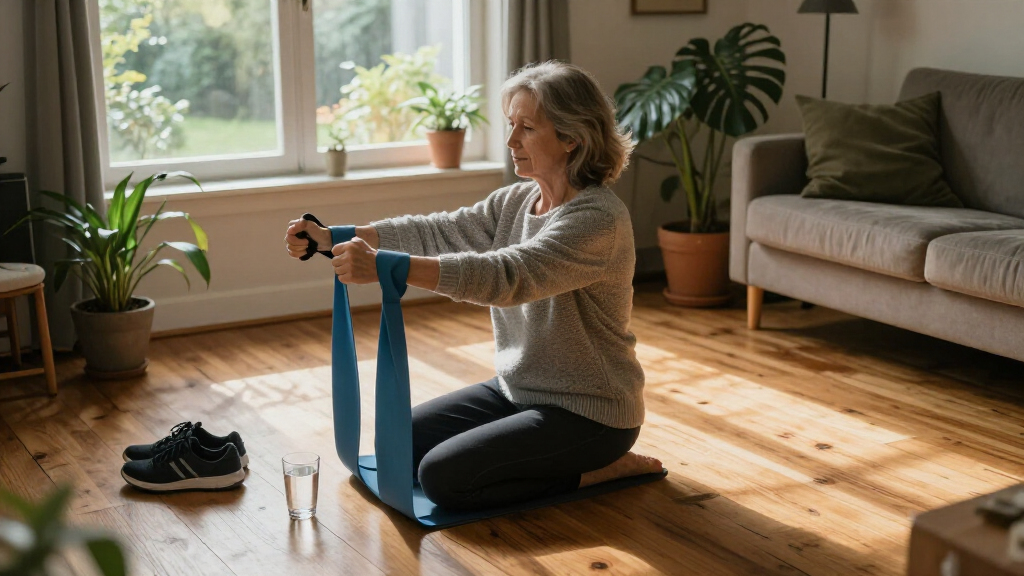
Its practical suggestions are deliberately modest: choose activity that can be maintained safely, including walking or strength exercises; keep a regular sleep schedule; eat more vegetables, fruit, beans, whole grains and nuts; and make time for relationships. It also recommends maintaining interests and purpose. These are presented as general habits associated with healthier aging, not as a guaranteed way to change a person’s biological age.
Everyday Habits, Long-Term Health
The recommendations matter because they focus on actions that may support mobility, sleep, nutrition and social well-being without requiring an intensive fitness plan or a specific diet. For people over 60, maintaining strength and staying socially connected can be relevant to daily functioning as well as overall health. The report’s emphasis is on repeated habits rather than a single intervention.
At the same time, readers should not interpret “biological age” as a simple score they can reliably lower through one behavior. The source describes several research associations and possible influences, not proof that a particular routine will extend life or prevent disease. Health conditions, ability, resources and personal circumstances vary; decisions about exercise, sleep or diet may need to be discussed with a qualified health professional.
As an affiliate, we earn on qualifying purchases.
What the Aging Research Says
The report’s discussion of attitudes toward aging refers to a Harvard study of 726 middle-aged women. It says greater anxiety about growing older was associated with faster “epigenetic aging,” a term referring to changes in how genes are switched on and off. The population studied was middle-aged women, so the finding should not automatically be applied to everyone over 60. An association also does not show that anxiety caused the measured changes.
The report connects social contact with physical and emotional health and notes that food choices may affect inflammation and the gut microbiome. It presents plant-forward eating as one option, not a requirement to become vegetarian. Its broader message is that aging reflects a mix of influences, including genetics, environment and behavior—not just the passage of birthdays.
“Genes may account for up to half of the rate at which we age.”
— David Sinclair, professor of genetics at Harvard Medical School, as cited in the Sixty and Me report
Limits of the Evidence Cited
The source is a general-interest report, not a new clinical trial, and it does not provide detailed citations or methods for every claim. The date and full bibliographic details of the study of 726 women are not included in the supplied material. It is therefore not possible from this report alone to assess the size of the observed association or whether other factors explain it.
It also remains unclear how much any one habit changes biological-age measures, which measures should guide individual decisions, or whether changes in those measures translate into longer or healthier lives. The source offers no personalized guidance for people with chronic conditions, mobility limitations or sleep problems. The suggestions should be understood as broad health habits rather than treatment or a promise to slow aging.
Applying the Advice Safely
The report does not announce a follow-up study, policy change or scheduled next milestone. Its immediate takeaway is to focus on manageable habits—such as walking, preparing a meal with minimally processed foods, keeping a steadier bedtime or contacting a friend—and repeat them over time. People considering changes to activity or diet, especially when managing a health condition, can consult a qualified professional about what is appropriate for them.
Further research would be needed to clarify how the cited factors affect people over 60 and whether changes in biological-aging measures correspond to meaningful health outcomes. Until then, the report’s claims remain a mix of general health guidance and research associations, not evidence that aging can be stopped.
Key Questions
What does biological age mean in this report?
Biological age refers to a measure of how well the body is functioning, as distinct from chronological age, the number of years a person has lived. The report does not identify one definitive measure for individuals.
Does anxiety about aging cause the body to age faster?
The report says a study of 726 middle-aged women found an association between greater anxiety about aging and faster epigenetic aging. That finding does not establish cause and effect, and the study group was not specifically people over 60.
What everyday habits does the report recommend?
It recommends maintaining safe, regular movement, protecting sleep, eating more minimally processed foods, staying connected with others and keeping interests or a sense of purpose. These are general suggestions, not a guarantee of a particular health outcome.
Can these habits reverse aging?
The report does not show that any habit can reverse or stop aging. It says lifestyle may influence some factors associated with aging, while genetics and other influences also matter.
Source: rss
Cold & flu season Picks
humidifiers
As an affiliate, we earn on qualifying purchases.