
📊 Full opportunity report: Can An AI Check-In Become Part Of A Senior’s Day? on IdeaNavigator AI — validation score, market gap, and execution plan.

Turn quiet afternoons into listening time
- Thousands of audiobooks, podcasts and originals
- Listen on your phone, tablet or Echo — also offline
- Cancel anytime
TL;DR
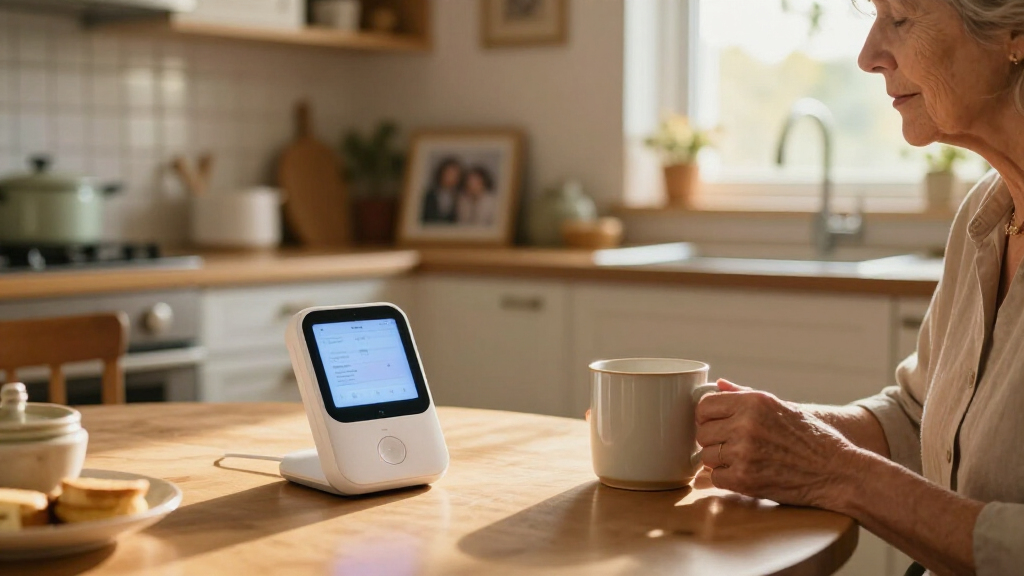
IdeaNavigator AI proposes testing scheduled AI phone calls as a daily check-in for seniors living alone, with a text alert to an adult child after each call. The suggested pilot would involve 15 senior-and-family pairs for three weeks; no pilot results or evidence of effectiveness are reported.
IdeaNavigator AI has proposed testing daily AI phone calls that ask seniors living alone a few wellness questions and send an adult child a text indicating an all-clear or a missed or concerning call. The proposal recommends a three-week pilot with 15 senior-and-family pairs, but does not report that a service has launched or that the test has been conducted.
The proposed service is aimed at an adult child whose independent parent lives alone in another city. A scheduled call to the parent’s landline or mobile phone would ask a short set of wellness questions. Afterward, the family member would receive a basic status message, or a flag if the call went unanswered or raised a concern.
IdeaNavigator AI presents the idea as a way to create a routine check-in for families who cannot speak with a parent every day. Its outline says a missed call or difficult day could otherwise go unnoticed for hours or longer. That describes the problem the proposal seeks to address; it does not establish that automated calls can detect emergencies or prevent harm.
The suggested business model is a monthly subscription paid by the adult child for each parent enrolled. To test demand, the proposal calls for setting up daily calls for 15 senior-and-adult-child pairs over three weeks, then measuring whether seniors answer and whether families consider the all-clear messages valuable enough to pay for. No price, results, or detailed operating plan is given.
Testing a Routine Family Check-In
The proposal focuses on a practical gap for families living at a distance: keeping up regular contact can be difficult, while a phone call that is not answered may leave relatives unsure whether anything is wrong. A scheduled automated call could offer a predictable prompt to connect and a simple update for the family. Whether that provides meaningful reassurance is a question for the proposed test, not an established outcome.
The idea also puts reliability and response procedures at the center of the product. A text that says a call was missed does not tell a family why it went unanswered, and a reassuring response to a few questions cannot confirm a person’s overall safety. Families would need to understand what each alert means and what action, if any, they should take.
For older adults, the service would need to fit their preferences and be easy to use. The proposal’s focus on ordinary phone calls, rather than requiring a smartphone app, could make the concept accessible to people who use a landline or basic mobile phone. The plan does not report whether seniors want automated calls, how they would be introduced, or how consent and privacy would be handled.
Products Worth Considering

Levoit Core 600S-P Smart Air Purifier for Large Rooms up to 2933 ft²

Levoit Core 400S-P Smart Air Purifier for Large Rooms

LEVOIT Vital 200S-P Smart Air Purifier for Large Rooms
As an affiliate, we earn on qualifying purchases.
From Idea to Three-Week Pilot
IdeaNavigator AI frames the concept as a narrow first test in aging-in-place wellness, rather than a complete monitoring or emergency-response system. Its outline suggests that natural-sounding voice AI can conduct a short, friendly call using a landline or cell phone, and says this could make regular check-ins affordable at scale. Those are premises behind the proposal; no cost data, technical evaluation, or evidence of a scaled service is included.
The suggested pilot would assess two basic measures: call answer rate and whether participating families find the all-clear alerts worth paying for. Those measures could offer an early indication of usability and perceived value, but a three-week test with 15 pairs would not by itself establish performance across a wider population or show whether the calls improve health or safety outcomes.
The proposed workflow is deliberately limited: place a scheduled call, ask a few questions, and send a text status to the adult child. The outline does not describe clinical assessment, emergency dispatch, or continuous monitoring. The distinction matters because a wellness check-in should not be confused with a service that can verify a person’s condition or guarantee help arrives.
Questions Before Families Rely on Alerts
No pilot results are available in the proposal, and it does not identify a service provider, launch date, or subscription price. It is also unclear how the system would decide that a response is concerning, how it would handle unclear answers, or what happens after a call is missed.
The outline does not specify how calls and text messages would protect personal information, how seniors would consent or opt out, or whether a family member could adjust the schedule and questions. It also provides no evidence about call accuracy, accessibility for people with hearing or speech difficulties, or the likelihood of false alerts and missed concerns.
Most importantly, the proposal does not establish that an AI check-in can identify an emergency. A person might answer while still needing assistance, or fail to answer for a reason unrelated to an urgent problem. Until a service sets out clear limits and a response plan, families would need to treat alerts as information to follow up on—not as confirmation of safety.
Pilot Results Would Test Demand
The next step described is a three-week trial involving 15 senior-and-adult-child pairs. The proposal says the test should track how often seniors answer and ask families whether the all-clear alerts are worth paying for. It gives no schedule for recruiting participants or publishing findings.
If a pilot proceeds, useful reporting would include how missed and concerning calls are defined, how participants respond to the calls, what families do after receiving an alert, and what the service costs to operate. Results would help show whether the concept is usable and commercially appealing, while broader claims about safety would require evidence beyond the proposed measures.
Key Questions
Has an AI senior check-in service launched?
The material describes a proposed service and pilot, not a confirmed launch. It names no operating company or launch date.
How would the proposed calls work?
A scheduled AI phone call would ask a senior a few wellness questions. The adult child would receive a text with an all-clear status or a flag after a missed or concerning call.
What would the pilot measure?
The suggested three-week test with 15 senior-and-adult-child pairs would measure call answer rates and whether families consider the alerts worth paying for.
Can an AI check-in confirm that a senior is safe?
No such capability is established in the proposal. A call or text alert would not confirm a person’s overall condition or guarantee that help is available.
Source: IdeaNavigator AI