

When managing Alzheimer’s confusion, use gentle redirection to help focus their attention on familiar or calming topics. Observe what triggers their distress and calmly guide them away by introducing comforting objects, music, or simple activities. Speak softly, maintain eye contact, and avoid arguing, instead offering reassurance and distraction. This approach helps reduce agitation and creates a safe environment. Keep practicing these techniques, and you’ll discover more effective ways to support your loved one through each moment.
Key Takeaways
- Observe triggers of confusion and address them promptly with calm, reassuring redirection.
- Use familiar memory cues like photos or objects to gently reorient the individual.
- Redirect attention to engaging, simple activities or topics to divert focus from distress.
- Maintain a calm, patient demeanor with gentle gestures and positive language during redirection.
- Create a supportive environment with clear signage and familiar surroundings to reduce disorientation.

When someone with Alzheimer’s becomes confused or disoriented, it can be both challenging and distressing for everyone involved. You might notice them searching for familiar objects or struggling to recognize their surroundings. During these moments, your goal is to help them feel safe and calm, and one effective way to do this is through redirection. Redirection involves gently guiding their attention away from confusion and toward something more manageable, comforting, or engaging. To do this successfully, you’ll want to utilize memory cues and environmental adjustments. Memory cues are tools or prompts designed to trigger recognition or recall, such as photographs, familiar objects, or music associated with happy memories. Environmental adjustments involve arranging the surroundings to reduce confusion and create a more reassuring space—like clear signage, familiar furniture, or labels on cabinets.
When confusion arises, start by observing what seems to trigger it. If your loved one looks distressed or disoriented, gently introduce a memory cue that might help them reconnect with reality. For example, if they’re searching for a specific item, like their glasses or keys, calmly show it to them and talk about its significance. If they’re fixated on a particular place or person that seems unfamiliar, redirect their attention by engaging them in a different activity or conversation. For instance, if they’re fixated on the front door, suggest a walk in the garden or an activity in another room, using a calm tone and positive language. Sometimes, environmental adjustments can prevent confusion from escalating. Clear pathways, familiar objects within reach, and visual cues like photos or labels help create a predictable environment that minimizes disorientation. Additionally, incorporating sound therapy techniques, such as calming music, can further soothe and orient them.
Your tone and body language are vital during redirection. Stay calm, patient, and reassuring, making eye contact and using gentle gestures. Avoid arguing or correcting them, as this can increase their anxiety. Instead, acknowledge their feelings and offer a distraction that’s engaging yet simple. For example, if they’re confused about what time it is, you might say, “It’s time for a snack,” and then lead them toward the kitchen. Remember that your goal isn’t to argue or force understanding but to guide them toward comfort and safety. By combining memory cues with environmental adjustments, you create a supportive space that reduces confusion and promotes a sense of security. Over time, these techniques can make moments of disorientation less overwhelming, helping both you and your loved one navigate Alzheimer’s challenges with patience and compassion.
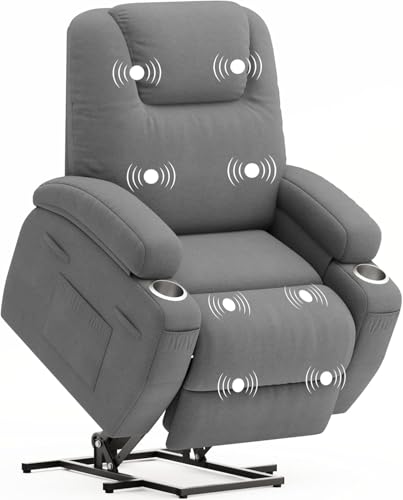
Flamaker Power Lift Chair Massage Recliner Chairs for Elderly - Ergonomic Design with Cup Holders & Side Pockets, Remote Control (Gray)
ELDERLY LIFT CHAIR - For people with mobility issues as well as the elderly, it provides excellent spinal...
As an affiliate, we earn on qualifying purchases.
Frequently Asked Questions
How Can Redirection Reduce Agitation in Alzheimer’s Patients?
Redirection reduces agitation in Alzheimer’s patients by guiding their attention away from confusing or distressing triggers. You can do this through memory recall, helping them connect with familiar objects or stories, and sensory engagement, like offering comforting textures or sounds. By focusing on positive and calming activities, you help lessen frustration and agitation, creating a more peaceful environment where they feel safe and understood.
Are There Risks Associated With Using Redirection Techniques?
Yes, there are risks with redirection techniques, especially if you overlook ethical considerations or the emotional impact on the person. If you redirect in a way that feels dismissive or confusing, it can cause frustration or distress. Always make certain your approach respects their dignity, and be mindful of their feelings. Proper training helps minimize these risks, ensuring your redirection supports their well-being without unintended emotional harm.
How Do I Choose Appropriate Redirection Topics?
Did you know that 60% of Alzheimer’s patients respond better when redirection focuses on familiar, positive topics? To choose appropriate redirection topics, observe their cognitive triggers and emotional cues. Pick subjects that evoke happy memories or comfort, like favorite hobbies or family members. This helps reduce confusion and agitation. Always tailor your approach to their current interests and emotional state, making the redirection feel natural and reassuring.
Can Redirection Be Effective for All Stages of Alzheimer’s?
Redirection can be effective in many stages of Alzheimer’s, but its success depends on the person’s cognitive decline and emotional responses. Early on, it often helps reduce confusion and agitation. As the disease progresses, you might need to adapt your approach, focusing on calming their emotions. While redirection remains useful, it might become less effective during severe stages, requiring additional strategies to support your loved one.
How Do I Handle Resistance During Redirection Efforts?
When resistance arises during redirection, stay patient and persistent. Address communication barriers calmly, using clear, simple words and gentle gestures. Acknowledge their emotional responses, showing empathy without argument. Maintain a soothing tone, avoid confrontation, and offer choices to empower them. Consistent consistency and compassionate cues can help reduce resistance, creating a calmer, cooperative environment. Remember, patience and understanding are your best tools to navigate and diffuse difficult moments.

BOSMILLER Power Lift Recliner Chair for Elderly with Vibration Massage and Lumbar Heating Electric Oversized Single Sofa with Cup Holder and USB Charge Port for Living Room
【𝗘𝗳𝗳𝗼𝗿𝘁𝗹𝗲𝘀𝘀 𝗣𝗼𝘄𝗲𝗿 𝗟𝗶𝗳𝘁 𝗥𝗲𝗰𝗹𝗶𝗻𝗲】:Upgrade your living room comfort with our oversized power lift recliner chair for seniors. Designed...
As an affiliate, we earn on qualifying purchases.
Conclusion
As you gently redirect your loved one, you feel a flicker of hope. Each moment becomes a tiny victory, but the confusion still lingers just beyond reach. Will this simple technique unlock more peaceful days ahead? Or is there a deeper challenge waiting unseen? Keep trying, stay patient, and trust that your gentle guidance might just hold the key to calmer, brighter moments—if only for a little while longer. The next step could change everything.

CANMOV Large Power Lift Recliner Chairs with Massage and Heat for Elderly Big People, Heavy Duty Motion Reclining Mechanism-Anti Skid Fabric Recliner Chair with 2 Concealed Cup Holders,Dark Gray
Extended Backrest & Deeper Seat: This power lift chair is featured by extra large appearance, which make it...
As an affiliate, we earn on qualifying purchases.

FLEXISPOT XL31 Power Lift Recliner Chair for Elderly, Electric Lift Chair with Massage & Heat, PU Leather Reclining Sofa w/Cup Holders, Side Pockets for Living Room Bedroom(Medium Size,Black)
【Power Lift Chair for Seniors & Recovery】 – Ideal for elderly, post-surgery recovery, or anyone with knee, hip,...
As an affiliate, we earn on qualifying purchases.