TL;DR

Get comfort and care essentials delivered free — and shop member deals
- Fast, free delivery on millions of items
- Access to Prime Big Deal Days deals on October 6–7
- Prime Video, Amazon Music and more included
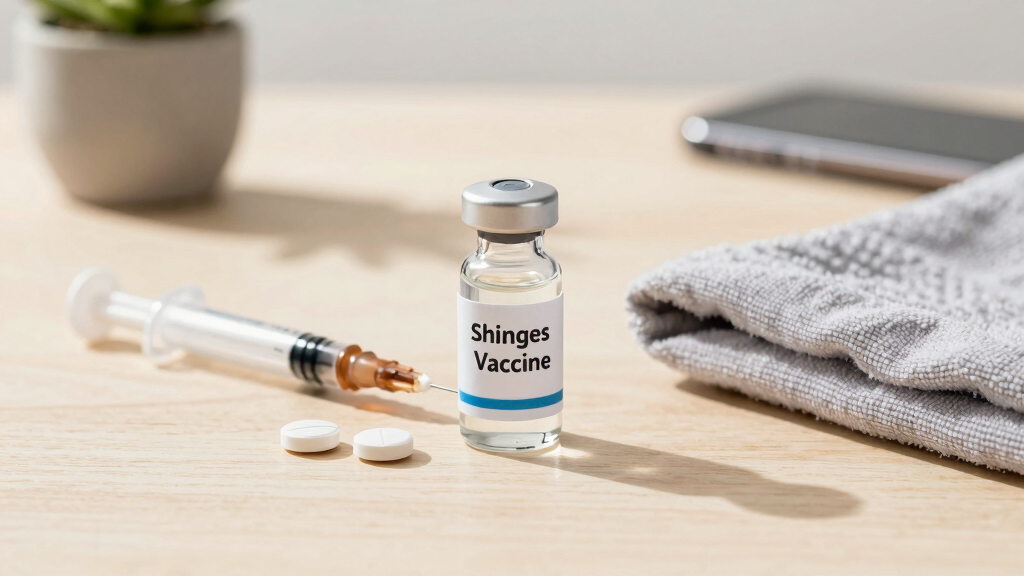
Recent study indicates that receiving the shingles vaccine could be associated with a lower risk of dementia. The finding is preliminary, and more research is required to establish causality. This could impact future vaccination and dementia prevention strategies.
A recent observational study has found that individuals who receive the shingles vaccine may have a lower risk of developing dementia. The research, conducted by scientists at the University of California, suggests a possible protective effect, but experts caution that the findings are preliminary and require further validation.
The study analyzed health records of over 200,000 adults aged 65 and older, tracking vaccination status and dementia diagnoses over a period of five years. Researchers observed that those who received the shingles vaccine had approximately a 20% lower incidence of dementia compared to unvaccinated individuals, after adjusting for age, sex, and other health factors.
Lead researcher Dr. Emily Carter stated, “While our findings are promising, they do not establish a direct cause-and-effect relationship. Further research is needed to understand whether the vaccine directly influences dementia risk or if other factors are involved.” The study was published in the Journal of Neurology and Aging.
Potential Impact on Dementia Prevention Strategies
If future research confirms a causal link, the shingles vaccine could become part of broader strategies to reduce dementia risk among older adults. Given the growing prevalence of dementia worldwide and the limited options for prevention, this finding could have significant public health implications.
However, experts emphasize that vaccination should not be viewed as a definitive method to prevent dementia at this stage. The current evidence is observational and does not prove causality, so vaccination remains primarily a measure to prevent shingles and its complications.
As an affiliate, we earn on qualifying purchases.
Previous Research on Vaccines and Cognitive Health
Some prior studies have explored the relationship between vaccines and cognitive decline, with mixed results. The hypothesis that immune system modulation might influence dementia risk has been under investigation, but no conclusive evidence has yet emerged. The recent study adds to this ongoing research by specifically examining the shingles vaccine, which is widely recommended for older adults to prevent shingles and postherpetic neuralgia.
The shingles vaccine, introduced in the early 2000s, has been shown to be effective in preventing shingles. Its potential additional benefit in reducing dementia risk is a new area of inquiry, prompted by emerging biological theories about inflammation and neurodegeneration.
“Our findings suggest a potential association between shingles vaccination and lower dementia incidence, but they do not prove causality.”
— Dr. Emily Carter, lead researcher
Unconfirmed Causal Relationship Between Vaccine and Dementia
It is not yet clear whether the shingles vaccine directly reduces dementia risk or if the observed association is due to other factors such as healthier behaviors among vaccinated individuals. The study’s observational design cannot establish causality, and randomized controlled trials are needed to confirm any protective effect.
Ongoing Research to Confirm and Understand the Link
Researchers plan to conduct further studies, including prospective trials, to determine whether the shingles vaccine has a causal role in lowering dementia risk. Public health authorities are monitoring these developments before updating vaccination recommendations.
In the meantime, health officials continue to recommend shingles vaccination for older adults to prevent shingles and its complications, emphasizing that its primary benefit remains in shingles prevention.
Key Questions
Does the shingles vaccine prevent dementia?
Currently, there is no conclusive evidence that the shingles vaccine prevents dementia. The recent study suggests a possible association, but causality has not been established.
Should I get the shingles vaccine to reduce my dementia risk?
Experts advise that vaccination should be based on existing medical guidelines for shingles prevention. Its potential impact on dementia is still under investigation and should not influence vaccination decisions yet.
What does this mean for future dementia prevention strategies?
If future research confirms a causal link, vaccines like the shingles vaccine could become part of broader efforts to prevent dementia. For now, focus should remain on proven prevention methods and ongoing research.
Are there any risks associated with the shingles vaccine?
As with any vaccine, there are potential side effects, including soreness at the injection site, fatigue, and mild fever. Serious adverse reactions are rare. Consult your healthcare provider for personalized advice.
When will we know if the shingles vaccine truly reduces dementia risk?
Further studies, particularly randomized controlled trials, are needed to establish causality. These may take several years to complete and analyze.
Source: hn
Cold & flu season Picks
humidifiers
As an affiliate, we earn on qualifying purchases.