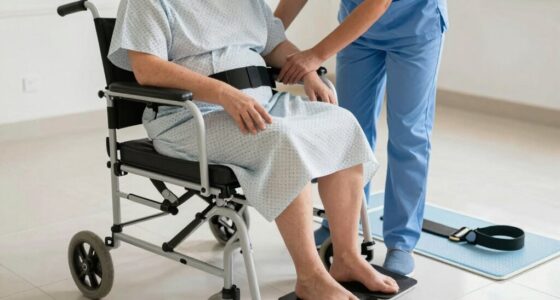

To reduce your injury risk in bariatric support, always use proper lifting techniques, such as bending at your knees, keeping your back straight, and engaging your core. Use assistive devices like slings, transfer boards, or hoists whenever possible, and never try to lift alone. Keep the environment clear of obstacles and make certain non-slip flooring for safety. Following these practices and maintaining good ergonomics can make a big difference—keep exploring to learn more ways to stay safe.

Turn quiet afternoons into listening time
- Thousands of audiobooks, podcasts and originals
- Listen on your phone, tablet or Echo — also offline
- Cancel anytime
Key Takeaways
- Use appropriate transfer devices and equipment designed for bariatric patients to support safe movement.
- Always seek assistance or use mechanical aids to prevent lifting injuries.
- Maintain proper body mechanics and ergonomic practices during transfers and support tasks.
- Keep the environment obstacle-free and ensure non-slip flooring for safe handling.
- Regularly communicate with healthcare providers to stay updated on care plans and safety protocols.

Caring for individuals with bariatric needs can pose notable physical risks to caregivers, especially if proper lifting and support techniques aren’t followed. To reduce injury risk, it’s essential to understand how to manage both the physical aspects and the emotional challenges involved. Proper training on safe lifting methods is fundamental. Use transfer devices like slings, transfer boards, or hoists whenever possible. Never attempt to lift or reposition a patient alone; always seek assistance or use equipment designed to support heavier weights. Maintaining good body mechanics—bending at the knees, keeping your back straight, and engaging your core—helps prevent strains or sprains. Regularly assess your environment to guarantee enough space, non-slip flooring, and accessible tools for safe transfers. These precautions not only protect your body but also promote the individual’s safety. Additionally, incorporating biodiversity and sustainable living practices into your caregiving routine can create a healthier environment that benefits both caregiver and patient. Understanding ergonomic principles can further help optimize your approach to physical support and reduce injury risk. Furthermore, being aware of proper lifting techniques can significantly decrease the likelihood of injury during transfers. Implementing recommended safety protocols can also help establish consistent practices that minimize physical strain. Incorporating ergonomic assessments can help identify potential hazards before they lead to injury. Medication management is another essential aspect to contemplate. People with bariatric needs often take multiple medications, which can be confusing and lead to errors if not carefully organized. Use clearly labeled pill organizers and establish a routine to guarantee medications are given correctly and on time. Mismanagement can cause health complications, leading to more demanding care and increased physical strain on you. Staying organized reduces stress and helps prevent medication errors, which is key for both your safety and theirs. Additionally, regular communication with healthcare providers can keep you informed about any adjustments needed in medication or care plans.
bariatric patient transfer sling
As an affiliate, we earn on qualifying purchases.
As an affiliate, we earn on qualifying purchases.
Frequently Asked Questions
What Are the Signs of Caregiver Fatigue During Bariatric Support?
You might notice signs of caregiver fatigue during bariatric support, like physical exhaustion from physical strain and emotional burnout from constant emotional demands. If you feel unusually tired, overwhelmed, or irritable, it’s a clear sign you need to take a break. Pay attention to your body and mind, and don’t hesitate to seek support or rest. Recognizing these signs early helps prevent injury and maintains your well-being.
How Can Caregivers Stay Emotionally Resilient in These Roles?
Did you know that caregivers who practice effective stress management are 40% more likely to maintain emotional resilience? To stay resilient, prioritize self-care and set boundaries. Practice mindfulness or deep breathing exercises to manage stress, and seek support from friends, family, or support groups. Remember, taking care of your emotional health isn’t selfish — it’s essential to providing consistent, compassionate care without burnout.
Are There Specific Training Programs for Bariatric Caregiving?
Yes, there are specific training programs designed for bariatric caregiving. These programs focus on proper use of bariatric equipment and safety protocols to prevent injuries. You’ll learn how to operate specialized tools safely, support patients effectively, and follow best practices. Participating in these training sessions boosts your confidence, minimizes risks, and guarantees you provide high-quality care while protecting your own well-being.
How Does Team-Based Support Reduce Injury Risks?
You might think team-based support complicates care, but it actually reduces injury risks. By fostering clear team communication and adhering to support protocols, everyone stays informed and coordinated during lifting and transfers. This teamwork minimizes strain and prevents accidents, ensuring both caregiver safety and patient comfort. When you work together efficiently, you create a safer environment, reducing the likelihood of injuries and promoting better overall bariatric support.
What Legal Protections Exist for Caregivers in Bariatric Care?
Your legal protections in bariatric care include understanding your legal rights and having liability insurance to shield you from potential claims. These protections help guarantee you’re covered if an injury occurs during support. Stay informed about workplace laws and policies, and consider consulting legal professionals to strengthen your safeguards. By knowing your rights and maintaining proper insurance, you reduce personal risk and guarantee you’re protected while providing essential care.
Conclusion
To keep yourself safe while supporting bariatric patients, always use proper lifting techniques and seek assistance when needed. Don’t try to be a hero; remember, even the bravest knights rely on their allies. Regular training and equipment checks are your trusty armor against injury. By staying vigilant and prepared, you’ll avoid becoming a casualty of the modern-day quest for health, much like a diligent squire protecting their noble knight. Stay safe and support smartly!
Cold & flu season Picks
humidifiers
As an affiliate, we earn on qualifying purchases.