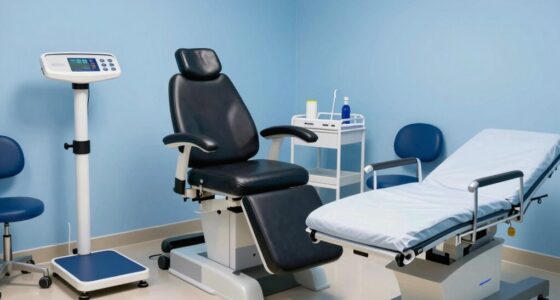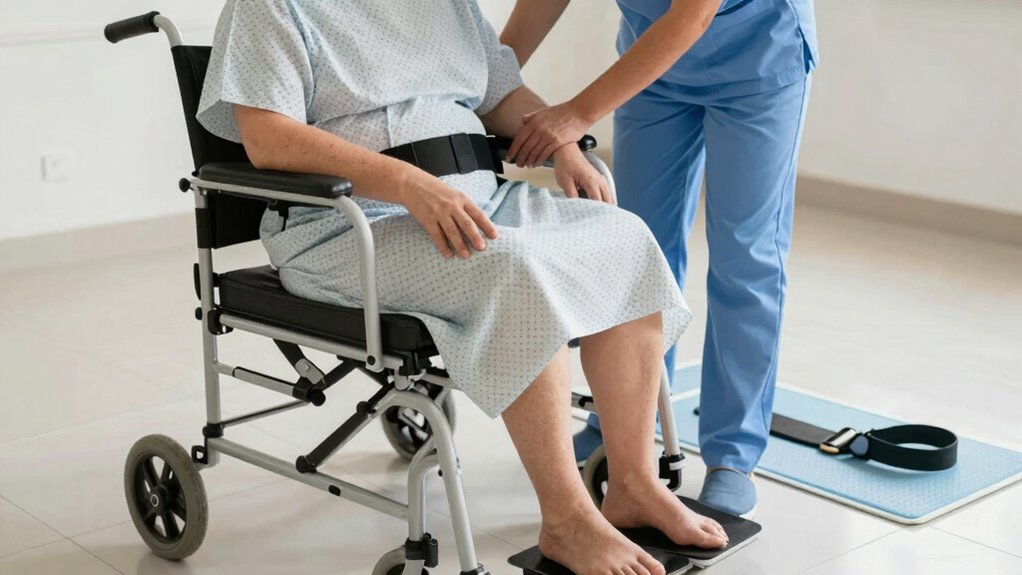

To make transfers safer in bariatric home care, guarantee your staff is well-trained in proper techniques, body mechanics, and device use. Prepare the environment by clearing obstacles and locking wheels on mobility aids. Communicate clearly with the patient, involving them in each step to increase comfort. Use assistive devices correctly and involve additional caregivers when needed. Follow safety protocols consistently and stay updated on best practices—there’s more to understand for maximum safety and patient well-being.

Turn quiet afternoons into listening time
- Thousands of audiobooks, podcasts and originals
- Listen on your phone, tablet or Echo — also offline
- Cancel anytime
Key Takeaways
- Use specialized bariatric transfer equipment like bariatric slings and wider, reinforced surfaces.
- Ensure the environment is spacious, clutter-free, and has secure, locked mobility aids.
- Involve trained caregivers and consider additional support to reduce physical strain and risk.
- Communicate clearly with the patient throughout the transfer, explaining each step for cooperation.
- Follow strict safety protocols, including proper body mechanics and slow, deliberate movements.
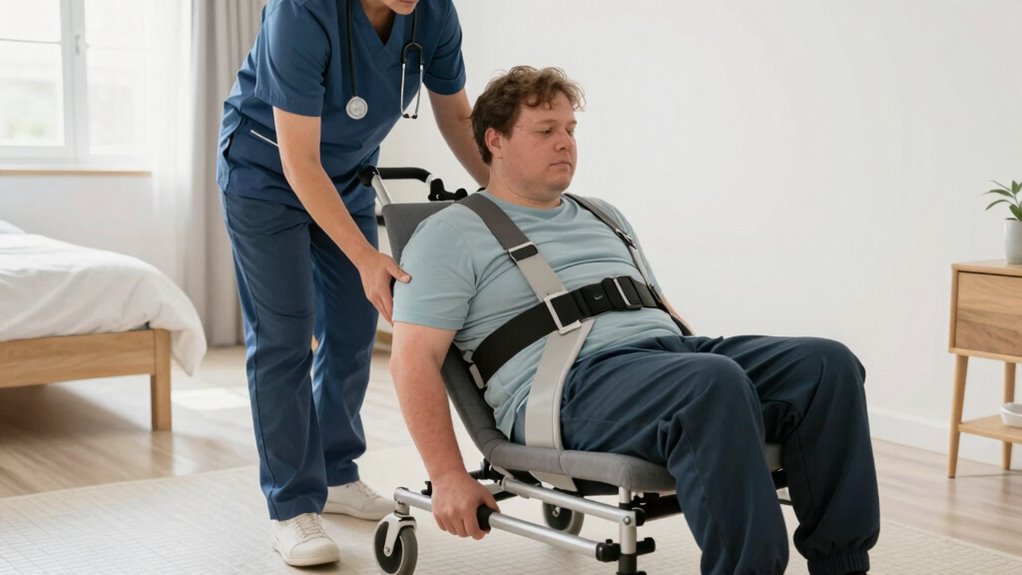
Equally important is staff training. If you’re caring for a bariatric patient, make certain you’re well-versed in transfer techniques and the proper use of assistive devices. Training should cover body mechanics, safe lifting practices, and how to communicate effectively with the patient throughout the transfer process. A well-trained staff can prevent common issues such as equipment misuse and ensure proper patient handling. When you understand the correct procedures, you reduce the risk of falls, strains, and other injuries. For caregivers, ongoing education is crucial, especially as patients’ needs evolve. Regular refresher courses and hands-on practice ensure that skills stay sharp and that you’re always prepared for different scenarios. Don’t hesitate to consult with healthcare professionals or certified trainers to improve your technique and stay up to date on best practices. Proper staff training ensures that caregivers can perform transfers safely and confidently. Planning is also indispensable. Before initiating a transfer, prepare the environment by clearing the area of obstacles and ensuring adequate space. Lock wheels on mobility aids and position the patient correctly, with their feet flat on the ground and their body aligned properly. Communicate clearly with the patient throughout the process, explaining each step to help them feel secure and involved. Use assistive devices as instructed, and avoid rushing—slow, deliberate movements are safer and more comfortable. If the patient has limited mobility or balance issues, consider involving a second caregiver or using mechanical lifts to reduce physical strain and enhance safety. Additionally, understanding patient mobility levels can help tailor transfer techniques to individual needs, further improving safety and comfort. Staying informed about home safety considerations can help prevent accidents during transfers and other daily activities. Keeping up with safety protocols and guidelines is also essential for minimizing risks and maintaining a secure environment.
As an affiliate, we earn on qualifying purchases.
Frequently Asked Questions
What Are the Best Transfer Aids for Bariatric Patients?
The best transfer aids for bariatric patients include bariatric transfer belts, slide sheets, and transfer boards, which support safe patient mobility. You should use proper transfer techniques combined with these aids to reduce strain and prevent injury. Always guarantee the equipment is sturdy and appropriate for the patient’s weight, and communicate clearly throughout the process to maintain safety and comfort during transfers.
How Often Should Transfers Be Reassessed for Safety?
You should reassess patient mobility and transfer techniques regularly, ideally every few weeks or after any change in health status. Frequent reviews help identify subtle shifts in strength or comfort that might affect safety. Staying proactive guarantees your approach remains tailored, reducing risks during transfers. By maintaining a vigilant schedule, you ensure that transfer methods stay effective, supporting both safety and dignity in bariatric home care.
Are There Specific Training Programs for Caregivers?
Yes, there are specific training programs for caregivers focused on transfer safety. These programs often include caregiver certification courses that teach proper techniques for bariatric transfers, emphasizing safety and injury prevention. By completing these certifications, you guarantee you’re equipped with the knowledge and skills necessary for safe, effective transfers. Investing in such training helps protect both you and your patients, making home care safer and more comfortable.
How to Handle Emergencies During Transfers?
In emergencies during transfers, you should immediately activate your emergency protocols and guarantee safety communication with the client and emergency services. Stay calm, assess the situation quickly, and provide clear instructions. Keep essential safety equipment nearby and follow your training. Always inform the client about what’s happening to reduce anxiety. Being prepared and maintaining open communication helps you respond effectively and ensures everyone’s safety during unexpected situations.
What Insurance Options Cover Specialized Transfer Equipment?
Imagine a safety net beneath a tightrope walker; insurance policies serve a similar purpose for specialized transfer equipment. Coverage options vary, but many health insurance plans, including Medicaid and Medicare, often cover bariatric transfer equipment if prescribed by a healthcare provider. You should review your specific insurance policies to confirm coverage details and speak with your provider or insurance agent to identify the best options for your needs.
Conclusion
By mastering safe transfer techniques, you’re not just protecting your loved one—you’re transforming everyday care into a fortress of safety. Every careful move reduces risks and builds confidence, turning intimidating tasks into manageable routines. Remember, your vigilance can be as powerful as a superhero’s shield, making transfers smoother and safer. Keep learning, stay alert, and your dedication will make a world of difference—because nothing’s more important than their well-being when it comes to bariatric home care.
Evergreen bestsellers Picks
bestsellers
As an affiliate, we earn on qualifying purchases.