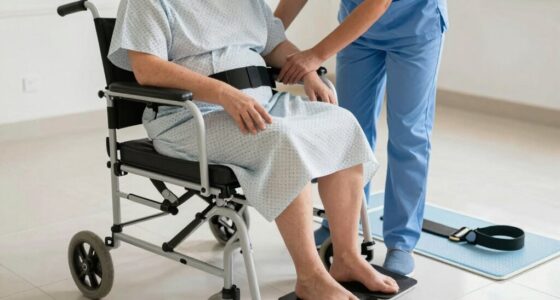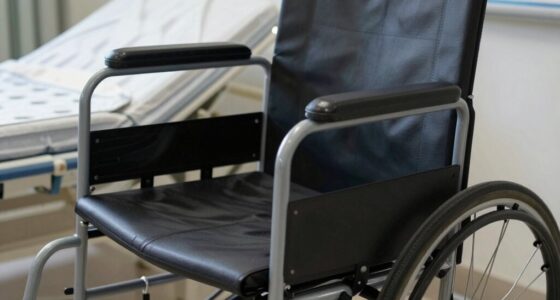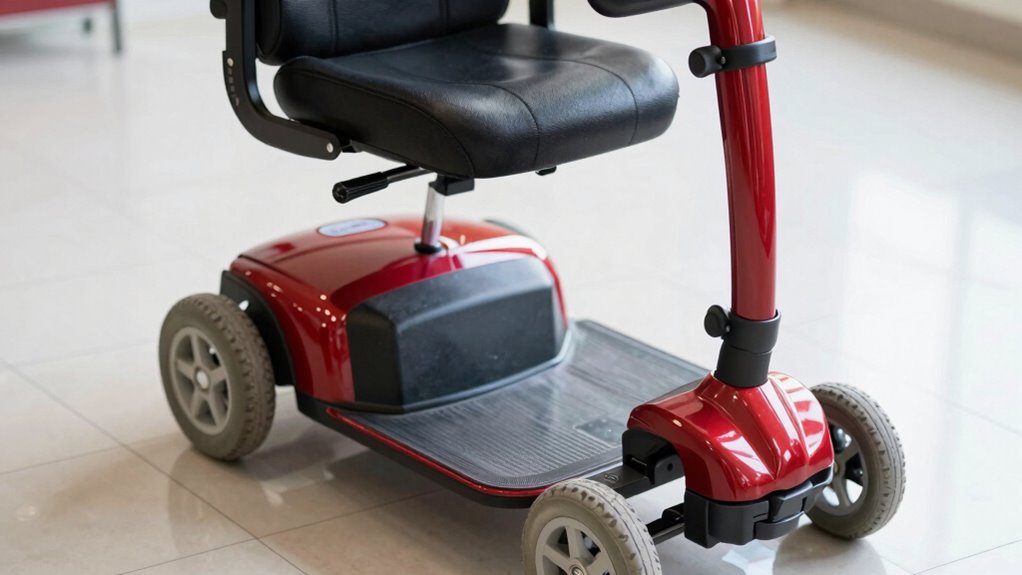

Wider bariatric mobility gear doesn’t automatically mean better support or comfort. Simply enlarging gear can restrict movement, cause discomfort, and create imbalance if not designed properly. The key is a custom fit that distributes weight evenly and adapts to your body shape. Proper support depends on smart engineering, not just size. If you want to understand how thoughtful design makes a difference, keep exploring what truly improves mobility gear.

Turn quiet afternoons into listening time
- Thousands of audiobooks, podcasts and originals
- Listen on your phone, tablet or Echo — also offline
- Cancel anytime
Key Takeaways
- Wider gear does not guarantee improved support; proper engineering and fit are more important.
- Custom fit gear adapts to individual body shapes, providing better support and reducing discomfort.
- Proper weight distribution, not size, enhances stability and minimizes strain on specific areas.
- Ill-designed wider gear can restrict movement and cause imbalance, negating potential benefits.
- Effective bariatric gear prioritizes tailored support and support point placement over mere size increase.
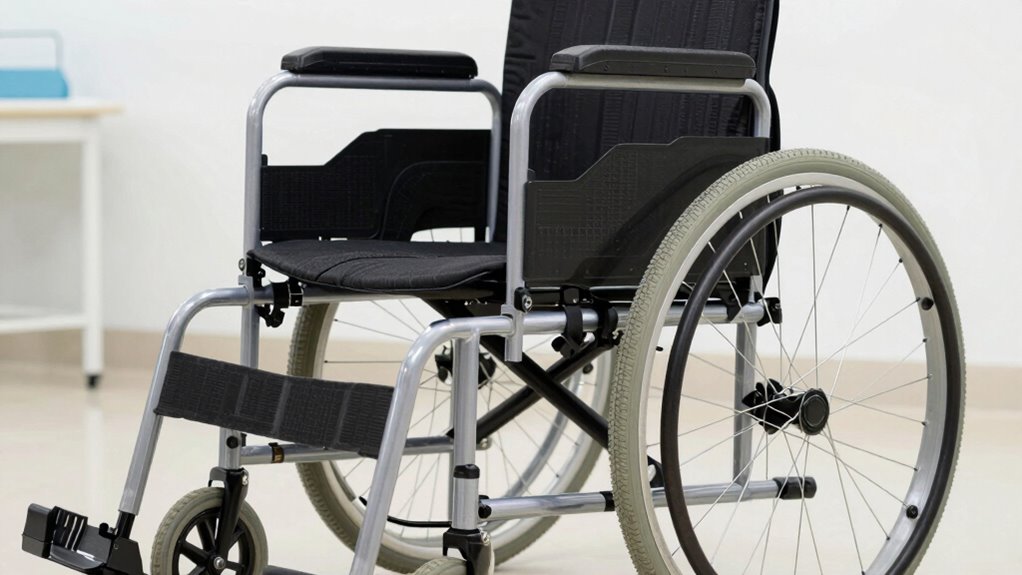
Have you ever wondered how bariatric mobility gear is evolving to better serve individuals with larger body sizes? It’s a question many people ask as manufacturers develop new designs to meet diverse needs. One common misconception is that wider gear automatically means better support or comfort. But in reality, simply enlarging gear doesn’t always lead to improvements. Instead, the focus shifts toward creating equipment that offers a custom fit and effective weight distribution, which are vital for comfort and safety.
Wider gear doesn’t always mean better support; personalized fit and proper weight distribution are key for comfort and safety.
When gear is wider, it might seem intuitive that it will better support larger bodies. However, a broader stance can sometimes compromise stability if it isn’t paired with proper weight distribution. The goal is to guarantee the weight of the user is evenly spread across the support surfaces, reducing pressure points and preventing discomfort or injury. Achieving this requires precision engineering rather than just increasing size. Manufacturers now emphasize custom fit solutions that adapt to each individual’s unique body shape, rather than relying on a one-size-fits-all approach. Custom fit means adjusting the gear to match your specific measurements, ensuring that every contact point provides ideal support without excess pressure.
Proper weight distribution plays a pivotal role here. When your mobility gear is designed with this principle in mind, it minimizes strain on particular areas, which is especially important for people with larger bodies. Instead of a wider piece that might shift or cause imbalance, gear with well-planned weight distribution offers stability and reduces fatigue. This approach not only enhances comfort but also promotes better posture and movement efficiency, making daily activities easier and safer. Understanding weight distribution and its impact can help users select the most effective equipment for their needs. Additionally, incorporating ergonomic design principles can further improve comfort and functionality.
It’s tempting to think that bigger is better, especially when dealing with larger body sizes. But wider gear that isn’t thoughtfully designed can lead to issues like restricted movement, uneven support, or increased discomfort. That’s why modern innovations focus on tailoring gear to fit the individual perfectly, ensuring that the weight is distributed correctly and comfortably. When you prioritize custom fit and proper weight distribution, you’re not just getting larger gear—you’re getting support that adapts to you, enhancing mobility without sacrificing comfort or safety.
In the end, the most effective bariatric mobility gear combines thoughtful design with personalized fit. It’s about creating equipment that respects your body’s unique needs, rather than just making things bigger. This approach guarantees you get the support you need, where you need it most, empowering you to move more comfortably and confidently.
custom fit bariatric mobility support gear
As an affiliate, we earn on qualifying purchases.
As an affiliate, we earn on qualifying purchases.
Frequently Asked Questions
How Do I Measure the Correct Width for Bariatric Mobility Gear?
To measure the correct width for bariatric mobility gear, you should use a measuring tape to determine your widest points, typically hips or thighs. Consider aesthetic considerations, ensuring the gear looks proportional and comfortable. Don’t forget color customization options to match personal style. Keep in mind, a gear that’s too wide might hinder mobility, so aim for a precise fit that balances comfort, aesthetics, and functional support.
Are There Safety Concerns With Wider Mobility Equipment?
Wider mobility equipment can pose safety risks, especially if it affects maneuverability or stability. You need to take into account your aesthetic preferences and how the gear fits into your daily routine. With a variety of brands offering different sizes, it’s essential to select equipment that balances width with safety. Always prioritize proper fit and functionality over just the appearance or size, ensuring you stay safe while maintaining independence.
Can Wider Gear Cause Discomfort During Daily Activities?
Wider mobility gear can cause discomfort during daily activities, especially if it doesn’t align with your fashion considerations and aesthetic preferences. You might find it harder to navigate tight spaces or perform certain tasks comfortably. While wider gear offers stability, it can feel bulky, limit mobility, and affect your confidence. It is crucial to balance safety and comfort, choosing equipment that suits your lifestyle without sacrificing style or ease of movement.
How Does Width Impact the Durability of Bariatric Mobility Devices?
Wider bariatric mobility devices can impact durability by influencing material durability and weight distribution. A broader frame may distribute weight more evenly, reducing strain on materials and preventing early wear. However, if the width isn’t designed correctly, it can cause stress points, leading to material fatigue. Properly engineered width guarantees even weight distribution, improving overall durability and performance, so you get a reliable device that lasts longer during daily use.
Are Narrower Options More Cost-Effective Than Wider Ones?
Narrower options tend to be more cost-effective than wider ones, especially if they align with current fashion trends and aesthetic preferences. You’ll likely find narrower devices less expensive because they require less material and manufacturing effort. Plus, they often appeal more to users who prioritize sleek, modern looks. However, keep in mind that narrower options might sacrifice some durability or stability, so balance cost with your specific mobility needs and style preferences.
Conclusion
So, as you navigate bariatric mobility gear, remember that wider isn’t always better; sometimes, it’s about finding the right fit. Coincidentally, the very gear designed to support you can also challenge your mobility if it’s too broad. Trust your instincts, test different options, and you’ll discover the balance that truly works. In the end, comfort and function align when you choose wisely—sometimes, less width makes all the difference in your journey.
Halloween Picks
halloween
As an affiliate, we earn on qualifying purchases.