You might overlook how vital proper seating and pressure management are in bariatric care, but these factors greatly influence recovery and long-term health. Using the right cushions and chairs helps prevent pressure ulcers, discomfort, and emotional stress. Repositioning and encouraging mobility are key steps to protect skin integrity. Focusing on these aspects creates a safer, more comfortable environment. Keep exploring to discover essential strategies that can make a big difference in your loved one’s care journey.

Turn quiet afternoons into listening time
- Thousands of audiobooks, podcasts and originals
- Listen on your phone, tablet or Echo — also offline
- Cancel anytime
Key Takeaways
- Proper seating distributes weight evenly, preventing pressure ulcers and enhancing comfort for bariatric patients.
- Repositioning and gentle movement post-surgery are crucial to reduce pressure points and promote healing.
- Specialized cushions and bariatric-specific chairs improve pressure redistribution and emotional comfort.
- Emotional support and dignity are essential, as seating impacts psychological well-being and participation in care.
- A holistic approach combining physical support, emotional care, and mobility strategies optimizes recovery outcomes.
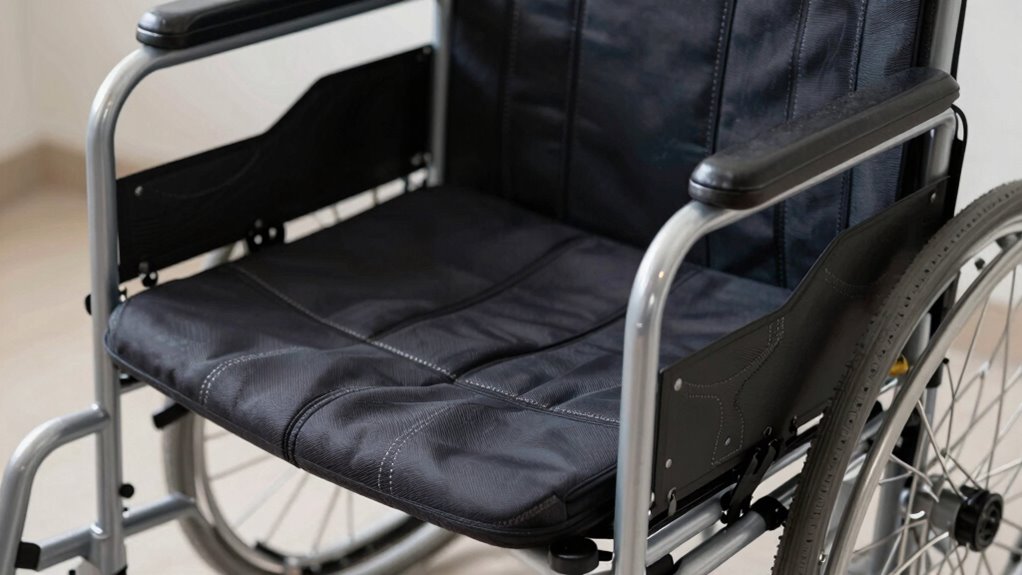
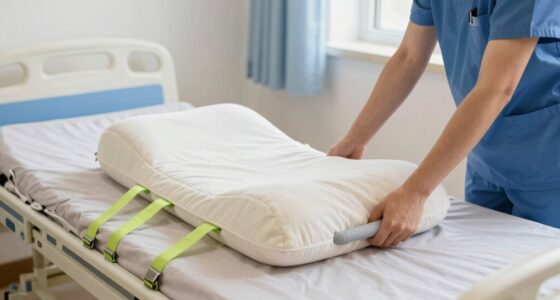
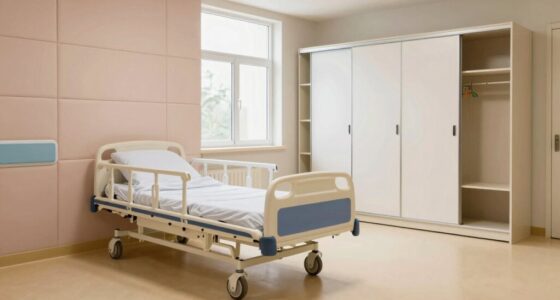
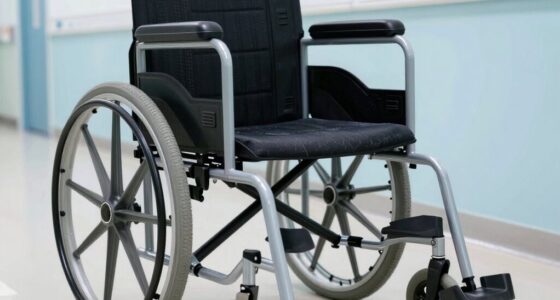
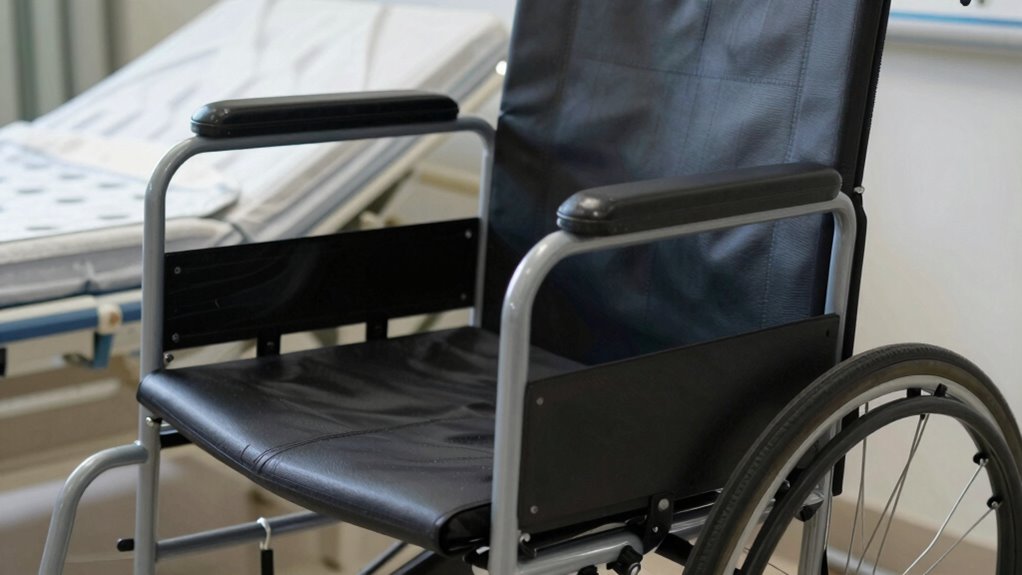
Bariatric patients face unique challenges when it comes to seating and pressure management, which are essential for comfort and skin health. When you’re caring for someone who has undergone weight-loss surgery, understanding the importance of proper seating isn’t just about comfort—it’s about preventing serious complications like pressure ulcers. Postoperative mobility plays a key role here. Immediately after surgery, patients often experience limited movement, increasing their risk of developing pressure points. You need to make sure they’re supported with appropriate cushions or specialized chairs that evenly distribute their weight. Encouraging gentle movement as soon as it’s safe is critical for improving circulation, reducing the risk of skin breakdown, and promoting healing. You might be surprised how much a simple repositioning routine can make a difference in recovery and comfort. Recognizing the importance of proper seating can significantly enhance overall outcomes for bariatric patients. Ensuring that caregivers are knowledgeable about pressure redistribution techniques and equipment can further improve patient care. Pressure management isn’t just about the physical; it’s also about emotional well-being. Many bariatric patients grapple with feelings of vulnerability, frustration, or embarrassment during their recovery. As a caregiver, your emotional support can play a major role in their healing process. By creating a supportive environment that emphasizes comfort and dignity, you help reduce anxiety and boost confidence. When they feel cared for and understood, they’re more likely to participate in mobility exercises and adhere to pressure relief strategies. This emotional reassurance fosters a positive outlook, which is just as important as physical interventions. Additionally, incorporating proper seating can help address both physical and emotional needs more effectively. You should also be aware that proper seating arrangements can serve as a form of emotional comfort. Using bariatric-specific chairs or cushions designed to accommodate larger bodies not only improves pressure distribution but also signals that their needs are prioritized. When you acknowledge these needs with appropriate equipment, it reinforces their sense of safety and respect. Further, understanding how pressure redistribution techniques impact skin integrity can help prevent complications and support long-term recovery. Throughout their recovery, maintaining open communication about discomfort or concerns encourages them to express what they need, helping you provide targeted support. Proper seating solutions can also help in reducing the emotional impact of recovery, making the entire process more manageable. In the end, attention to postoperative mobility and emotional support creates a holistic approach to pressure management. It’s about more than just preventing skin issues—it’s about fostering a sense of security and dignity during a vulnerable time. When you combine physical support with compassionate care, you help your loved one heal more comfortably and confidently, making their journey to better health smoother and more manageable.
bariatric pressure relief cushion
As an affiliate, we earn on qualifying purchases.
As an affiliate, we earn on qualifying purchases.
Frequently Asked Questions
How Do I Choose the Right Bariatric Seat for My Loved One?
To choose the right bariatric seat for your loved one, start by evaluating their size and comfort needs. Look for custom cushion options that offer proper support and pressure relief. Consider the seating material selection, opting for breathable, durable fabrics that accommodate skin sensitivity and weight. Make certain the chair provides stability and ease of transfer. Consulting a healthcare professional can help you select the most suitable option tailored to their specific requirements.
Are There Specific Pressure Relief Cushions Recommended for Bariatric Patients?
Imagine a custom cushion gently cradling your loved one, offering exceptional pressure relief. For bariatric patients, specific cushions with high-density foam material are recommended, as they provide better support and distribute weight evenly. Look for pressure relief cushions designed specifically for bariatric needs. These cushions help prevent pressure sores and enhance comfort, ensuring your loved one stays safe and supported during extended periods of sitting.
How Often Should Bariatric Seating Be Inspected or Replaced?
You should inspect bariatric seating weekly to guarantee proper seating hygiene and check for signs of wear or damage. Replace the cushion or chair when you notice compromised support, tears, or if it exceeds weight capacity limits. Regular inspections help prevent pressure sores and discomfort, ensuring safety and comfort for the patient. Keeping seating in ideal condition is essential for maintaining health and avoiding pressure-related issues.
What Signs Indicate a Seating-Related Pressure Injury?
Like a warning bell, redness or discoloration on the skin signals potential pressure sore development. You should watch for persistent pain, swelling, or warmth over bony areas, which indicate compromised skin integrity. These signs mean pressure sore prevention isn’t happening effectively. If untreated, the skin can break down, leading to ulcers. Regularly inspecting seating and addressing discomfort promptly helps maintain skin integrity and prevents serious pressure injuries.
Can Seating Adjustments Improve Circulation and Comfort in Bariatric Patients?
Yes, seating adjustments can notably improve circulation and comfort in bariatric patients. By optimizing postural alignment, you reduce pressure points, which helps maintain skin integrity and prevents pressure injuries. Properly tailored cushions and supports promote better blood flow, decrease discomfort, and enhance overall well-being. Regularly evaluating and adjusting seating ensures sustained benefits, making it easier for patients to sit comfortably and safely over extended periods.
Conclusion
By paying close attention to seating and pressure concerns, you guarantee comfort and safety for bariatric patients. Don’t overlook the importance of properly designed chairs and pressure relief measures—they’re essential for health and dignity. Are you ready to prioritize these often-overlooked details, creating a supportive environment where every patient feels cared for and respected? When you invest in the right solutions, you transform care into a sanctuary of comfort and trust.
Fall Picks
fall essentials
As an affiliate, we earn on qualifying purchases.