

To maintain dignity during hygiene routines, focus on respecting your privacy, using gentle language, and setting boundaries before touch. Create a comfortable environment with privacy screens, soft lighting, and adaptive tools. Communicate your needs clearly and calmly, and practice self-affirmations to boost confidence. Prioritize your emotional well-being and use resources that support independence. Following these strategies helps you feel empowered and respected—continue exploring ways to enhance your personal care experience for greater confidence and comfort.
Key Takeaways
- Always ask for permission before touching or assisting, respecting personal boundaries.
- Use respectful, gentle language and address individuals by their preferred names.
- Ensure privacy with curtains, screens, or locks to create a secure, personal space.
- Maintain a calm tone and focus on the person’s needs to foster comfort and trust.
- Support independence by providing accessible, easy-to-use supplies and adaptive equipment.
Why Is Preserving Privacy and Dignity Important During Hygiene?

Why is preserving privacy and dignity during hygiene routines so important? When you respect someone’s privacy, you help protect their self-esteem and emotional well-being. Feeling vulnerable during personal care can make someone feel exposed or embarrassed, which can impact how they see themselves. Maintaining dignity reassures individuals that they are still valued and respected, no matter their circumstances. It also promotes a sense of autonomy, which is essential for personal independence. It encourages independence and fosters trust, making hygiene routines less stressful. By providing privacy, you create a safe space where people feel secure and cared for. This support helps reinforce their sense of worth and promotes positive emotional health. Ultimately, respecting privacy during hygiene is about more than physical cleanliness; it’s about nurturing confidence and emotional resilience.
How Can You Feel More Confident During Personal Care Routines?

Building confidence during personal care routines starts with preparation and a positive mindset. Focus on nurturing your self-esteem by reminding yourself that everyone deserves respect and kindness, including yourself. Embrace body positivity by appreciating your body’s uniqueness and recognizing that hygiene is a natural part of self-care, not something to feel ashamed of. Wear comfortable clothing that makes you feel good and helps you feel more in control. Practice deep breathing or affirmations to boost your confidence before starting. Remember, your dignity remains intact when you approach routines with self-compassion. Self-esteem can be strengthened by establishing a routine that makes you feel secure and in control. Incorporating energy efficiency into your self-care routine can help reduce stress and promote overall well-being. Engaging in mindful practices can also enhance your sense of mindfulness and emotional resilience during these routines. Developing an understanding of your personality traits can help you tailor your routines to suit your comfort levels and preferences. By shifting your mindset to one of self-respect and body appreciation, you’ll find it easier to feel more confident and less self-conscious during personal care.
What Are Practical Ways to Create a Comfortable Environment for Hygiene?

Creating a comfortable environment for hygiene starts with simple changes like soft lighting to reduce strain and anxiety. You can also improve privacy by adding curtains or locks to guarantee personal space is respected. These adjustments help you feel more at ease and maintain your dignity during routines. Incorporating smart‑home integrations can further automate privacy controls and lighting settings, enhancing your comfort and independence. Additionally, utilizing personalized home modifications can tailor the environment to better suit individual needs and preferences. Paying attention to environmental comfort ensures that your hygiene routine remains a respectful and dignified experience, especially when considering adaptive design to accommodate various mobility challenges. Moreover, understanding assistive technology can provide additional tools to support independence and dignity during hygiene routines.
Soft Lighting Options
Soft lighting can transform a bathroom into a calming space that eases any feelings of discomfort during hygiene routines. Ambient lighting is key; it creates a gentle, even glow that reduces harsh shadows and glare. Consider using warm-toned bulbs or dimmable fixtures to set a soothing atmosphere. When selecting lamps, opt for options that allow you to adjust brightness easily, giving you control over the environment. Avoid overly bright or fluorescent lights, which can feel clinical or intrusive. Instead, choose soft, diffused lighting that promotes relaxation and dignity. Installing wall sconces or small table lamps with adjustable features can make your space more inviting. The right lighting helps you feel more comfortable, making hygiene routines less stressful and more respectful of your privacy. Additionally, selecting suitable lighting accessories can enhance the overall ambiance and functionality of your bathroom.
Privacy Enhancements
To guarantee you feel comfortable and secure during hygiene routines, it’s important to implement practical privacy enhancements. Wearing discreet clothing can help you feel covered and reduce embarrassment, especially if others are nearby. Using privacy screens creates a physical barrier, giving you a sense of separation and control over your environment. Positioning screens strategically around your space ensures you’re not exposed and can focus on your routine without feeling vulnerable. Additionally, choose clothing that is easy to remove or adjust, which minimizes discomfort and maintains your dignity. These simple steps foster a sense of privacy and safety, making hygiene routines more comfortable and respectful of your personal space. Being aware of your surroundings and practicing personal safety can further enhance your sense of security. Prioritizing privacy helps you maintain your dignity throughout the process.
How Do You Communicate Respectfully When Assisting or Caring?

When assisting someone with hygiene, your words and actions matter. Using respectful language, setting clear boundaries, and listening with kindness show you value their dignity. How can you guarantee your communication remains respectful in these moments?
Use Respectful Language
Using respectful language is essential to preserve a person’s dignity during hygiene routines. Your communication tone plays a crucial role in making them feel comfortable and valued. Speak clearly and avoid technical or clinical terms that might cause embarrassment. Instead, use polite, gentle words that convey care and understanding. For example, say, “Can I help you with this?” rather than making assumptions. Always address the person by their preferred name and avoid talking about them as if they aren’t present. Maintaining a respectful language shows you respect their feelings and autonomy. Remember, your words can influence their comfort level and sense of dignity. By choosing your language carefully, you foster trust and create a positive, respectful environment during personal care.
Maintain Personal Boundaries
How can you guarantee that you respect personal boundaries while helping someone with hygiene? The key is to be emotionally aware and attentive to their comfort. Always ask for permission before touching or moving anyone, and observe their reactions for cues. Clear communication shows respect and helps maintain dignity.
- Speak softly and calmly, affirming their autonomy
- Keep your gestures gentle and purposeful
- Be attentive to non-verbal signals indicating discomfort
- Keep conversations focused on their needs, not just tasks
Listen Actively and Kindly
Listening actively and kindly involves more than just hearing words; it requires your full attention and genuine empathy. When you engage with someone during hygiene routines, prioritize emotional awareness—recognize their feelings and respond compassionately. Show cultural sensitivity by respecting their beliefs and preferences, avoiding assumptions or judgments. Use open body language and maintain eye contact to demonstrate your attentiveness. Offer reassurance with gentle words and avoid rushing, which can cause embarrassment or discomfort. Remember, respectful communication fosters trust and preserves dignity. By truly listening, you validate their experience and create a supportive environment. Your active, kind listening can transform a routine task into a moment of connection, ensuring the person feels valued and respected throughout the process. Incorporating sound healing science principles can also help create a calming atmosphere that enhances their comfort.
What Strategies Make Hygiene Practices More Discreet and Empowering?

To make hygiene routines more discreet and empowering, you can adopt practical strategies that prioritize your comfort and privacy. Using discreet techniques helps you feel more confident and in control. Developing empowering habits encourages independence and self-respect. For example, choose clothing that’s easy to manage, and organize your supplies for quick access. Consider scheduling routines when fewer people are around, and use privacy screens if needed. Additionally, take time to practice steady breathing to stay calm during routines. These small adjustments make a big difference in maintaining dignity. Incorporate habits that boost your confidence, like maintaining good posture and gentle self-talk. By focusing on these strategies, you create a more respectful and empowering hygiene experience.
How Can You Address Emotional Challenges Around Personal Care?

Addressing emotional challenges around personal care is key to maintaining dignity and confidence. It’s natural to feel vulnerable or self-conscious, but focusing on self-esteem building can make a difference. Remind yourself of your strengths and achievements to foster a positive mindset. Seeking emotional support from trusted friends, family, or mental health professionals can also help you navigate feelings of embarrassment or frustration. Remember, everyone faces challenges with personal care at times, and you’re not alone. Developing a compassionate inner dialogue encourages patience and resilience. Prioritize self-care routines that make you feel safe and respected. Incorporating evidence-based insights into your approach can further empower you to handle emotional hurdles effectively. By actively addressing emotional hurdles, you reinforce your sense of worth and dignity during these routines, turning them into moments of empowerment rather than embarrassment.
What Resources Help Maintain Dignity in Hygiene Routines?
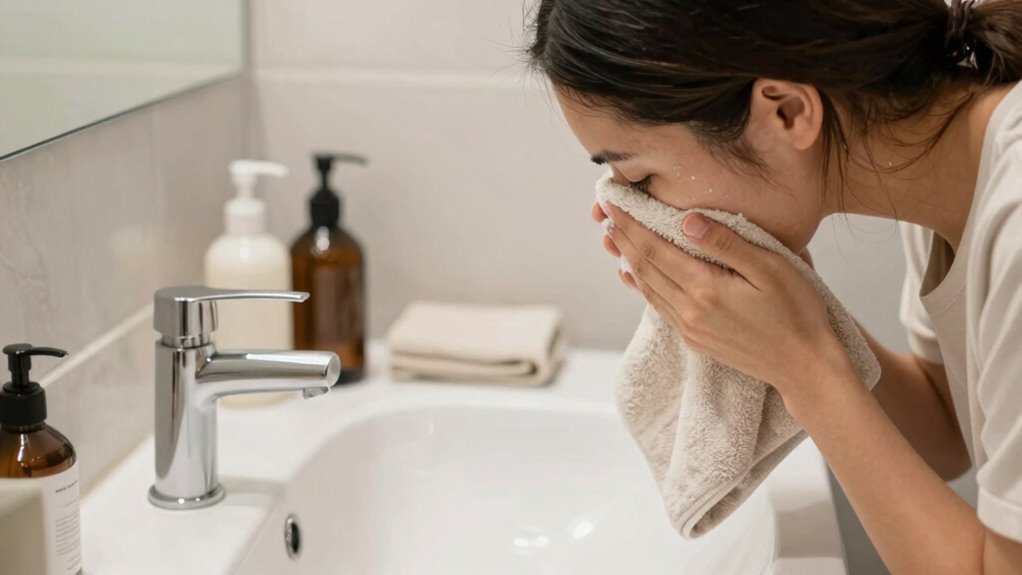
What resources are available to help you maintain dignity during hygiene routines? Dignity-focused resources and privacy support tools can make a significant difference. These resources empower you to feel more in control and respected during personal care. Additionally, proper water filtration ensures the water used is clean and safe, enhancing comfort during hygiene routines. Using adjustable shower chairs and ergonomic tools ensure comfort and independence. Privacy screens or curtains offer visual separation and create a sense of personal space. Staff training programs emphasize respectful communication and dignity preservation. Personal care kits with familiar, easy-to-use supplies help maintain autonomy and familiarity. Incorporating hygiene routines that prioritize comfort and respect can enhance your overall experience. Using these tools and resources helps you stay comfortable, secure, and respected throughout your hygiene routines. They support your dignity and foster a sense of independence, making personal care less stressful and more respectful.
Frequently Asked Questions
How Can I Gently Encourage Independence in Personal Hygiene?
You can gently encourage independence in personal hygiene by using respectful communication and respecting privacy. Offer clear, encouraging guidance without taking over, and ask how you can support them. Create a private, comfortable environment that promotes their autonomy. Praise their efforts and progress to boost confidence. By showing respect and preserving their privacy, you help them feel empowered and maintain dignity during hygiene routines.
What Are Signs of Discomfort During Hygiene Routines?
Like a delicate dance, watch for signs of discomfort during hygiene routines, such as flinching, grimacing, or pulling away, signaling your loved one’s privacy concerns or physical discomfort. They might become silent or withdraw, showing they’re overwhelmed. Pay attention to their facial expressions and body language, which are the silent messengers of distress. Address these cues gently to preserve trust and ensure their dignity stays intact.
How Do Cultural Beliefs Influence Hygiene Practices?
Cultural beliefs shape your hygiene practices by influencing what’s considered respectful or appropriate. You follow cultural norms and traditional practices that guide how you wash, groom, or care for yourself. These beliefs help you maintain dignity and comfort during routines, ensuring you respect your community’s values. By understanding and honoring these cultural influences, you can practice hygiene in a way that feels authentic and respectful to yourself and others.
What Role Does Body Language Play in Maintaining Dignity?
You can maintain dignity during hygiene routines by using positive body language and non-verbal cues. Even if you’re uncomfortable, smiling gently and maintaining eye contact shows respect and reassurance. Your posture and gestures communicate confidence and care, helping others feel safe and valued. Remember, your body language influences how others perceive your intentions, so stay calm, open, and respectful to uphold dignity for everyone involved.
How Can Technology Assist in Discreet Hygiene Management?
Technology can help you preserve privacy and dignity by offering assistive devices like discreet toileting aids and voice-activated systems. These tools enable you to manage hygiene routines independently, reducing embarrassment and maintaining your autonomy. By integrating discreet technology, you can perform hygiene tasks with less exposure and more confidence, ensuring your privacy is preserved while fostering a sense of control and dignity during personal care.
Conclusion
Remember, your dignity is like a delicate flame—protect it with kindness and respect. By creating a safe space and communicating gently, you keep that flame burning bright, illuminating your confidence and sense of self. Every act of care is a gentle breeze that preserves your inner light, reminding you that even in vulnerability, your worth shines through. Keep nurturing that flame, and let your dignity guide every step of your hygiene routines.