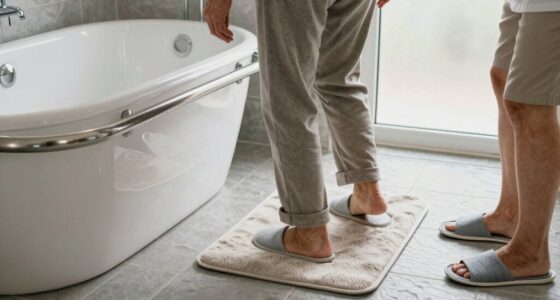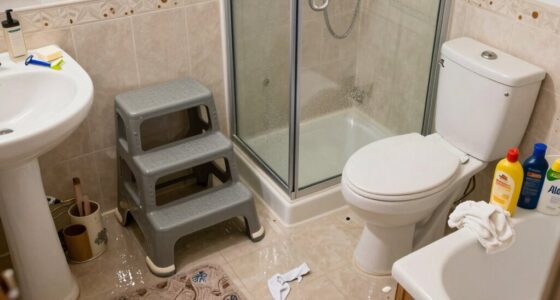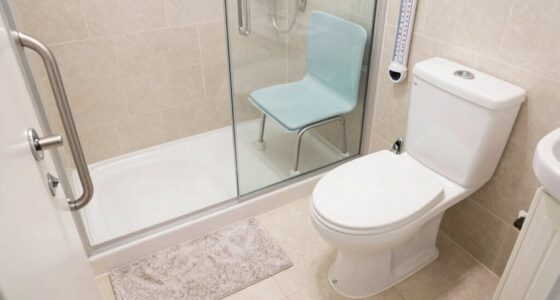

To guarantee your loved one’s safety during bathing, evaluate their mobility and eliminate hazards like clutter and slippery surfaces. Use proper aids such as grab bars, non-slip mats, and supportive bathing seats, and set up the bathroom with good lighting and accessible items. Establish a clear routine and teach safe transfer techniques, using assistive devices to prevent falls. For more detailed tips on creating a safe bathing environment, keep exploring these helpful strategies.
Key Takeaways
- Assess mobility and install supportive fixtures like grab bars and non-slip mats to prevent falls.
- Keep pathways clear and ensure adequate lighting for better visibility during bathing.
- Select appropriate, secure bathing aids and ensure they are regularly maintained and correctly positioned.
- Prepare all supplies in advance and guide loved ones through each step patiently and consistently.
- Use proper transfer techniques, encourage the use of assistive devices, and communicate clearly to promote safety and independence.
Assess Your Loved One’s Mobility and Safety Risks
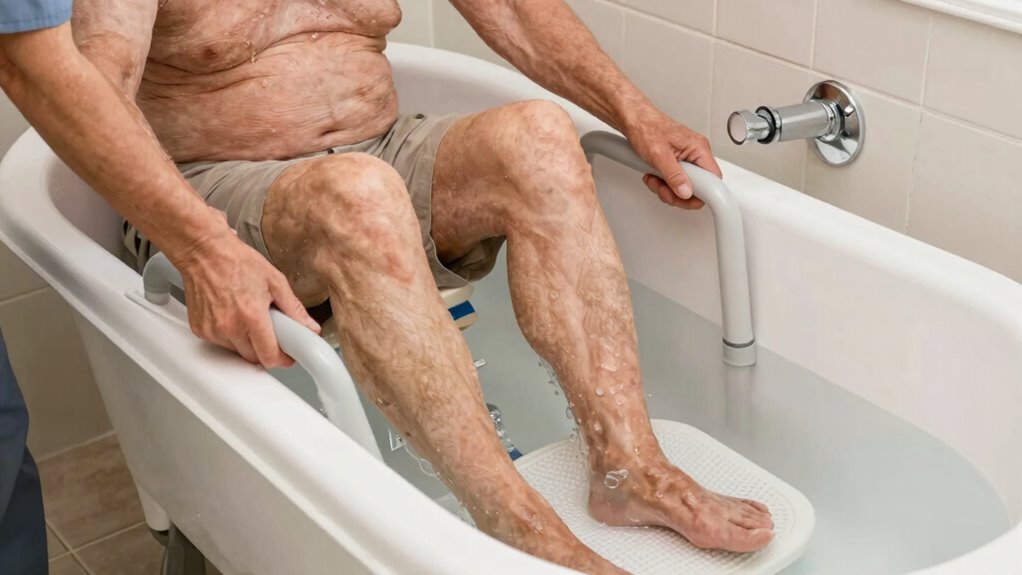
Before helping your loved one with bathing, it’s essential to evaluate their mobility and identify potential safety risks. Check their ability to transfer in and out of the bath or shower safely. Ensure bathroom lighting is adequate to prevent falls or accidents, especially if they have visual impairments. Test the water temperature before they enter, aiming for a comfortable, safe level—around 100°F (37.8°C)—to prevent burns. Look for hazards like loose rugs, clutter, or slippery surfaces that could cause falls. Assess their balance and strength, noting if they need assistance or mobility aids. Being thorough now helps you create a safer environment, minimizing risks during bathing and ensuring your loved one’s safety and comfort. Understanding field-of-view and imaging-scale concepts can help you better evaluate spatial arrangements and identify potential hazards in the bathroom, especially when considering visual perception limitations. Additionally, considering environmental modifications can further enhance safety and accessibility, and incorporating appropriate assistive devices can also support safer bathing routines. Recognizing spatial awareness can assist in planning effective modifications to minimize risks and promote independence during bathing.
Choose the Right Bathing Equipment and Accessibility Aids
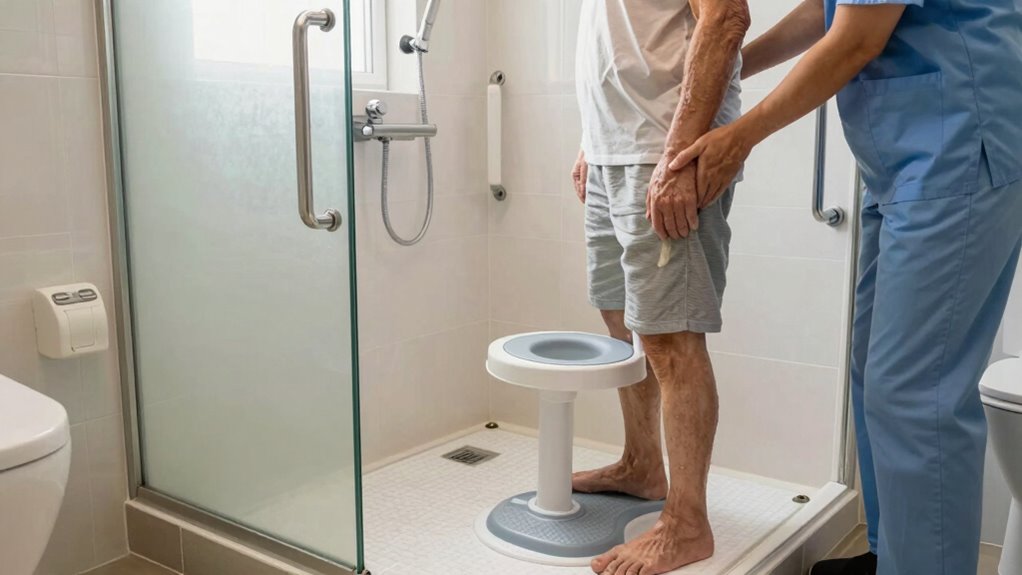
Choosing the right bathing equipment and accessibility aids can make a big difference in safety and comfort. You should select appropriate bath seats, use non-slip mats effectively, and opt for easy-to-use handles. These choices help prevent falls and guarantee your loved one feels secure during baths. Incorporating simple organization strategies can also help keep bathing areas clutter-free, reducing hazards and making the space safer and more functional. Additionally, selecting appropriate equipment that suits individual mobility levels ensures a more comfortable bathing experience. Regularly monitoring progress and adjusting the aids as needed can further enhance safety and independence during bathing routines. Employing proper maintenance of these aids can also extend their usability and safety features. Being aware of safety standards for bathing devices can help ensure the equipment meets necessary safety criteria and provides optimal protection.
Selecting Appropriate Bath Seats
Selecting the right bath seat is essential for ensuring safety and comfort during bathing. Proper bath seat selection helps prevent slips and falls while providing stability. When choosing a seat, consider these key factors:
- Weight capacity to support your loved one securely
- Adjustability for height and position for personalized comfort considerations
- Ease of installation and removal for convenience
- Durability and material to withstand moisture and frequent use
Incorporating energy-efficient technology into bath seats can further enhance sustainability and reduce environmental impact.
Focusing on comfort considerations ensures your loved one feels safe and supported. A well-chosen bath seat not only enhances safety but also promotes independence and dignity during bath time. Make sure to evaluate different models and features to find the best fit for their specific needs, prioritizing stability, ease of use, and comfort.
Using Non-slip Mats Effectively
Using non-slip mats effectively can considerably reduce the risk of slips and falls during bath time. When selecting a bath mat, prioritize proper bath mat selection, focusing on mats with high slip resistance ratings. These ratings indicate how well the mat grips surfaces, helping prevent accidents. Check that the mat’s surface has textured patterns or rubberized backing for ideal slip resistance. Ensure the mat fits securely in your bathtub or shower, with no edges curling up. Regularly clean the mat and inspect it for wear or damage, replacing it when necessary. Proper placement is key: position the mat flat on the surface, covering high-traffic areas where your loved one is most likely to step. This simple step greatly enhances safety during bathing. Additionally, choose appropriate bathing equipment that complements the non-slip mat to further reduce hazards. Incorporating safety features such as grab bars can provide additional stability and confidence during bathing. Regularly inspecting the non-slip properties of the mat helps ensure it maintains its effectiveness over time, further ensuring safety. Incorporating proper maintenance helps preserve the mat’s slip-resistant properties over time, further ensuring safety.
Choosing Easy-to-Use Handles
To guarantee your loved one can bathe safely and independently, it’s important to choose handles that are easy to grip and operate. Look for grab bars with slip-resistant handles designed for secure holding, even with wet hands. Consider the placement of these handles around the tub or shower to maximize support. When selecting accessibility aids, prioritize models with ergonomic designs that fit comfortably in the hand. Also, check that the handles are sturdy and easy to install without complex tools. Here are four key tips:
- Select grab bars with textured, slip-resistant handles.
- Ensure handles are appropriately sized for easy grip.
- Mount grab bars at accessible heights.
- Choose ergonomic designs for comfort and control.
- Verify that the handles are compatible with existing bathroom safety features and fixtures to ensure seamless integration. Incorporating proper installation techniques can further enhance safety and stability of the handles. Additionally, consulting professional guidance can help ensure optimal placement and secure attachment. Being aware of product safety standards can also help you select reliable and durable accessibility aids. Recognizing the importance of quality standards ensures that the equipment meets safety regulations and provides peace of mind.
Set Up a Safe and Comfortable Bathroom Environment
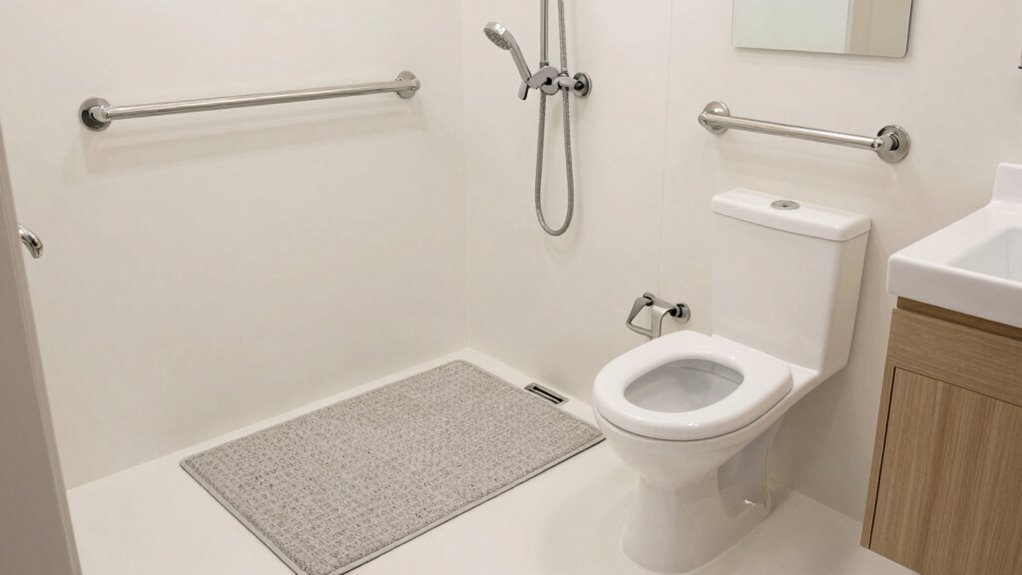
To create a safe and comfortable bathroom, start by clearing pathways and removing clutter to prevent trips and falls. Next, install supportive fixtures like grab bars and non-slip mats to enhance stability. These simple steps make the space safer and more accessible for your loved ones. Additionally, consider using portable power sources to ensure adequate lighting and device operation during emergencies or power outages, especially when relying on reliable electrical infrastructure to maintain safety. Incorporating emergency preparedness measures such as backup lighting can further increase safety during unforeseen events. According to home security evaluations, utilizing smart home devices can also add an extra layer of safety by providing remote monitoring and alerts. For even greater safety, it’s helpful to have power tools on hand for quick repairs or modifications in the bathroom environment.
Clear Pathways and Clutter
Have you checked your bathroom for obstacles that could cause falls or injuries? Clearing pathways and reducing clutter ensures a safer environment. Keep the floor free of rugs, cords, and personal items that could trip your loved one. Make sure bathroom lighting is bright enough to illuminate all areas, reducing shadows and enhancing visibility. Regularly verify the water temperature to prevent burns, especially if your loved one has limited sensation. Organize essential items within easy reach, like towels and toiletries, so they don’t have to stretch or bend excessively. Consider adding non-slip mats in key areas. Pool safety features such as grab bars and anti-slip surfaces can further prevent accidents and provide additional support. By maintaining a clutter-free space with good lighting and safe water temperature, you considerably lower the risk of accidents during bath time.
Install Supportive Fixtures
Installing supportive fixtures in your loved one’s bathroom creates a safer, more comfortable environment. Grab bars provide essential stability around the toilet and in the shower or bathtub, helping prevent slips and falls. Securely mounted, they offer confidence during transfers and bathing. A shower seat offers a stable place to sit, reducing fatigue and the risk of falling. Make sure the seat is sturdy, non-slip, and adjustable if needed. Position grab bars and shower seats at accessible heights for your loved one’s comfort. Proper installation is key—use appropriate anchors and hardware. These fixtures not only enhance safety but also promote independence, making bath time less stressful for everyone involved. Taking these steps helps create a bathroom that’s both safe and accommodating.
Create a Step-by-Step Bathing Routine for Independence and Support
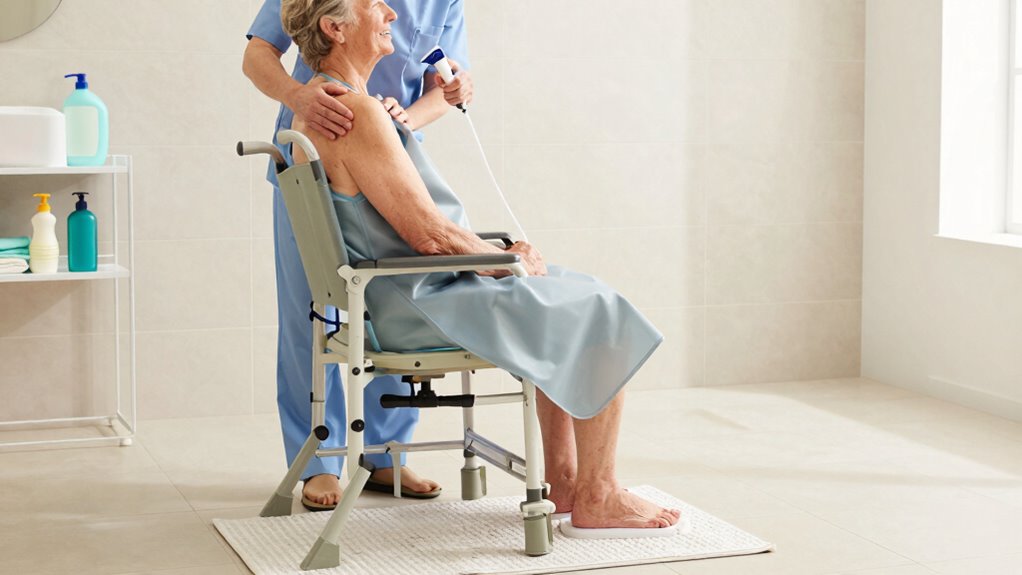
Wondering how to create a safe and effective bathing routine for your loved one with limited mobility? Establishing clear steps guarantees bath safety and promotes independence. A structured bathing routine can reduce confusion and minimize fall risks.
Consider these steps:
- Prepare all supplies beforehand to streamline the process.
- Use non-slip mats and supportive fixtures for stability.
- Guide your loved one through each step patiently, encouraging participation.
- Keep the routine consistent to build familiarity and confidence.
Learn Proper Transfer Techniques to Prevent Falls
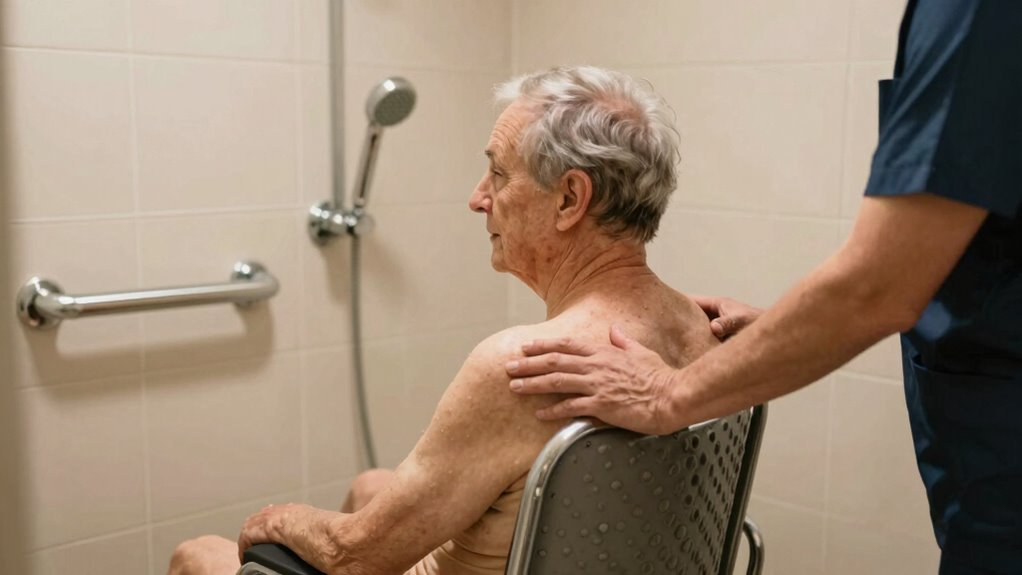
Once you’ve established a safe bathing routine, it’s important to focus on proper transfer techniques to prevent falls. Using proper transfer methods guarantees your loved one moves safely from one surface to another, reducing the risk of injury. Always plan the transfer, communicate clearly, and encourage your loved one to follow your instructions. Keep their feet flat on the ground, and use your legs—not your back—to lift or support them. Maintain stable footing and avoid rushing. If necessary, position yourself close and secure their balance before moving. Remember, fall prevention depends on careful, deliberate movements and patience. Practicing proper transfer techniques not only minimizes fall risk but also supports your loved one’s confidence and independence during bathing routines.
Use Assistive Devices to Enhance Safety During Bathing

Using assistive devices can considerably improve safety during bathing by providing stability and reducing the risk of slips and falls. Consider these options to make bathing safer:
- Grab bars and handrails installed around the tub or shower provide steady support.
- Non-slip mats or adhesive strips on the floor prevent slipping.
- Adaptive clothing designed for easy dressing minimizes movement and discomfort.
- Waterproof footwear offers grip and protection, especially on wet surfaces.
These devices help your loved one stay stable and confident during bathing. By incorporating assistive tools, you create a safer environment that promotes independence while reducing injury risks. Always ensure devices are securely installed and suitable for your loved one’s specific needs.
Communicate Clearly and Respect Your Loved One’s Dignity

Clear and respectful communication is essential when helping a loved one with limited mobility during bathing. Use gentle communication to make them feel comfortable and valued. Speak softly, explain each step, and ask for their input to ensure they feel involved. Respect their dignity by maintaining privacy, avoiding abrupt movements, and listening carefully to their cues. Consider this helpful guide:
| Tip | Example | Benefit |
|---|---|---|
| Use gentle tone | “I’m here to help, just relax.” | Builds trust and reduces anxiety |
| Ask for preferences | “Would you like to wear this towel?” | Promotes respect and comfort |
| Explain each step | “Now, I’ll rinse your hair gently.” | Reduces confusion and fear |
| Maintain privacy | Cover them when possible | Upholds dignity |
| Respect cues | Stop if they seem uncomfortable | Ensures respectful caregiving |
Monitor Their Needs and Adjust Safety Measures as Necessary

As you assist your loved one during bathing, it’s important to continuously observe their responses and comfort levels. Stay alert to signs of distress or discomfort, and be ready to modify safety measures accordingly. Regularly reassess their needs, especially if their mobility or health changes. Keep emergency preparedness in mind—have a plan and necessary supplies nearby in case of an accident. Providing emotional support helps them feel secure and cared for throughout the process. To improve safety, consider these steps:
- Check for any physical or emotional discomfort during each bath.
- Adjust equipment or positioning to enhance stability.
- Review safety protocols regularly and update as needed.
- Communicate openly to reassure and support your loved one.
Monitoring their needs ensures safety and promotes their well-being.
Get Professional Advice for Customized Bathing Solutions
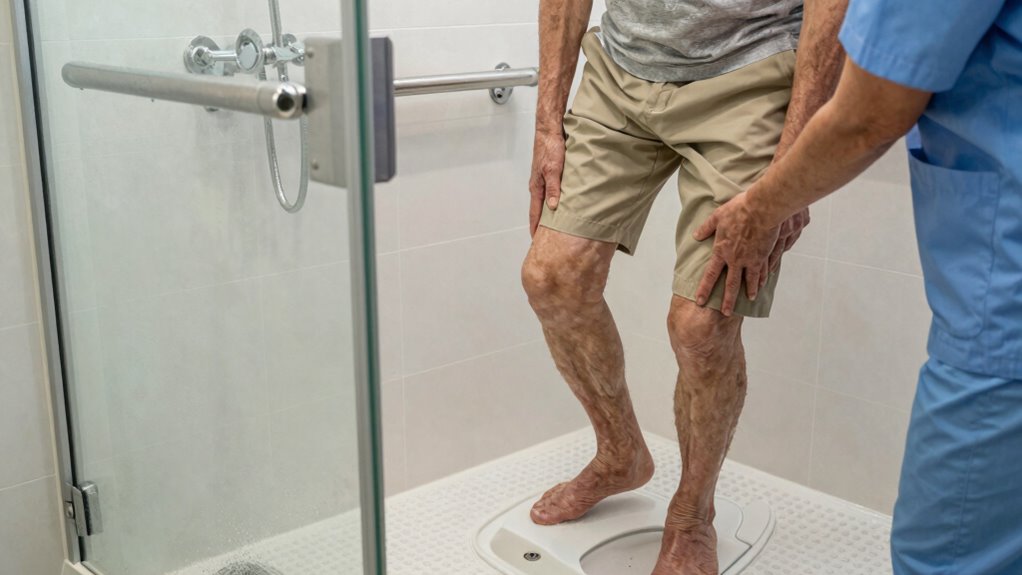
Seeking professional advice can make a significant difference in creating a safe and effective bathing routine for your loved one. A professional consultation provides expert insights tailored to their specific needs, ensuring safety and comfort. By consulting with occupational therapists, home health specialists, or bathing experts, you can explore customized solutions that address mobility challenges. These professionals can recommend appropriate equipment, such as walk-in tubs, shower chairs, or grab bars, fitted perfectly to your loved one’s environment. They can also advise on proper techniques to prevent falls and injuries. Investing in personalized solutions based on professional guidance helps you create a safer bathing experience, reducing stress for both of you and promoting independence with confidence.
Frequently Asked Questions
How Can I Help My Loved One Feel Comfortable During Bathing?
You can help your loved one feel comfortable during bathing by creating a calming environment. Use massage therapy techniques gently to ease tension and promote relaxation. Make certain the water temperature is just right—lukewarm, not hot—to prevent discomfort. Talk to them throughout, offering reassurance and adjusting the water as needed. Your attentive presence and gentle touch help make the experience more pleasant and secure for your loved one.
What Signs Indicate My Loved One Is at Risk of Slipping?
Watch for warning signs like wavering balance, wobbling walk, or sudden stiffness, which signal a fall risk. If your loved one shows any of these, their mobility decline could be worsening, and they’re more prone to slipping during baths. Keep an eye out for unsteady movements, unusual hesitation, or grabbing for support, and always make certain safety measures are in place to prevent potential slips and falls.
Are There Specific Bath Safety Products for Different Mobility Levels?
Yes, there are specific bath safety products for different mobility levels. For example, you can choose non-slip mats to prevent falls, waterproof clothing to keep them dry and comfortable, and grab bars for added support. For those with limited mobility, consider shower chairs or transfer benches. Assess your loved one’s needs carefully and select products that provide stability and ease of use, ensuring a safer bathing experience.
How Often Should I Reassess My Loved One’s Bathing Safety Needs?
You should regularly revaluate your loved one’s bathing safety needs through ongoing safety reviews and mobility assessments. As their mobility or health changes, their safety requirements might evolve, so schedule check-ins at least every few months or sooner if there’s a noticeable change. Stay attentive to their comfort and stability, and adjust safety equipment or routines promptly. Consistent reassessments help prevent accidents and ensure they feel secure during bath time.
What Are Common Mistakes to Avoid During Bathing Assistance?
Think of bathing as a delicate dance—you don’t want to step on toes. Avoid common mistakes like using water that’s too hot, which can burn, and neglecting soap avoidance, which can cause skin irritation. Always check the water temperature first, ensuring it’s safe, and use gentle, fragrance-free soap or skip it if possible. Stay attentive, communicate clearly, and never rush, so your loved one feels safe and cared for.
Conclusion
By implementing these safety tips, you create a haven where your loved one’s dignity shines brighter than any obstacle. Think of their independence as a fragile flower—nurture it carefully, and it will bloom with confidence. Your attentive care transforms the bathroom into a sanctuary of safety and trust, where every step taken is a confirmation to your love. With patience and vigilance, you build a secure space where their well-being flourishes like a radiant sunrise.