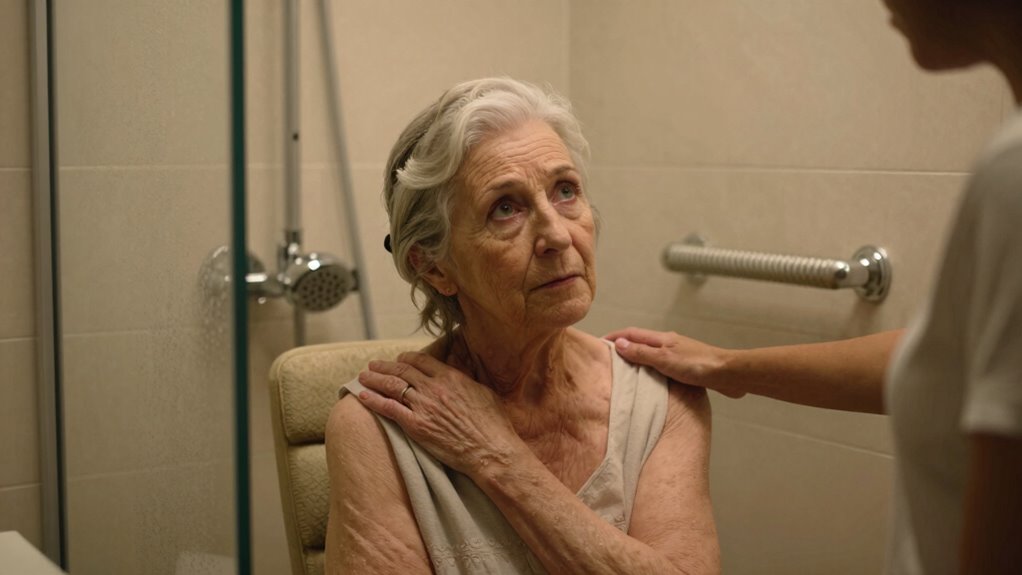

Seniors often avoid showers because of mobility issues, fear of slipping, or emotional barriers like embarrassment and low confidence. They may struggle with balance, pain, or memory problems that make showering unsafe or overwhelming. Your support, safety modifications, and gentle encouragement can make a big difference. To help them stay clean and safe, it’s important to understand these challenges and learn practical ways to address them—more helpful tips await if you keep going.
Key Takeaways
- Mobility issues, pain, or fear of falling make seniors hesitant to shower safely.
- Embarrassment or low self-esteem about hygiene can lead to avoidance.
- Cognitive impairments cause confusion or forgetfulness about shower routines.
- Lack of safety equipment or bathroom modifications increases fall risk and discourages bathing.
- Emotional barriers like anxiety or depression reduce motivation for personal hygiene practices.
Why Seniors Avoid Showers: Common Causes
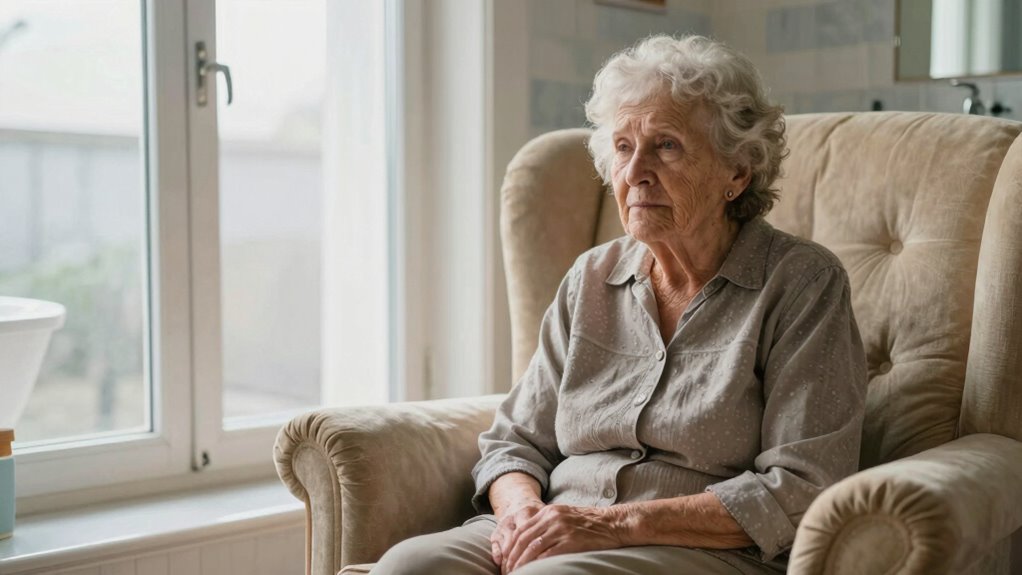
Many seniors avoid showers because they find the experience uncomfortable or inconvenient. As you age, maintaining personal hygiene becomes more challenging, especially if mobility issues or pain make standing for long periods difficult. Bathing routines that once felt simple now seem overwhelming or exhausting. Fear of slipping or falling in the shower can also discourage them from bathing regularly. Additionally, some seniors may feel embarrassed about their changing bodies or hygiene needs, leading to avoidance. Chronic conditions like arthritis or joint pain can make maneuvering in the bathroom painful or unsafe. These factors contribute to a reluctance to shower, impacting overall health and wellness. Understanding these common causes helps you address the barriers and support seniors in maintaining good personal hygiene. For example, home safety modifications such as grab bars or non-slip mats can significantly improve their confidence and safety during showers. Incorporating adaptive equipment designed for seniors can further make bathing safer and more comfortable, encouraging regular hygiene habits. Creating a comfortable bathing environment by adjusting water temperature and using easy-to-handle accessories can also help reduce anxiety and make showering a more pleasant experience. Additionally, proper bathroom lighting can alleviate fears and help seniors see clearly, reducing the risk of accidents. Improving bathroom ergonomics by designing spaces that reduce strain can also boost their independence and comfort during bathing.
How to Recognize Mobility and Balance Challenges in Seniors
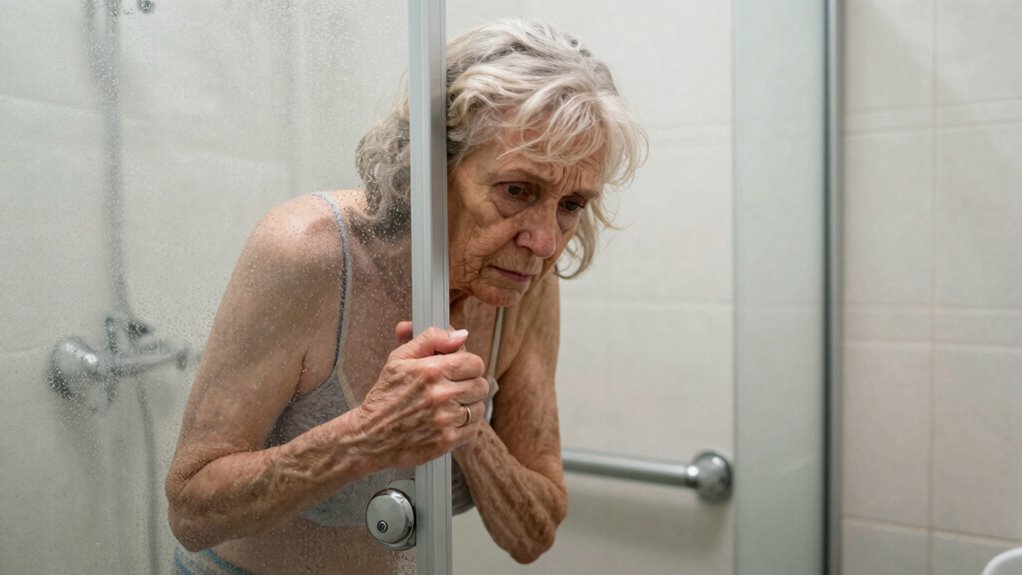
You can spot balance loss when seniors stumble or reach for support unexpectedly. Mobility limitations show up as difficulty walking or trouble standing for long periods. Recognizing fall risk factors early helps you take steps to keep your loved ones safe.
Signs of Balance Loss
Recognizing early signs of balance loss in seniors is crucial for preventing falls and injuries. Watch for unsteady gait, frequent stumbling, or holding onto furniture for support. Changes in coordination or difficulty standing on one leg can also indicate balance issues. Reduced elderly nutrition might lead to weakness, increasing fall risk, so guarantee proper diet. Notice if your loved one avoids social engagement, as fear of falling can cause withdrawal and further decline. Pay attention to dizziness or lightheadedness when changing positions, which signal potential balance problems. These signs often develop gradually, so early detection allows you to intervene with safety measures or medical advice. Additionally, implementing proper footwear can significantly improve stability and reduce the likelihood of falls. Incorporating Glycolic Acid Benefits in skincare routines may improve skin elasticity, helping seniors maintain healthier skin to prevent injuries. Staying informed about fall prevention strategies can empower caregivers to create a safer environment. Regular balance exercises tailored to seniors are also effective in strengthening muscles and improving coordination. Being proactive helps maintain independence, boosts confidence, and creates a safer environment for your senior loved ones.
Mobility Limitations Indicators
When signs of balance loss appear, they often manifest as visible mobility limitations that can hinder daily activities. Look for difficulties in walking, such as shuffling steps or unsteady gait, which may indicate core balance issues. Notice if your loved one relies heavily on assistive devices like walkers or canes, as this signals they’re already experiencing mobility challenges. Observe if they hesitate or need support when changing positions, such as rising from a chair or turning around. Effective communication strategies are essential—encourage open conversations about their comfort and fears without pressure. Recognizing these indicators early allows you to respond appropriately, ensuring they get the help they need before mobility issues escalate. Your attentiveness can make a significant difference in their safety and independence. Additionally, integrating simple mobility exercises can help improve strength and stability over time, which are crucial for maintaining balance and coordination. Being aware of early mobility limitations can lead to timely interventions that improve overall safety and quality of life. Recognizing subtle signs like reduced strength can further facilitate early support and prevent falls. Implementing assistive technology options can also enhance safety and promote confidence during daily activities.
Fall Risk Factors
Mobility and balance challenges are vital to increasing the risk of falls among seniors, making it considerably important to identify early warning signs. If you notice difficulty walking, unsteady gait, or frequent hesitations, these are clear indicators of fall risk factors. Bathroom remodeling can reduce hazards, such as installing grab bars or non-slip mats, to create a safer environment. Using assistive devices like canes or walkers can also enhance stability, but they need to be properly fitted and used consistently. Watch for signs of weakness, dizziness, or hesitations during movement, which increase fall risk. Recognizing these challenges early allows you to implement preventive measures, ensuring your loved one’s safety during daily activities like showering or moving around the house. Fall prevention strategies are essential components of creating a safe living space for seniors. Additionally, understanding mobility and balance challenges helps caregivers better support their loved ones in maintaining independence and safety. Being aware of early warning signs can significantly improve the chances of preventing serious falls before they happen. For example, incorporating innovative materials such as non-slip surfaces can further reduce hazards in the bathroom.
How Fear of Slipping or Falling Stops Seniors From Showering
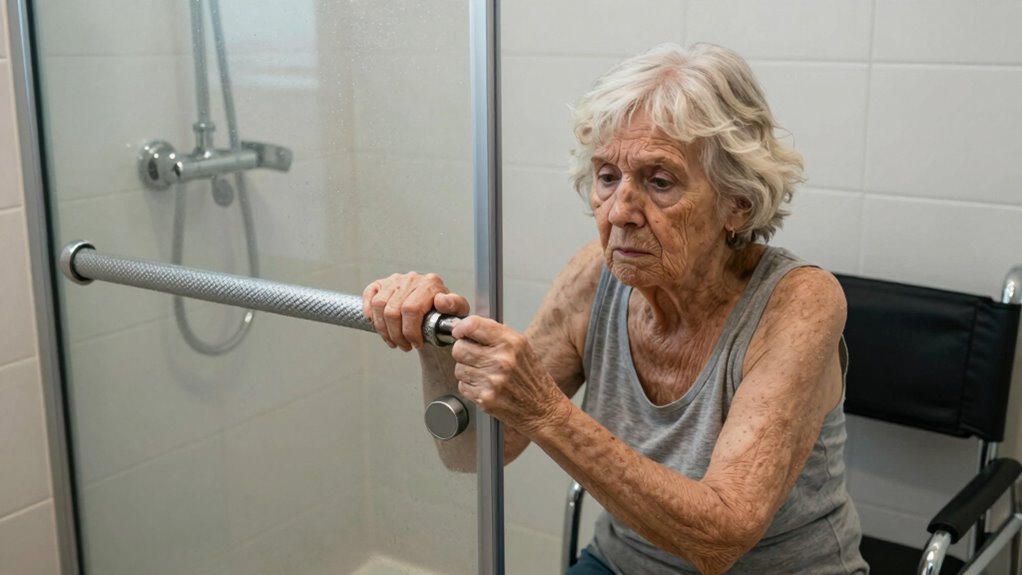
Many seniors hesitate to shower because they fear slipping or falling on wet surfaces. This fear often intensifies if they show dementia symptoms, making them more anxious about safety. As a caregiver, effective communication can help ease their worries, but the fear remains a barrier. To address this, consider these strategies:
Many seniors fear slipping during showers, especially with dementia; reassurance and safety measures can help ease their anxiety.
- Install grab bars and non-slip mats to increase stability.
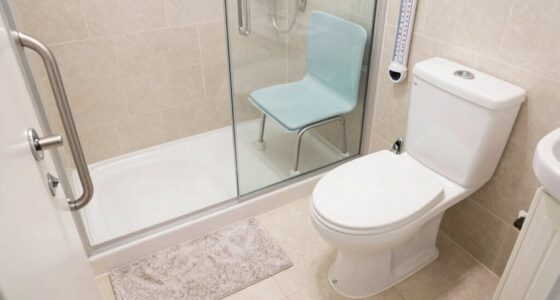
- Use shower chairs or benches for added support.
- Keep the shower area well-lit and free of clutter.
- Reassure seniors with calm, clear communication about safety measures.
- Incorporate hydraulics principles into the design of safety features to ensure they function reliably under frequent use, especially since consistent load distribution is vital for maintaining safety equipment integrity. Additionally, selecting safety devices with robust construction can further enhance their dependability and long-term performance. Implementing safety features designed with hydraulics principles can optimize their effectiveness and durability over time. Moreover, choosing materials that respond well to hydraulic pressure can improve the resilience of safety fixtures during emergencies.
How Memory Problems Make Showering Difficult
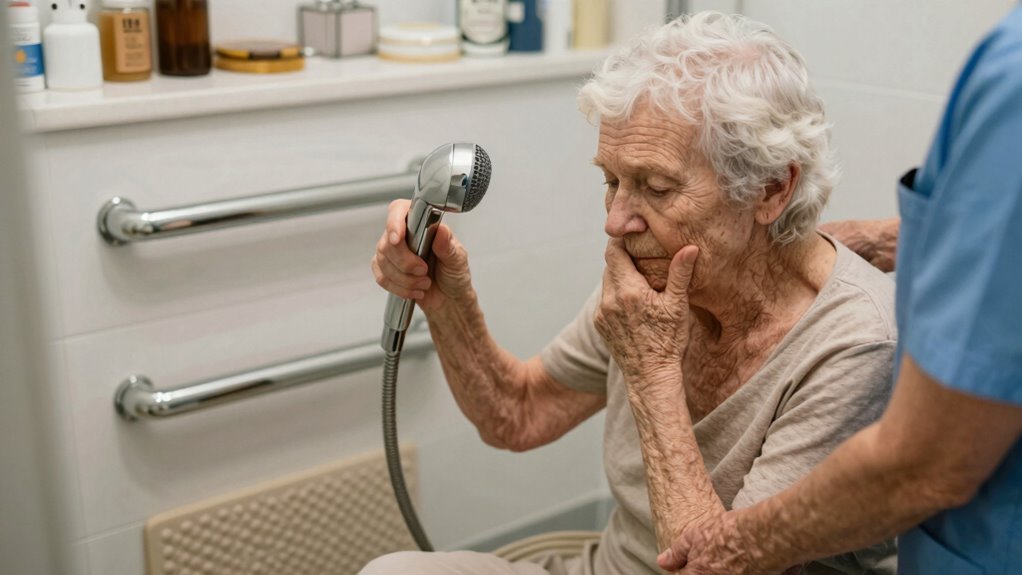
Memory problems can make showering confusing and stressful for seniors. As memory decline progresses, it becomes harder for them to remember the steps involved, such as turning on the water, adjusting temperature, or using soap. Cognitive impairment may cause them to forget whether they’ve already showered or to lose track of time in the bathroom. This confusion can lead to frustration or fear, making the idea of showering overwhelming. They might also forget safety precautions, increasing the risk of accidents. Because of these challenges, seniors with memory issues often avoid showers altogether. Understanding that these difficulties stem from Cognitive impairment can help you approach their needs with patience and support, creating a safer, more comfortable environment that encourages regular hygiene routines. Additionally, adaptive strategies such as visual cues or simplified routines can make showering more manageable for seniors facing these challenges. Implementing memory aids can further support independence and reduce anxiety related to bathing routines.
Emotional and Psychological Reasons Seniors Avoid Showers
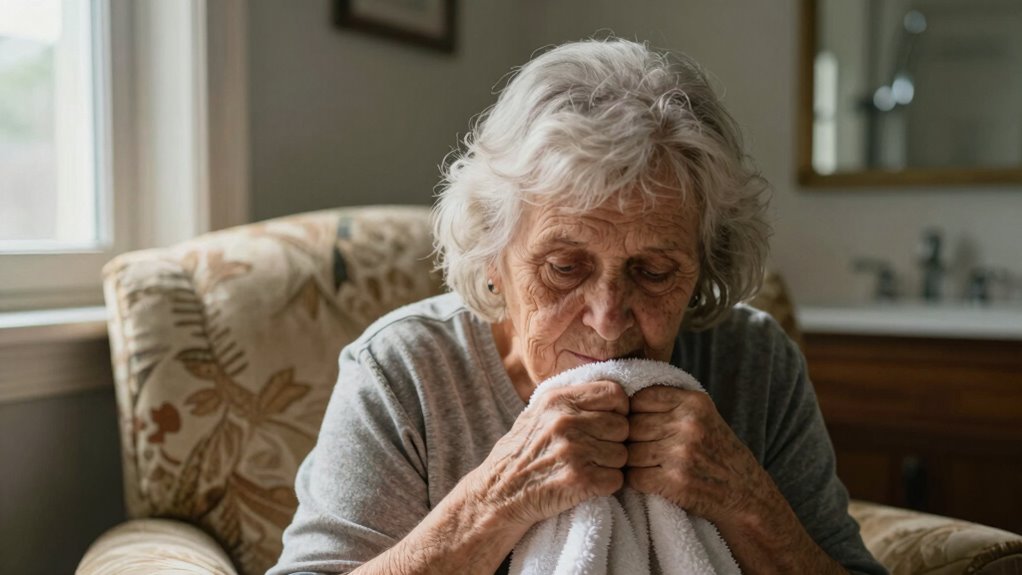
Emotional and psychological factors can considerably influence a senior’s reluctance to shower. Emotional barriers, such as feelings of embarrassment or shame, often make them hesitant. Psychological fears also play a role, including fears of falling, losing independence, or being unable to handle the shower safely. Here are common reasons:
- Embarrassment about body image or hygiene
- Fear of falling or injury during the shower
- Anxiety over losing control or independence
- Feelings of depression or low self-esteem
These emotional barriers and psychological fears can create a strong resistance to showering. Understanding these underlying issues helps you approach the situation with compassion, making it easier to support your loved one. Recognizing the emotional component is vital to addressing their reluctance effectively.
Practical Tips for Making Showers Safer and Easier
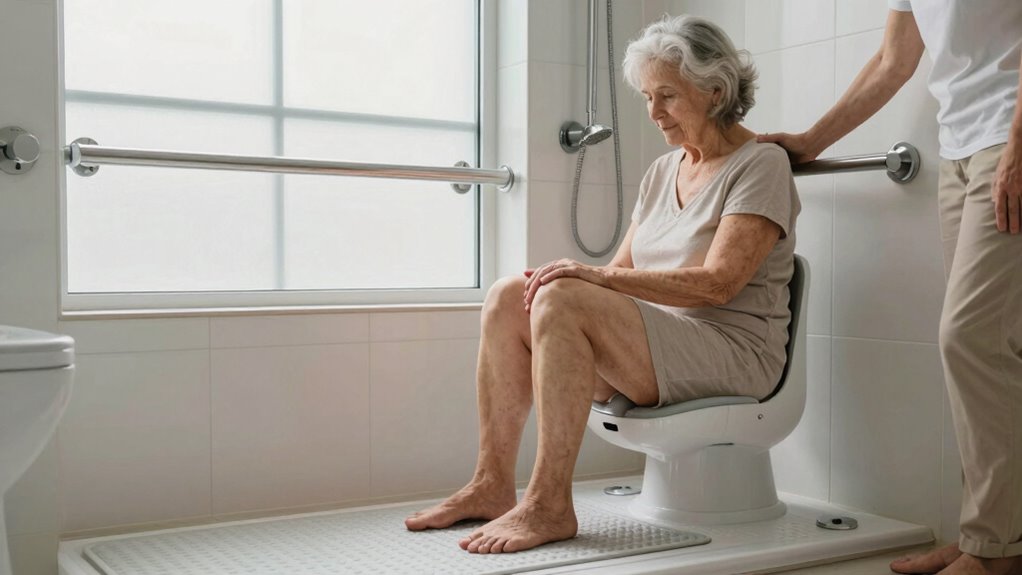
To make showers safer and easier, start by installing grab bars securely where you need support. Use non-slip mats to prevent falls, and always check that water temperature is comfortable before stepping in. These simple steps can help you feel more confident and reduce the risk of accidents.
Install Grab Bars Safely
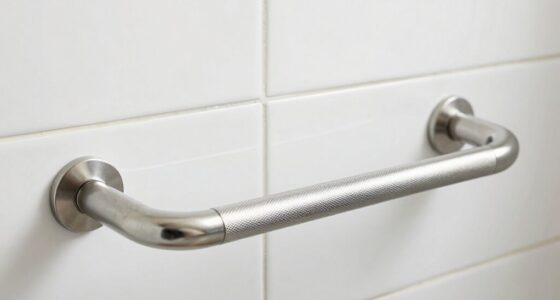
Installing grab bars correctly is essential for guaranteeing safety and stability in the shower. Properly mounted assistive devices support your bathing routines and reduce fall risks. To do this effectively:
- Choose sturdy, corrosion-resistant grab bars rated for weight support.
- Locate wall studs using a stud finder for secure anchoring.
- Drill pilot holes before attaching screws to prevent wall damage.
- Ensure bars are firmly secured and positioned at comfortable heights for easy grip.
Use Non-Slip Mats
Non-slip mats are a simple yet effective way to enhance shower safety by providing better traction underfoot. They improve shower accessibility by reducing the risk of slips and falls, making the space safer for seniors. Place non slip mats securely inside the shower to prevent movement, and choose ones with textured surfaces for maximum grip. Regularly clean the mats to prevent mold and soap buildup, which can compromise safety. Consider fitting the mats with suction cups or adhesive backing to keep them firmly in place. Non-slip mats are affordable and easy to install, giving you peace of mind during bath time. By adding this simple safety feature, you help seniors feel more confident and secure while showering.
Adjust Water Temperature
Adjusting the water temperature is a straightforward way to make showers safer and more comfortable. Proper temperature regulation helps prevent burns and ensures water safety. To do this effectively, consider these tips:
- Set the water heater to a maximum of 120°F (49°C) to prevent scalding.
- Use a thermometer to check the water temperature before stepping in.
- Install thermostatic mixing valves for consistent, safe water temperature.
- Always test the water with your hand or elbow before fully entering the shower.
How Caregivers Can Support Seniors in Maintaining Hygiene
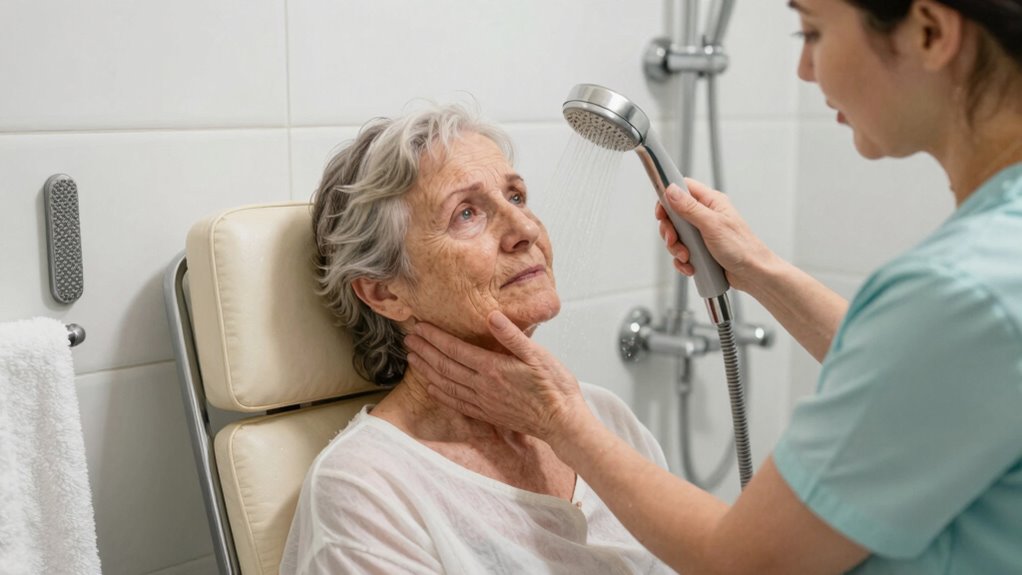
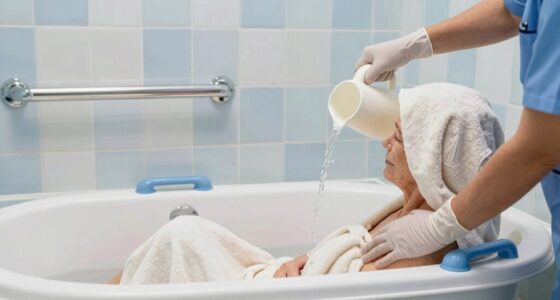
Helping seniors maintain hygiene can be challenging, especially when they’re hesitant to shower. You can support them by introducing assistive devices like grab bars, shower chairs, and handheld showerheads, making personal hygiene routines safer and more manageable. Encourage independence by involving them in choosing these tools, so they feel empowered rather than controlled. Be patient and offer gentle reassurance, emphasizing the importance of cleanliness for their health. Keep the environment comfortable, ensuring water temperature and lighting are appropriate. Offer to help with tasks they find difficult, but respect their privacy and autonomy. By providing practical solutions and emotional support, you help seniors maintain their personal hygiene and dignity, making shower time less stressful and more acceptable.
Frequently Asked Questions
What Are Some Signs Indicating a Senior Needs Help With Showering?
You’ll notice signs like missed showers, poor personal hygiene, or a change in appearance that suggest a senior needs help. They might seem more withdrawn or show emotional distress, affecting their well-being. Paying attention to these cues helps you support their personal hygiene and emotional health. Offering gentle encouragement and assistance can boost their confidence, ensuring they stay clean, comfortable, and emotionally well.
How Can Family Members Encourage Seniors to Shower Regularly?
You can motivate seniors to shower by respecting their privacy concerns and offering gentle encouragement. Use motivational strategies like creating a comfortable environment, giving choices, and emphasizing independence. Avoid rushing or pressuring them, as that backfires faster than soap in the eyes. Show understanding and patience, making them feel in control. After all, a little empathy and a dash of humor might just turn shower time into a splash of cooperation.
Are There Specific Assistive Devices That Can Improve Shower Safety?
You can improve shower safety for seniors by using assistive devices like non-slip mats and adjustable shower seats. Non-slip mats provide extra grip, preventing falls on wet surfaces, while adjustable shower seats offer stability and comfort, making it easier for seniors to sit while bathing. These devices help reduce anxiety about slipping and make showering safer and more manageable, encouraging regular hygiene routines.
How Do Cultural Beliefs Influence Seniors’ Attitudes Toward Bathing?
Think of bathing as a sacred ritual, symbolizing cleansing and renewal. Cultural beliefs often shape seniors’ attitudes toward bathing, with cultural taboos and traditional practices creating barriers. In some traditions, bathing may be reserved for specific moments or considered private, making seniors hesitant. To help, respect their beliefs, incorporate familiar routines, and create a comfortable environment that honors their cultural values, fostering trust and easing their bathing experience.
When Should Professional Home Care Services Be Considered for Bathing Assistance?
You should consider choosing professional care when evaluating bathing needs reveals safety concerns, mobility issues, or emotional discomfort. If your senior struggles with balance, has chronic health problems, or refuses showers despite encouragement, it’s time to seek help. Professional home care services can provide personalized assistance, ensuring your loved one stays clean and comfortable while maintaining dignity. Regular assessments help determine when additional support becomes essential.
Conclusion
By understanding the reasons behind their reluctance, you can create a safer, calmer space where your loved one feels secure. Imagine the warm glow of a well-lit shower, the steady grip of supportive grab bars, and their gentle reassurance calming fears. With patience and thoughtful adjustments, you help them reclaim dignity and independence. Together, you turn a challenging task into a moment of comfort, restoring their confidence one safe, caring step at a time.