TL;DR

Turn quiet afternoons into listening time
- Thousands of audiobooks, podcasts and originals
- Listen on your phone, tablet or Echo — also offline
- Cancel anytime
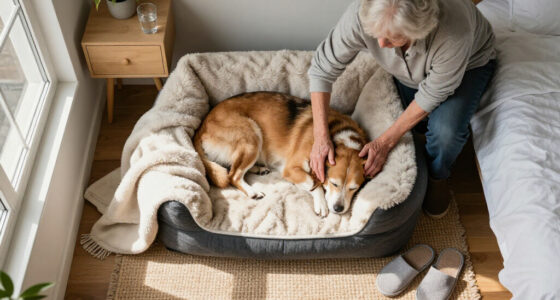
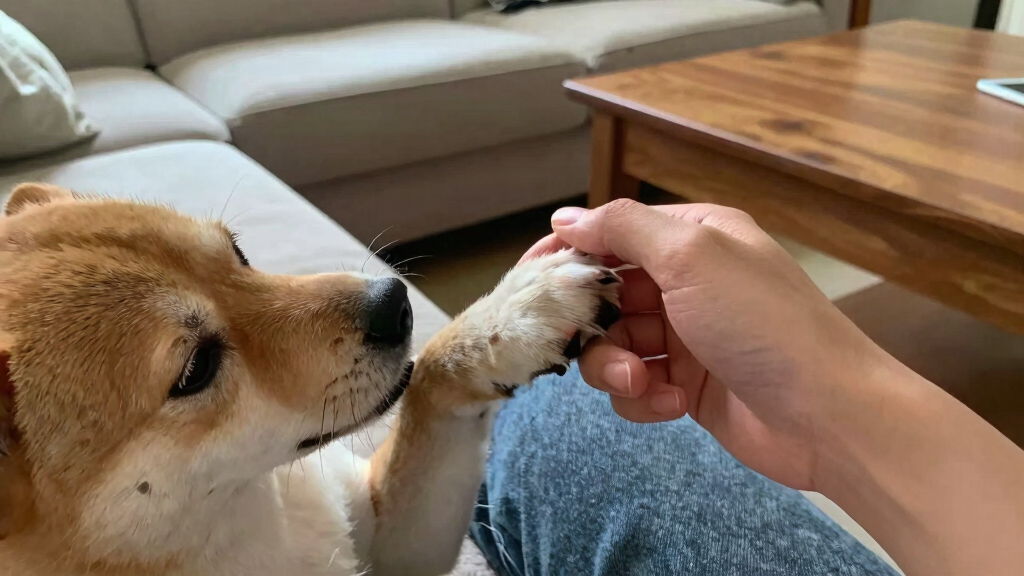
Dogs often nibble on their owners as a form of affection or bonding, not aggression. Veterinarians explain the behavior and how owners can respond if it becomes too much.
Veterinary experts confirm that when dogs nibble on their owners, it is generally a sign of affection or bonding, not aggression. This behavior, common among dogs of all ages, has often puzzled owners who wonder why their pets use their teeth in such gentle ways.
According to veterinarians, dog nibbling is usually a non-aggressive behavior that reflects affection or a natural grooming instinct. Dr. Carly Fox, senior veterinarian at Schwarzman Animal Medical Center, states that this behavior may also be linked to boredom, lack of mental stimulation, or teething in puppies. In some cases, nibbling might indicate discomfort or medical issues like allergies or fleas, especially if the dog is biting or scratching itself repeatedly.
Experts emphasize that if the nibbling is gentle and only directed at the owner, it is generally harmless and a form of communication. Dr. Alex Crow explains that this behavior is learned from mother dogs and is part of bonding. Owners are advised to monitor the behavior, especially if it becomes painful or persistent, and consult a veterinarian if there are signs of skin irritation or other health concerns.
Why It Matters
This behavior matters because it helps owners understand their dogs’ ways of communicating affection and needs. Recognizing that nibbling is a bonding gesture can improve owner-pet relationships. Conversely, if the behavior is excessive or causes discomfort, it may warrant behavioral training or medical evaluation, impacting pet health and well-being.
dog chew toys for teething puppies
As an affiliate, we earn on qualifying purchases.
As an affiliate, we earn on qualifying purchases.
Background
Dog nibbling as a form of affection is a well-documented behavior, often observed in puppies and adult dogs. It is rooted in their natural instincts and social bonding behaviors learned from their mothers. The behavior has gained attention on social media platforms like Reddit, where owners share their experiences and seek advice. Veterinarians have clarified that gentle nibbling is generally harmless but should be distinguished from signs of health issues or aggression.
“This behavior could be due to pruritis — aka itching — which is often secondary to allergies or fleas. It could also be a sign of discomfort, especially if they nibble the same spot on their bodies repeatedly.”
— Dr. Carly Fox
“The nibbling is a natural behavior that they learn from their mothers as puppies and plays a role in bonding.”
— Dr. Alex Crow
What Remains Unclear
It is not yet clear how frequently dogs nibble out of boredom versus genuine affection, or how owners can best distinguish between harmless behavior and signs of underlying health issues. Further research is ongoing.
What’s Next
Veterinarians recommend owners observe their dogs’ nibbling habits closely and consult a veterinarian if the behavior becomes painful, persistent, or is accompanied by other signs of discomfort. Future studies may clarify behavioral triggers and effective training methods.
Key Questions
Is dog nibbling always a sign of affection?
Not necessarily. While most nibbling is a sign of bonding or playfulness, excessive or aggressive nibbling could indicate discomfort or health issues. Monitoring the behavior and consulting a vet can help determine the cause.
How can I stop my dog from nibbling too hard?
You can redirect their attention with toys, provide mental stimulation, and use positive reinforcement to reward calm behavior. Consulting a professional trainer or veterinarian can also help develop effective strategies.
Should I be worried if my dog nibbles on itself?
Yes. If your dog is biting or scratching itself excessively, it could indicate allergies, parasites, or skin conditions. A veterinary exam is recommended to identify and treat underlying health issues.
Fall Picks
fall essentials
As an affiliate, we earn on qualifying purchases.