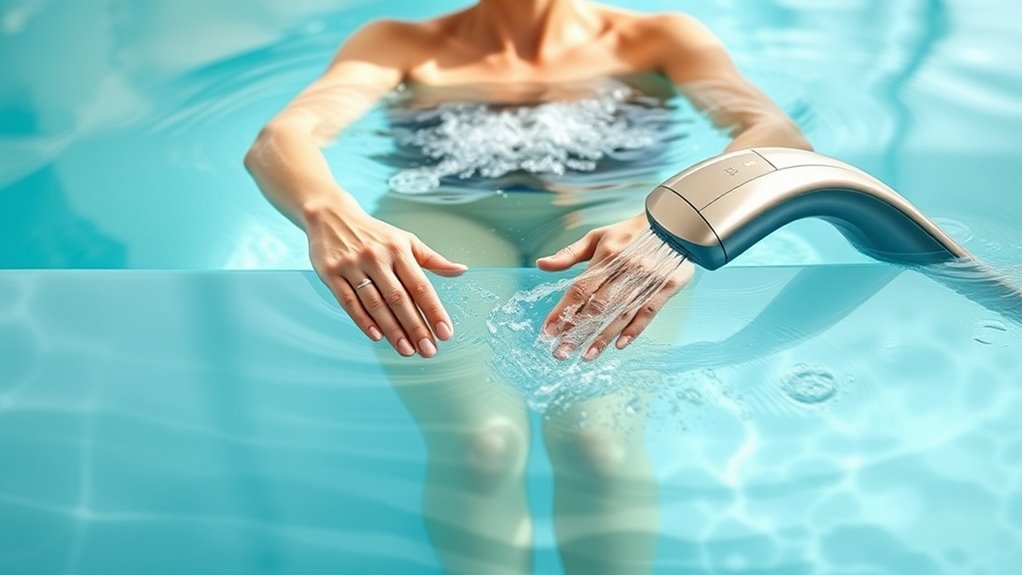

Contrast hydrotherapy alternates hot and cold water to stimulate circulation, reduce inflammation, and promote healing in arthritis. The hot water causes blood vessels to expand, while cold water constricts them, helping to decrease swelling and numb pain. Many people find it helpful for easing joint stiffness and improving mobility. While some evidence supports its benefits, results can vary. If you want to discover how to safely incorporate this therapy into your plan, keep exploring.
Key Takeaways
- Contrast hydrotherapy promotes circulation, which can help reduce joint swelling in arthritis.
- Alternating hot and cold water can decrease inflammation and improve joint fluid movement.
- Cold immersion constricts blood vessels, reducing swelling and easing pain during flare-ups.
- Regular use may accelerate removal of metabolic waste, lowering inflammation-related swelling.
- While some evidence supports swelling reduction, individual responses vary; consult a healthcare provider for personalized advice.
Understanding Contrast Hydrotherapy and Its Principles

Contrast hydrotherapy involves alternating between hot and cold water applications to stimulate circulation and promote healing. When you switch between the two temperatures, your blood vessels expand and constrict, which helps increase blood flow to affected areas. This process can reduce inflammation, ease muscle tension, and speed up recovery. The hot water relaxes muscles and stimulates blood vessels, while the cold water constricts them, reducing swelling and numbing pain. This cycle encourages your body to flush out toxins and deliver nutrients more efficiently. The temperature difference can also trigger the body’s innate vasomotor response, enhancing the therapeutic effect. You control the process, adjusting the temperature and duration based on your comfort and needs. Overall, this method harnesses your body’s natural responses to temperature changes, supporting your healing process and potentially easing symptoms like swelling and stiffness. Additionally, understanding the contrast mechanisms involved can help optimize treatment outcomes. Incorporating temperature regulation techniques can further enhance the effectiveness of hydrotherapy sessions. Engaging in proper hydrotherapy protocols can maximize benefits and minimize risks during treatment. Proper technique adherence is essential to achieve safe and effective results.
The Science Behind Temperature Therapy and Circulation

When you expose your skin to alternating hot and cold temperatures, your body responds by adjusting blood flow through the dilation and constriction of blood vessels. This process helps to stimulate circulation and can reduce inflammation. The heat causes blood vessels to expand, increasing blood flow and relaxing muscles. Cold constricts vessels, which can decrease swelling and numb pain. This cycle encourages the removal of metabolic waste and supplies oxygen and nutrients to tissues. Additionally, understanding the role of AI in healthcare can lead to improved therapies and diagnostics. Here are four key effects:
- Enhances blood circulation
- Reduces inflammation
- Promotes faster healing
- Eases muscle tension
Furthermore, temperature therapy can be tailored to individual needs, optimizing its benefits for conditions like arthritis. Incorporating traditional methods with evidence-based approaches can further improve outcomes for those seeking relief. Innovative treatment modalities continue to evolve, offering more personalized and effective options for managing symptoms. Research into biomedical innovations suggests that integrating technology can refine temperature therapy techniques, making them more precise and effective.
How Contrast Hydrotherapy May Impact Arthritis Symptoms

Contrast hydrotherapy can boost your circulation, helping to deliver more oxygen and nutrients to your joints. It may also reduce inflammation, easing swelling and stiffness. Additionally, the temperature changes can trigger pain relief mechanisms, providing some comfort during flare-ups. Moreover, the experience can be enhanced by creating a dog-friendly environment, making therapy sessions more enjoyable for both humans and their canine companions. Incorporating diversion techniques can further improve patient comfort during treatment. Engaging in mindfulness practices during therapy can help deepen relaxation and improve overall outcomes. As automation advances across industries, the integration of automated health therapies may become more widespread, offering new ways to manage chronic conditions like arthritis. Understanding skin sensitivity can help tailor hydrotherapy treatments to individual needs, ensuring safety and effectiveness.
Circulation Enhancement Benefits
Enhancing circulation through hydrotherapy can considerably influence arthritis symptoms by reducing stiffness and easing pain. Improved blood flow delivers more oxygen and nutrients to affected joints, promoting healing and flexibility. When you alternate between hot and cold water, your blood vessels expand and contract, stimulating circulation. This process can help flush out waste products and reduce joint discomfort.
Consider these benefits:
- Increased blood flow delivers essential nutrients to joints.
- Reduced joint stiffness from improved flexibility.
- Accelerated removal of metabolic waste products.
- Enhanced overall joint function and mobility.
Inflammation Reduction Potential
Contrast hydrotherapy may reduce inflammation in arthritic joints by modulating blood flow and immune responses. Alternating hot and cold treatments causes blood vessels to expand and constrict, which helps flush out inflammatory waste products and delivers fresh nutrients to affected tissues. The temperature shifts can also influence immune activity, potentially decreasing the production of inflammatory chemicals like cytokines and prostaglandins. This process may help calm swelling and reduce tissue irritation. By promoting improved circulation and immune regulation, contrast hydrotherapy targets underlying inflammation rather than just symptoms. While more research is needed, many users find these temperature variations beneficial in managing arthritis-related swelling. Overall, this therapy’s ability to influence inflammatory processes makes it a promising complementary approach for easing joint inflammation.
Pain Relief Mechanisms
By influencing blood flow and immune responses, contrast hydrotherapy can also help alleviate arthritis pain. The alternating hot and cold treatments stimulate your circulation, reducing stiffness and easing discomfort. It can also modulate nerve activity, decreasing pain signals. Additionally, the therapy may trigger the release of endorphins, your body’s natural painkillers, providing extra relief. Here are four ways it works:
- Increases circulation to remove pain-causing toxins
- Reduces muscle tension and stiffness
- Modulates nerve responses to lessen pain signals
- Promotes endorphin release for natural pain relief
Together, these mechanisms help improve mobility and decrease the sensation of pain, making contrast hydrotherapy a promising option for managing arthritis symptoms.
The Types of Arthritis That Could Benefit From Hydrotherapy
If you have rheumatoid arthritis, hydrotherapy can help reduce joint pain and improve mobility. People with osteoarthritis may also find relief through warm and cold treatments that ease stiffness. Additionally, those with psoriatic arthritis might experience decreased inflammation and better flexibility with regular hydrotherapy sessions. Using proper disposal practices can help prevent issues like plumbing clogs that could disrupt access to therapeutic facilities. Incorporating tuning modifications such as temperature variations in hydrotherapy can further enhance therapeutic outcomes for different types of arthritis.
Rheumatoid Arthritis Relief
Could hydrotherapy be an effective way to manage rheumatoid arthritis symptoms? It’s worth exploring, as many find relief through this method. Hydrotherapy can help reduce inflammation and improve joint function. Here are four ways it may benefit you:
- Eases joint stiffness and pain
- Enhances circulation and reduces swelling
- Promotes muscle relaxation
- Supports gentle movement without stress on joints
Osteoarthritis Symptom Management
Many people with osteoarthritis find that hydrotherapy offers meaningful relief from their symptoms. The warm water helps reduce joint stiffness and improves flexibility, making movement easier and less painful. Hydrotherapy also eases muscle tension around affected joints, decreasing overall discomfort. The buoyancy of water supports your body, lessening the stress on weight-bearing joints like hips and knees. Regular sessions can improve circulation, which promotes healing and reduces inflammation. Hydrotherapy’s gentle, low-impact nature makes it suitable for those with joint pain or limited mobility. While it’s especially effective for osteoarthritis of the knees, hips, and hands, many people find that it enhances their quality of life by enabling more comfortable activity and better joint function.
Psoriatic Arthritis Benefits
Hydrotherapy’s benefits extend beyond osteoarthritis to include psoriatic arthritis, offering relief for those experiencing joint inflammation and pain. If you have psoriatic arthritis, hydrotherapy can help reduce stiffness, improve mobility, and ease discomfort. The warm water promotes blood flow and relaxes muscles, making movement less painful. It also supports gentle exercise, which can maintain joint function.
Consider these benefits:
- Decreases joint stiffness and swelling
- Enhances muscle flexibility
- Improves circulation and healing
- Provides a low-impact workout that’s easier on your joints
Practical Steps to Incorporate Contrast Hydrotherapy Safely
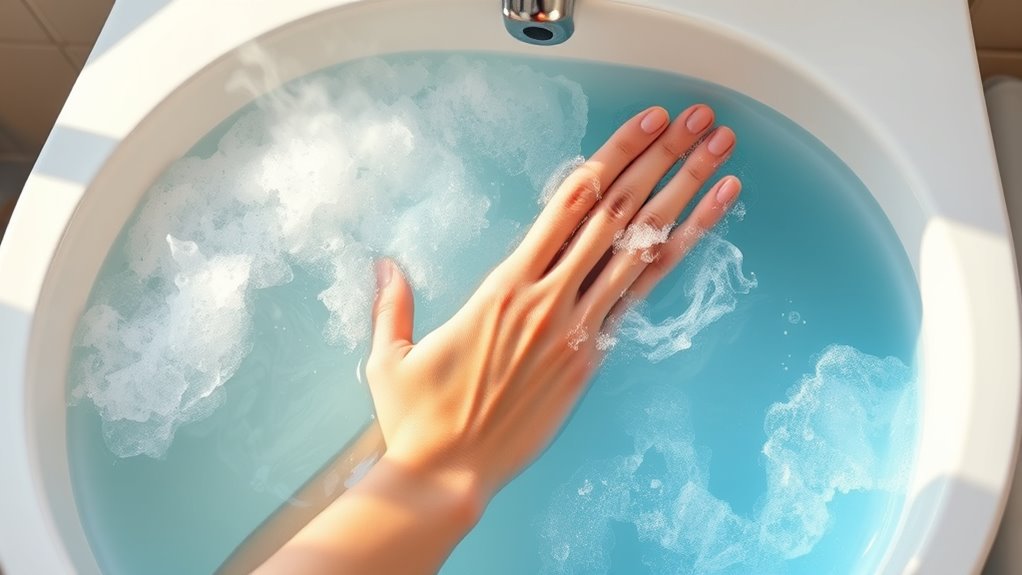
To safely incorporate contrast hydrotherapy into your routine, it’s essential to follow clear, step-by-step guidelines. First, prepare two basins: one with warm water (around 100°F or 38°C) and another with cold water (around 50°F or 10°C). Start by immersing the affected joint or area in warm water for 3-4 minutes to promote blood flow and relaxation. Then, switch to cold water for 30 seconds to constrict blood vessels. Alternate between the two for 3-4 cycles, ending with cold immersion. Always listen to your body—if you experience pain or discomfort, stop immediately. Never use water that’s too hot or cold, and consult your healthcare provider before starting, especially if you have circulation issues or other health concerns. Incorporating natural materials like linen or wood can also enhance your comfort during recovery. Monitoring air quality in your environment can help ensure a safe and beneficial hydrotherapy experience. Being aware of HEPA filtration can improve indoor air purity and create a healthier space for recovery. Additionally, understanding how to choose appropriate temperature settings can optimize the benefits of hydrotherapy and prevent adverse effects. Understanding Gold IRA options and how they work can help you make informed decisions if you’re considering diversifying your retirement investments.
Research Evidence Supporting or Questioning Its Effectiveness
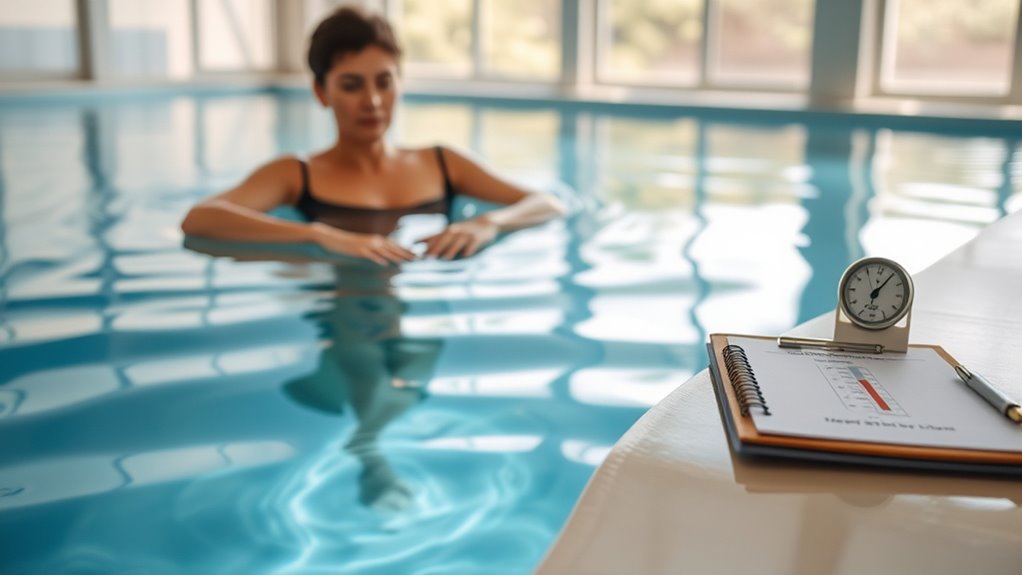
Research on the effectiveness of contrast hydrotherapy presents mixed results. Some studies show it can reduce arthritis swelling and improve joint mobility, while others find little to no benefit. Here are some key findings:
- Several small trials report decreased pain and swelling after consistent contrast treatments.
- Other research suggests improvements may be temporary and not substantially better than simple warm or cold therapy.
- Some studies highlight placebo effects, emphasizing the need for more rigorous research.
- Overall, evidence remains inconclusive, with variability depending on treatment protocols and individual responses.
- Incorporating space maximization strategies can help manage the physical and emotional impacts of arthritis by creating a more organized and accessible environment.
While some users notice relief, scientific support isn’t definitive. You should consider it as a complementary approach and consult healthcare professionals to determine if contrast hydrotherapy suits your needs.
Potential Risks and Precautions to Consider

Although contrast hydrotherapy can offer relief for some, it’s important to be aware of potential risks and take necessary precautions. Exposing your skin to extreme temperatures may cause burns or frostbite if not done carefully. People with circulatory issues, diabetes, or skin conditions should consult a healthcare professional before starting. Overdoing sessions might lead to skin irritation or increased inflammation. Always monitor your body’s response and avoid prolonged exposure to hot or cold water. For optimal safety, understanding AI Smasher can help tailor therapy approaches for different needs. Here’s a quick overview:
| Risk | Precaution |
|---|---|
| Burns or frostbite | Use temperature-controlled water, limit exposure time |
| Circulatory issues | Consult a doctor before use |
| Skin irritation | Test water temperature on small skin area |
| Increased inflammation | Follow recommended session durations |
| Overall health concerns | Seek professional guidance before starting |
Integrating Contrast Hydrotherapy Into Your Overall Arthritis Management Plan

Incorporating contrast hydrotherapy into your overall arthritis management plan can enhance your symptom relief and improve joint function. To do this effectively, consider these steps:
- Consult your healthcare provider to verify contrast hydrotherapy is suitable for you.
- Schedule regular sessions, ideally 2-3 times a week, to maintain consistent benefits.
- Combine hydrotherapy with other treatments like medication, exercise, and physical therapy for a holistic approach.
- Listen to your body—stop if you experience pain or discomfort, and adjust the temperature or duration accordingly.
Integrating hydrotherapy thoughtfully can complement your existing routines, helping reduce swelling and stiffness. Always prioritize safety, and work with your healthcare team to tailor the plan to your needs.
Frequently Asked Questions
Can Contrast Hydrotherapy Replace Medication for Arthritis Treatment?
You shouldn’t rely solely on contrast hydrotherapy to replace medication for arthritis. While it can help reduce swelling and relieve some pain, it isn’t a cure or substitute for prescribed treatments. Always consult your healthcare provider before making changes to your arthritis management plan. Combining therapies like hydrotherapy with medication might offer better relief, but your doctor’s guidance is vital to ensure safe and effective care.
How Long Should Each Hydrotherapy Session Last for Arthritis Relief?
For arthritis relief, you should aim for hydrotherapy sessions lasting about 15 to 20 minutes each. This duration allows your body to benefit from the temperature contrast without overexposure. You might start with shorter sessions and gradually increase the time as your body adapts. Always listen to your body and consult your healthcare provider to personalize the timing, ensuring you get the most relief safely.
Are There Specific Temperature Ranges Recommended for Arthritis Patients?
For arthritis patients, you should aim for warm water between 92°F and 98°F to relax muscles and reduce stiffness. Cold water, around 50°F to 60°F, can help decrease inflammation and swelling. When doing contrast hydrotherapy, alternate between these temperatures, typically starting with warm and switching to cold every 1-3 minutes. Always listen to your body and consult your healthcare provider for personalized guidance.
How Often Should Contrast Hydrotherapy Be Performed for Optimal Benefits?
Did you know that performing contrast hydrotherapy 2-3 times a week can considerably reduce arthritis pain? For maximum benefits, you should alternate hot and cold treatments every 15-20 minutes, making certain you don’t overdo it. Consistency is key, so stick to this schedule for several weeks. Always listen to your body, and consult your healthcare provider before starting any new therapy to make certain it’s safe for you.
Is Contrast Hydrotherapy Suitable for All Types of Arthritis?
You might wonder if contrast hydrotherapy suits all types of arthritis. While many find relief, it’s not ideal for everyone; conditions like infections, skin issues, or circulatory problems can make it unsafe. You should check with your healthcare provider before trying it, especially if you have rheumatoid arthritis, osteoarthritis, or other specific conditions. They can help determine if contrast hydrotherapy is a safe option for your particular situation.
Conclusion
While contrast hydrotherapy shows promise for easing arthritis swelling, it’s not a one-size-fits-all solution. Think of it as adding a helpful tool to your toolkit, but don’t rely on it alone. Always listen to your body and consult your healthcare provider before diving in. With patience and proper guidance, you can turn the tide in managing your symptoms and keep the ball rolling toward better comfort and mobility.