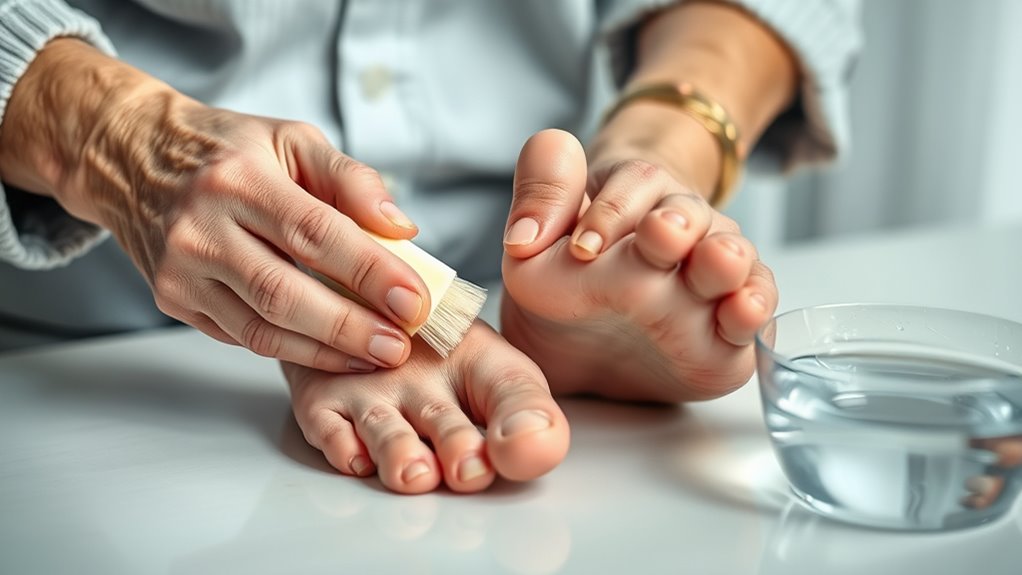

Taking good care of your feet is essential if you have diabetes, especially as you age. Daily check your feet for cuts, blisters, or redness, and keep them clean and dry. Wear comfortable, well-fitting shoes, avoid walking barefoot, and trim your toenails straight across. Maintain good blood sugar control and seek professional help if you notice problems. Staying proactive helps prevent serious complications—learn more about protecting your foot health each day.
Key Takeaways
- Inspect feet daily for cuts, blisters, redness, or swelling using mirrors or assistance.
- Maintain good foot hygiene by washing, drying thoroughly, and moisturizing without between toes.
- Wear well-fitting, breathable shoes with proper support; avoid walking barefoot or high heels.
- Seek prompt medical care for any foot injuries, persistent pain, or skin changes.
- Control blood sugar levels through diet, exercise, and lifestyle habits to prevent nerve and circulation damage.
Understanding the Importance of Foot Care in Diabetes Management
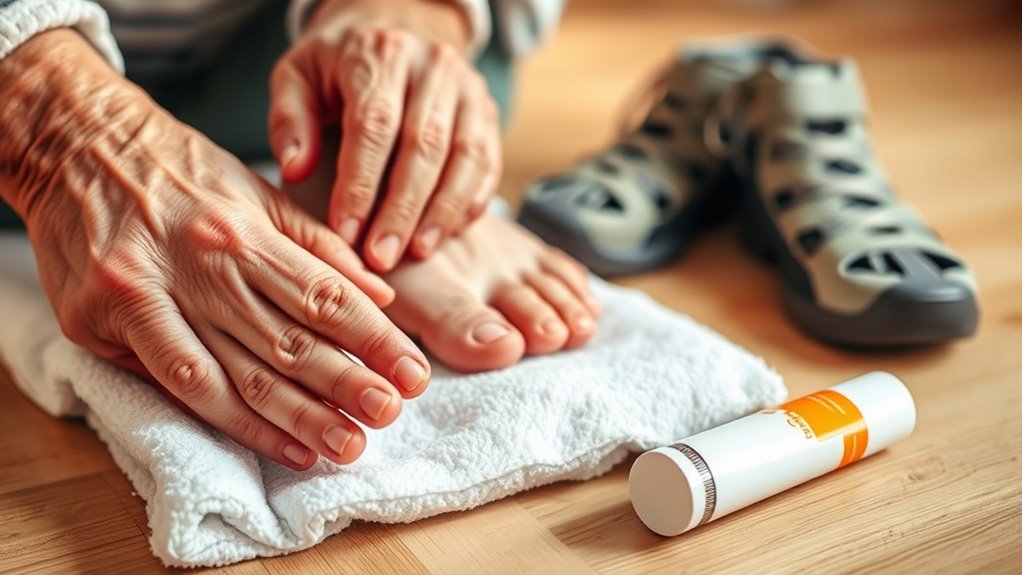
Because diabetes can affect your nerves and blood flow, taking proper care of your feet is essential. High blood sugar levels can damage nerves, leading to numbness or tingling, so you might not notice injuries or sores. Poor circulation reduces the body’s ability to heal cuts and infections, increasing the risk of complications. Without proper foot care, small issues can quickly become serious, potentially leading to infections or ulcers. Recognizing the importance of foot health helps you prevent problems before they escalate. Regularly caring for your feet, keeping them clean and dry, and being aware of any changes can make a significant difference. Additionally, understanding the role of contrast ratio can help you appreciate how visual quality impacts your overall viewing experience, emphasizing the importance of attention to detail in maintaining good health. Being aware of diabetic foot risks can further motivate you to adopt preventative measures and seek timely medical care. Staying vigilant and proactive empowers you to avoid complications and maintain better overall health.
Daily Foot Inspection Techniques for Older Adults

To keep your feet healthy, use a mirror or ask someone to help you inspect them daily. Look for skin changes like redness, blisters, or cuts, and note any abnormalities. Keep a record of what you see and report any concerns to your healthcare provider promptly. Regular skin monitoring can help detect problems early and prevent complications. Additionally, being aware of vetted products designed for foot care can support maintaining healthy skin and prevent issues. Investing in top farmhouse kitchen cabinets can also improve your home’s comfort and accessibility, encouraging regular foot care routines. Recognizing the importance of fatherly guidance in health routines can also encourage consistent foot care habits. Understanding trust issues in relationships can lead to better communication and emotional support, which may indirectly improve overall well-being.
Proper Inspection Tools
Using the right inspection tools makes daily foot checks easier and more effective for older adults. A good mirror with a long handle allows you to see the bottoms of your feet clearly without bending or straining. A handheld mirror can help you examine hard-to-see areas, like between your toes. Use a flashlight if needed to improve visibility in dimly lit areas. A clean, dry towel or cloth can help lift and hold your feet during inspection. Keep your tools within reach in a well-lit, comfortable space to encourage daily routine. These tools help you identify potential problems early, such as cuts, blisters, or swelling, so you can seek prompt care. Proper tools make self-inspection safer, more thorough, and more manageable.
Spotting Skin Changes
Regularly checking your feet for skin changes is essential to catch problems early. Look for redness, blisters, cuts, or dry, cracked skin. These signs can indicate infection or pressure points that need attention. Use a mirror if needed to inspect difficult areas. Pay special attention to areas between toes and the soles of your feet. Here’s a helpful reminder:
| Skin Change | What to Look For | Action |
|---|---|---|
| Redness or swelling | Inflammation or infection | Seek medical advice |
| Dry, cracked skin | Potential for sores | Moisturize and report |
| Blisters or cuts | Open wounds | Clean, protect, see provider |
Early detection helps prevent complications, so stay vigilant with your daily foot inspections.
Recording and Reporting
Keeping a detailed record of your daily foot inspections helps you notice patterns and spot recurring issues early. Use a dedicated journal or digital app to note any changes, redness, blisters, cuts, or swelling. Record the date, time, and specific observations, including the location and severity. Reporting these notes to your healthcare provider ensures they understand your foot health and can recommend appropriate actions. Consistent documentation makes it easier to track progress or identify worsening symptoms. If you notice persistent problems or new concerns, don’t delay in sharing this information with your healthcare team. Accurate recording promotes proactive care, helps prevent complications, and ensures you stay on top of your foot health. Regular reporting is key to maintaining safe, effective foot care routines.
Proper Foot Hygiene and Skin Care Practices

Maintaining proper foot hygiene and skin care is essential for preventing complications in people with diabetes. You should wash your feet daily with warm water and mild soap, then gently dry them, especially between toes. Apply moisturizer to prevent dry, cracked skin, but avoid applying it between toes to reduce moisture buildup. Regularly inspect your feet for cuts, blisters, or redness. If you notice any issues, seek medical advice promptly. Proper skin care reduces infection risk and maintains healthy skin.
| Key Practice | Why It Matters |
|---|---|
| Daily washing and drying | Prevents infections and fungal growth |
| Moisturizing | Keeps skin supple and prevents cracks |
| Regular foot inspection | Detects problems early |
| Avoiding harsh products | Protects skin from irritation |
Choosing Appropriate Footwear to Prevent Injuries
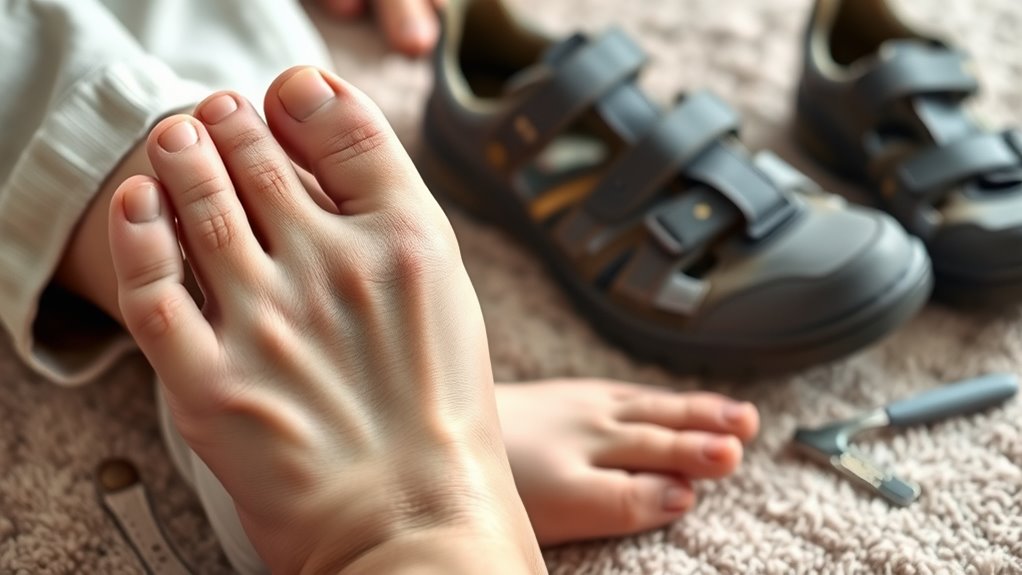
Choosing the right footwear is essential for preventing foot injuries in people with diabetes. Proper shoes protect your feet from cuts, blisters, and pressure points that can lead to ulcers. When selecting footwear, focus on comfort, support, and fit. Here are four key tips:
- Choose shoes with a wide toe box to avoid squeezing your toes.
- Opt for shoes with cushioning to absorb impact and reduce pressure.
- Ensure shoes fit well—neither too tight nor too loose—to prevent rubbing and blisters.
- Avoid high heels and shoes with pointed toes that can cause unnecessary stress on your feet.
- Consider styles and materials that align with preppy fashion trends to combine safety with style. Additionally, selecting shoes made from breathable materials can help maintain foot health and prevent excessive moisture buildup.
Managing Blood Sugar Levels to Protect Foot Health

Controlling your blood sugar levels is essential for protecting your foot health, as high blood sugar can damage nerves and blood vessels over time. When your blood sugar stays within target ranges, you reduce the risk of nerve damage (neuropathy) and poor circulation, which can lead to foot ulcers and infections. Make sure to follow your healthcare provider’s recommendations for medication, diet, and exercise. Regularly monitor your blood sugar levels at home to catch any spikes early. Maintaining steady blood sugar levels helps keep nerves and blood vessels healthy, reducing the chances of foot problems developing silently. Engaging in aquatic exercise can be a safe and effective way to manage blood sugar levels while minimizing joint stress. Incorporating nutritional support such as a balanced diet rich in fiber and low in processed sugars can further aid in blood sugar regulation. Understanding diabetic complications is crucial for taking proactive steps to prevent serious foot issues. Additionally, staying informed about foot care practices can help detect early signs of problems before they worsen. Consistency is key; even small daily efforts can considerably lower your risk of serious foot complications down the line.
Recognizing Signs of Foot Problems Early

You should regularly examine your feet for any changes or injuries. Look for cuts, blisters, redness, swelling, or sores that don’t heal quickly. Noticing these early signs helps you get prompt care and prevent serious complications. Additionally, using self watering plant pots methods can help reduce the risk of further injury or irritation to your feet.
Visual Inspection Techniques
Since early detection is key to preventing serious foot complications, learning to perform a thorough visual inspection is essential. Regularly examine your feet for signs of trouble, even if you don’t feel pain. Use a mirror if needed to see hard-to-reach areas. Check for these key indicators:
- Redness or swelling that persists
- Cuts, blisters, or sores that won’t heal
- Cracks, dryness, or peeling skin
- Unusual changes in skin color or texture
Look closely at the spaces between toes and the soles. If you notice anything unusual, don’t ignore it. Early recognition allows you to address issues before they worsen. Making this inspection a routine helps you stay aware of your foot health and catch problems early.
Noticing Unusual Symptoms
Early detection of foot problems hinges on recognizing unusual symptoms promptly. Pay attention to any changes in how your feet feel or look. If you notice pain, tingling, or numbness, don’t ignore it. Look for signs like swelling, redness, or warmth, which could indicate infection or inflammation. Watch for blisters, cuts, or sores that won’t heal, as these can worsen quickly. Be alert to changes in skin color, texture, or the development of dry, cracked skin. If your feet feel unusually tender or you notice a foul smell, seek medical advice immediately. Early recognition of these symptoms helps prevent serious complications. Regularly check your feet and report any unusual signs to your healthcare provider without delay.
When and How to Seek Professional Foot Care
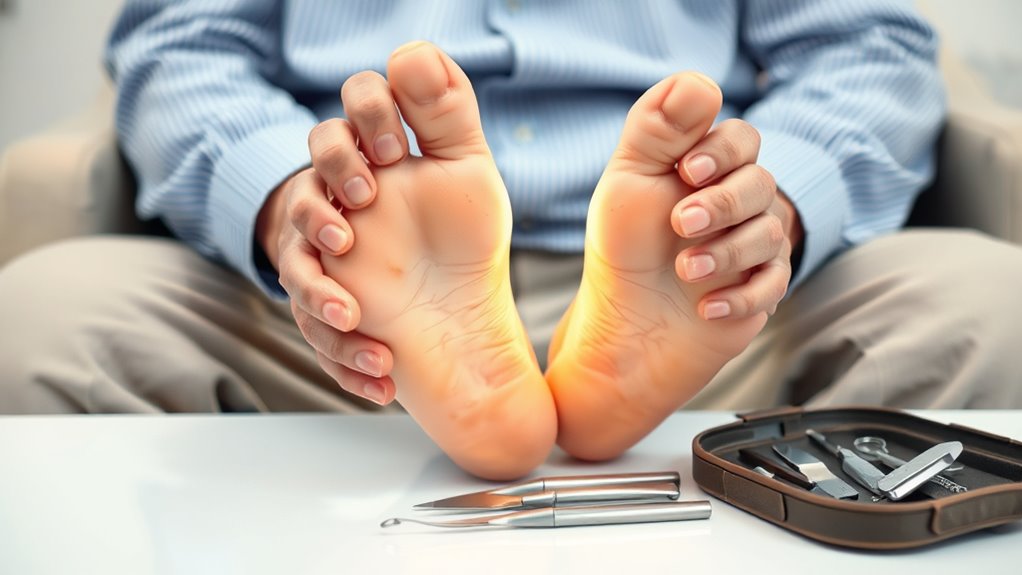
Knowing when to seek professional foot care is crucial for managing diabetes effectively. You should see a foot specialist if you notice any of these signs:
- Persistent pain or discomfort in your feet or toes
- Cuts, blisters, or sores that won’t heal within a week
- Changes in skin color, temperature, or swelling
- Numbness, tingling, or loss of sensation in your feet. Recognizing early warning signs can help prevent complications and ensure timely treatment. Seeking care early prevents minor issues from becoming serious complications. Contact a healthcare professional if you’re unsure about a foot problem or if you experience any of these symptoms. Regular foot exams are also essential, especially if you have other risk factors like poor circulation or nerve damage. Proper sound design techniques can improve your understanding of foot anatomy and help in early detection of problems. Understanding the importance of foot health and taking proactive steps can significantly reduce the risk of infections or ulcers. Additionally, being aware of retail hours for local clinics or pharmacies can ensure you access necessary supplies or care without delay. Early intervention is key to preventing long-term damage and maintaining mobility. Prompt action keeps your feet healthy and helps avoid infections or ulcers, especially when combined with contemporary medical practices that support comprehensive foot care.
Tips for Preventing Foot Ulcers and Infections

Protecting your feet from ulcers and infections requires proactive steps, especially if you have diabetes. Start by inspecting your feet daily for cuts, blisters, redness, or swelling. Keep your feet clean and dry, and wash them with lukewarm water, avoiding soaking. Moisturize your feet to prevent cracked skin, but avoid applying lotion between your toes. Wear well-fitting, breathable shoes and clean socks daily to prevent irritation and moisture buildup. Never walk barefoot, even at home, to avoid injuries. Trim your toenails carefully and straight across. If you notice any cuts, blisters, or signs of infection, seek prompt medical attention. Regular foot exams by a healthcare professional can catch problems early and help prevent ulcers and infections from developing. Additionally, understanding family photoshoot fails can remind you of the importance of staying alert to potential hazards that could lead to foot injuries, especially in home environments. Incorporating glycolic acid into your skincare routine may help improve your skin’s overall health and resilience, reducing the risk of skin breakdown. Staying informed about smart footwear options can also contribute to better foot health and injury prevention. Recognizing the significance of professional foot care can further support your efforts in maintaining foot health and preventing complications.
Lifestyle Habits to Support Long-Term Foot Health

Maintaining good foot health over the long term goes beyond daily inspections and proper footwear; it also depends on adopting healthy lifestyle habits. Your daily choices can considerably impact your foot health and help prevent complications. Here are four key habits to support long-term foot wellness:
- Stay active with low-impact exercises to improve circulation and strengthen your feet.
- Keep your blood sugar levels in check to reduce nerve and blood vessel damage.
- Maintain a balanced diet rich in nutrients that promote tissue health and healing.
- Avoid smoking, as it impairs circulation and delays healing processes.
Frequently Asked Questions
How Often Should Older Adults See a Podiatrist for Foot Checks?
You should see a podiatrist at least once a year for regular foot checks. If you have diabetes or other risk factors, more frequent visits—every 3 to 6 months—are recommended to catch potential issues early. Regular foot exams help prevent complications like sores, infections, or ulcers. Keep an eye on your foot health and schedule visits promptly if you notice any changes or concerns.
Are There Specific Exercises to Improve Foot Strength and Circulation?
Did you know that regular foot exercises can improve circulation and strength? To boost your foot health, try simple stretches like toe raises, ankle circles, and toe curls daily. Walking barefoot on soft surfaces also helps. These activities increase blood flow, reduce stiffness, and strengthen muscles, lowering the risk of foot problems. Incorporate these exercises into your routine to maintain healthy, strong feet as you age.
Can Dietary Changes Impact Foot Health in Diabetics?
Yes, dietary changes can markedly impact foot health in diabetics. When you eat a balanced diet rich in fiber, healthy fats, and lean proteins, you help control blood sugar levels, which reduces nerve and blood vessel damage. Avoiding processed foods and sugars minimizes inflammation and promotes better circulation. These adjustments support overall foot health by preventing complications like infections, sores, and ulcers, keeping your feet healthier longer.
What Are the Risks of Walking Barefoot With Diabetes?
Walking barefoot with diabetes increases your risk of cuts, sores, and infections because high blood sugar can impair your foot’s healing ability. You might not notice minor injuries, which can quickly become serious if left untreated. Without proper footwear, you also risk stepping on sharp objects or developing blisters. To protect your foot health, always wear shoes or slippers, and check your feet daily for any signs of injury.
How Can Caregivers Assist With Foot Care for Seniors With Limited Mobility?
You can assist seniors with limited mobility by regularly inspecting their feet for cuts, blisters, or redness, and helping them clean and moisturize their feet daily. Make sure they wear well-fitting shoes and avoid walking barefoot. Encourage them to see a healthcare professional for routine foot exams. Your support guarantees their foot health stays protected, reducing risks of infections or ulcers that could worsen due to limited mobility.
Conclusion
Taking good care of your feet is key to managing diabetes and avoiding serious complications. Regular inspections, proper hygiene, and wearing the right shoes can make a big difference. Keep your blood sugar in check and act quickly if you notice any issues—think of it as your own personal quest, like a knight in shining armor. Stay vigilant, and your feet will thank you for years to come!