
When you hit a recovery plateau after a stroke, it’s important to reassess your goals and celebrate small wins. Adjust your expectations, focus on achievable micro-goals, and incorporate new techniques or tools to challenge yourself. Stay patient, persistent, and surround yourself with support. Remember, setbacks are part of the process. If you keep pushing forward, you’ll find new areas of progress and motivation to sustain your long-term recovery efforts.
Key Takeaways
- Reassess and adjust goals to reflect current abilities and realistic expectations during recovery plateaus.
- Focus on setting small, achievable micro-goals to maintain motivation and demonstrate ongoing progress.
- Emphasize process-oriented goals that prioritize functional improvements over perfection.
- Use objective tracking to identify progress and areas needing strategy adjustments.
- Cultivate patience and resilience, recognizing setbacks as normal parts of long-term recovery.
Recognizing the Signs of a Recovery Plateau

Recovery progress after a stroke can sometimes slow down or seem to stall altogether. You might notice that your improvements in mobility, speech, or daily activities have plateaued for weeks or even months. Despite consistent effort, you may feel frustrated or discouraged. You might also observe that tasks which once improved now feel more challenging, or that your energy levels remain unchanged. These signs indicate you’re hitting a recovery plateau. It’s important to recognize these patterns early so you don’t lose motivation. Keep track of your progress, noting when improvements slow or stop. Understanding these signs helps you prepare mentally and physically, allowing you to adjust your approach or seek support, rather than feeling stuck or giving up. Monitoring progress is a crucial aspect of managing a long‑term recovery. Recognizing the importance of patience can help maintain your motivation during these challenging phases. Additionally, incorporating adaptive strategies such as alternative therapies or modified exercises can support continued progress despite plateaus. Being aware of the role of contrast ratio and color accuracy in visual tools can also aid in creating motivating and engaging therapy environments. Furthermore, understanding how AI in education can personalize learning approaches may inspire innovative ways to incorporate adaptive techniques into therapy routines.
Reassessing Your Current Goals and Progress

When progress stalls or slows, it’s essential to pause and reassess your current goals and how far you’ve come. Take a moment to reflect on your achievements, no matter how small, and evaluate whether your goals still feel realistic or need adjusting. Consider what strategies have worked and where you might need to change your approach. Are your goals specific, measurable, and motivating? Reassessing isn’t about giving up but about realigning your objectives with your current abilities and circumstances. Track your progress objectively, noting improvements and setbacks. This honest review helps you identify new focus areas, set more achievable targets, and stay motivated. Regularly revisiting your goals keeps you engaged and ensures your recovery journey remains purposeful. Incorporating organization and decluttering methods can also help you create a more structured environment that supports your ongoing progress. Additionally, understanding the importance of nutrient-rich ingredients can inspire you to choose foods and drinks that complement your recovery efforts. Recognizing the role of positive communication can further enhance your support system and emotional resilience during recovery. Moreover, cultivating a creative practice can provide a constructive outlet for expression and stress relief, contributing positively to your overall well-being. Consulting with experienced divorce attorneys or legal resources can also help you navigate complex situations more effectively, ensuring your goals remain clear and achievable amid life changes.
Embracing Patience and Persistence in Healing

Healing takes time, so it’s important to manage your expectations realistically and stay patient through setbacks. Keeping yourself motivated over the long haul requires flexibility and adapting your goals as you progress. By embracing persistence, you’ll build resilience and continue moving forward, even when progress feels slow.
Managing Expectations Effectively
Because stroke recovery often takes longer than expected, embracing patience and persistence becomes essential. Managing your expectations helps you stay realistic about progress, preventing frustration when improvements slow down. Understand that setbacks are normal and part of the process, not signs of failure. Focus on small milestones and celebrate each achievement, no matter how minor. Keep in mind that recovery isn’t linear; some days will be better than others. Setting flexible goals allows you to adapt as your abilities change. By maintaining a balanced outlook, you reduce disappointment and stay motivated. Remember, healing takes time, and persistence is key. Staying patient and realistic will help you navigate challenges with resilience, making your long-term recovery more manageable and less overwhelming.
Staying Motivated Over Time
Staying motivated over time can be challenging, especially when progress feels slow or setbacks occur. It’s normal to feel frustrated or discouraged, but remember that healing isn’t a straight line. Celebrate small victories—they add up over time and remind you of your resilience. Keep focusing on your long-term goals, and recognize that setbacks are part of the process. Cultivate patience by acknowledging that recovery takes time and effort. Persistence is key; even when progress stalls, sticking with your routine helps build strength and confidence. Surround yourself with support, whether from loved ones or healthcare professionals, who can provide encouragement. By embracing patience and persistence, you strengthen your resolve and stay committed to your recovery journey.
Adapting Goals Flexibly
As you work toward your recovery goals, being flexible is essential to adapting to new challenges and progress levels. You might find some days easier, others frustrating. Embracing patience and persistence helps you stay resilient. Adjust your goals as needed—what once seemed impossible may become achievable with time. Celebrate small wins and recognize setbacks as part of the process. Remember, healing isn’t linear, and flexibility keeps you moving forward.
- Find strength in every small victory, no matter how minor
- Accept setbacks as lessons, not failures
- Adjust your expectations without losing hope
- Recognize progress that may look different than before
- Stay committed, even when progress feels slow or stalled
Exploring New Areas of Focus and Improvement

Exploring new areas of focus and improvement is essential for sustaining progress in long-term stroke recovery. When you hit a plateau, shifting your attention to different skills or activities can reignite motivation and promote further growth. Consider areas you previously overlooked or set aside due to challenges. For example, if you’ve mastered basic mobility, you might explore fine motor skills or cognitive tasks. Trying new activities also helps prevent frustration and boredom, keeping your recovery engaging. Reflect on your goals and identify aspects you’d like to improve or new skills you want to develop. This approach keeps you proactive and adaptable, ensuring your recovery journey continues to evolve. Additionally, understanding potential pitfalls in adopting new techniques can prepare you to navigate challenges effectively. Incorporating AI in Business strategies, like analyzing feedback to tailor your recovery plan, can offer personalized insights to optimize progress. Utilizing AI security measures to protect your digital health data ensures your privacy and safety as you explore new strategies. Embracing change and exploring fresh avenues can help you break through stagnation and achieve meaningful progress. Recognizing the importance of maintaining motivation and staying committed to your new focus areas can significantly impact your long-term success. Furthermore, exploring personalized approaches informed by recent research can enhance your recovery outcomes.
Incorporating Adaptive Techniques and Tools

Incorporating adaptive techniques and tools is a practical way to enhance your recovery process and overcome ongoing challenges. These resources help you regain independence, boost confidence, and push past limitations. By embracing technology and innovative strategies, you can tailor your rehabilitation to fit your unique needs. Adaptive tools like assistive devices, specialized software, or modified equipment can make daily tasks more manageable. They also serve as reminders of your resilience and progress. Using these tools empowers you to stay motivated and proactive in your journey. Remember, small adjustments can lead to significant improvements. Keeping up with technological advancements can provide new opportunities for effective rehabilitation. Keep exploring options that resonate with you and align with your goals. Incorporating vetted products ensures safety and effectiveness in your recovery. Recognizing the importance of breed-specific names can also add a personalized touch to your support system. Your persistence combined with adaptive techniques can reignite your recovery momentum.
Building a Support System for Motivation and Accountability
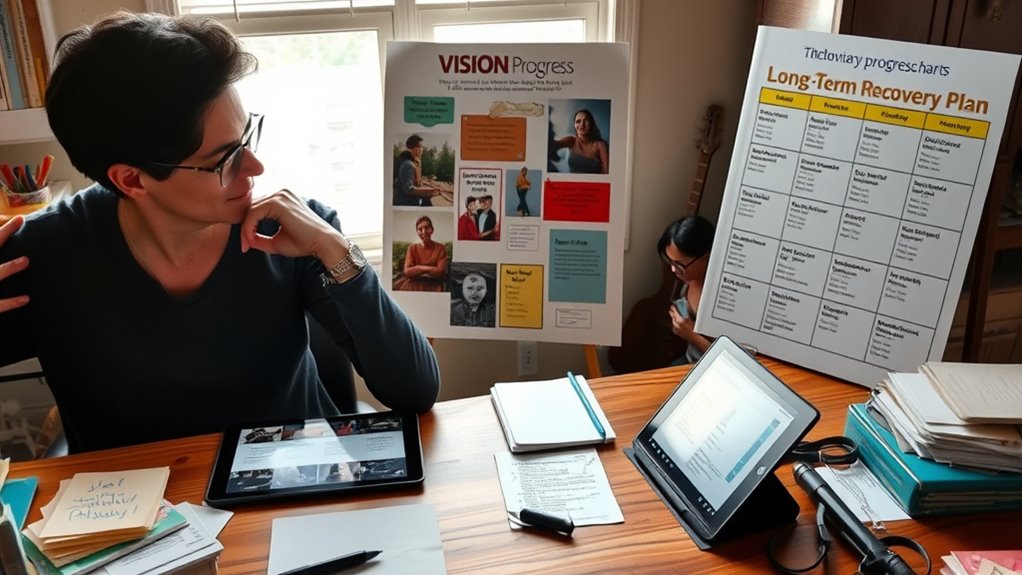
Building a strong support system is essential for maintaining motivation and staying accountable throughout your stroke recovery journey. Surround yourself with people who understand your goals and can offer encouragement when progress stalls. Family, friends, therapists, and support groups provide emotional reassurance and practical advice, helping you stay focused and resilient. Communicate your needs clearly and ask for specific help when needed, whether it’s a pep talk or assistance with exercises. Celebrate small wins together to boost your confidence. Remember, accountability partners can keep you on track and remind you of your purpose when motivation dips. Building this network creates a safety net that sustains your efforts, making long-term recovery feel more manageable and less lonely.
Setting Micro-Goals to Reignite Momentum

After establishing a strong support system, focusing on smaller, manageable steps can keep your motivation alive. Setting micro-goals helps you break down overwhelming tasks into achievable actions, giving you a sense of progress and control. These tiny victories can reignite your spark and push you forward, even when everything feels stagnant. Incorporating electric bike features into your planning can also inspire you to explore new ways to stay active and motivated. Understanding retirement planning strategies and how to adapt them can further support your journey toward recovery and independence. Recognizing the importance of goal setting techniques tailored to long-term recovery can enhance your resilience and commitment.
Remember, each micro-goal is a step toward reclaiming independence and confidence. Celebrate these small achievements, knowing they build momentum for bigger change.
Celebrating Small Wins to Foster Confidence

Celebrating your small wins each day helps build your confidence and keeps you motivated. Share your achievements with friends, family, or your support team to reinforce your progress. Recognizing daily improvements makes your long-term recovery feel more manageable and rewarding. Incorporating positive reinforcement into your routine can further enhance your emotional well-being during recovery, especially when dealing with emotional challenges like narcissistic manipulation. Recognizing the impact of encouragement can inspire continued perseverance and resilience throughout your recovery journey. Additionally, setting realistic goals and avoiding investment scams can help maintain focus and peace of mind during this process.
Recognize Daily Progress
Recognizing your daily progress is a vital part of long-term stroke recovery because it helps you stay motivated and focused on your goals. Celebrating small wins boosts your confidence and reminds you of how far you’ve come. Every effort, no matter how minor, adds up over time. By acknowledging these moments, you reinforce your resilience and commitment.
Here are some ways to recognize your daily progress:
- Noticing improved strength or mobility
- Tracking increased independence in daily tasks
- Celebrating the ability to complete a difficult activity
- Feeling more confident in your movements
- Reflecting on moments of reduced frustration or fatigue
Focusing on these small victories keeps your spirits high, fuels your motivation, and strengthens your belief that long-term recovery is possible.
Share Achievements Often
Sharing your achievements frequently reinforces your progress and keeps your motivation high. When you celebrate small wins, you remind yourself that even gradual improvements matter. Whether you’ve regained a bit of strength, mastered a new movement, or simply completed a daily task, acknowledging these successes boosts your confidence. Sharing these moments with friends, family, or your support team helps create a positive cycle of encouragement. It’s easy to overlook progress during a plateau, but recognizing small achievements keeps your focus on growth. Regularly celebrating these milestones fuels your determination to continue working toward your long-term goals. Remember, every step forward, no matter how small, is a sign of progress worth acknowledging. Keep highlighting your wins to stay motivated and resilient on your recovery journey.
Seeking Professional Guidance for Advanced Strategies

Seeking professional guidance is essential when developing advanced strategies for long-term stroke recovery. Experts can help identify new approaches tailored to your unique needs, ensuring you push past plateaus safely. They bring valuable experience, knowledge, and tools to optimize your progress and prevent setbacks. With their support, you gain confidence and motivation, knowing you’re on the right path.
Consider these emotional motivators:
- Rediscover hope as you break through limitations
- Feel empowered by expert guidance and personalized plans
- Experience renewed determination to reach your goals
- Overcome frustration with targeted, effective strategies
- Celebrate small wins on your journey to recovery
Maintaining a Positive Mindset During Challenging Times

Maintaining a positive mindset during challenging times is essential for long-term stroke recovery because your mental outlook directly influences motivation and resilience. When setbacks occur, focus on small victories and progress rather than dwelling on limitations. Remind yourself of your strengths and past achievements to boost confidence. Practice self-compassion, understanding that recovery takes time and effort. Surround yourself with supportive people who uplift you and provide encouragement. Incorporate mindfulness or relaxation techniques to manage stress and stay centered. Keep your goals realistic and flexible, adapting as needed without losing sight of your overall purpose. Staying optimistic helps you push through difficult moments, fueling persistence and fostering a mindset that’s focused on growth and possibility.
Frequently Asked Questions
How Can I Stay Motivated When Progress Stalls Unexpectedly?
When progress stalls unexpectedly, you might feel discouraged, but you can stay motivated by focusing on small wins and celebrating every improvement. Remind yourself of your long-term goals and the progress you’ve already made. Try mixing up your routine to keep things fresh and seek support from friends, family, or your therapist. Staying positive and persistent helps you push through setbacks and keeps your motivation alive.
What Lifestyle Changes Support Long-Term Stroke Recovery?
You can support your long-term stroke recovery by adopting healthy lifestyle habits. Focus on balanced nutrition, regular gentle exercise, and enough rest to boost your energy and healing. Avoid smoking and limit alcohol, as they can hinder progress. Stay socially active and engaged, which boosts your mood and motivation. Consistently follow your therapy plan, and communicate with your healthcare team to adjust your routine as needed for ideal recovery.
Are There Alternative Therapies for Overcoming Recovery Plateaus?
You’re facing a recovery plateau, but don’t lose hope—there are alternative therapies that can help. Techniques like acupuncture, massage therapy, or brain stimulation may break through barriers. You might also explore music or art therapy, which can stimulate neural pathways differently. These approaches can be game-changers, offering fresh momentum in your recovery journey. Always consult your healthcare team to find the safest, most effective options for you.
How Do I Balance Optimism With Practical Expectations?
You want to find the right balance between hope and realism. Stay optimistic about your progress, but also set practical, achievable goals. Celebrate small wins to stay motivated, and recognize setbacks as part of the process. Keep communication open with your healthcare team to adjust expectations as needed. By staying positive yet grounded, you maintain resilience and focus on steady improvement without feeling overwhelmed or discouraged.
When Should I Consider Adjusting My Recovery Timeline?
Sure, because who wouldn’t want to stick stubbornly to a plan that no longer fits? When you notice your progress stalls for several weeks despite consistent effort, it’s time to reassess. Don’t wait for frustration to set in. Adjust your timeline realistically, celebrate small wins, and seek advice from your healthcare team. Flexibility isn’t defeat; it’s the secret to continued growth in your recovery journey.
Conclusion
Just like a journey through uncharted waters, recovery has its ups and downs. When you hit a plateau, remember it’s a sign to pause, reassess, and adjust your course. Stay patient, celebrate small wins, and seek support when needed. Keep pushing forward with persistence and an open mind. Your determination is the compass guiding you through calm and stormy seas alike—trust it, and progress will follow.