
Joining a community-based stroke club connects you with others who truly understand your journey. These groups offer peer support that boosts recovery, emotional healing, and helps rebuild confidence. You’ll find practical advice, share stories, and enjoy social activities that make you feel less isolated. Participating can improve your skills and motivate you to stay committed to your goals. Stay with us to discover how to find a club near you and start your path to recovery.
Key Takeaways
- Join local stroke clubs through community centers, hospitals, or online resources to find peer support.
- Participate in activities like educational talks, exercise sessions, and social events to foster connections.
- Share personal stories and experiences to build trust and mutual encouragement among members.
- Seek out clubs that offer practical advice, emotional support, and opportunities for social engagement.
- Regular attendance helps build confidence, develop friendships, and enhance recovery through peer interaction.

Lunderg Alternating Air Pressure Pad for Recliner Chair - Pressure Relief Cushion Topper for Recliner - Bed Sore Prevention - Medical Grade Mattress Pad, Cover & Quiet Pump - Home or Hospital (Cream)
Doctor & Therapist Approved – Prevent & Heal Bedsores: Slow inflation & deflation provides instant relief by increasing...
As an affiliate, we earn on qualifying purchases.
The Role of Community Support in Stroke Recovery
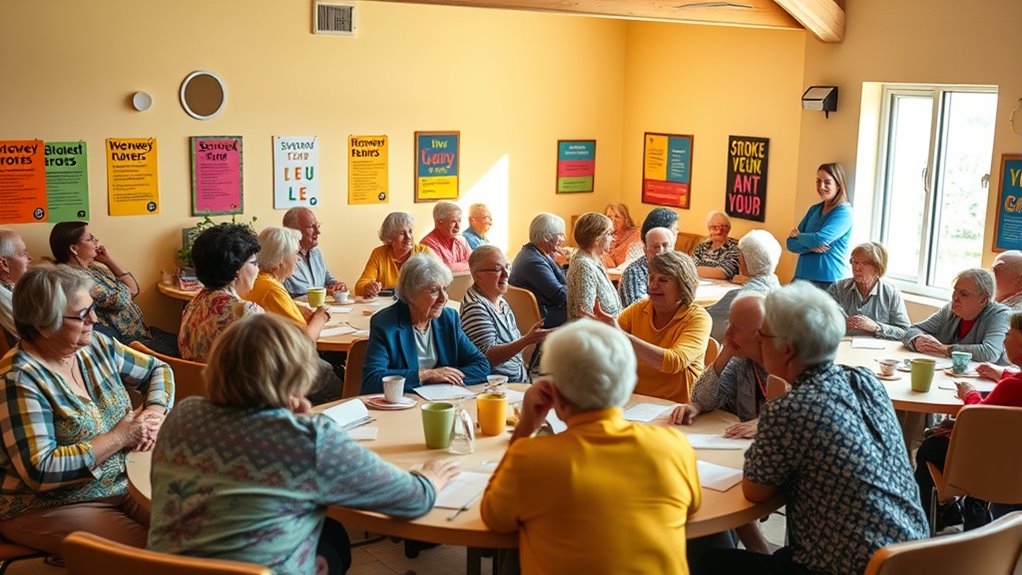
Community support plays an essential role in stroke recovery by providing emotional encouragement, practical assistance, and social connection. When you’re going through recovery, having people around who understand your struggles can boost your motivation and resilience. They can help you navigate daily tasks, from managing appointments to adapting your home environment. Supportive communities also reduce feelings of isolation, reminding you you’re not alone in this journey. Your friends, family, and local resources offer reassurance and guidance, which can improve your outlook and help you stay committed to your recovery goals. This emotional and practical backing acts as a foundation, giving you strength to face challenges and celebrate small victories along the way. Recognizing the importance of peer support networks can further enhance your healing experience. Additionally, engaging with community-based programs tailored for stroke survivors can provide specialized resources and camaraderie. Building a strong support system is key to maintaining motivation and fostering resilience throughout your recovery process. Connecting with support groups can also offer valuable opportunities for sharing experiences and gaining insights from others who understand your journey. Community support truly makes a meaningful difference in your healing process, especially when it includes understanding the critical role of privacy and cookie management in maintaining a safe online environment for participants.

Drive Medical Med-Aire Low Air Loss Mattress Replacement System - Alternating Pressure - Pressure Redistribution Mattress - Moisture Wicking Cover - Home or Facility Use
Pressure Relief Support: The Drive Mattress Replacement System supports comfort through targeted care, minimizing air loss and alternating...
As an affiliate, we earn on qualifying purchases.
Building Connections Through Peer Groups
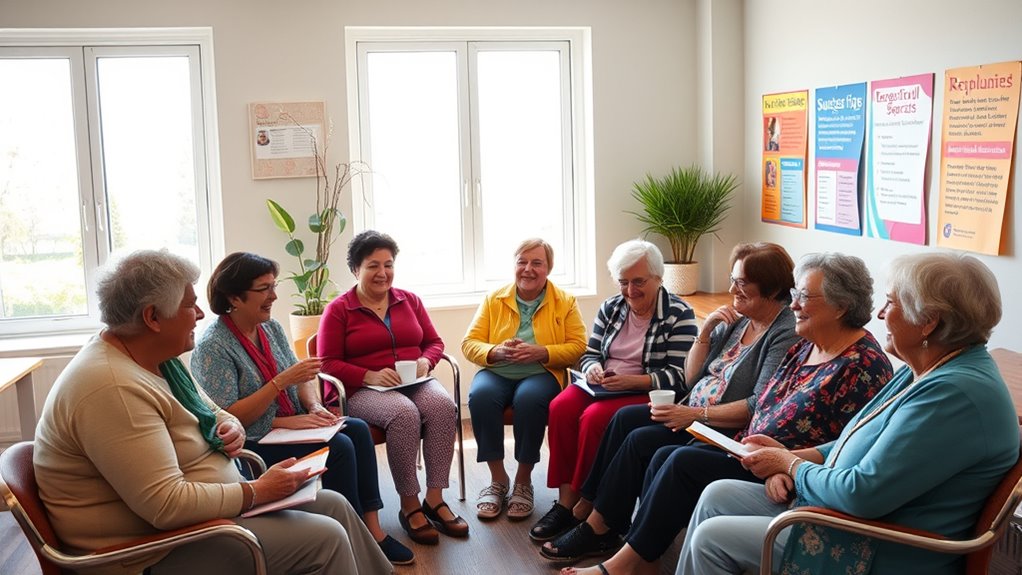
Connecting with others who’ve experienced similar challenges helps you feel understood and less alone. Sharing personal stories fosters trust and encourages mutual support within the group. These connections can boost your confidence and motivate you on your recovery journey. Incorporating mindful strategies into your interactions can enhance your ability to manage emotions and maintain focus during group activities.
Sharing Personal Experiences
Have you ever found that sharing your story can create a powerful sense of understanding and support? When you open up about your stroke journey, you realize you’re not alone. Your experiences resonate with others, fostering empathy and connection. Listening to different stories helps you see new perspectives and coping strategies. To illustrate, imagine this table representing shared experiences:
| Challenge | Coping Strategy | Support System |
|---|---|---|
| Memory issues | Memory aids | Peer encouragement |
| Fatigue | Rest routines | Emotional support |
| Mobility loss | Exercise therapy | Peer motivation |
| Emotional stress | Counseling, mindfulness | Group sharing |
| Medication | Education, reminders | Collective accountability |
Sharing personal stories makes these struggles feel less isolating and builds a supportive community.
Developing Mutual Support
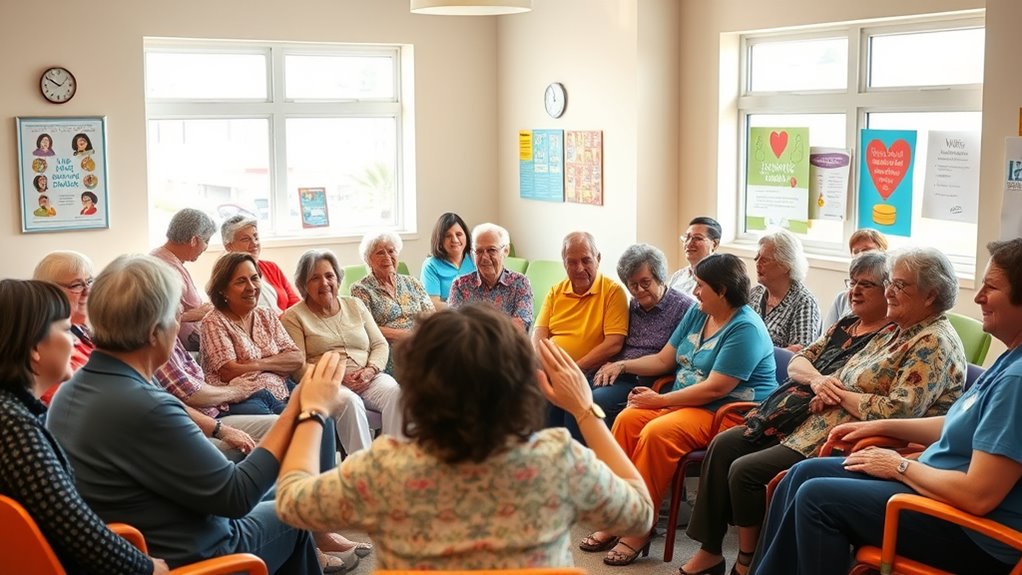
Building mutual support through peer groups is an essential step in recovery, as it fosters genuine connections and shared understanding. When you engage with others who’ve experienced similar challenges, you realize you’re not alone. These groups create a safe space where you can exchange advice, celebrate progress, and offer encouragement. As you build trust, you’ll notice how your confidence grows and your motivation strengthens. Imagine sitting in a circle, sharing stories, listening to others’ triumphs and setbacks, and feeling the warmth of collective empathy. Visualize:
- Smiling faces exchanging stories
- Hands reaching out for support
- Shared laughter after a tough day
- Eye contact conveying understanding
- Comfortable silence filled with connection
These moments help you develop a strong, supportive community that fuels your healing journey.
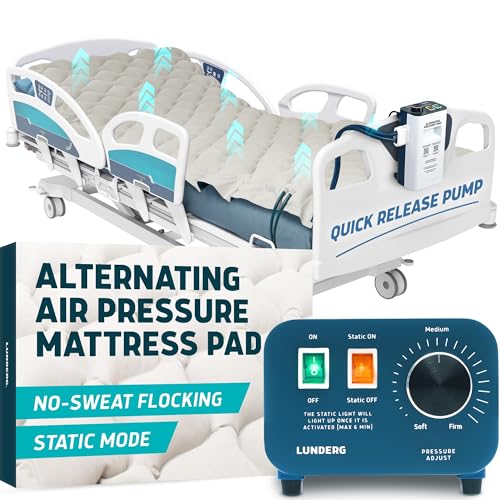
Lunderg Alternating Air Pressure Mattress Pad with Static Mode & Flocking Add-on - Comfortable Bed Sore Prevention - Includes Mattress Topper for Hospital Bed or Home & Quiet Pump - Doctor Recommended
Doctor & Therapist Approved – Prevent & Heal Bedsores: Lunderg’s Air Pressure Mattress for bed sores relieves pressure...
As an affiliate, we earn on qualifying purchases.
Benefits of Participating in Stroke Clubs

Joining a stroke club offers numerous benefits that can substantially enhance your recovery and overall well-being. First, it provides a sense of community, helping you feel less isolated and more understood. Sharing experiences with others who face similar challenges can boost your motivation and confidence. Stroke clubs also offer practical advice and coping strategies, giving you tools to manage daily activities more effectively. Being part of a supportive group encourages accountability, motivating you to stick with rehabilitation routines. Additionally, attending regular meetings can improve your social skills and restore a sense of normalcy in your life. Engaging with peer support can also provide emotional comfort and reduce feelings of anxiety or depression. Overall, participating in a stroke club empowers you to take an active role in your recovery, fostering resilience and a more positive outlook.

Kölbs NSR Long Term Care Pressure Redistribution Foam Medical Hospital Mattress, for Bedsore Treatment Nursing Homes and at Home Care
Kolbs single bed mattress Offers optimal pressure relief necessary for sensitive skin of bed bound patients, Great mattress...
As an affiliate, we earn on qualifying purchases.
How Community Clubs Foster Emotional Healing

When you share your experiences with others who understand what you’re going through, it helps build strong bonds. These connections create emotional support networks where you feel less alone. Through empathy and encouragement, community clubs foster healing by helping you regain confidence and hope.
Shared Experiences Build Bonds
Shared experiences play a vital role in helping stroke survivors and their families feel understood and supported. When you connect with others who’ve faced similar challenges, you realize you’re not alone. These shared stories and struggles create a sense of trust and belonging that’s hard to find elsewhere. At community clubs, you might hear about someone overcoming speech difficulties or regaining mobility, inspiring hope. You could see a group supporting each other during exercises or sharing a laugh over common frustrations. These moments forge genuine bonds that strengthen emotional healing.
- Hearing stories of resilience during group discussions
- Watching others celebrate small victories
- Sharing own struggles and feeling validated
- Participating in group activities that encourage teamwork
- Finding comfort in collective understanding
Emotional Support Networks
Community clubs serve as essential emotional support networks that foster healing by providing a safe space where you can express your feelings and fears without judgment. In these clubs, you find others who understand what you’re going through, which helps reduce feelings of isolation. Sharing your experiences allows you to release pent-up emotions and gain comfort from knowing you’re not alone. The supportive environment encourages open conversations, helping you process your emotions more effectively. Members often share coping strategies and offer reassurance during difficult times. This emotional connection boosts your resilience, giving you strength to face daily challenges. Over time, these networks help rebuild your confidence, reminding you that healing is a collective effort rooted in understanding, empathy, and shared hope.
Encouragement Through Empathy
Empathy lies at the heart of how community clubs encourage emotional healing. When members share their stories, you feel understood and less alone in your struggles. This genuine understanding helps rebuild your confidence and trust in others. As you listen and express compassion, your emotional wounds begin to heal. Visualize moments when someone offers a comforting touch, a reassuring smile, or words that resonate deeply.
- A member gently places a hand on your shoulder during a tough moment
- Laughter erupts over shared funny stories, breaking the tension
- Eyes meet with understanding, conveying support without words
- A quiet hug offers solace after a difficult day
- Small gestures, like a handwritten note, remind you you’re cared for
Through these acts, empathy creates a safe space for emotional recovery and hope.
Overcoming Challenges With Group Support
While overcoming the physical and emotional hurdles after a stroke can feel overwhelming, group support provides a powerful way to address these challenges. Being part of a stroke club helps you realize you’re not alone, offering shared strategies and encouragement. It creates a safe space to express frustrations and celebrate progress. To maximize support, consider these factors:
| Challenge | Group Support Solution |
|---|---|
| Emotional frustration | Sharing experiences with peers |
| Motivation loss | Hearing success stories and advice |
| Physical setbacks | Practicing exercises together |
| Feelings of isolation | Connecting with others regularly |
| Uncertainty about recovery | Gaining reassurance from the group |
Building support networks enhances the effectiveness of recovery efforts and provides ongoing motivation. Additionally, participating in group activities can help reinforce positive habits that promote recovery. Engaging with peers who understand your situation can also help improve emotional resilience, which is crucial during recovery. Moreover, group settings can facilitate the sharing of recovery strategies that have been effective for others. Developing peer support can foster a sense of community and shared purpose. Through consistent participation, you build resilience, gain insight, and find hope amid challenges.
Success Stories From Stroke Club Members

Many stroke club members have experienced transformative recovery stories that highlight the power of support and perseverance. You might hear about someone who regained confidence by sharing daily struggles, or a member who celebrated small victories like walking without assistance. Others find new passions, like painting or gardening, reigniting a sense of purpose. Some members develop lasting friendships that boost motivation and reduce isolation. Many rediscover independence through structured activities and encouragement from peers. These stories show that belonging to a stroke club can turn challenges into opportunities for growth and hope. Additionally, engaging in peer support within the club can enhance motivation and emotional well-being, fostering a stronger sense of community and resilience. Building a supportive environment is essential for sustained recovery and mental health. As evidence suggests, community involvement plays a crucial role in improving psychological outcomes for stroke survivors, especially when it promotes social connection and ongoing participation.
Getting Involved: Joining a Local Stroke Club
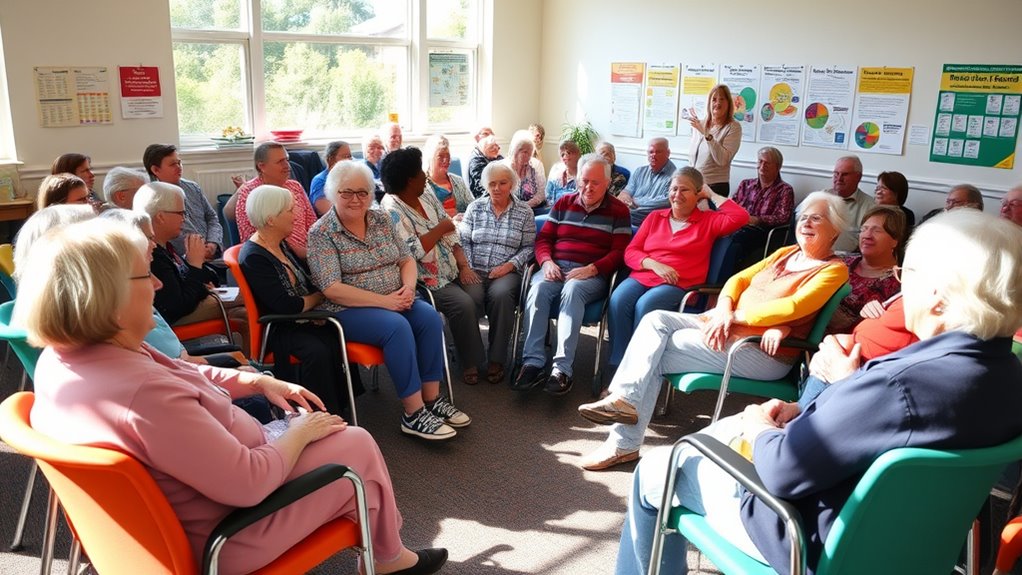
Joining a local stroke club is a proactive step toward recovery and support. It’s an opportunity to connect with others who understand what you’re going through. When you attend your first meeting, you’ll find a welcoming environment where shared experiences foster encouragement. Participating regularly helps you rebuild confidence, improve communication skills, and learn new strategies for managing daily challenges. Clubs often offer activities like educational talks, exercise sessions, and social events, making recovery engaging and less isolating. To get involved, simply find a nearby club through community centers, hospitals, or online directories. Don’t hesitate to reach out and introduce yourself. Your presence can benefit not only your recovery but also inspire others on their journey. Joining a stroke club is a meaningful step toward regaining independence and community connection.
Frequently Asked Questions
How Do Stroke Clubs Differ From Medical Rehabilitation Programs?
Stroke clubs focus on peer support and social connection, helping you share experiences and gain encouragement from others who understand your journey. Medical rehabilitation programs, on the other hand, are led by healthcare professionals and concentrate on restoring your physical, speech, or cognitive functions through targeted therapies. While rehab aims at recovery, stroke clubs provide ongoing emotional support and motivation, complementing your medical treatments and making your recovery process more holistic.
Are Community Stroke Clubs Accessible to Individuals With Severe Disabilities?
Imagine you have a severe disability after a stroke; community stroke clubs might still be accessible. For example, a person with limited mobility could attend a club with transportation services or virtual meetings. These adaptations help guarantee everyone can participate, offering peer support and camaraderie. So, yes, many community stroke clubs endeavor to be inclusive, accommodating various needs to foster a supportive environment for all members.
What Age Groups Typically Participate in These Stroke Support Groups?
You might wonder what age groups typically join stroke support groups. Usually, these groups welcome a wide range of ages, from young adults to seniors. Many people in their 50s, 60s, and older find support helpful, but younger stroke survivors also participate. The goal is to connect people of all ages who share similar experiences, offering mutual encouragement and understanding regardless of age.
How Do Stroke Clubs Coordinate With Healthcare Professionals?
Picture a bridge connecting two islands—this is how stroke clubs coordinate with healthcare professionals. You might attend regular meetings, share updates, and invite experts to speak or consult. By maintaining open communication, you guarantee members get expert advice, personalized care, and the latest information. This collaboration transforms isolated recovery into a united journey, where healthcare professionals support your progress and help you navigate challenges with confidence.
Can Family Members Join Stroke Clubs Alongside Survivors?
Yes, family members can join stroke clubs alongside survivors. These clubs often welcome friends and relatives because their support plays a crucial role in recovery. By participating, you can gain understanding, share experiences, and learn ways to assist your loved one’s journey. Your involvement helps strengthen the survivor’s support network, making the club a more effective resource for everyone. So, don’t hesitate to join and become an active part of the community.
Conclusion
Imagine a community where you’re never alone in your recovery journey. Stroke clubs offer more than support—they’re your anchor in a sea of change, turning uncertainty into strength. By joining, you tap into a network that lifts you when you stumble and celebrates your victories. Don’t just survive—thrive, with the power of peer connection guiding your way. Remember, in unity, you find not just support, but the courage to embrace a new chapter.