
To explain medical equipment to children at home, use honest, simple language and stay positive. Show the devices calmly, compare their functions to familiar objects, and use visuals or models if needed. Make the conversation playful and reassuring, emphasizing safety and purpose. Engage your child with questions and encourage their feelings. By approaching with patience and clarity, you’ll help ease their fears. Keep going to learn more effective ways to help your child feel comfortable.
Key Takeaways
- Use simple, friendly language and focus on the equipment’s purpose to make explanations reassuring and easy to understand.
- Incorporate visual aids or demonstrations to help children grasp how the equipment works.
- Maintain a calm, positive tone to reduce fears and foster trust in the equipment’s safety.
- Relate medical devices to familiar objects or everyday actions to increase comfort and comprehension.
- Encourage questions and provide gentle, age-appropriate answers to promote understanding and cooperation.
How to Approach Explaining Medical Equipment to Kids
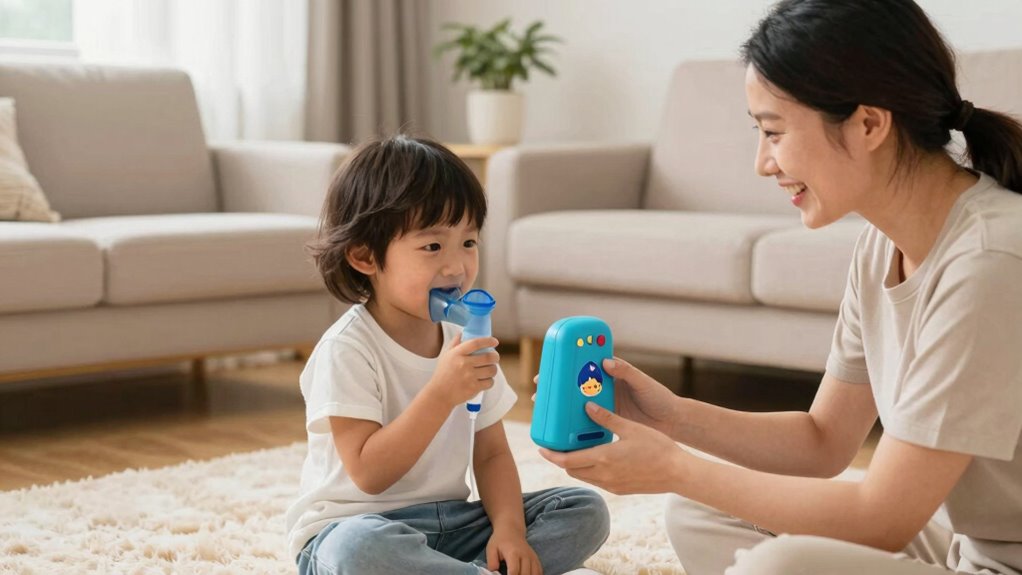
When explaining medical equipment to kids, it’s important to start with honesty and reassurance. Kids often hear medical myths that can make them more anxious or confused, so clear facts help dispel fears. Use simple language and stay positive, emphasizing that the equipment is there to keep them safe and healthy. As a caregiver, your tips include avoiding technical jargon and being patient if they have questions. Show them the device calmly and explain what it does in relatable terms. Remember, kids pick up on your attitude—so staying relaxed and reassuring can ease their worries. By being honest and gentle, you build trust and help them feel more comfortable during medical visits or treatments. Explaining color accuracy and how it affects images can also help children understand the importance of visual clarity in some devices. Additionally, understanding how medical device safety protocols work can reassure children about the measures taken to protect them during treatment. Explaining how necessary cookies are essential for keeping the equipment functioning properly can also help children understand the importance of safety measures. Moreover, discussing proper sterilization procedures can alleviate concerns about cleanliness and infection control. Explaining the role of quality control processes can help kids see how safety and accuracy are maintained in medical settings.
Tips for Making Medical Device Explanations Age-Appropriate

To make medical device explanations age-appropriate, start by simplifying technical language so kids can understand without feeling overwhelmed. Using visual aids like pictures or models helps them grasp how the equipment works more easily. These strategies make explanations clearer and more engaging for children of all ages. Incorporating educational resources can further enhance their understanding and comfort with medical equipment. Additionally, highlighting the safety aspects of medical devices reassures children and helps them feel more in control during medical procedures. Incorporating child-friendly communication techniques also fosters trust and reduces anxiety surrounding medical devices. Understanding age-appropriate communication strategies is essential for effectively explaining medical equipment to young children. Utilizing medical device information tailored for children can make explanations more relatable and less intimidating.
Simplify Technical Language
Using simple, everyday words helps children understand medical devices without confusion. Avoid medical jargon and focus on clear, straightforward language. Instead of saying “This device monitors your vital signs,” say “This machine checks how your body is doing.” When explaining technical complexity, break it down into basic ideas. Keep descriptions short and relatable. Incorporate familiar crochet styles for locs to make descriptions more engaging and understandable. Remember that medical device functions can be explained by comparing them to everyday objects or actions to make concepts more memorable. Additionally, explaining safety precautions in simple terms helps children grasp the importance of following instructions during medical procedures. Using visual aids or demonstrations can also make the explanations clearer and more interactive for young children. Explaining medical device maintenance in simple language encourages children to understand how to care for their equipment properly.
Use Visual Aids
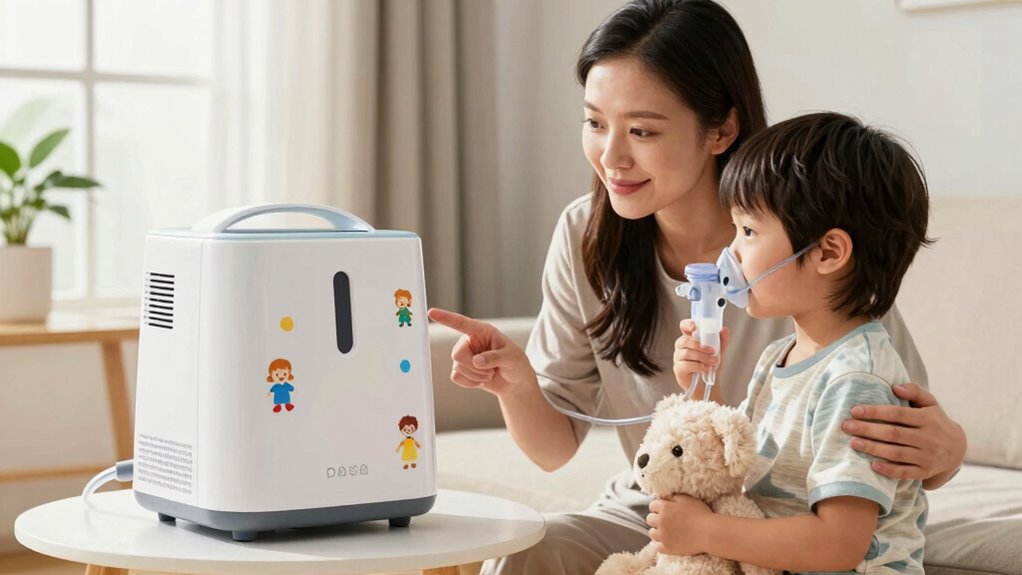
Visual aids like pictures, diagrams, or models can make understanding medical devices much easier for children. They help translate complex medical terminology and technical jargon into simple visuals kids can grasp. For example, showing a diagram of a nebulizer explains how it delivers medication, making it less intimidating. Using familiar objects or drawings can also clarify how the device works and why it’s necessary. To make it more engaging, consider this table:
| Visual Aid Type | Benefit |
|---|---|
| Pictures | Simplifies complex concepts |
| Diagrams | Shows how parts fit and work |
| Models | Provides hands-on understanding |
In addition, incorporating age-appropriate explanations tailored to children’s understanding can further enhance their comfort and cooperation. These tools make explanations age-appropriate and accessible, helping children feel more comfortable with medical equipment. Incorporating medical equipment knowledge can further improve how you explain these devices effectively. Understanding the role of visual aids in medical explanations helps children better grasp their use and purpose. Additionally, selecting visuals that are culturally appropriate can help children relate better and reduce potential misunderstandings. Being mindful of children’s developmental levels ensures the explanations are suitable and effective.
How to Use Simple Language When Explaining Medical Devices to Kids
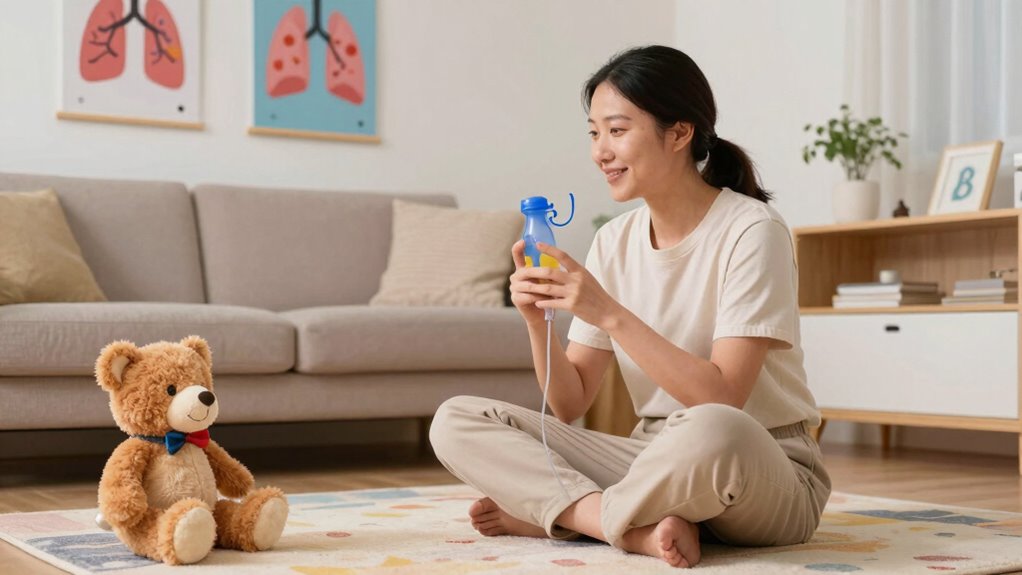
When explaining medical devices to kids, use simple, clear words they can understand easily. Show them how the equipment works with visuals or demonstrations to make it more relatable. This approach helps kids feel more comfortable and confident during the explanation. Incorporating visual aids can further enhance their understanding and reduce any fears they might have. Additionally, discussing everyday safety tips can help children grasp the importance of the devices in maintaining their well-being. Understanding modern kitchen technology concepts can also make unfamiliar medical equipment seem less intimidating by comparing it to familiar household items. Recognizing basic hydraulics principles behind some devices can further demystify how they operate in everyday life. Explaining how different body jewelry fits and functions can also help children understand the concept of medical equipment that interacts with the body.
Use Simple, Clear Words
Talking to children about medical equipment is easiest when you use simple, clear words they can understand. Avoid complex medical terminology; instead, choose words that relate to their everyday experiences. For example, call a ventilator a “breathing machine” or a “special air helper.” Be sure to explain device maintenance in straightforward terms, like “we keep the machine clean so it works well.” Keep your language positive and reassuring to reduce any fears. Using simple language helps children feel more comfortable and less anxious about medical devices.
Demonstrate With Visuals
How can you help children understand medical devices better? Using visuals is a powerful way. Visual storytelling simplifies medical terminology, making devices less intimidating. Show kids pictures or videos of the equipment in use, highlighting each part and its function. Use simple language alongside visuals to reinforce understanding. For example, when explaining a nebulizer:
| Device Part | Function |
|---|---|
| Mouthpiece | Breaths in medicine |
| Tube | Connects to medicine |
| Visuals | Explanation |
| Photo of device | Shows what it looks like |
| Diagram | Labels parts for easy learning |
This approach helps children grasp complex ideas quickly and feel more comfortable with medical equipment.
How to Reassure Kids During Medical Equipment Explanations
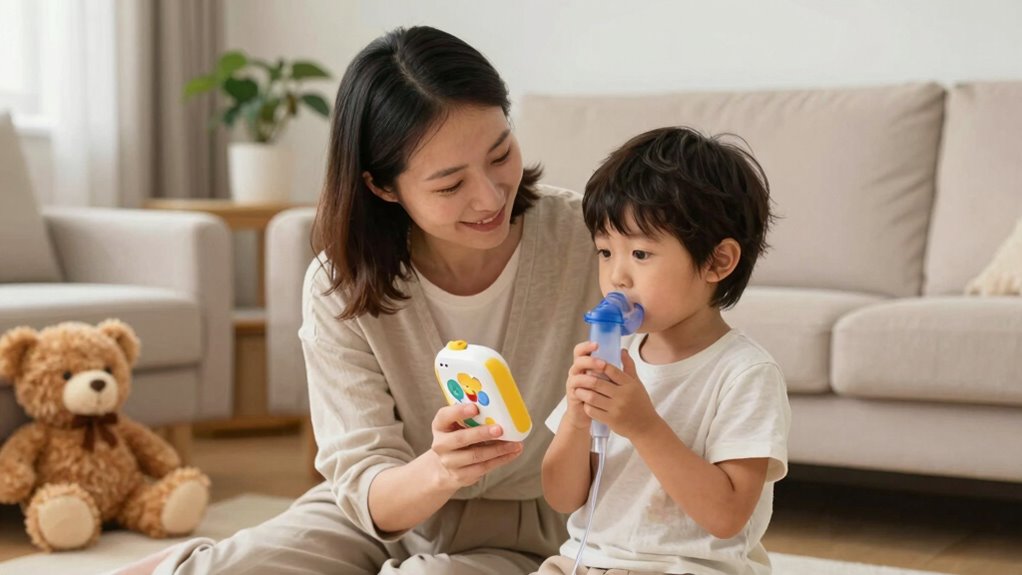
Children can feel anxious or scared when faced with medical equipment, but you can help ease their worries by offering reassurance and a calm presence. Your child comfort is key, so use reassurance techniques like gentle voice tones and positive affirmations to create a sense of safety. Explain that the equipment is there to help them feel better, not hurt them. Maintain eye contact and stay relaxed yourself, as children pick up on your mood. You can also distract with a favorite toy or show, helping them feel more in control. Remember, patience is essential; give your child time to process and ask questions. These reassurance techniques will help reduce fear and make the experience less intimidating.
How to Involve Kids in Medical Equipment Talk to Ease Fears
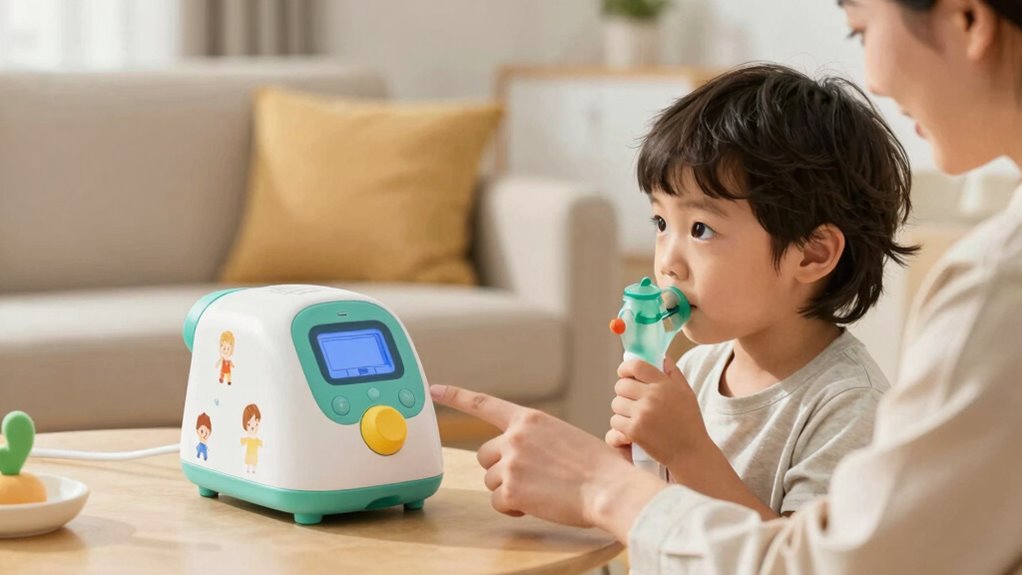
Involving kids in discussions about medical equipment can considerably ease their fears and foster a sense of control. Use playful language and turn explanations into fun activities to make the process engaging. For example, you might describe a blood pressure cuff as a “super hug” or a breathing machine as a “magic nose” that helps them breathe better. Your parental involvement shows you’re there to support and guide them, making the experience less intimidating. Encourage your child to ask questions and share their feelings, validating their concerns. By making them part of the conversation, you help demystify the equipment and build trust. Remember, gentle, playful interaction turns a potentially scary topic into a manageable, even enjoyable, learning experience.
Common Mistakes to Avoid When Talking About Medical Devices With Children
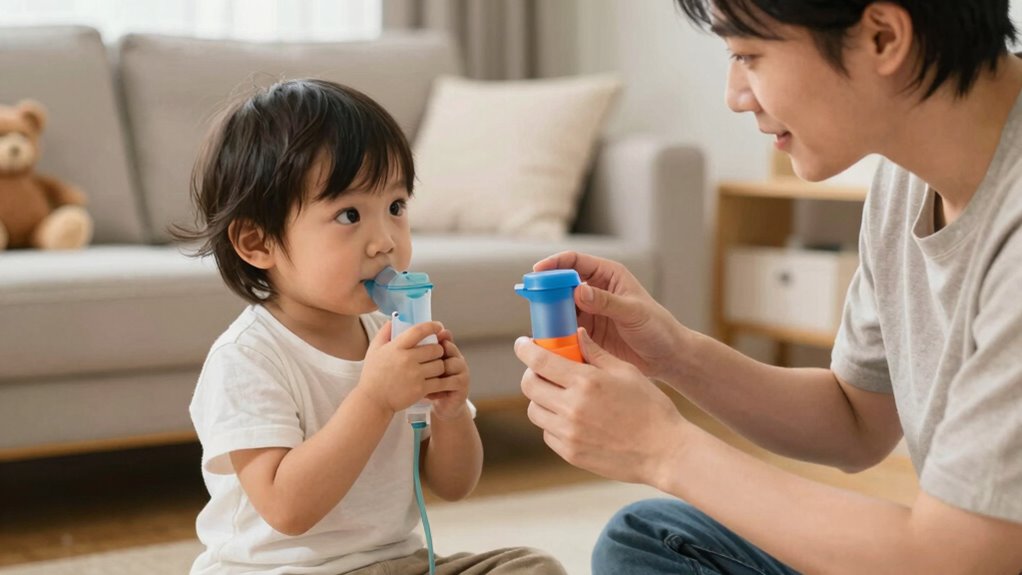
When discussing medical devices with kids, it’s easy to unintentionally create more fear or confusion by using confusing language or emphasizing the intimidating aspects. Avoid relying on medical jargon or overwhelming them with technical details, which can make the equipment seem scarier than it is. Instead, focus on simple, clear explanations that relate to their daily experiences.
Be careful not to:
Avoid overcomplicating explanations or emphasizing scary features to help children feel more comfortable.
- Overcomplicate explanations with unnecessary technical details or complex terminology.
- Use language that highlights the device’s intimidating or frightening features.
- Assume children understand all medical jargon, leading to misconceptions or anxiety.
Keeping your explanations straightforward and age-appropriate helps children feel more comfortable and reduces their fear of medical equipment.
Frequently Asked Questions
How Can I Prepare My Child Before Introducing Medical Equipment?
You can prepare your child by using child-friendly language that’s simple and reassuring, making the medical equipment less intimidating. Show them visual aids like pictures or videos to help them understand what the equipment does. Talk openly, answer their questions honestly, and involve them in gentle explanations. This way, your child feels more comfortable and confident when they see the medical equipment in the home.
What Are Signs My Child Is Feeling Anxious During Explanations?
You notice your child’s body language stiffening, avoiding eye contact, or fidgeting—these signs show they’re feeling anxious. They might also become quieter, clutch their hands tightly, or display emotional cues like tearfulness or irritability. Keep a close eye on these subtle signals, and listen carefully to their tone of voice. Recognizing these signs helps you gently reassure them, easing their worries and making explanations calmer and more comforting.
How Do I Handle Questions I Can’t Answer About the Device?
If you encounter questions about the device you can’t answer, it’s best to be honest and say you don’t know. Avoid using medical jargon that might confuse your child. Instead, tell them you’ll find out and get back to them. Consider consulting an expert or healthcare professional to provide accurate information. This approach reassures your child and shows you’re committed to their understanding and safety.
Should I Involve Siblings or Other Family Members in Explanations?
Think about Sarah, who explained her brother’s oxygen machine with her family’s help. Involving siblings and family members in explanations fosters support and understanding, making the child feel less isolated. You should include family members to provide reassurance and clarify questions, especially if they can relate or have experience. Sibling support can make explanations more relatable, helping the child accept and adapt to using medical equipment comfortably.
When Is the Best Time of Day to Discuss Medical Equipment With Kids?
You should choose appropriate timing, like after school or during quiet moments, when your child feels relaxed. Bedtime discussions can work well because they’re calm and free from distractions, making it easier for your child to understand. Avoid busy or stressful times. By selecting the right moment, you help your child process the information comfortably, ensuring they feel safe and supported when learning about medical equipment.
Conclusion
By approaching medical equipment explanations with patience and simple language, you create a comforting environment. Think of it like guiding a little bird gently from its nest to the tree—it’s all about trust and reassurance. When you involve your kids and address their fears, you help them see the equipment as a helpful friend, not something scary. Remember, your calm attitude can turn a confusing moment into a shared experience they’ll remember with confidence.