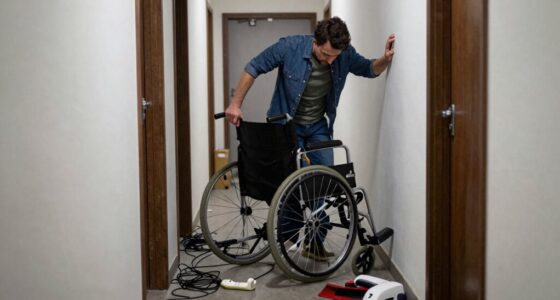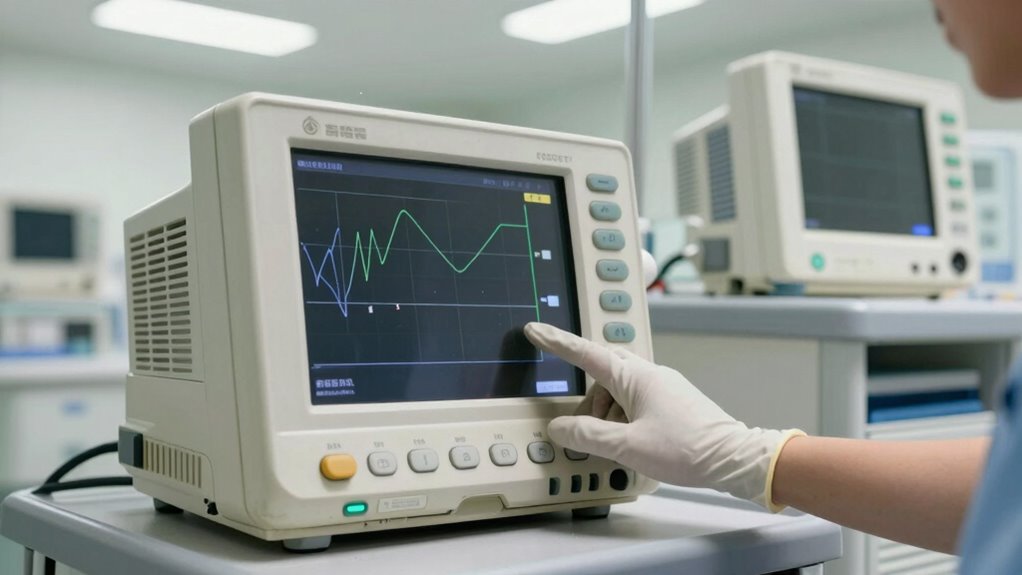

You should retire aging medical equipment when it fails safety standards, malfunctions frequently, or shows signs of wear like unusual noises or overheating. Poor calibration, inconsistent results, or repeated alarms also signal it’s time to replace the device. Regular inspections, proper maintenance, and keeping detailed logs help catch issues early. Continuing to operate outdated equipment risks patient safety, so understanding these indicators will help you decide when to replace critical devices.

Turn quiet afternoons into listening time
- Thousands of audiobooks, podcasts and originals
- Listen on your phone, tablet or Echo — also offline
- Cancel anytime
Key Takeaways
- Regularly assess equipment performance, calibration, and safety features to identify signs of decline or malfunction.
- Monitor for frequent alarms, unusual noises, overheating, or slow responses indicating potential failure.
- Review maintenance logs and repair history to determine if recurring issues suggest outdated or unsafe equipment.
- Ensure compliance with safety standards; non-compliance or safety feature failures warrant retirement.
- Develop a scheduled replacement plan based on device age, performance data, and manufacturer guidelines.
medical equipment calibration tools
As an affiliate, we earn on qualifying purchases.
As an affiliate, we earn on qualifying purchases.
Why Outdated Medical Equipment Is a Safety Risk
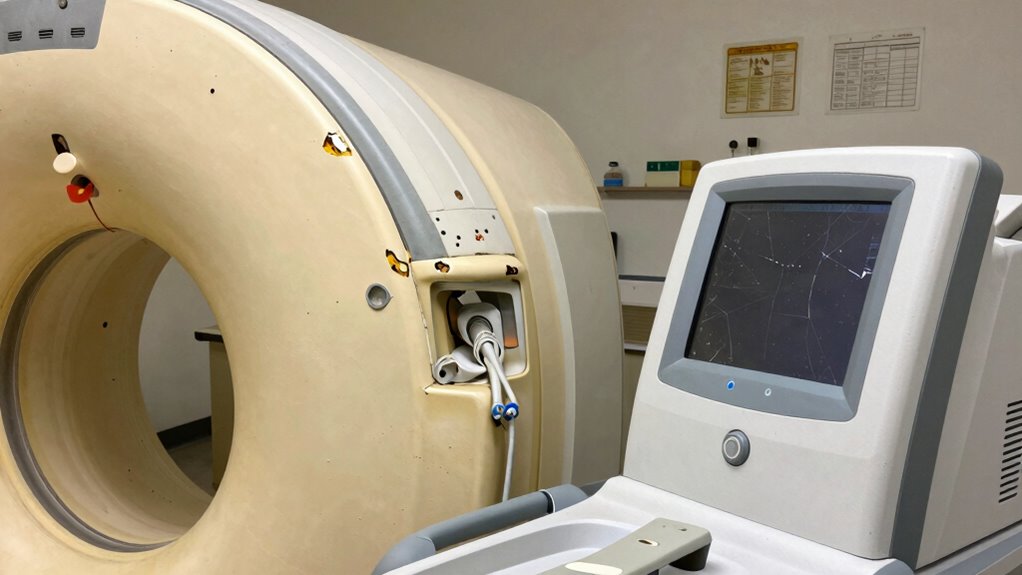
Outdated medical equipment often fails to meet current safety standards, putting patients at unnecessary risk. Equipment lifespan varies, but over time, devices can become unreliable or unsafe. When equipment ages, it may not operate accurately, leading to potential misdiagnoses or treatment errors. Staff training on older machines can be limited, increasing the chance of misuse or mishandling. Without proper updates or maintenance, these devices can malfunction unexpectedly. Relying on outdated equipment also means missing out on technological improvements designed to enhance patient safety. Regularly evaluating equipment’s age and condition helps prevent hazards caused by worn-out or obsolete tools. Staying vigilant about equipment’s lifespan and ensuring staff are well-trained on current devices are key steps in safeguarding patient care. Additionally, understanding the lifespan of medical devices is crucial for timely replacements and maintaining safety standards. It’s also important to consider that equipment maintenance plays a vital role in prolonging the safe use of medical tools. Incorporating energetic alignment practices can also support a safer environment by promoting a proactive approach to equipment management. Implementing comprehensive safety protocols ensures that outdated equipment is identified and replaced before it compromises patient safety. Recognizing the significance of technological updates can further help in maintaining a high standard of care.
How to Recognize When Equipment Is Failing or Obsolete
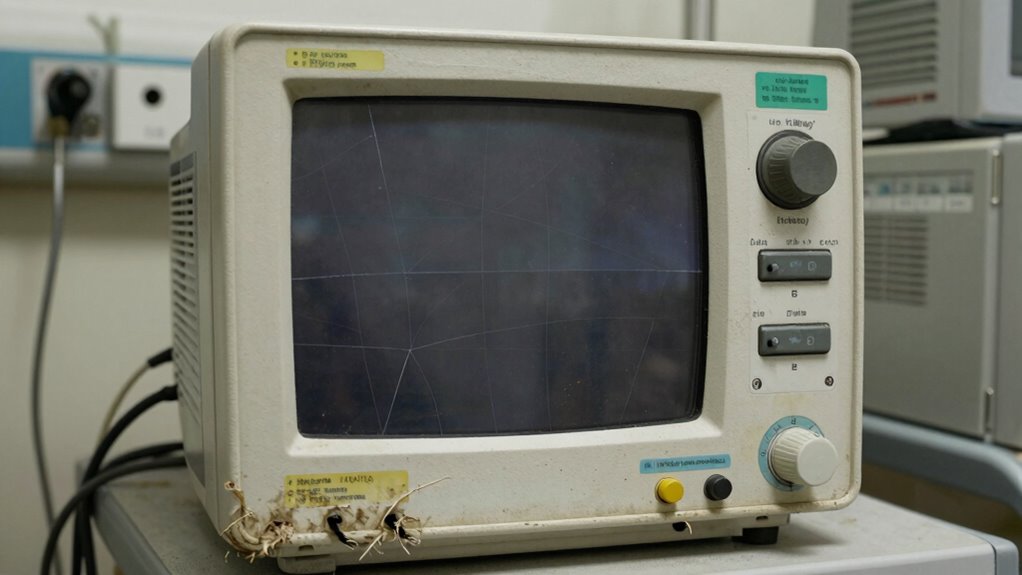
Recognizing when medical equipment is failing or obsolete is essential for maintaining patient safety. If equipment shows inconsistent results, alarms frequently go off, or calibration seems off, it’s a sign you should investigate further. Keep an eye on signs like unusual noise, overheating, or slow response times. Poorly calibrated equipment can lead to inaccurate diagnoses, so regular equipment calibration checks are imperative. Additionally, staff training is crucial—if staff struggle to operate devices correctly or ignore warning signals, the equipment may be outdated or malfunctioning. Regular maintenance logs and performance audits help identify issues early. Staying informed about European cloud innovation can also provide insights into adopting more reliable and advanced technology solutions. Incorporating traditional practices into maintenance routines can enhance overall equipment longevity and reliability. Being aware of equipment lifecycle management strategies can further help in planning timely replacements and upgrades. For example, understanding the typical equipment lifespan helps determine when replacements are due, preventing unexpected failures. By staying alert to these signs, you can prevent risks and ensure your equipment remains reliable for patient care.
What Criteria Indicate It’s Time to Retire Equipment
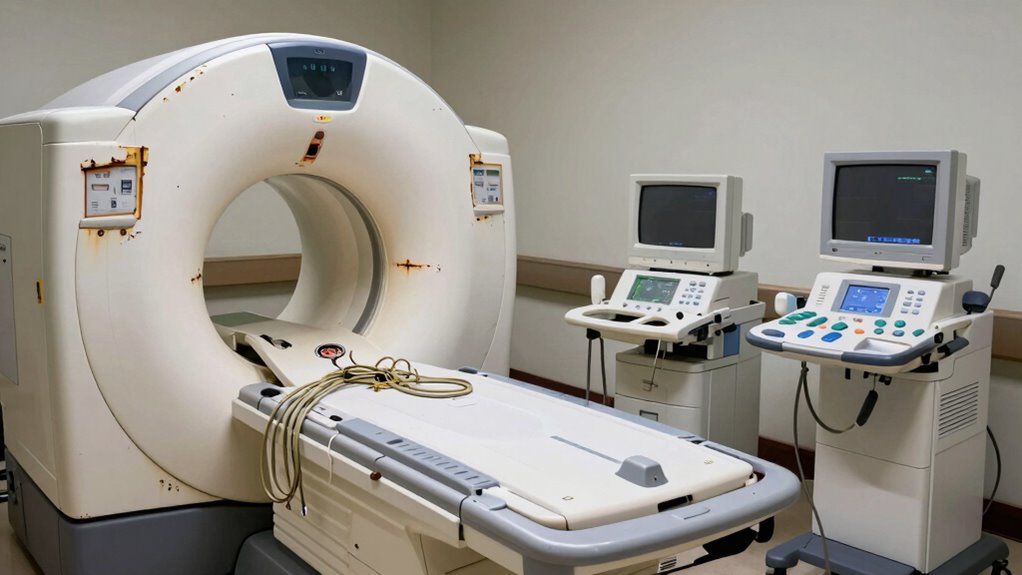
You need to watch for signs that indicate it’s time to retire equipment, like safety compliance issues or repeated maintenance problems. Performance decline and outdated features can also signal it’s no longer dependable or cost-effective. Recognizing these criteria helps ensure safety and prevents costly breakdowns. Additionally, navigation and mapping capabilities may become unreliable, reducing the equipment’s effectiveness and increasing safety risks. As technology advances, incompatible or obsolete components can further compromise system reliability, making timely retirement essential. Regular assessments can help identify when equipment no longer meets current safety and operational standards, emphasizing the importance of equipment evaluation in maintenance routines. Incorporating connected monitoring tools can provide real-time insights into equipment performance, aiding proactive decision-making. Furthermore, implementing preventive maintenance strategies can extend equipment lifespan and improve safety outcomes.
Safety Compliance Status
Determining when equipment should be retired hinges on specific safety compliance criteria that reflect its current condition. You need to regularly assess whether the equipment meets safety standards, including proper equipment calibration and staff training. If calibration is consistently off or staff aren’t trained properly, safety is compromised. Additionally, look for signs like frequent malfunctions or outdated safety features that no longer meet regulations. Regular inspections help identify these issues early. Keep in mind that failing to maintain compliance can result in safety risks for patients and staff. When equipment no longer adheres to current safety standards or cannot be brought up to code, it’s time for retirement. Staying vigilant ensures your facility remains compliant, safe, and effective in delivering care. safety standards play a crucial role in guiding these assessments.
Maintenance History Review
Reviewing the maintenance history of equipment provides crucial insights into when it’s time to retire it. Look for recurring issues or frequent repairs that suggest the equipment is no longer reliable. Equipment calibration records can reveal if the device consistently falls outside acceptable tolerances, indicating it’s past its prime. Additionally, consider staff training records—if staff frequently report difficulties or need extensive retraining, the equipment may be outdated or no longer suitable for safe use. Regular maintenance logs help identify patterns of declining performance or persistent problems. If maintenance becomes more frequent and repairs costly, it’s a strong sign that retirement is necessary. Monitoring performance ratings and user feedback can further guide timely replacements, ensuring safety and efficiency. Staying attentive to these historical indicators ensures you make informed decisions about when to replace aging equipment before safety is compromised. Moreover, understanding equipment lifecycle can assist in planning proactive replacements, minimizing risks associated with outdated technology. Recognizing signs of technological obsolescence can help prevent unexpected failures and maintain operational safety. Furthermore, reviewing manufacturer recommendations can provide additional guidance on optimal replacement timelines. Regularly inspecting component wear is also essential for maintaining safety standards and preventing potential malfunctions.
Performance Decline Signs
When equipment begins to perform below its expected standards, it’s a clear sign that retirement may be necessary. You should monitor for consistent issues that impact patient safety and diagnostic accuracy. Signs include declining calibration accuracy, where measurements become unreliable despite recalibration efforts. If you notice frequent errors that require additional user training or corrections, it indicates the equipment may be outdated. Additionally, increased downtime or repetitive repairs signal equipment fatigue. Poor image quality or inaccurate readings also suggest it’s time to consider retirement. Regularly evaluating these signs helps prevent compromised safety. Remember, even if the equipment looks operational, performance decline can silently affect outcomes. Incorporating performance monitoring technology can assist in tracking equipment performance over time, enabling proactive replacements. Recognizing the role of maintenance in prolonging equipment lifespan is essential to avoid unexpected failures. Maintaining proper preventive care can significantly extend equipment usability and ensure safety standards are met. Understanding quality assurance practices helps ensure that all aspects of equipment performance are consistently monitored and maintained. Staying vigilant ensures you replace aging equipment before it jeopardizes patient care.
How to Safely Dispose of or Replace Old Devices
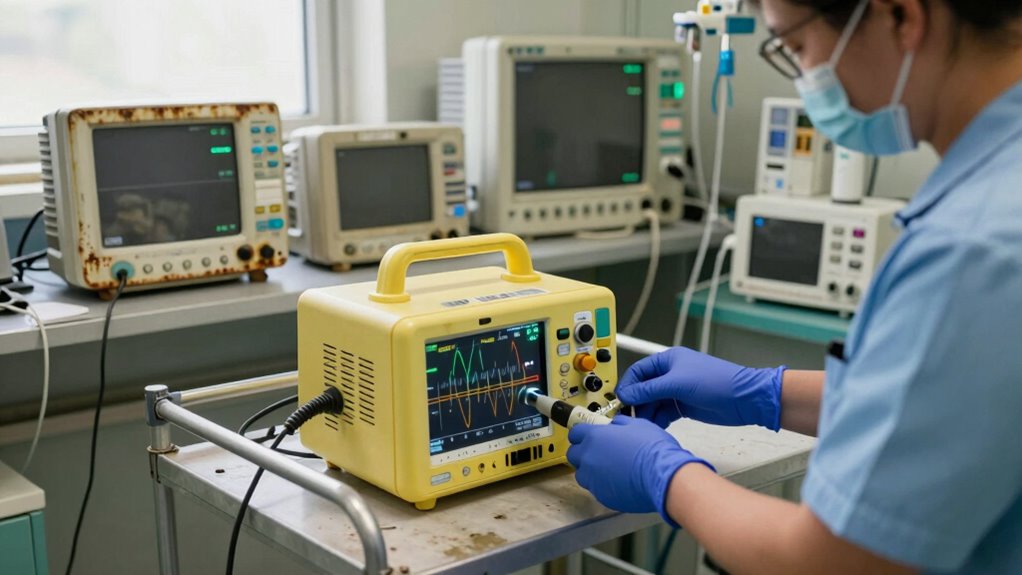
To safely dispose of or replace old devices, you need to follow proper procedures that protect your personal data and the environment. Start by securely wiping all data from the device to prevent information breaches. Next, properly dispose of medical waste, ensuring it complies with local regulations to prevent contamination. If the device still functions, consider recalibrating equipment to extend its lifespan or repurpose it safely. When replacing, choose certified disposal services that handle medical waste responsibly. Avoid dumping devices in regular trash, as this can pose health risks. Recycling programs are often available for electronic waste, reducing environmental impact. Always document disposal or replacement steps for compliance purposes. Following these procedures helps maintain safety, data security, and environmental responsibility.
Creating Maintenance and Replacement Schedules
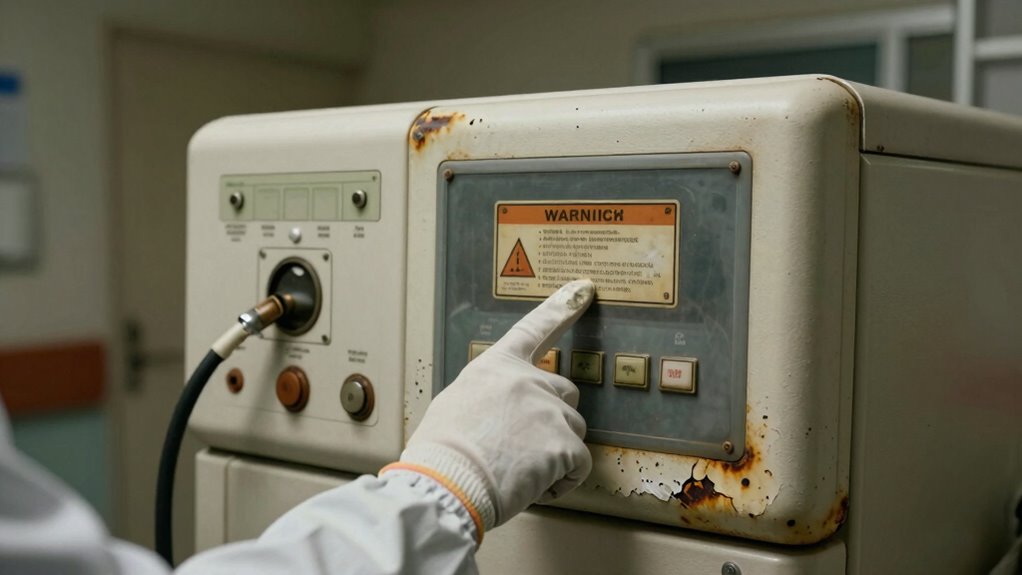
Creating a maintenance and replacement schedule is essential for ensuring your devices operate safely and efficiently over time. It helps prevent unexpected failures and keeps staff trained to handle equipment properly. Incorporate patient feedback to identify issues early and adjust schedules accordingly.
Establishing a maintenance schedule ensures device safety, efficiency, and early issue detection through staff training and patient feedback.
To develop an effective plan, consider:
- Regular staff training sessions to keep everyone updated on maintenance procedures
- Monitoring device usage and performance data
- Scheduling routine inspections based on manufacturer guidelines
- Gathering patient feedback to spot potential safety concerns
This proactive approach minimizes downtime and ensures safety standards are met. By aligning maintenance activities with staff expertise and patient insights, you create a reliable system that extends equipment lifespan and maintains patient trust.
Regular Equipment Checks to Prevent Failures
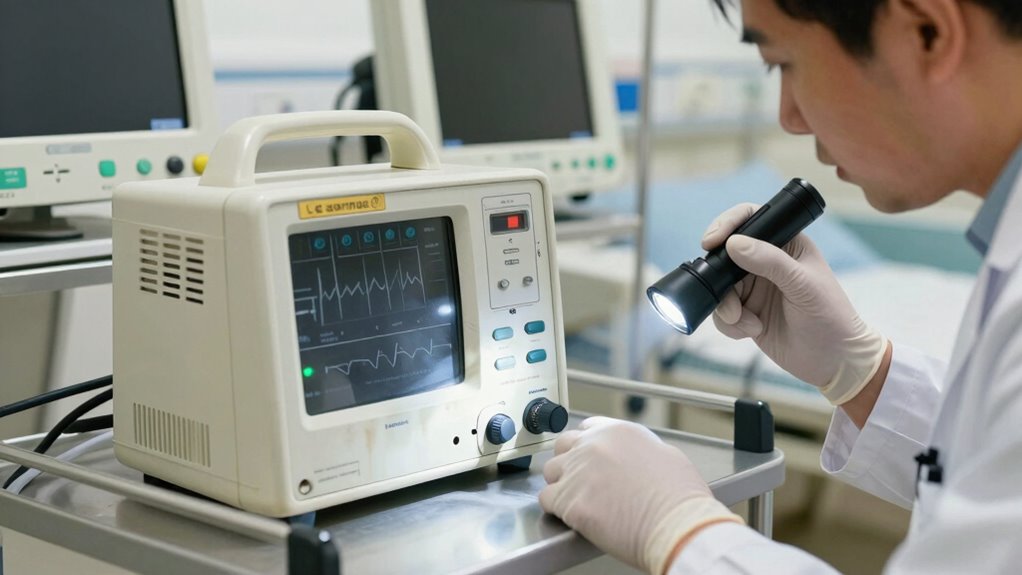
Regular equipment checks are essential to catch issues early and prevent failures. By sticking to scheduled maintenance and monitoring performance trends, you can identify problems before they become serious. This proactive approach keeps your operations safe and efficient.
Scheduled Maintenance Checks
Scheduled maintenance checks are essential for keeping equipment operating reliably and preventing unexpected failures. Regular inspections help identify issues early, ensuring safety and efficiency. During these checks, focus on equipment calibration to maintain accuracy and performance. Proper staff training ensures everyone knows how to perform maintenance correctly, reducing risks of errors. You should also verify that all parts are functioning properly and replace any worn components. Keep detailed records of each maintenance session to track equipment history and identify patterns. Scheduling these checks consistently minimizes downtime and extends the lifespan of your medical devices. Remember, proactive maintenance is a key element in patient safety and compliance. Staying diligent about these routines helps prevent costly repairs and ensures your equipment remains safe for daily use.
Monitoring Performance Trends
Monitoring performance trends over time helps you catch potential issues before they lead to equipment failure. By regularly reviewing data from your medical devices, you can identify signs that suggest the equipment’s lifespan is nearing its limit. This proactive approach allows you to schedule timely repairs or replacements, avoiding unexpected breakdowns. Tracking performance also highlights when technology upgrades are necessary to maintain accuracy and efficiency. When you notice consistent deviations or declining performance, it’s a clear indication that the device may be aging out. Monitoring trends empowers you to make informed decisions, ensuring patient safety and optimizing equipment utilization. Staying vigilant with regular checks helps you extend equipment lifespan responsibly while planning for upgrades that keep your facility current and compliant.
Frequently Asked Questions
How Often Should Medical Equipment Be Formally Inspected?
You should formally inspect medical equipment at least once a year, but the inspection frequency depends on the equipment’s lifecycle and usage. Regular checks help identify wear and tear early, ensuring safety and compliance. For high-risk devices, more frequent inspections may be necessary. Always follow manufacturer guidelines and local regulations to determine the appropriate inspection schedule, and document each inspection to maintain a thorough maintenance record.
What Are the Cost Implications of Retiring Outdated Devices?
Retiring outdated devices impacts your budget through initial replacement costs and ongoing maintenance. Conducting a thorough cost analysis helps you weigh equipment upgrades against potential savings from fewer repairs and improved efficiency. While upgrading may seem costly upfront, it often leads to reduced downtime and better patient safety. Planning ahead guarantees you allocate funds wisely, avoiding unexpected expenses and maintaining high standards of care without compromising your financial stability.
Who Is Responsible for Equipment Safety Compliance?
Like a captain steering a ship, you’re responsible for equipment safety compliance. You must guarantee liability responsibility stays clear by following strict maintenance protocols and regular inspections. It’s your duty to keep devices up-to-date and safe, preventing malfunctions that could harm patients or staff. Ultimately, you hold the accountability to meet regulatory standards, making sure all medical equipment operates reliably and safely throughout its lifecycle.
Are There Industry Standards for Equipment Retirement Timing?
Yes, industry benchmarks guide you on equipment retirement timing by considering the typical equipment lifecycle. These standards help you determine when medical equipment becomes unreliable or unsafe, prompting you to retire or replace it. You should regularly compare your equipment’s age and performance against these benchmarks to guarantee safety and compliance. Staying informed about industry standards helps you make proactive decisions, minimizing risks associated with aging medical equipment.
How Can Staff Be Trained to Identify Equipment Issues?
Think of staff training as a safety net for equipment maintenance. You can train your team to spot signs of malfunction, such as unusual noises or error messages, by providing hands-on sessions and clear checklists. Encourage regular inspections and foster a culture of vigilance. This way, your staff becomes your first line of defense, catching issues early and ensuring equipment stays safe and effective for patient care.
Conclusion
Staying on top of equipment retirement might seem time-consuming, but it’s essential for safety and patient care. Skipping replacements can lead to failures, risking injuries or delays. By creating a proactive schedule, you’ll guarantee your facility remains compliant and safe. Think of it as an investment in quality, not just cost. Your team and patients deserve reliable, modern equipment—so don’t wait until it’s too late. Act now to safeguard everyone’s well-being.
Halloween Picks
halloween
As an affiliate, we earn on qualifying purchases.