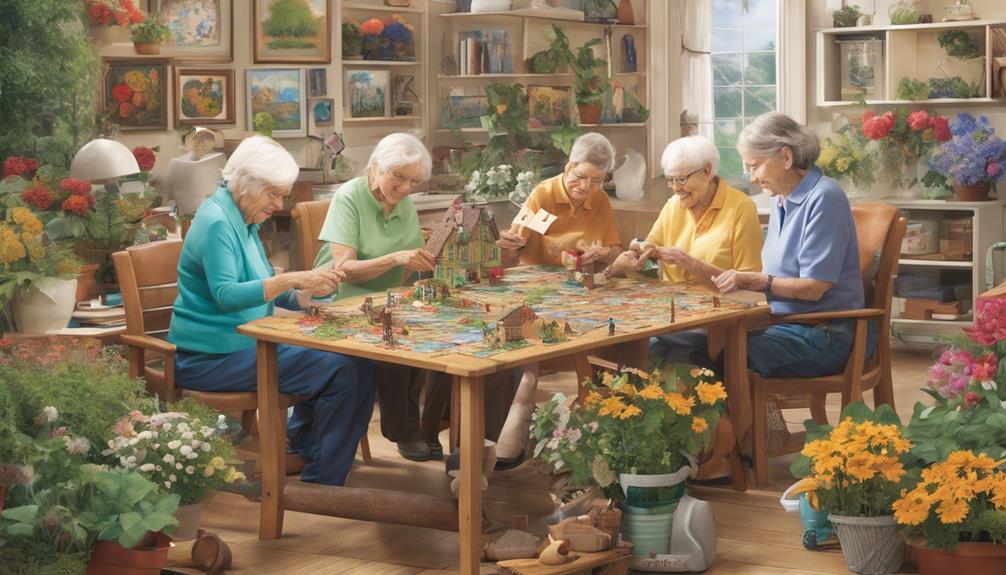

Living with dementia necessitates practical approaches. Attempt engaging activities such as puzzles or gardening to improve brain function. Stay mindful of triggers to avoid wandering. Provide balanced meals, hydration, secure living environments, and physical activity. Adhere to daily schedules for consistency. Enhance home safety by recognizing hazards and establishing an emergency plan. Utilize technology for monitoring. These tactics offer comprehensive care for individuals with dementia and their caregivers. There are additional solutions available to aid you in supporting your loved ones.

Turn quiet afternoons into listening time
- Thousands of audiobooks, podcasts and originals
- Listen on your phone, tablet or Echo — also offline
- Cancel anytime
Key Takeaways
- Engage in structured activities to stimulate cognitive functions and improve mood.
- Identify wandering patterns and triggers to develop preventive strategies.
- Ensure basic needs like nutritious meals, hydration, and safe living spaces.
- Involve individuals in daily routines for a sense of purpose and predictability.
- Implement home safety measures and an emergency response plan for security.
Structured Activities for Engagement
Engaging in organized activities regularly can greatly benefit individuals living with dementia by providing cognitive stimulation and a sense of purpose. For those managing life with dementia, participating in activities like puzzles, crafts, and gardening can help keep the mind active and engaged. These activities not only stimulate cognitive functions but also provide a source of enjoyment and accomplishment. By engaging in familiar tasks and hobbies, individuals with dementia can maintain a sense of identity and purpose, which is essential for their overall well-being.
Social activities also play a significant role in enhancing the quality of life for those with dementia. Group exercises and music therapy, for example, can improve mood and communication skills in dementia patients. Tailoring activities to individual interests and abilities is key to promoting engagement and reducing behavioral issues associated with dementia. By establishing a consistent routine that includes structured activities, caregivers can help improve the overall well-being and happiness of individuals living with dementia.
Identifying Wandering Patterns

Understanding the wandering patterns exhibited by individuals with dementia is essential for developing effective preventive strategies and ensuring their safety. Wandering patterns may manifest as aimless walking, attempts to leave, or getting lost in familiar surroundings.
By identifying the triggers and timing of these episodes, caregivers can create preventive strategies to mitigate risks. Monitoring behaviors such as restlessness, pacing, or frequent door checking can serve as early indicators of potential wandering behavior. Documenting the importance, duration, and circumstances of wandering incidents is vital for recognizing patterns.
Additionally, identifying common routes or destinations during wandering episodes can help enhance safety measures and plan interventions. Implementing safety measures like door alarms, GPS tracking devices, or secure locks can aid in preventing wandering incidents.
Planning interventions such as creating familiar environments, establishing routines, and providing engaging activities can also help manage wandering behaviors and safeguard the well-being of individuals with dementia.
Meeting Basic Needs
After identifying the wandering patterns exhibited by individuals with dementia, the next crucial step is to guarantee their essential needs are met for their well-being and quality of life. Here are four fundamental ways to make sure individuals with dementia have their basic needs met:
- Nutrition and Hydration: Ensuring they've nutritious meals and plenty of fluids throughout the day is essential for maintaining their health and well-being.
- Safe Environment: Creating a secure and comfortable living space is vital to prevent accidents and promote a sense of security.
- Physical Activity: Encouraging regular physical activity and exercise can help individuals with dementia maintain their mobility and overall health.
- Personal Hygiene and Grooming: Addressing their personal hygiene and grooming needs is crucial for maintaining their dignity and self-esteem.
Involving Individuals in Daily Routines

Involving individuals with dementia in daily routines is vital for their well-being. By engaging them in tasks like meal preparation, light house chores, or recreational activities, we can promote a sense of purpose and independence.
These activities can reduce anxiety, boost self-esteem, and maintain a connection with their surroundings.
Daily Routine Engagement
Participating in daily routines with individuals living with dementia fosters a sense of purpose and engagement, benefiting their overall well-being. Here are four key reasons why involving individuals in daily routines is essential:
- Reducing Agitation: Engaging in structured activities can help decrease feelings of restlessness and agitation often experienced by those with dementia.
- Enhancing Cognitive Function: Daily routine engagement supports cognitive function, aiding in the maintenance of skills and mental abilities.
- Boosting Self-Esteem: Completing familiar tasks provides a sense of accomplishment, boosting self-esteem and confidence.
- Providing Predictability: A predictable schedule established through daily routines can reduce confusion and anxiety, creating a calming environment for individuals with dementia.
Meaningful Tasks Inclusion
How can involving individuals with dementia in daily routines through meaningful tasks enhance their quality of life and promote independence?
Engaging dementia patients in activities like cooking or gardening can provide a sense of purpose and reduce feelings of frustration and boredom. By participating in familiar tasks, individuals can maintain cognitive function and overall well-being. Tailoring activities to their interests and abilities fosters a sense of accomplishment and boosts self-esteem.
Meaningful tasks inclusion not only enhances the quality of life for those with dementia but also promotes independence. It's important to involve individuals in daily routines that are meaningful to them, as this can have a positive impact on their overall happiness and well-being.
Personalized Activity Participation
Including individuals with dementia in personalized daily activities is key to enhancing their quality of life and promoting independence. When catering to dementia patients, creating individualized activities is essential. Here are four ways personalized activity participation can make a difference:
- Tailoring daily routines to engage individuals based on their preferences and abilities.
- Focusing on creating meaningful and enjoyable activities to improve mood and reduce agitation.
- Involving individuals in familiar tasks or hobbies to promote a sense of accomplishment and independence.
- Customizing activities to match interests and past experiences, stimulating cognitive function and aiding memory recall.
Assessing Home Safety Measures

When evaluating home safety measures for individuals with dementia, it's crucial to establish a home safety checklist tailored to their specific needs.
Identifying potential hazards such as loose rugs or slippery floors can help avoid accidents.
Developing an emergency response plan, including installing warning bells or monitoring devices, guarantees caregivers can promptly address safety issues.
Home Safety Checklist
Consistently evaluating home safety measures is essential for individuals living with dementia to prevent wandering incidents and guarantee a secure environment. When creating a personalized checklist, consider the following to enhance safety:
- Assess individual needs: Identify specific risks associated with wandering to tailor safety measures accordingly.
- Implement safety measures: Use deadbolts on doors, install night lights, cover door knobs, and consider warning devices for added security.
- Regular evaluation: Review the home environment frequently to make necessary adjustments and enhancements.
- Ensure a safe environment: Maintain a secure setting by consistently updating and adhering to the personalized checklist.
Hazard Identification Tips
To effectively assess home safety measures for individuals living with dementia, it is important to thoroughly evaluate individual needs and potential risks. Consider implementing safety measures such as using deadbolts on doors and installing night lights to reduce hazards. Additionally, covering door knobs, camouflaging doors, and using warning bells or monitoring devices can enhance safety. Preparedness is key, so enrolling in wandering response services, informing neighbors and family, and keeping recent photos handy are vital steps. Respond promptly to wandering incidents by initiating search efforts, checking local landscapes, and contacting emergency services if necessary.
| Home Safety Assessment Tips |
|---|
| Evaluate individual needs |
| Identify potential risks |
| Implement safety measures |
Emergency Response Plan
Evaluating home safety measures for individuals with dementia involves developing a secure environment tailored to their specific needs and potential risks. To guarantee preparedness for emergencies, follow these key steps:
- Utilize a home safety checklist, including deadbolts, night lights, door knob covers, and camouflaged doors to prevent wandering.
- Enhance safety with warning bells or monitoring devices for those at risk of wandering.
- Implement preparedness measures like enrolling in wandering response services and informing neighbors and family.
- In case of wandering, initiate search efforts promptly, check local areas, and contact emergency services if the individual isn't located within 15 minutes.
Creating a Preparedness Plan

Developing a comprehensive preparedness plan is vital for effectively managing potential risks associated with dementia, especially regarding wandering behaviors. Enrolling in wandering response services can provide valuable support in addressing the challenges that may arise.
It's essential to inform neighbors and family members about the individual's condition and potential wandering tendencies to guarantee a supportive network is in place. Maintaining recent photos and creating a list of potential wandering spots can aid in quick response and location efforts if the need arises.
Familiarizing oneself with the neighborhood and local landscapes is also important to facilitate effective search and response strategies in case of wandering incidents. Remember to take immediate action by initiating search efforts promptly, checking local surroundings, and contacting emergency services if the individual isn't found within 15 minutes.
Integrating Technology for Monitoring

Integrating technology for monitoring in dementia care enhances real-time tracking of patients' health and activities through wearable devices and smart sensors. Here are four ways technology is revolutionizing dementia care:
- Remote Monitoring: Technology integration allows for the remote monitoring of essential signs, movement patterns, and behavior changes in individuals with dementia, providing valuable insights to caregivers and healthcare professionals.
- Wearable Devices: Wearable devices equipped with smart sensors can track important data points, such as heart rate and sleep patterns, enabling continuous monitoring without intruding on the patient's daily activities.
- Virtual Reality: Virtual reality tools offer cognitive stimulation and engagement opportunities for dementia patients, helping improve memory, mood, and overall well-being through interactive experiences.
- Mobile Apps: Mobile apps and online platforms provide caregivers and families with resources, educational materials, and support networks, offering a wealth of information and assistance at their fingertips.
Frequently Asked Questions
What Are Some Coping Strategies for Dementia?
We engage in activities to reduce wandering, identify patterns, meet basic needs, offer reassurance, involve individuals daily, assess home safety with deadbolts, lights, and monitoring devices, and take preventive measures like enrolling in response services and informing neighbors.
What Are Three Tips for Helping People With Dementia?
We guide individuals with dementia through engaging activities, meeting basic needs, and providing reassurance. Our focus is on reducing restlessness, disorientation, and anxiety. Understanding patterns of behavior and enrolling in wandering response services enhance safety.
How Can You Help a Person to Live Well With Dementia?
We support individuals living with dementia by fostering a structured routine, ensuring safety at home, and providing engaging activities. Educating ourselves and others on preventive measures, like wandering response services, allows us to respond effectively to challenges.
At What Point Should Someone With Dementia Not Live Alone?
When should someone with dementia not live alone? Signs like safety risks or neglecting tasks signal the need for alternative arrangements. Monitoring for declining abilities is essential. Shifting to a supportive environment becomes necessary for safety and well-being.
Conclusion
In wrapping up, when journeying through life with dementia, it's crucial to keep in mind that 'knowledge is power.'
By implementing structured activities, identifying wandering patterns, meeting basic needs, involving individuals in daily routines, evaluating home safety measures, creating a preparedness plan, and integrating technology for monitoring, we can better support those with dementia and provide a safe and engaging environment for them.
Keep in mind, with the right tools and strategies, we can make a positive impact on the lives of those living with dementia.
Halloween Picks
halloween
As an affiliate, we earn on qualifying purchases.