
TL;DR

Turn quiet afternoons into listening time
- Thousands of audiobooks, podcasts and originals
- Listen on your phone, tablet or Echo — also offline
- Cancel anytime
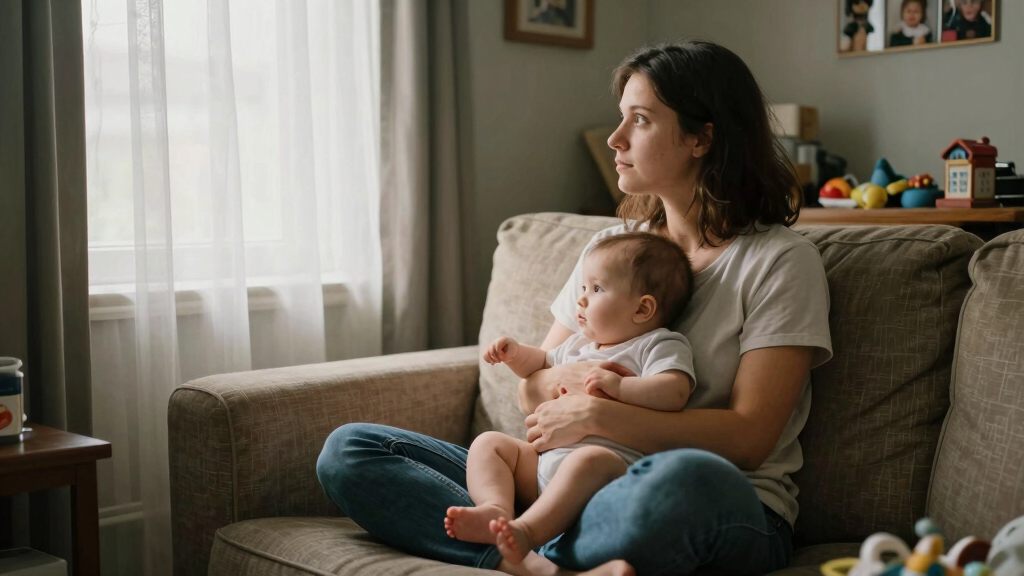
Many new mothers experience a profound form of loneliness called existential loneliness, which is not alleviated by external support. This emotional state involves feeling disconnected from oneself and is often misunderstood or overlooked.
A Finnish study published this year has confirmed that new mothers can experience a form of loneliness called existential loneliness, which persists regardless of external support and deeply affects their sense of self.
The study, published in the International Journal of Qualitative Studies on Health and Well-being, identifies three types of loneliness among new mothers: social, emotional, and existential. While social and emotional loneliness are familiar, existential loneliness involves feeling ‘forgotten as a person’ and being reduced to a role, such as a feeding machine or caregiver, rather than recognized as an individual.
Experts from Columbia University’s Seed Mother program, which focuses on maternal identity transformation, confirm that this form of loneliness is common and often unacknowledged. Co-founders Victoria Trinko and Julia Sarewitz describe it as a disconnection from oneself that external support cannot necessarily fix, especially when unrecognized by others.
Why It Matters
This recognition of existential loneliness is significant because it highlights a hidden, often overlooked aspect of postpartum mental health. It underscores the importance of understanding the emotional and identity-related struggles mothers face beyond clinical depression, informing better support and care strategies.
postpartum self-discovery journal
As an affiliate, we earn on qualifying purchases.
As an affiliate, we earn on qualifying purchases.
Background
The concept of ‘matrescence,’ or the identity transformation of becoming a mother, is central to understanding this phenomenon. Previous narratives have emphasized postpartum happiness, but recent research and expert insights reveal that many mothers experience complex feelings of loss, disorientation, and invisibility that can emerge months or years after childbirth. The Finnish study and initiatives like Seed Mother are part of a broader movement to acknowledge these experiences.
“Many mothers describe feeling confused, disoriented, overlooked, not seen, invisible, unacknowledged, underappreciated, numb, resentful.”
— Victoria Trinko
“Many mothers grieve who they were before, their identity, independence, lifestyle, or sense of control. It coexists with love, joy, and meaning.”
— Julia Sarewitz
What Remains Unclear
It remains unclear how widespread this form of loneliness is across different cultures and socioeconomic groups, and how best to effectively address it in clinical or community settings. More research is needed to develop targeted interventions.
What’s Next
Next steps include further research to quantify and understand existential loneliness, and the development of support programs that acknowledge and address this specific experience. Healthcare providers and support networks are encouraged to incorporate this understanding into postpartum care.
Key Questions
What is existential loneliness in motherhood?
It is a deep feeling of disconnection from oneself, feeling forgotten or invisible as a person, often persisting despite external support.
Why is this form of loneliness often overlooked?
Because it is emotional and existential rather than social, and traditional postpartum support tends to focus on physical health or clinical depression, not inner identity struggles.
How can mothers cope with this loneliness?
Recognition and validation of these feelings are key. Support programs that focus on identity, self-awareness, and emotional processing can help, along with professional counseling tailored to these experiences.
Does this apply to all mothers?
While not every mother will experience this, research suggests it is common enough to warrant greater awareness and support in postpartum care.
Evergreen bestsellers Picks
bestsellers
As an affiliate, we earn on qualifying purchases.