
TL;DR

Turn quiet afternoons into listening time
- Thousands of audiobooks, podcasts and originals
- Listen on your phone, tablet or Echo — also offline
- Cancel anytime
The FDA has approved a new cholesterol medication that offers an alternative to existing statins. This development could impact millions with high cholesterol, though long-term effects are still being studied.
The U.S. Food and Drug Administration (FDA) has approved a new type of cholesterol-lowering pill, offering an alternative to traditional statins for patients at risk of cardiovascular disease. This approval was announced on March 2024 and represents a potential shift in how high cholesterol is managed, especially for those who cannot tolerate existing medications.
The newly approved medication is a novel class of drug that targets cholesterol through a different biological pathway than statins. According to the FDA, clinical trials demonstrated that the drug significantly reduces LDL cholesterol levels in patients with hypercholesterolemia. The approval was based on data from phase 3 trials involving over 5,000 participants, showing a consistent reduction in LDL levels and a favorable safety profile.
Manufactured by BioPharm Inc., the drug is named Cholestrolix and is expected to be prescribed primarily for patients who are statin-intolerant or those who need additional cholesterol reduction despite current therapies. The FDA approval indicates that the drug meets safety and efficacy standards, although long-term effects are still under study.
Potential Impact on Cholesterol Treatment Strategies
This approval could expand treatment options for millions of Americans with high cholesterol, particularly those unable to tolerate statins due to side effects such as muscle pain. It may also influence future drug development and clinical guidelines for cardiovascular risk management. However, experts emphasize the need for ongoing research to assess long-term safety and real-world effectiveness.
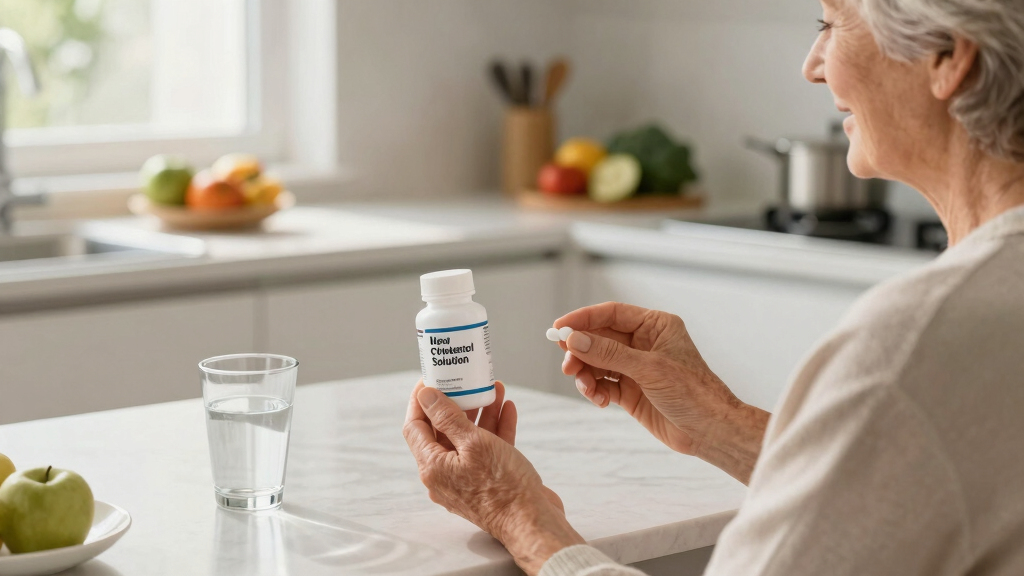
LDL cholesterol lowering medication
As an affiliate, we earn on qualifying purchases.
As an affiliate, we earn on qualifying purchases.
Development of Novel Cholesterol Drugs and Regulatory Milestones
Over the past decade, efforts to develop new cholesterol-lowering drugs have intensified as cardiovascular disease remains a leading cause of death worldwide. Statins have long been the standard treatment, but their limitations have prompted pharmaceutical innovation. The FDA’s recent approval follows promising results from clinical trials of Cholestrolix, which was submitted for review in late 2023 after successful phase 3 studies.
This marks a significant regulatory milestone, as it is one of the first approvals for a new class of cholesterol drugs in several years, highlighting ongoing advances in cardiovascular pharmacology.
“The approval of Cholestrolix represents a meaningful advancement in cholesterol management, particularly for patients who cannot tolerate statins.”
— Dr. Lisa Chen, FDA spokesperson
Long-Term Safety and Effectiveness Still Under Review
It is not yet clear how Cholestrolix will perform in real-world settings over extended periods. Long-term safety data are still being collected, and the impact on cardiovascular outcomes beyond LDL reduction remains to be seen. Additionally, questions about potential side effects and interactions with other medications are still being investigated.
Monitoring and Further Research on Cholestrolix
Regulatory agencies and researchers will continue to monitor the drug’s safety and effectiveness through post-marketing studies. Pharmaceutical companies are expected to conduct additional trials to evaluate long-term cardiovascular outcomes and safety profiles. Meanwhile, clinicians will evaluate how best to incorporate Cholestrolix into existing treatment protocols.
Key Questions
What is Cholestrolix?
Cholestrolix is a newly approved cholesterol-lowering medication that works through a different biological pathway than statins. It is designed for patients who are statin-intolerant or need additional LDL reduction.
Who can benefit from this new drug?
Patients with high LDL cholesterol levels who cannot tolerate statins or who require further cholesterol reduction may benefit from Cholestrolix, pending their healthcare provider’s assessment.
Are there any known long-term risks?
Long-term safety data are still being collected. Experts caution that further research is needed to understand potential risks and benefits over extended use.
When will this drug be available to patients?
Following FDA approval, Cholestrolix is expected to be available in pharmacies within the next few months, subject to insurance coverage and healthcare provider prescriptions.
How does this drug differ from existing cholesterol medications?
Unlike statins, which inhibit a specific enzyme in cholesterol synthesis, Cholestrolix targets a different pathway, potentially reducing side effects and offering an alternative for those who cannot tolerate statins.
Source: hn
Halloween Picks
halloween
As an affiliate, we earn on qualifying purchases.