
Use this guide to plan and assemble a Halloween costume that an older adult can wear comfortably and safely for the intended activity. It is for seniors, family members, and caregivers who want a recognizable look without difficult fasteners, restricted movement, poor visibility, or uncomfortable shoes. The task is beginner-friendly and usually takes 1-3 hours, depending on whether you use clothing already available or need to shop. The finished costume should fit the wearer’s preferences, work with their usual mobility aids, and be easy to put on and remove.

Turn quiet afternoons into listening time
- Thousands of audiobooks, podcasts and originals
- Listen on your phone, tablet or Echo — also offline
- Cancel anytime

Women’s Old Lady Costume Kit with Nightgown, Wig, Cane & Accessories
- ✔ Fabric: 100% cotton blend
- ✔ Care: Machine washable
- ✔ Included clothing: Nightgown
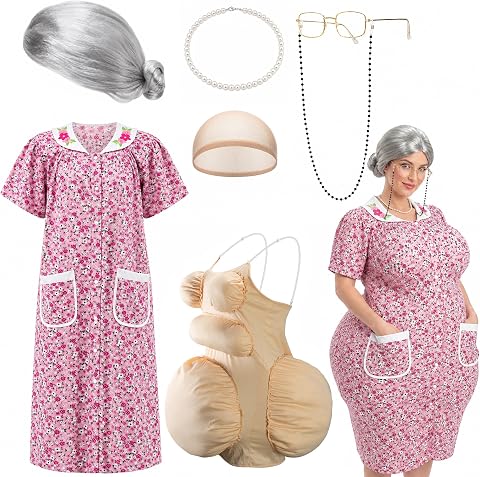
7 Pcs Halloween Grandma Costume Set with Fake Belly, Dress, Wig, and Accessories
- ✔ Fabric: Polyester
- ✔ Sizing: One size fits most adults; very petite or very large wearers may not fit comfortably
- ✔ Included clothing: Pink dress
Difficulty: Beginner | Time: 1-3 hours, plus time to gather clothing or materials
What You’ll Need
Tools & Materials:
- Comfortable clothing from the wearer’s wardrobe
- A full-length mirror or helper to check the costume
- Optional accessories such as a hat, scarf, cardigan, or costume jewelry
- Optional skin-safe makeup or face paint
- A reflective strip or battery-powered light for outdoor activities
Knowledge:
- The wearer’s costume preferences and comfort limits
- How the wearer normally moves, uses mobility aids, and manages clothing fasteners
- Whether the event is indoors, outdoors, seated, or likely to involve walking
Ask the wearer what they would enjoy wearing before choosing a character or theme. Allow extra time if they need help dressing, and plan around temperature, restroom access, sensory sensitivities, and any medical equipment. Do not change prescribed equipment or footwear for the costume.
Women’s Old Lady Costume Kit with Nightgown, Wig, Cane & Accessories
This kit takes the more familiar, low-fuss route: a nightgown-style outfit paired with a curly wig, glasses and chain, pearl necklaces, socks, a wig cap, and a cane. Compared with the pink-dress set, its biggest advantage for comfort-minded shoppers is the disclosed cotton-blend fabric and a garment style that may feel less like a fitted party dress. The listing also says the nightgown is machine washable, a practical detail if the costume is worn for more than one event.That does not make it automatically easy for every wearer. We are not given a size range, garment measurements, closure details, or information about putting the nightgown on while seated. The cane is an included costume accessory, not a stated mobility aid, and the wig, glasses chain, and necklaces may be uncomfortable or cumbersome for some people. We’d treat every accessory as optional and confirm fit before the event.Against the pink-dress option, this is our more comfort-oriented pick, while the other set is more deliberately comic and visually dramatic. Choose this one when the wearer prefers a nightgown silhouette and a recognizable character assembled from familiar props. Skip it if a precise fit is essential, the wearer dislikes wigs or dangling accessories, or a cane must provide reliable physical support.
Pros:
- Cotton-blend nightgown is described as soft and machine washable.
- Includes a wig, glasses with chain, necklaces, socks, wig cap, and cane.
- Nightgown silhouette offers a different, less dress-like look than the pink-dress set.
- Accessories can be used to build the character without sourcing each item separately.
Cons:
- No specific garment size range or measurements are provided.
- Accessory durability and overall costume quality may vary.
- The included cane is a prop; the listing does not establish it as a safe mobility aid.
Best for: Adults who want an old-lady character costume with a nightgown-style base and several removable accessories.
Not ideal for: Wearers who need verified sizing or accessible fasteners, dislike wigs and jewelry, or need a cane for actual support.
Bottom line: We rank this first for its softer-sounding nightgown base and washable fabric, while advising buyers to verify fit and treat the cane as a costume prop.
“We rank this first for its softer-sounding nightgown base and washable fabric, while advising buyers to verify fit and treat the cane as a costume prop.”
7 Pcs Halloween Grandma Costume Set with Fake Belly, Dress, Wig, and Accessories
Where the nightgown kit aims for a more relaxed character outfit, this set leans into a high-impact comic look. Its pink dress, afro wig, glasses, glasses chain, necklace, and fake belly make the transformation visually distinctive without requiring the buyer to find extra costume pieces. For a themed party or a short Halloween appearance where recognizable styling matters more than an understated silhouette, that fuller effect is its main advantage.The same theatrical choices create more comfort questions. The listed material is polyester, and the wig, glasses, chain, and belly-and-chest suit add pieces that may need adjusting or may feel like too much for a long evening. The seller describes the sizing as one size fits most but specifically notes that very petite and very large individuals may not fit comfortably. That is less reassuring than a garment with measurements, so we would check fit carefully rather than relying on the label.Compared with the nightgown option, this is the stronger pick for a deliberately exaggerated costume, not our first choice for a wearer whose priority is soft clothing or minimal accessories. It can suit someone who enjoys a playful, complete character effect and is comfortable trying on several components. If the wearer needs a simpler outfit, has a narrow fit requirement, or prefers to avoid wigs and body padding, the nightgown kit is the more sensible starting point.
Pros:
- Includes a dress, fake belly and chest suit, wig, wig net, glasses, glasses chain, and necklace.
- Pink dress and afro wig create a distinctive look without extensive styling.
- One-size-fits-most design may work for many adult wearers.
- Multiple included pieces make it a ready-made option for parties and theatrical events.
Cons:
- The listing warns that very petite and very large individuals may find the fit uncomfortable.
- Polyester fabric and several accessories may be less comfortable for prolonged wear.
- The wig and accessories may need adjustment, and the look is specifically humorous rather than versatile.
Best for: Costume wearers who want an exaggerated old-lady character look with a dress, fake belly, wig, and coordinated accessories.
Not ideal for: Very petite or very large wearers, anyone sensitive to wigs or extra costume pieces, and shoppers seeking a soft, understated outfit.
Bottom line: We recommend this set for a more theatrical, instantly recognizable costume, but its polyester outfit and less certain fit make it a weaker comfort-first choice than the nightgown kit.
“We recommend this set for a more theatrical, instantly recognizable costume, but its polyester outfit and less certain fit make it a weaker comfort-first choice than the nightgown kit.”
As an Amazon Associate we earn from qualifying purchases.
Before You Start
Decide where and how long the costume will be worn. A short indoor gathering allows different clothing choices from an outdoor event with walking or cold weather. Keep the wearer’s usual glasses, hearing aids, cane, walker, and other needed equipment accessible and unobstructed. Avoid costumes that trail on the floor, cover the eyes, create a choking or trip hazard, or require the wearer to climb into tight garments. If the wearer has a condition that affects balance, temperature regulation, skin sensitivity, or breathing, ask them or their care professional what clothing and materials are suitable.
Step-by-Step Instructions
Step 1: Ask the wearer what they want to be
Offer a few simple themes and ask the wearer to choose, adapt, or reject them. Ideas that can be made from familiar clothes include a movie star, gardener, sailor, artist, detective, cat, or favorite decade. Let the wearer decide how dramatic the costume should look and whether they want makeup, a hat, or other accessories. Do not assume they want a costume based on their age or health.
Tip: If the wearer does not want a full costume, use one themed accessory over ordinary clothes. Participation should remain optional.
Check: The wearer can describe or approve the idea and agrees to wear the planned items.
Step 2: Match the costume to the event and mobility needs
Write down the event location, expected duration, weather, and amount of walking or standing. Check whether the wearer will sit for long periods, use stairs, transfer from a chair, or need regular restroom access. Choose clothing that allows these activities and works with the wearer’s regular shoes and mobility aids. For an outdoor event, plan a warm layer that fits the costume rather than relying on a thin costume garment.
Tip: If a walker, wheelchair, or cane is used, check that costume pieces will not catch in wheels, handles, or the wearer’s hands.
Check: The outfit plan accounts for the setting, temperature, duration, and the wearer’s usual movement.
Step 3: Build the costume from comfortable clothes
Start with soft, familiar clothing that fits properly, such as a shirt and trousers, a simple dress, or a cardigan over everyday clothes. Create the character with one or two easy-to-remove details, such as a scarf, badge, apron, vest, or costume jewelry. Favor front-opening layers, elastic waistbands, and closures the wearer can manage. Avoid tight masks, heavy capes, long robes, stiff collars, and anything that makes dressing or toileting difficult.
Tip: Keep the base outfit familiar. A recognizable accessory often communicates the theme without a full-body costume.
Check: The wearer can sit, stand, reach, and use the restroom without the clothing pulling, pinching, or blocking access.
Step 4: Choose safe accessories and makeup
Select lightweight accessories that stay in place without pins near the skin or tight bands. Keep hats, wigs, and headbands clear of glasses and hearing aids. If the wearer wants makeup, use a product labeled for skin use, test a small area ahead of time, and leave the eyes, nostrils, and mouth unobstructed. Skip cords, dangling pieces, sharp props, loose glitter, and accessories that could snag or be mistaken for medical equipment.
Tip: Use a lightweight, soft prop only if the wearer can carry it without affecting balance or holding a mobility aid.
Check: Accessories stay secure during movement and do not interfere with vision, hearing, breathing, or equipment.
Step 5: Check warmth, visibility, and footwear
Have the wearer put on the complete outfit, including their usual safe shoes and any needed outer layer. For outdoor use, add reflective details or a small battery-powered light where they are visible but do not dangle. Keep the hem above the floor and make sure both shoes have a secure fit and nonslip soles. Do not substitute costume shoes or oversized slippers for regular supportive footwear.
Tip: Test any light before leaving and carry spare batteries if the outing will continue after dark.
Check: The wearer is warm enough for the setting, can see clearly, and has secure footing with no fabric near the ground.
Step 6: Do a full wear-and-movement test
Ask the wearer to put on the costume with the same assistance they will have on event day. Have them sit and stand, walk their usual route, turn, reach, and use their mobility aid. Check the costume from the front and back, then ask directly about pressure, itchiness, heat, or discomfort. Practice removing the outfit and accessing the restroom. Adjust or remove any item that shifts, restricts movement, causes discomfort, or takes too long to manage.
Tip: Do this test before the event rather than in a hurry at the door. Keep an ordinary backup outfit ready.
Check: The wearer can move and manage the costume comfortably, and a helper can quickly remove any item that becomes a problem.
Common Mistakes to Avoid
- Choosing a costume before asking the wearer what they like. — Invite the wearer to choose the theme and level of dress-up. Treat a simple accessory or no costume as a valid choice.
- Using long, loose, or trailing fabric. — Check the hem while the wearer walks and sits. Shorten or remove anything that reaches the floor or can catch on a cane, walker, or wheelchair.
- Replacing familiar shoes with costume footwear. — Keep the wearer’s usual supportive shoes and build the costume around them.
- Leaving the fit and movement test until the event. — Try the full outfit in advance, including layers and mobility aids, and make changes before event day.
Troubleshooting
Problem: The outfit looks like ordinary clothing rather than a costume.
Solution: Add one clear, lightweight themed item, such as a scarf, badge, hat, apron, or distinctive jewelry. Ask the wearer which accessory feels comfortable.
Problem: The wearer feels too warm or cold.
Solution: Remove a nonessential layer indoors or add a familiar coat or cardigan outdoors. Keep the costume’s identifying detail visible while adjusting for comfort.
Problem: An accessory slips, catches, or interferes with glasses or hearing aids.
Solution: Remove it or replace it with a lighter, simpler item. Do not secure an unstable accessory with a pin in a way that could prick the wearer or snag clothing.
Problem: The wearer becomes tired or uncomfortable during the event.
Solution: Remove the costume accessories, offer a place to sit, and change into the backup outfit if needed. Stop the activity if the wearer feels unwell.
What Success Looks Like
The costume reflects the wearer’s choice, fits over comfortable clothing, and suits the event’s weather and activity. The wearer can see, hear, breathe, sit, stand, walk or use their mobility aid, and access the restroom without the costume causing restriction or snagging. Footwear remains supportive, hems stay clear of the floor, and accessories can be removed promptly. The wearer reports feeling comfortable and is willing to wear the outfit.
Next Steps
Set the tested outfit, accessories, and backup clothing together so they are easy to find on event day. Check the weather and test lights or reflective details before leaving. Bring a bag for removable items and take a short comfort break during a longer event. Afterward, remove makeup promptly according to its label, wash reusable items as directed, and ask the wearer which parts they would change for another occasion.
Frequently Asked Questions
What is a simple Halloween costume for a senior?
Use familiar clothing and add one recognizable accessory. A cardigan with a scarf and badge can suggest a favorite character or profession; an apron and gardening gloves can create a gardener look. Choose the details with the wearer and keep them easy to remove.
How can I make a costume work with a walker or wheelchair?
Keep fabric short and close to the body, and avoid straps or decorations near wheels, handles, and brakes. Test the outfit while the wearer uses the mobility aid as usual. Do not cover controls, grips, or reflective features.
Can a senior wear a mask or wig?
Only use one if the wearer can see, hear, breathe, and move comfortably with it on. A mask must not obstruct vision or breathing, and a wig must not interfere with glasses or hearing aids. Remove it if it causes discomfort, heat, or confusion.
How can the costume stay visible outdoors at night?
Add reflective tape or a battery-powered light to an outer layer or bag, keeping it secure and clear of mobility equipment. Test the light before the outing and retain the wearer’s normal glasses and safe footwear.
Halloween Picks
halloween
As an affiliate, we earn on qualifying purchases.