
TL;DR

Turn quiet afternoons into listening time
- Thousands of audiobooks, podcasts and originals
- Listen on your phone, tablet or Echo — also offline
- Cancel anytime
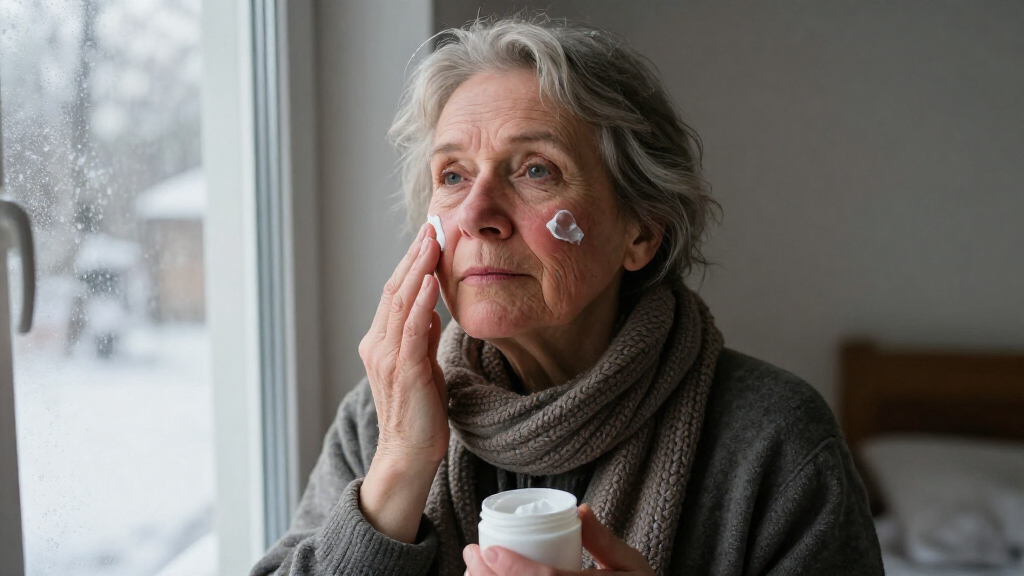
A Sixty and Me report explains how winter conditions can increase moisture loss and leave skin feeling tight, dry or irritated, with age-related changes potentially making these effects more noticeable. It recommends adjusting moisturizer and protecting exposed skin, but the supplied material does not include new clinical findings or quantify the effects.
A Sixty and Me report describes how cold outdoor air, wind and dry indoor conditions can contribute to moisture loss and winter skin discomfort, including tightness, roughness and flaking. The article says these changes may be more noticeable for women over 60, and recommends responding to how skin feels rather than automatically replacing an entire skin-care routine.
The report explains that the skin’s outer layer, the stratum corneum, helps retain water and protect against irritants. Its cells are held together by lipids, cholesterol and fatty acids. When this barrier is disrupted, water can escape more readily, leaving skin dry or irritated. The article identifies cold, dry air and wind as winter stressors: wind can speed moisture evaporation, while heating outdoor air indoors can lower its relative humidity.
Other habits can add to the problem, according to the report. Hot showers and harsh cleansers may remove some of the lipids that help maintain the protective barrier. The article also distinguishes dry skin, which lacks oil, from dehydrated skin, which lacks water in the outer layers. Either can contribute to tightness and a dull appearance; dehydration can make fine lines look more pronounced.
For care, the report recommends a moisturizer suited to the skin’s needs. It describes humectants such as glycerin and hyaluronic acid as ingredients that attract water, emollients such as plant oils as softening ingredients, and occlusives as ingredients that help reduce moisture loss. It also advises gentle cleansing, avoiding aggressive exfoliation, using a humidifier when indoor air is dry, and applying broad-spectrum SPF 30 or higher to exposed skin year-round. Gloves, scarves and clothing can protect skin outdoors.
Why Winter Exposure Can Affect Comfort
Winter skin discomfort can affect daily routines, especially when time outdoors, indoor heating and frequent washing combine. The report’s practical point is that small changes may be enough: a gentler cleanser, a richer moisturizer on dry areas, or covering the face and hands in cold wind. Readers do not necessarily need to discard products that are working; the article frames adjustment as a response to symptoms.
The emphasis on sun protection in winter also matters because lower temperatures do not remove ultraviolet exposure. The report says cumulative UV exposure contributes to pigmentation changes, wrinkles and loss of elasticity. It recommends sunscreen on exposed skin even on cloudy days, alongside protective clothing.
Products Worth Considering

BowFlex Results Series 552 SelectTech Adjustable Dumbbell

Bowflex SelectTech 840 Adjustable Kettlebell

BowFlex Results Series SelectTech Adjustable Dumbbells, Pair
As an affiliate, we earn on qualifying purchases.
How Age and Indoor Air Factor In
Skin changes with age, and the report says that after menopause, declining estrogen levels contribute to changes in hydration, elasticity and thickness. It also says skin produces fewer lipids and may become less efficient at maintaining moisture. These points provide context for why some older adults may notice seasonal dryness more strongly; the source does not establish that every person over 60 will experience the same changes.
The article is a consumer skin-care report, not a clinical trial. It discusses ingredient categories and practical habits, and also includes promotional material from Colorado Aromatics, which describes its botanical products. Its statements about calendula and fennel refer to potential skin-conditioning or antioxidant benefits; the supplied report does not present study details or evidence that a particular product treats a skin condition.
““Winter doesn’t mean you need to replace your skincare routine.””
— Sixty and Me report
What the Report Does Not Establish
The supplied material does not give a publication date, cite specific clinical studies, or quantify how much cold, wind or indoor humidity changes skin moisture. It also does not compare particular products or establish that botanical ingredients such as calendula or fennel provide a measured benefit in a finished formula. Those ingredient claims should be read as potential benefits described by the report, not proof of a treatment effect.
Individual symptoms can have different causes, and the article does not offer a diagnosis. It is not clear from the source how long dryness should persist before a person seeks professional advice. Anyone with ongoing, severe or worsening skin symptoms can consult a qualified health professional.
Adjust Care to Skin’s Response
The report offers no scheduled follow-up or new research milestone. Its suggested next step is to watch for tightness, flaking or irritation and make modest changes: use a gentler cleanser if washing leaves skin tight, apply moisturizer after cleansing, and add a richer cream or balm to particularly dry areas. Before going outdoors, it recommends moisturizer, sunscreen on exposed skin and coverage such as gloves or a scarf.
After returning indoors, the article advises cleansing gently and moisturizing if needed, while avoiding repeated scrubbing of rough patches. Whether these measures help will vary by person; the source provides general guidance rather than a guarantee of results.
Key Questions
Why can skin feel drier in winter?
The report says cold, dry air and wind can increase moisture loss, while indoor heating can make indoor air drier. Hot water and harsh cleansers may also remove lipids that support the skin barrier.
Does everyone need a new winter skin-care routine?
No. The report says people whose skin remains comfortable can continue with what works. If skin feels tight or flakes, it suggests considering a gentler cleanser or a richer moisturizer for dry areas.
Should sunscreen still be used in winter?
The report recommends broad-spectrum SPF 30 or higher on exposed skin, including on cloudy days. It says UV exposure continues throughout the year.
What is the difference between dry and dehydrated skin?
In the report’s description, dry skin lacks sufficient oil, while dehydrated skin lacks water in the outer layers. Both may be associated with tightness or a dull appearance.
When should someone seek advice about skin symptoms?
The supplied report does not set a threshold or diagnose skin conditions. For persistent, severe or worsening symptoms, readers can seek advice from a qualified health professional.
Source: sixtyandme.com