
TL;DR

Turn quiet afternoons into listening time
- Thousands of audiobooks, podcasts and originals
- Listen on your phone, tablet or Echo — also offline
- Cancel anytime
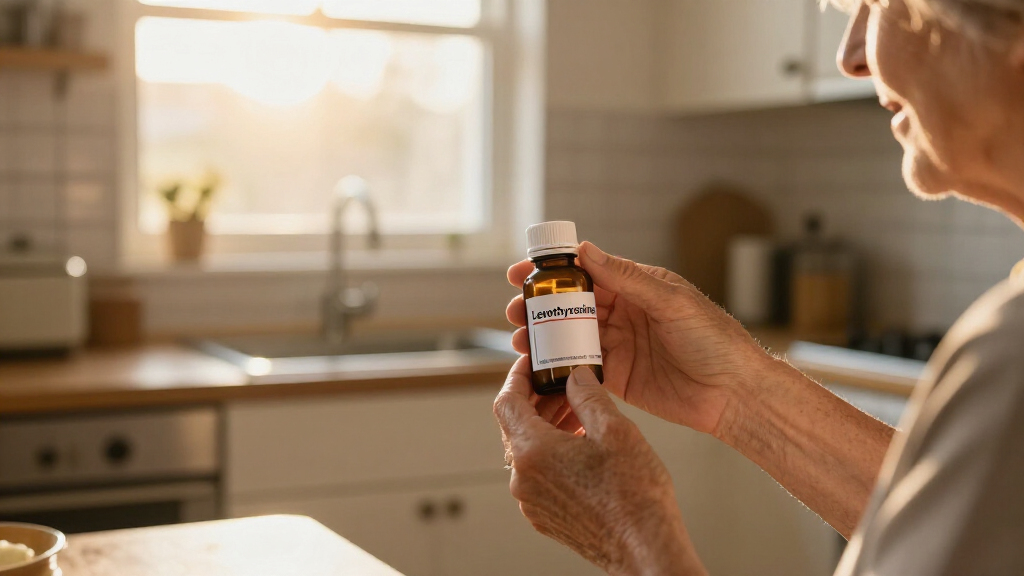
The FDA has issued a recall of specific levothyroxine sodium tablets in 2026 due to contamination risks. This recall affects thousands of patients relying on thyroid medication. Details on affected products and next steps are still emerging.
The Food and Drug Administration (FDA) announced on February 15, 2026, a voluntary recall of certain levothyroxine sodium tablets due to contamination concerns. The recall affects multiple brands and dosages, impacting thousands of patients across the United States. This development is significant for individuals relying on thyroid hormone replacement therapy, as it raises questions about medication safety and supply stability.
The FDA identified contamination with particulate matter in specific lots of levothyroxine products, which could pose health risks such as allergic reactions or other adverse effects. The affected medications include brands like Synthroid, Levoxyl, and generic equivalents, with batch numbers and expiration dates now under review. For more details, see the Egg Recall. The recall was initiated after routine testing revealed the presence of foreign particles in some batches, according to FDA officials.
Manufacturers have begun notifying pharmacies and healthcare providers about the recall and are advising patients to consult their physicians before making any changes to their medication routines. The FDA has emphasized that patients should not stop their medication abruptly but should seek medical guidance for alternatives or next steps. The agency is also working with manufacturers to determine the scope of the contamination and prevent future issues.
Impacts on Patients and Healthcare Providers
This recall underscores the importance of medication safety and quality control in pharmaceutical manufacturing. For patients, especially those with hypothyroidism relying on levothyroxine, the recall raises concerns about treatment continuity and safety. Healthcare providers must identify affected patients and consider alternative therapies or new prescriptions, which could temporarily disrupt treatment plans. The recall also highlights the ongoing challenges in ensuring drug purity and manufacturing standards in the pharmaceutical industry.
levothyroxine alternative medication
As an affiliate, we earn on qualifying purchases.
As an affiliate, we earn on qualifying purchases.
Background on Levothyroxine and Past Recalls
Levothyroxine is a widely prescribed medication for hypothyroidism, with millions of Americans depending on it daily. Past recalls related to levothyroxine have been primarily due to manufacturing issues, potency inconsistencies, or contamination. Notably, in 2018, several batches were recalled due to potency concerns, leading to supply shortages. The 2026 recall marks a new chapter, with contamination now identified as the primary concern. The FDA has increased oversight of thyroid medications following previous safety incidents and ongoing supply chain challenges.
“Patient safety is our top priority. We are actively investigating the contamination and working with manufacturers to resolve the issue swiftly.”
— FDA Commissioner Dr. Jane Smith
Extent of Contamination and Affected Products
It is still unclear how widespread the contamination is and which specific batches or brands are affected beyond those already identified. The exact nature of the particulate matter and potential health risks remain under investigation. The FDA and manufacturers have not yet released a comprehensive list of all affected products or detailed testing results.
Next Steps for Patients and Healthcare Providers
Patients taking levothyroxine should consult their healthcare providers for guidance. The FDA and manufacturers are expected to publish detailed lists of affected batches and provide instructions for replacement or alternative medications. Regulatory agencies will continue monitoring the situation, and further updates are anticipated in the coming weeks. Patients are advised not to discontinue medication without medical advice.
Key Questions
Which levothyroxine products are affected by the recall?
The FDA has identified certain batches of Synthroid, Levoxyl, and generic levothyroxine tablets as affected. Specific batch numbers and expiration dates are being communicated to healthcare providers and pharmacies.
What health risks are associated with the contaminated medication?
Contamination with particulate matter could cause allergic reactions, inflammation, or other adverse effects. Patients experiencing symptoms should seek medical attention promptly.
Should I stop taking my medication immediately?
No. Patients should not stop their medication abruptly. Instead, they should contact their healthcare provider for guidance and possible alternatives.
How long will the recall last?
The FDA and manufacturers are still investigating the scope of the contamination. Further updates and a timeline for resolution are expected in the coming weeks.
Source: google-trends
Halloween Picks
halloween
As an affiliate, we earn on qualifying purchases.