
TL;DR

Turn quiet afternoons into listening time
- Thousands of audiobooks, podcasts and originals
- Listen on your phone, tablet or Echo — also offline
- Cancel anytime
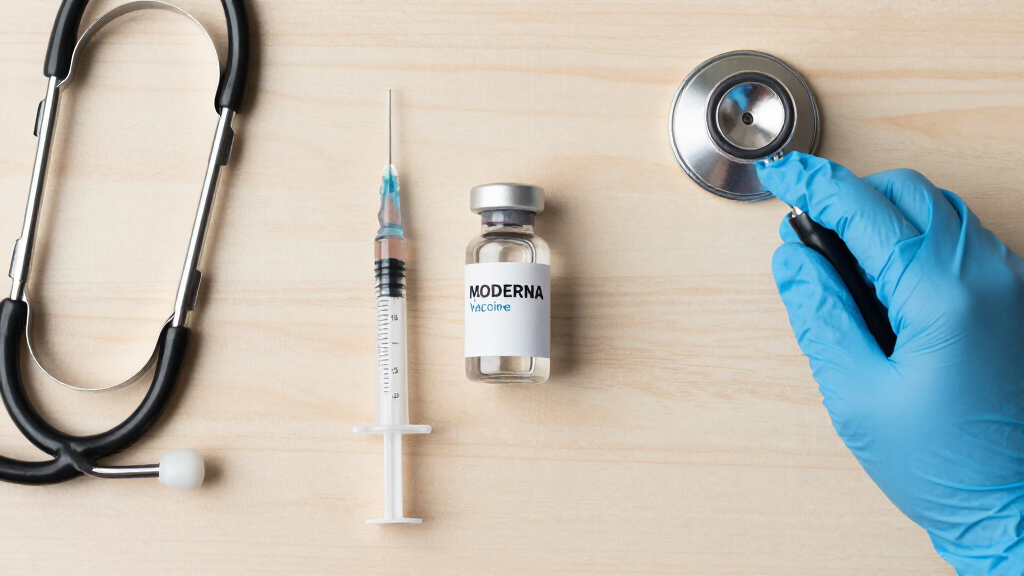
Moderna has announced positive preliminary data on its updated COVID-19 booster vaccine, indicating improved protection against emerging variants. The company plans to submit the data for regulatory review soon.
Moderna has announced preliminary data indicating that its updated COVID-19 booster vaccine offers increased protection against circulating variants, with the company preparing to submit the data to regulatory authorities for approval. This development could impact vaccination strategies amid ongoing concerns about variant evolution and vaccine effectiveness.
According to Moderna, early results from clinical trials show that its new booster vaccine elicits a stronger immune response compared to previous versions. The company stated that the data demonstrates increased neutralizing antibody levels against multiple variants, including Omicron sublineages.
Moderna plans to submit these findings to the U.S. Food and Drug Administration (FDA) and other regulatory agencies shortly, seeking approval for widespread use. The updated vaccine is designed to target specific mutations found in emerging variants, aiming to improve long-term immunity.
While the company has shared initial data, full trial results and detailed efficacy metrics are not yet publicly available. You can learn more about mRNA vaccines here. Regulatory review timelines remain uncertain, and health authorities have emphasized the need for comprehensive data before approval.
Potential Impact on COVID-19 Vaccination Strategies
This development is significant because it could lead to an updated booster shot that offers better protection against new variants, potentially reducing breakthrough infections and hospitalizations. As the virus continues to evolve, having more effective vaccines could be crucial for ongoing public health efforts.
Experts note that if approved, the new booster might be incorporated into existing vaccination programs, especially for vulnerable populations. However, the actual impact depends on regulatory decisions and real-world effectiveness data, which are still pending.
As an affiliate, we earn on qualifying purchases.
Recent Advances and Regulatory Steps in COVID-19 Vaccines
Moderna’s announcement follows ongoing efforts worldwide to adapt COVID-19 vaccines to new variants. In late 2023, several vaccine manufacturers, including Moderna and Pfizer, began developing updated formulations to address the evolving virus.
Regulatory agencies like the FDA and EMA have indicated they will review data for updated vaccines on a case-by-case basis, with some approvals granted for bivalent or variant-specific boosters. Moderna’s move aligns with broader industry trends to enhance vaccine efficacy amid persistent viral mutation.
Previous booster campaigns have shown varying degrees of success, and the need for updated vaccines remains a key focus for public health authorities globally.
“We will review Moderna’s data thoroughly and will only approve the vaccine if it meets our safety and efficacy standards.”
— FDA spokesperson
Uncertainties Around Efficacy and Regulatory Approval Timeline
It is not yet clear when the full trial results will be published or how quickly regulatory agencies will approve the updated vaccine. The actual effectiveness of the vaccine in preventing COVID-19 infections in real-world settings remains to be confirmed through further studies.
Additionally, the long-term durability of the immune response elicited by the new booster is still unknown, and whether it will be adopted widely depends on regulatory decisions and public health policies.
Moderna plans to submit its detailed trial data to the FDA and other regulators within the coming weeks. Regulatory agencies will then evaluate the data, potentially leading to emergency use authorizations or full approvals.
Public health authorities will monitor the vaccine’s performance once approved and may incorporate it into upcoming booster campaigns. Further real-world effectiveness studies are expected to follow.
Key Questions
When will Moderna’s new booster be available to the public?
Availability depends on regulatory approval, which is expected after review of the submitted data. This process could take several weeks to months.
How does the new booster differ from previous versions?
The updated booster is designed to target specific mutations in circulating variants, aiming to elicit a stronger immune response against them.
Is the new booster safe?
Moderna reports that early trial data shows the vaccine is well-tolerated, but full safety data will be available after complete trial analysis and regulatory review.
Will this new vaccine replace existing COVID-19 vaccines?
It will depend on regulatory decisions and public health policies. The new booster is intended to enhance protection, especially against variants.
What does this mean for ongoing COVID-19 vaccination efforts?
If approved, the new booster could be integrated into current vaccination programs, potentially improving immunity levels in populations.
Source: bluesky
Halloween Picks
halloween
As an affiliate, we earn on qualifying purchases.