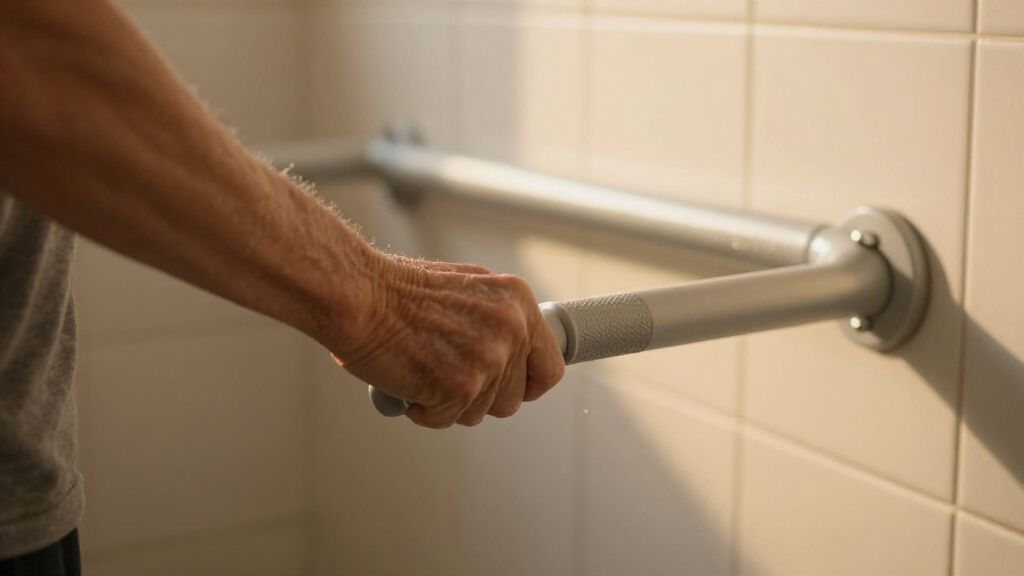

When it comes to preventing falls among adults, especially seniors or those with mobility challenges, the right tools can make all the difference. The Secure Gait Belt stands out as the best overall due to its durable construction and reliable safety features. The Vive Gait Belt offers excellent support for bariatric users, while the Vive Bed Restraints provide added security for those at high fall risk. However, choosing the ideal fall prevention tool involves tradeoffs like ease of use, comfort, and adjustability. Keep reading for a detailed breakdown of these options to find the best fit for your situation.

Turn quiet afternoons into listening time
- Thousands of audiobooks, podcasts and originals
- Listen on your phone, tablet or Echo — also offline
- Cancel anytime
Complete the kit


Key Takeaways
- Durability and secure fastening are vital for reliable fall prevention tools.
- Adjustability and comfort significantly impact user compliance and safety.
- Support for specific needs, such as bariatric or dementia care, requires tailored features.
- Ease of application and removal influences daily usability for caregivers and patients.
- Higher-priced options often offer enhanced build quality and additional safety features.


| adult fall prevention tool | Material | Weight Capacity | Width |
|---|---|---|---|
| Secure Gait Belt for Seniors w | 100% Cotton webbing | 400 lbs | 2 inches |
| Wheelchair Seatbelt Restraints | High-quality materials | — | — |
| Medical King Gait Belt with 6 | Strong, comfortable material | 500 lbs | — |
| COW&COW Transfer and Gait Belt | Cotton webbing | 350 lbs | 2 inches |
| Gait Belt for Seniors with Han | Nylon webbing | 350 lbs | — |
| Vive Gait Belt | Nylon, Plastic, Metal | 350 lbs | 4 inches |
| Vive Bed Restraints for Elderl | — | — | — |
| Gait Belt for Seniors with Han | 80% polyester, 20% nylon | — | 5 inches |
More Details on Our Top Picks
Secure Gait Belt for Seniors with Metal Buckle – Transfer and Walking Aid
This gait belt stands out for its durable cotton webbing and quick-release metal buckle, making it a reliable choice for both caregivers and healthcare professionals. Compared with the Vive Gait Belt, it offers a more adjustable fit and a sturdy metal buckle, which enhances safety during transfers. However, its length of 60 inches may be cumbersome for smaller users, and limited color options mean fewer customization choices. Its heavy-duty stitching and comfortable material make it suitable for daily use, though it requires regular washing for maintenance. This pick makes the most sense for caregivers seeking a versatile, durable gait belt that can handle frequent transfers and support a wide range of users.
Pros:- Durable construction with heavy-duty stitching
- Adjustable length for a secure fit
- Easy to use quick-release buckle
- Comfortable for daily use
Cons:- May be too long for smaller users
- Requires washing for maintenance
Best for: Caregivers and healthcare professionals needing a reliable, adjustable gait belt for daily use
Not ideal for: Small-stature users or those preferring colorful, less bulky options
- Length:60 inches
- Width:2 inches
- Material:100% Cotton webbing
- Weight Capacity:400 lbs
- Buckle Type:Quick-release metal buckle
Our verdict“A highly durable and adjustable gait belt ideal for professional caregivers managing frequent transfers.”
Wheelchair Seatbelt Restraints for Dementia Patients Fall Prevention, Adjustable Safety Harness for Adults
This safety harness is designed specifically to prevent falls in wheelchair users, offering adjustable fit and easy installation with a quick-release buckle. Unlike the Medical King Gait Belt, which is more suited for transfers and walking, this restraint focuses solely on secure positioning. Its tool-free setup makes it practical for busy care environments, but it’s limited to restraint use, so it’s not suitable for general walking support. The high-quality materials promise durability, yet confirming the right size beforehand is necessary to avoid improper fit. It’s best for facilities prioritizing fall prevention in wheelchair-bound patients but less suitable for active ambulation support.
Pros:- Easy to install and remove without tools
- Adjustable to fit different sizes and chairs
- Durable high-quality materials
- Suitable for various care environments
Cons:- Requires size confirmation before purchase
- Limited to safety restraint use only
Best for: Care facilities and family caregivers needing fall prevention for wheelchair-bound individuals
Not ideal for: Users needing support during walking or transfers outside a wheelchair setting
- Material:High-quality materials
- Adjustability:Yes
- Installation:Tool-free, quick-release buckle
- Application:Wheelchairs, other chairs
Our verdict“A straightforward restraint system ideal for preventing falls in wheelchair users, but not designed for walking support.”
Medical King Gait Belt with 6 Handles, 50 inches, Supports up to 500 lbs
This gait belt offers exceptional strength with a 500 lbs capacity and six padded handles, making it ideal for intense rehabilitation or heavy patients. Compared with the COW&COW Transfer Belt, which features a longer length of 60 inches, this 50-inch model is more manageable for smaller users but supports a higher weight load. Its padded handles provide multiple grips, enhancing safety and comfort during transfers, but the bulkiness might be a drawback for petite users. Proper training is essential to avoid misuse, especially given its strength. It’s best suited for therapy or settings requiring robust support, though less ideal for users who prefer lightweight, less bulky belts.
Pros:- Supports up to 500 lbs for heavy patients
- Six padded handles for versatile grips
- Adjustable to fit different sizes
- Durable and comfortable material
Cons:- May be bulky for some users
- Requires proper training to use safely
Best for: Rehabilitation centers and caregivers handling heavier or larger patients needing secure support
Not ideal for: Petite users or those seeking lightweight, less bulky options for casual use
- Length:50 inches
- Weight Capacity:500 lbs
- Handles:6 padded handles
- Material:Strong, comfortable material
- Adjustability:Yes
Our verdict“A heavy-duty gait belt perfect for rehabilitation or heavier patients where safety and support are paramount.”
COW&COW Transfer and Gait Belt with Metal Buckle – 2 inches, Beige with Stripes, 60″
The COW&COW Transfer and Gait Belt excels in durability with its sturdy cotton webbing and secure nickel-chrome plated steel buckle. Its 60-inch length makes it suitable for a wide range of users, though it may be less ideal for petite individuals, unlike the Secure Gait Belt that offers more adjustability. The belt’s machine-washable fabric simplifies maintenance, but its singular color and style options limit customization. Designed for safe lifting and patient support, it’s a solid choice for caregivers needing a dependable transfer aid, though its length could be restrictive for some users.
Pros:- Durable and comfortable cotton webbing
- Adjustable length up to 60 inches
- Secure metal buckle for safety
- Machine washable for easy cleaning
Cons:- Limited to 60-inch length
- Only available in beige with stripes
Best for: Caregivers needing a durable, easy-to-clean transfer belt for supporting patients during lifts
Not ideal for: Very petite users or those seeking a wide variety of aesthetic options
- Width:2 inches
- Length:60 inches
- Color:Beige with stripes
- Material:Cotton webbing
- Buckle:Nickel-chrome plated steel
- Weight capacity:350 lbs
Our verdict“A reliable transfer belt that balances durability and safety for routine caregiving tasks.”
Gait Belt for Seniors with Handles, Adjustable Transfer Belt with Metal Buckle for Elderly & Patients
This gait belt offers a versatile fit with its adjustable range of 31 to 51 inches and features multiple handles, including vertical and horizontal grips, for enhanced control. Compared with the Medical King Gait Belt, which has six handles but a shorter length, this belt provides more flexibility in fit and grip angles. Its nylon webbing offers durability, while the wider back (6 inches) improves comfort during use. However, the metal buckle with non-slip teeth could be uncomfortable for some users, and its bulkiness might be an issue for petite or slim individuals. Best suited for caregivers who need multiple grip options and adjustable sizing for different patients, though less ideal for those seeking a lightweight, minimal design.
Pros:- Adjustable from 31 to 51 inches
- Multiple handles for secure grip from different angles
- Heavy-duty construction rated for 350 lbs
- Wider back support for comfort
Cons:- May be bulky for very petite users
- Metal buckle might be uncomfortable for some
Best for: Caregivers supporting a diverse range of patients needing adjustable, multi-grip transfer belts
Not ideal for: Very petite users or those preferring slim, lightweight belts for casual use
- Waist Size Range:31 to 51 inches
- Handles:6 (4 vertical, 2 horizontal)
- Weight Capacity:350 lbs
- Material:Nylon webbing
- Buckle:Metal with non-slip teeth
- Back Width:6 inches
Our verdict“A flexible, multi-grip transfer belt ideal for diverse patient needs and adjustable use, with some bulkiness.”
Vive Gait Belt (350 lbs) Transfer Belt with Handles – Medical Nursing Patient Assist, Bariatric, Elderly, Handicap, Physical Therapy
This gait belt stands out for its robust support capacity of 350 lbs, making it ideal for bariatric and elderly patients who require secure handling. Compared with the Gait Belt for Seniors with Handles, this model offers a higher weight limit and seven padded handles that allow caregivers to support patients from multiple angles, reducing strain and improving safety. The adjustable waist and quick-release buckle add convenience, but the belt’s 4-inch width may be cumbersome for smaller users, and it requires proper caregiver training to maximize safety. Its durable nylon construction ensures longevity, but limited color options might be less appealing in some settings.
Pros:- Supports up to 350 lbs, ideal for bariatric and heavy patients
- Seven padded handles for secure, multi-angle support
- Adjustable waist with quick-release buckle for ease of use
- Durable construction with reinforced stitching
Cons:- May be too wide for smaller users
- Requires caregiver training to ensure safe application
Best for: Caregivers managing bariatric patients or residents who need multi-angle support during transfers.
Not ideal for: Individuals with smaller waist sizes or those preferring thinner, less bulky belts; caregivers seeking more color variety.
- Material:Nylon, Plastic, Metal
- Weight Capacity:350 lbs
- Waist Size:Up to 51 inches
- Handle Count:7
- Width:4 inches
Our verdict“This belt is best suited for caregivers needing reliable, heavy-duty support during patient transfers involving larger individuals.”
Vive Bed Restraints for Elderly Dementia Patients – Safety Belt for Wheelchair & Bed
This safety restraint system excels in providing a secure attachment to prevent elderly or recovering patients from falling out of bed or wheelchair. Unlike the Gait Belt for Seniors with Handles, which is designed for active transfers, this restraint offers a fixed safety solution that enhances stability during rest. Its adjustable straps and cushioned waist belt ensure comfort while maintaining safety. Easy to install and compatible with most beds and mattresses, it features durable, water-resistant materials for long-term use. However, it doesn’t wrap around the entire mattress, which limits its coverage, and it’s not a replacement for bed rails. Its primary role is prevention, not active support during movement.
Pros:- Easy to install with adjustable straps and quick-release buckle
- Durable, water-resistant materials for longevity
- Provides enhanced safety and stability during rest
- FSA/HSA approved with a 60-day guarantee
Cons:- Does not encircle the entire mattress, limiting coverage
- May require adjustment for different bed types
- Limited to restraint use, not suitable for active transfers
Best for: Family caregivers or healthcare providers seeking a reliable fall prevention tool for elderly or dementia patients during sleep or rest.
Not ideal for: People needing active transfer assistance or those seeking a full bed rail replacement; users looking for a device to support mobility rather than restraint.
- Brand:Vive
- Unit Count:1
- UPC:810113575988
- Fits:Most hospital beds and full-size mattresses
- Total Length:200 inches
Our verdict“This restraint system offers an effective, non-intrusive way to prevent falls for elderly patients during sleep or inactivity.”
Gait Belt for Seniors with Handles, Safety Transfer Belt with Quick Release Buckle
This gait belt prioritizes ease of use and comfort, featuring seven reinforced handles and a quick-release buckle, making it a solid choice for caregivers assisting with mobility. Compared with the Vive Gait Belt (350 lbs), it offers a slightly narrower 5-inch width and focuses on simpler, everyday transfers rather than supporting very heavy individuals. The multiple handles provide versatile grip options, but the limited waist size adjustment (30-43 inches) may not fit very small or large users comfortably. Its durable, washable fabric ensures longevity, yet some users might find handle placement less optimal for certain transfer techniques, especially in complex situations.
Pros:- Multiple ergonomic handles for versatile support
- Durable, washable fabric with reinforced stitching
- Easy to put on and remove with quick-release buckle
- Supports safe, effective transfers
Cons:- Limited waist size adjustment range for very small or large users
- Handle placement may be less suitable for some transfer types
Best for: Caregivers working with elderly or mobility-challenged patients needing straightforward, comfortable transfer support.
Not ideal for: People requiring support for larger waist sizes or those needing very specialized transfer grips; users who prefer more adjustability in belt sizing.
- Material:80% polyester, 20% nylon
- Width:5 inches
- Adjustable Waist Size:30-43 inches
- Handle Count:7
- Buckle Type:Quick release polymer plastic
Our verdict“This belt offers a balanced combination of comfort and functionality for routine transfers in home or clinical settings.”
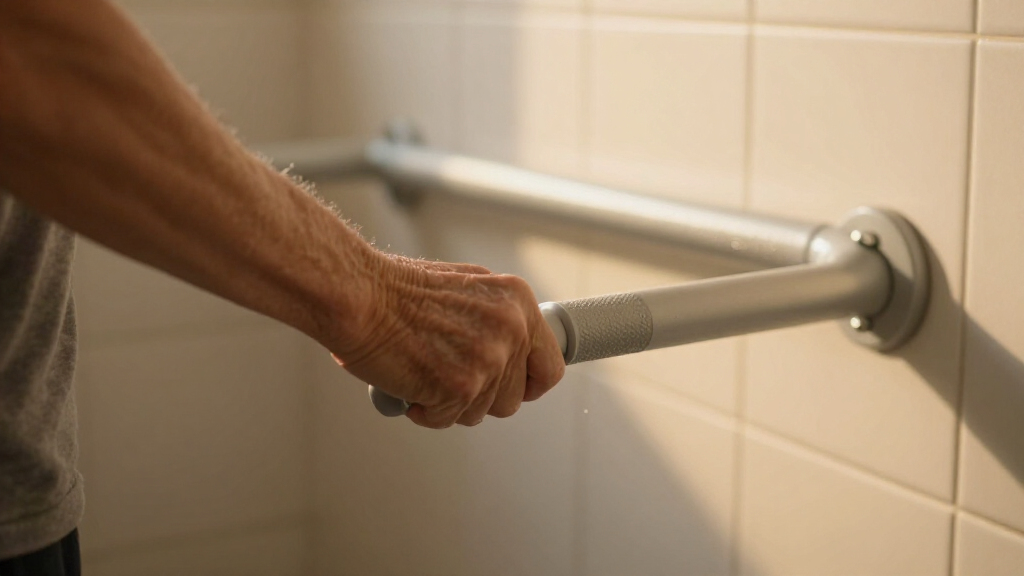
How We Picked
We evaluated adult fall prevention tools based on their safety features, durability, ease of use, adjustability, and suitability for different user needs. Products with strong construction, secure fastening mechanisms, and user-friendly design ranked higher. We also considered weight capacity, comfort, and versatility, ensuring each tool could serve various scenarios, from bedside safety to mobility assistance. Our rankings favor options that balance safety with practicality, helping caregivers and users make confident choices without unnecessary complexity or compromise.Factors to Consider When Choosing Adult Fall Prevention Tools
Choosing the right adult fall prevention tool requires considering several factors that influence safety, comfort, and usability. The best option depends on the user’s specific mobility level, health condition, and environment. Paying attention to features like adjustability and support can make a significant difference in daily safety. Additionally, understanding common pitfalls, such as choosing overly complicated devices or those lacking proper weight support, can prevent inconvenient or ineffective purchases.Safety and Security Features
Look for tools with secure fastening mechanisms, such as metal buckles or quick-release clips, which prevent accidental release. Strong stitching and durable materials also matter, especially for users who may exert more force or have higher weight. Devices that include multiple handles or adjustable straps can better accommodate different body types and mobility needs, adding layers of support to prevent falls effectively.
Adjustability and Fit
Tools that can be easily adjusted ensure a snug fit without causing discomfort. Overly tight devices can restrict movement or cause skin irritation, while loose ones may fail to provide the needed support. Check for adjustable straps, multiple sizing options, or customizable features that allow caregivers to tailor the fit for each user, thereby maximizing safety and comfort.
Ease of Use and Maintenance
Choosing tools that are simple to put on and take off saves time and reduces frustration for caregivers and users alike. Consider whether the device requires special cleaning or maintenance routines, which could impact long-term usability. Quick-release mechanisms are especially useful in emergency situations, allowing rapid removal if necessary.
Support for Specific Needs
Different users have distinct needs—bariatric patients require higher weight capacities, while dementia patients benefit from devices that minimize confusion and misuse. It’s crucial to select tools that accommodate these particular needs, enhancing safety without compromising dignity or comfort. Recognizing these nuances prevents investing in generic solutions that may not serve the user’s best interests.
Cost and Value
Higher-quality tools often come at a premium but may last longer and provide better safety features. However, affordable options can be effective for short-term or less frequent use. Balance your budget with the level of safety and comfort needed, and remember that investing in a durable, well-designed product can reduce risks and potentially lower long-term costs related to falls or injuries.
Frequently Asked Questions
How do I choose a fall prevention tool that’s comfortable for daily use?
Comfort is key for consistent use, so look for adjustable straps and padded areas that won’t irritate the skin. Materials like breathable fabrics or lightweight metals can reduce discomfort during extended wear. Additionally, selecting a device that fits well without being too tight or loose helps prevent chafing and encourages regular use, ultimately enhancing safety without sacrificing comfort.
Are heavier-duty fall prevention tools necessary for bariatric patients?
Yes, for bariatric individuals, selecting tools with higher weight capacities and reinforced materials is essential. Products like the Vive Gait Belt support up to 350 lbs or more, ensuring safety without risk of failure. Using inadequate tools can lead to safety compromises or device failure, so prioritize those explicitly rated for higher weights and with reinforced stitching for maximum security.
Can these tools help prevent falls in dementia patients who are confused or agitated?
Tools designed for dementia care often include features that minimize misuse and confusion, like simple quick-release buckles or color-coding. The goal is to provide safety without restricting movement excessively or causing distress. It’s important to choose devices that are intuitive for caregivers and safe for the patient, helping prevent falls without adding to agitation or discomfort.
How often should I replace or inspect fall prevention tools?
Regular inspection is vital; look for signs of wear, fraying, or damaged buckles each month. Replace any device that shows signs of deterioration or after a certain period recommended by the manufacturer—typically one to two years. Proper maintenance and timely replacement ensure the device continues to provide reliable support and safety.
Is it better to buy a multi-purpose tool or a specialized fall prevention device?
Choosing depends on the user’s specific needs. Multi-purpose tools may offer convenience and cost savings but might lack specialized features for certain conditions. Conversely, dedicated devices tailored for particular needs—like bariatric support or dementia care—often provide enhanced safety and comfort. Assess the primary concerns and select a tool that prioritizes those to maximize safety and usability.
Conclusion
For those seeking a reliable all-around safety solution, the Secure Gait Belt for Seniors stands out as the best overall choice. Caregivers managing higher weight users or requiring extra support should consider the Vive Gait Belt for its strength and comfort. For budget-conscious buyers, affordable options like the Gait Belt with Handles offer decent support without sacrificing safety. New users or those unfamiliar with fall prevention tools should prioritize models with simple, quick-release features, such as the Gait Belt with Quick Release Buckle. Ultimately, matching the tool to the user’s specific needs and environment ensures the best safety outcome.