
TL;DR

Turn quiet afternoons into listening time
- Thousands of audiobooks, podcasts and originals
- Listen on your phone, tablet or Echo — also offline
- Cancel anytime
Podcasts are transforming the way doctors and patients interact, offering new opportunities for education and engagement but raising concerns about accuracy and relationship dynamics. Experts are examining whether this shift improves healthcare or introduces risks.
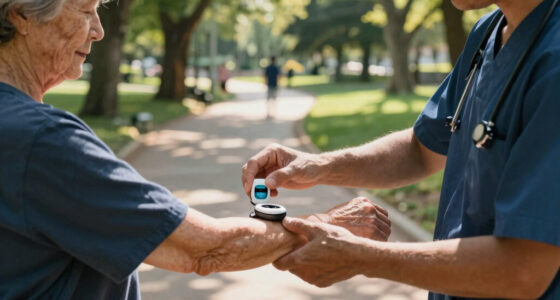
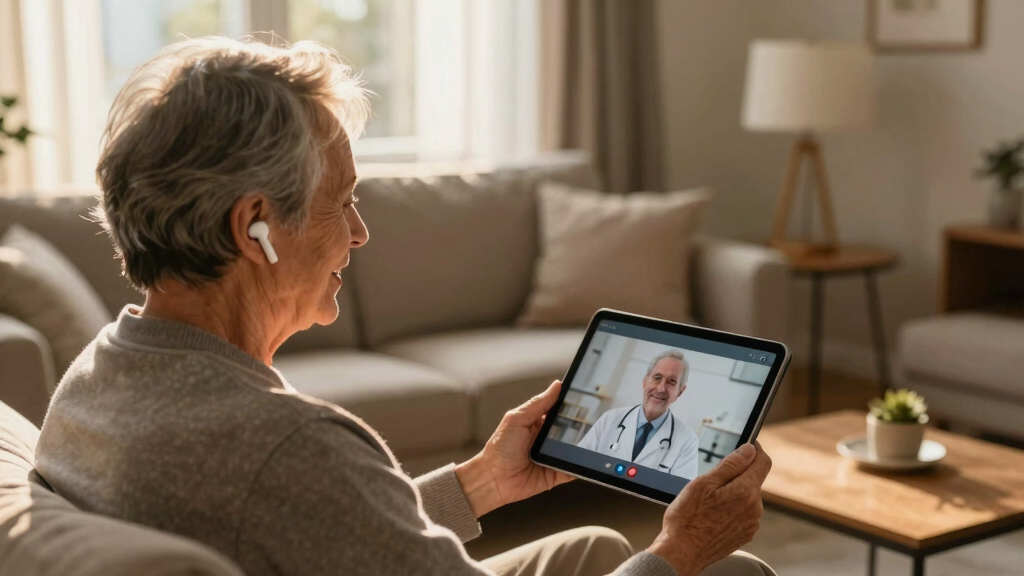
Podcasts are increasingly influencing the doctor-patient relationship, with many patients turning to audio content for health information, according to recent observations. This shift is prompting discussions among healthcare professionals and experts about whether it enhances or complicates medical communication and trust.
Over the past year, data indicates a rise in patients consulting health-related podcasts for information before or after medical appointments. Healthcare providers report that some patients arrive with specific questions inspired by podcast episodes, which can lead to more informed discussions. However, critics warn that not all podcast content is accurate, risking misinformation spreading among listeners.
Experts note that podcasts provide accessible, in-depth health information that can empower patients, especially those in underserved areas with limited access to healthcare providers. Conversely, some physicians express concern about the potential for podcasts to challenge medical advice or create confusion if listeners encounter conflicting information from different sources. The debate centers on whether podcasts serve as a supplement or a substitute for professional medical guidance.
Implications of Podcast-Driven Medical Engagement
This trend matters because it could reshape how patients understand their health, influence trust in medical professionals, and impact health outcomes. If harnessed properly, podcasts could enhance health literacy; if misused, they could contribute to misinformation and patient confusion. The evolving dynamic requires careful consideration by healthcare providers and policymakers to maximize benefits and minimize risks.
As an affiliate, we earn on qualifying purchases.
Rise of Podcasts as a Health Information Source
In recent years, the popularity of podcasts has surged, with health and wellness topics among the most listened-to categories. According to Edison Research, approximately 40% of Americans have listened to a health-related podcast, and many report using these sources for pre-appointment research or ongoing health education. This development coincides with increased access to digital content and a shift toward patient-centered care models emphasizing informed decision-making.
Historically, the doctor-patient relationship has relied heavily on direct communication during clinical visits. Now, with the proliferation of health podcasts, patients often come to appointments armed with information from various sources, sometimes challenging or supplementing their doctors’ advice. This change reflects broader societal shifts toward digital health literacy and self-education.
“Many patients now come into appointments with notes from podcasts they’ve listened to, which can be helpful but also challenging if the information isn’t accurate.”
— Dr. Lisa Chen, primary care physician
Unclear Long-Term Effects on Medical Relationships
It remains uncertain whether the influence of podcasts will strengthen or weaken the doctor-patient relationship over time. Questions persist about how healthcare providers can adapt to this shift and whether patients’ reliance on podcasts might lead to increased skepticism of medical advice or misdiagnosis. Ongoing research is needed to assess the long-term impact on health outcomes and trust in healthcare professionals.
Monitoring and Regulating Podcast Content in Healthcare
Healthcare organizations, policymakers, and content creators are expected to collaborate on establishing guidelines for health-related podcasts to ensure accuracy and reliability. Additionally, medical professionals may incorporate discussions about credible podcast sources into patient education. Future research will likely focus on measuring the impact of podcasts on health literacy and patient outcomes, as well as developing strategies to address misinformation.
Key Questions
Are podcasts replacing doctor consultations?
No, podcasts are not replacing consultations but are increasingly used as supplementary sources of health information. They can enhance understanding but should not substitute professional medical advice.
How can patients identify credible health podcasts?
Patients should look for podcasts hosted by qualified healthcare professionals, check for references to scientific sources, and verify the credentials of the hosts. Consulting with their healthcare provider about recommended resources is also advisable.
What risks are associated with health podcasts?
The main risks include the spread of misinformation, misinterpretation of medical advice, and potential delays in seeking professional care. Ensuring content accuracy is crucial to mitigate these risks.
Will doctors change their communication strategies because of podcasts?
Many healthcare providers are considering how to address patient questions stemming from podcasts and may incorporate discussions about reliable sources into their practice to foster trust and accurate understanding.
Source: rss
Halloween Picks
halloween
As an affiliate, we earn on qualifying purchases.