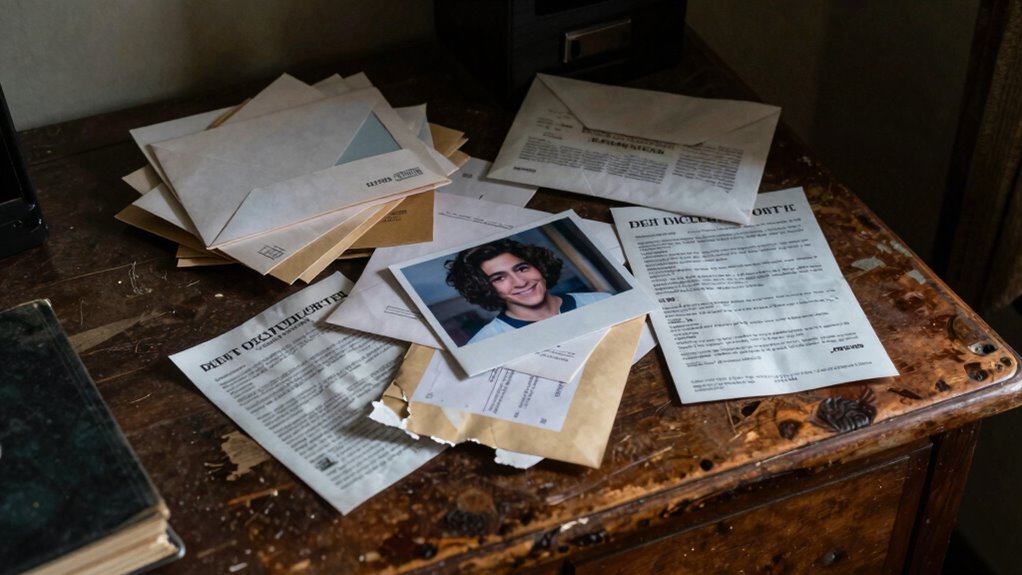

When a loved one dies, notify their creditors and provide a death certificate to stop unnecessary calls. Understand that debt collectors can only pursue the estate, not you personally, unless you signed personally for the debt. The estate executor is responsible for handling these debts during probate, using estate funds. If debts remain unpaid, you may need to take specific legal steps. To learn more about protecting yourself and managing this process, consider exploring further options.

Turn quiet afternoons into listening time
- Thousands of audiobooks, podcasts and originals
- Listen on your phone, tablet or Echo — also offline
- Cancel anytime
Key Takeaways
- Notify all creditors and debt collectors about the loved one’s passing promptly.
- Handle debts through the estate during probate, using estate funds to settle valid claims.
- Dispute any inaccurate or unverified debt claims with the credit reporting agencies or collectors.
- Remember that debt collectors can only pursue the estate, not the deceased’s personal assets directly.
- Keep records of all communications and payments related to estate debts for future reference.

Losing a loved one is emotionally overwhelming, and dealing with debt collectors during this time can add unnecessary stress. When someone passes away, their debts don’t automatically disappear. Instead, they become part of the estate, which goes through a legal process called estate probate. During probate, the court sorts out the deceased’s assets and liabilities, determining what gets paid and what doesn’t. It’s important to understand that debt collectors can only pursue debts from the estate, not from you personally, unless you’ve co-signed or guaranteed the debt.
Debt collectors can only pursue the estate, not you personally, unless you co-signed or guaranteed the debt.
When you’re faced with calls or letters from debt collectors, it’s natural to feel overwhelmed. You should know that during estate probate, the estate’s executor or administrator is responsible for handling debts. They will notify creditors and use estate assets to pay what’s owed. If the estate lacks enough funds, some debts may go unpaid, and the debt collectors have to accept that. You don’t have to handle these debts yourself unless you were personally liable.
Another important aspect is credit reporting. After a loved one’s death, their credit report will be updated to reflect the status of their accounts. Typically, accounts are marked as “deceased,” and credit reporting agencies will stop reporting activity on those accounts. If you notice any inaccuracies, such as debts still appearing on the credit report, you should dispute those with the credit bureaus. This helps prevent the estate’s debts from negatively impacting your loved one’s credit history and ensures that the credit report accurately reflects the estate’s financial situation. Understanding the estate probate process can help you navigate these responsibilities more effectively. It’s also helpful to be aware that credit reporting agencies are governed by laws that require accurate reporting and dispute resolution. Additionally, being familiar with the debt collection process can prepare you for interactions with creditors and ensure your rights are protected. Knowing how to properly communicate with debt collectors can also make the process smoother and less stressful. Being aware of the laws governing debt collection can further empower you in protecting your rights during this process.
As an affiliate, we earn on qualifying purchases.
Frequently Asked Questions
Can Debt Collectors Contact Me After My Loved One’s Death?
Debt collectors can contact you after your loved one’s death, but their access depends on estate settlement and beneficiary responsibilities. Usually, they’ll reach out to the estate first, not individual beneficiaries. As a beneficiary, you’re not personally responsible for debts unless you’ve explicitly agreed to cover them. If contacted, inform them of the estate’s status and consult an attorney to guarantee you handle any debt collection properly and protect your rights.
Are Debts Automatically Forgiven When Someone Dies?
Think of debts as shadows that linger; they aren’t automatically forgiven when someone dies. During estate settlement, the deceased’s debts are paid from their assets, but unpaid balances might impact credit reporting for the estate or heirs. You’re responsible for addressing these debts, and it’s wise to consult a lawyer. Remember, understanding your loved one’s estate helps you navigate the financial aftermath efficiently and protect your credit.
How Do I Notify Debt Collectors of a Loved One’s Passing?
You should notify debt collectors of your loved one’s passing by providing a copy of the death certificate and informing them in writing. During estate settlement, you handle creditor communication carefully to prevent unnecessary stress. Clearly state that the person has died, and request that they cease collection efforts until the estate is settled. Keep records of all correspondence to protect your family’s interests during this process.
What Documents Are Needed to Verify a Debt After Death?
To verify a debt after death during estate settlement, you’ll need key documents like the death certificate, the deceased’s will, and any correspondence from the creditor. These help with creditor verification and confirm the debt is legitimate. Provide these to the debt collector to confirm the debt’s validity. Keep copies for your records, and work with an estate attorney if you encounter issues or need guidance through the process.
Can I Be Held Responsible for My Loved One’s Debts?
You generally aren’t responsible for your loved one’s debts unless you’re a co-signer or joint account holder—those debts can feel like a tidal wave! Proper estate planning helps protect your financial inheritance from unnecessary claims. If you’re not legally responsible, the debt gets settled from the estate, not your personal assets. Stay informed about your loved one’s arrangements, and consult an attorney if you’re unsure about your obligations.
Conclusion
Dealing with debt collectors after a loved one’s passing can feel overwhelming, but remember, you’re not alone. Think of it like steering through a storm—you’ll get through it with patience and the right guidance. Keep communication open, stay organized, and seek legal or financial advice if needed. By staying calm and proactive, you’ll weather this difficult time just like a sturdy ship sailing through rough waters, emerging stronger on the other side.
Cold & flu season Picks
humidifiers
As an affiliate, we earn on qualifying purchases.