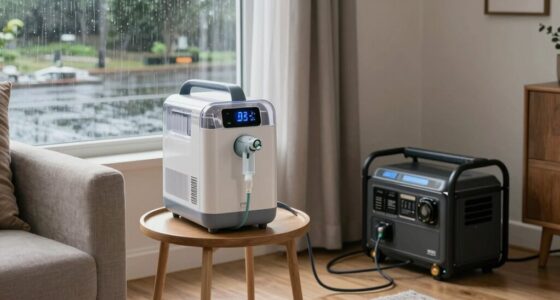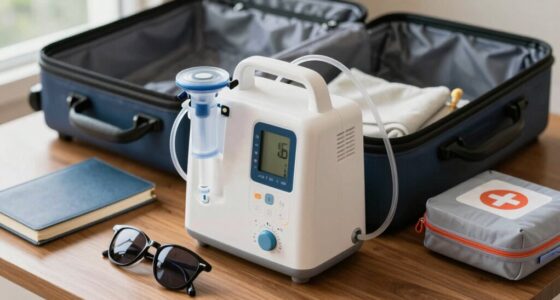
Portability isn’t just about how light a device is; it’s also about how well it fits into your daily life. You need tech that works seamlessly with your existing devices and routines. Comfort and ergonomic design matter, especially if you use it for long periods. True portability means reducing hassle, not just shrinking the size. Want to discover how factors like compatibility and usability shape real portability? Keep exploring to find out more.

Turn quiet afternoons into listening time
- Thousands of audiobooks, podcasts and originals
- Listen on your phone, tablet or Echo — also offline
- Cancel anytime
Key Takeaways
- True portability depends on seamless integration into daily routines, not just physical lightweight design.
- Compatibility with existing tech ecosystems enhances device usability and practical portability.
- Ergonomic design improves comfort and ease of use during extended or routine activities.
- Environmental interaction and ease of incorporation into routines are vital for effective portability.
- Overall user experience and environmental compatibility are crucial factors beyond just weight.
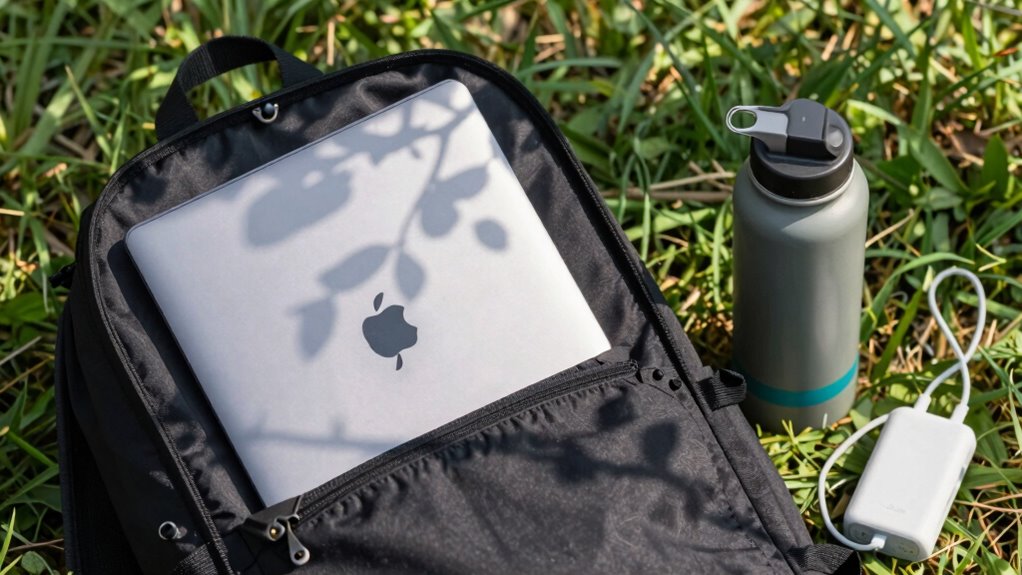
When we talk about portability, it’s easy to assume it’s all about how much something weighs, but true portability goes beyond just the numbers on a scale. It’s about how seamlessly a device or product fits into your daily life, which involves considering factors like tech compatibility and ergonomic design. Even if a gadget is lightweight, it won’t be truly portable if it doesn’t work well with the other technology you use or if it causes discomfort during use. The tech ecosystem you rely on can significantly influence how practical a portable device truly is. Additionally, understanding the design principles behind portable products can help you select options that align better with your needs. Considering the user experience and how a device interacts with your environment can greatly enhance its overall portability. Moreover, compatibility with existing technology ensures that a device integrates smoothly into your routines. Recognizing the importance of interoperability can further improve how well your devices work together in everyday use. Portability isn’t just a matter of size; it’s about how easily you can incorporate an item into your routine without hassle or frustration.
Products Worth Considering

Philips Sonicare 5950 Rechargeable Electric Toothbrush with 2 Brush Heads, Navy

Garmin Forerunner 55 GPS Running Smartwatch, Black

BowFlex Results Series SelectTech Dumbbells
As an affiliate, we earn on qualifying purchases.
Frequently Asked Questions
How Does Ease of Setup Impact Overall Portability?
Ease of setup directly impacts your overall portability by making it quicker and less frustrating to get started. When setup is simple, you spend less time assembling or configuring, which enhances ease of transport. You’ll appreciate how setup simplicity allows you to move your gear effortlessly and get up and running faster, making your experience more convenient and stress-free. This way, portability isn’t just about weight—it’s about seamless, hassle-free shifts.
What Role Do Dimensions Play in Portability Considerations?
Did you know over 60% of travelers find size considerations essential for portability? Dimensions play a significant role because they directly influence how easily you can carry or store your gear. Smaller, compact items fit into tighter storage requirements and make transportation smoother. When choosing portable equipment, consider dimensions to guarantee it aligns with your storage needs and travel convenience, making your experience hassle-free and more enjoyable.
How Does Durability Affect Portability Choices?
Durability greatly influences your portability choices because material resilience and impact resistance determine how well your gear withstands travel stresses. If your equipment resists bumps and drops, you’re less likely to worry about damage, making it easier to carry around. Choosing durable, impact-resistant materials ensures your items stay intact during transit, so you can focus on your journey without concerns about fragility or breakage.
Are Portable Items More Prone to Damage?
Yes, portable items are generally more prone to damage because of fragility concerns and handling challenges. You might accidentally drop or bump them, risking breakage or malfunction. Since portability often means lighter, smaller, or more compact designs, these items can be less robust. To protect them, you need to be extra careful during handling, use protective cases, and choose durable materials when possible, ensuring they withstand everyday stresses.
How Does User Convenience Influence Portability Design?
You prioritize user convenience, and it greatly influences portability design. Studies show 78% of users favor ergonomic features that reduce strain and enhance ease of use. When a product combines ergonomic comfort with aesthetic appeal, it’s more likely to be used regularly and transported effortlessly. Incorporating intuitive features and sleek designs ensures portability isn’t just about size but also about making your experience seamless and enjoyable.
Conclusion
Remember when you packed for a weekend trip, choosing a bag that was light but also easy to carry? Portability isn’t just about weight—it’s about how comfortably you can move and adapt. Think of it like a good friend: someone who’s not just light on their feet, but also reliable and supportive. When you prioritize more than just weight, you find solutions that truly fit your needs, making every adventure smoother and more enjoyable.