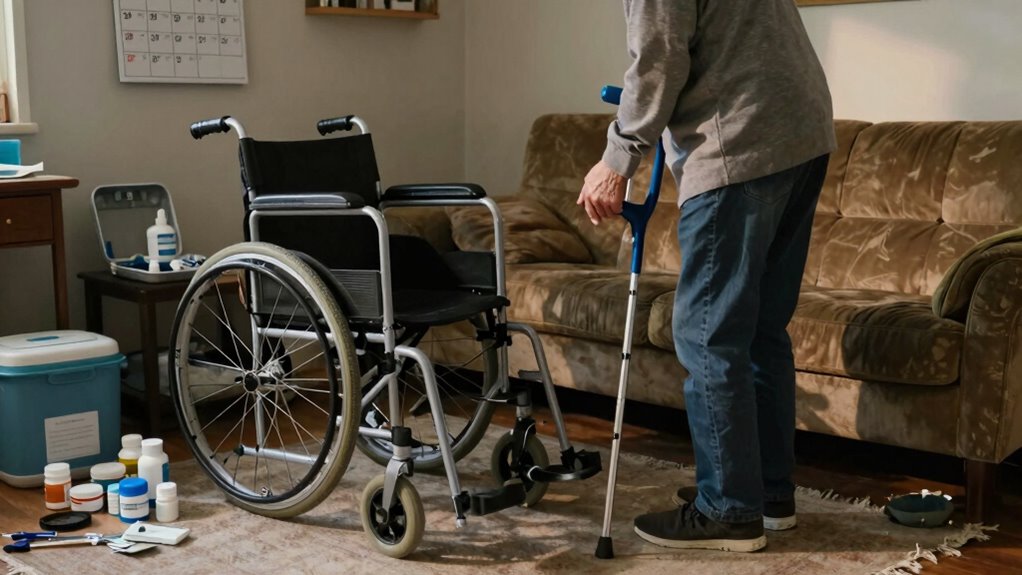
The true cost of stroke recovery at home can add up to tens of thousands of dollars over time. Expenses include medical bills, therapies, medications, home modifications, and in-home support. You’ll also face unexpected costs like transportation and medical supplies. Planning ahead helps you manage these financial demands and access assistance programs. If you want to understand how to better handle these expenses and find available resources, continue exploring options that can ease your journey.

Turn quiet afternoons into listening time
- Thousands of audiobooks, podcasts and originals
- Listen on your phone, tablet or Echo — also offline
- Cancel anytime
Key Takeaways
- Ongoing medical supplies, medications, and therapy sessions contribute to continuous expenses over the recovery period.
- Home modifications and assistive devices may incur substantial upfront and maintenance costs.
- Transportation for medical appointments and therapy can add to long-term expenses.
- Emotional support services and community programs can help reduce financial strain and improve well-being.
- Insurance coverage and government assistance can significantly offset the cumulative costs over time.
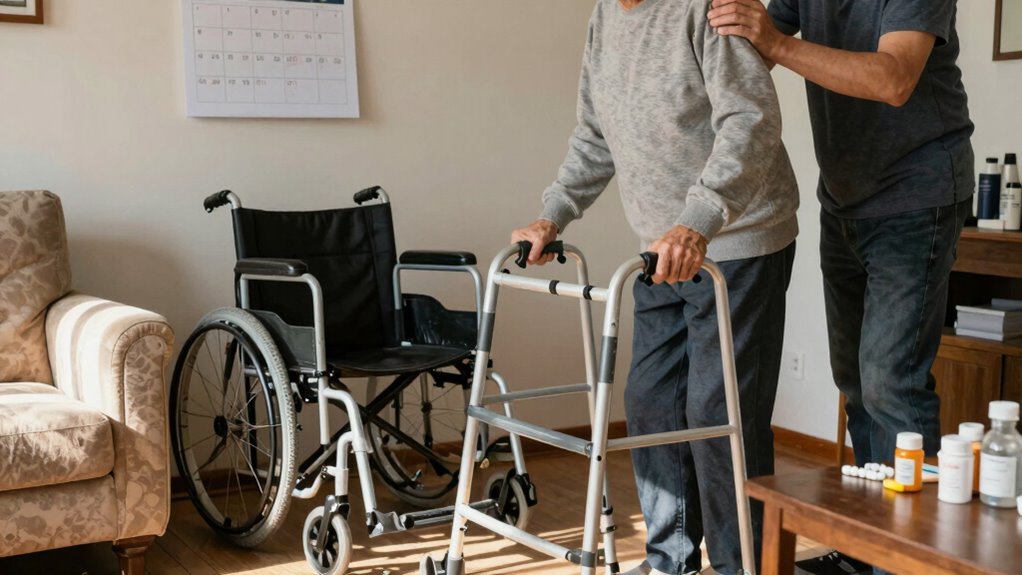
Recovering from a stroke at home can be a challenging journey that often comes with significant costs. As you navigate this process, you’ll quickly realize that managing expenses is just as important as the medical care itself. Proper financial planning becomes essential, helping you allocate resources for therapies, medications, and necessary home modifications. You might find yourself facing unexpected bills—medical supplies, transportation to appointments, or hiring in-home help—that add up quickly. Creating a detailed budget early on can prevent financial surprises and guarantee you prioritize your needs without feeling overwhelmed. It’s imperative to understand your insurance coverage and explore options like government assistance or community programs designed to support stroke survivors. Planning ahead gives you peace of mind and helps you stay focused on recovery, rather than stressing over money. Recognizing the importance of accessible healthcare options can further ease the financial burden during your recovery journey. Additionally, researching financial assistance programs specifically tailored for stroke recovery can provide vital relief and support.
Alongside financial concerns, emotional support plays a crucial role in your recovery at home. Dealing with the aftermath of a stroke can be emotionally taxing, both for you and your loved ones. You might experience feelings of frustration, depression, or anxiety as you adjust to new limitations or changes in your daily routine. It’s important to seek out emotional support—whether from family, friends, or mental health professionals—that can help you cope with these challenges. Joining support groups for stroke survivors can provide a sense of community and understanding, reducing feelings of isolation. Sharing your experiences with others who truly understand your situation can boost your resilience and motivation to keep pushing forward. Establishing a strong support network can also make a significant difference in your overall recovery experience at home. Remember, emotional well-being is just as essential as physical recovery; it influences your ability to stay positive and committed to your rehabilitation efforts. Recognizing the importance of comprehensive care can further enhance your recovery experience at home.
stroke recovery medical supplies
As an affiliate, we earn on qualifying purchases.
As an affiliate, we earn on qualifying purchases.
Frequently Asked Questions
How Do Insurance Policies Affect Long-Term Stroke Recovery Costs?
Insurance coverage considerably impacts your long-term stroke recovery costs by covering therapies, medications, and equipment. However, policy limitations might restrict the amount of coverage or exclude certain treatments. You need to review your policy closely to understand what’s included and where gaps might exist. Being aware of these details helps you plan financially and explore additional support options, ensuring you get the care you need without unexpected expenses.
Are There Financial Assistance Programs Available for Stroke Survivors?
Think of financial aid and support programs as a sturdy raft guiding you through stormy recovery waters. Yes, there are assistance options available for stroke survivors, including government grants, nonprofit support, and community resources. These programs act as your lifeline, helping cover medical expenses, therapy costs, and home modifications. Reach out early, explore local and national aid opportunities, and let these support programs carry you toward calmer, more manageable recovery days.
What Are Hidden or Unexpected Expenses During Home Recovery?
During your home recovery, unexpected expenses like home adaptations for accessibility and specialized equipment can catch you off guard. You might also need nutritional supplements to support healing, which aren’t always covered by insurance. These costs add up quickly, so budgeting for modifications and extra nutritional needs is vital. Being prepared for these hidden expenses helps ensure a smoother recovery process without financial surprises.
How Can Caregivers Financially Prepare for Long-Term Stroke Care?
To financially prepare for long-term stroke care, you should create a detailed budget that includes medical expenses, home modifications, and caregiving supplies. Consider setting aside emergency funds and exploring insurance options or government assistance programs. Be mindful of caregiver burnout; seek emotional support from support groups or counseling. Planning ahead helps ease financial stress, allowing you to focus on providing the best care and maintaining your well-being.
Do Medication Costs Increase Over Time During Recovery?
Do medication costs increase over time during recovery? It’s possible, especially if you face new medication side effects or need adjustments in prescriptions. You might find yourself paying more for prescription adherence as your treatment plan evolves. Are you prepared for these potential costs? Staying proactive with your healthcare provider can help manage medication expenses, but keep in mind that as recovery progresses, medication expenses may fluctuate.
Conclusion
Recovery at home demands patience, persistence, and resilience. It’s a journey of small victories and setbacks, of hope and hard work. You’ll face challenges that test your strength, but each step forward proves your courage. Embrace the support around you, cherish the progress made, and remember—you’re not alone in this fight. Through every struggle and every triumph, your determination writes the story of recovery, resilience, and renewal.
Fall Picks
fall essentials
As an affiliate, we earn on qualifying purchases.