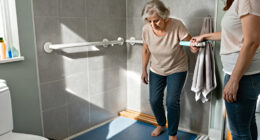

Yes, HSA and FSA funds can help cover certain caregiving costs, offering tax advantages and financial relief. You can use these accounts for qualified medical treatments, prescriptions, and some long-term care expenses. FSAs also help lower your taxable income with pre-tax contributions. However, each plan has rules about what expenses qualify and deadlines for use. Keep exploring to learn how you can make the most of these accounts for caregiving needs.

Get comfort and care essentials delivered free — and shop member deals
- Fast, free delivery on millions of items
- Access to Prime Big Deal Days deals on October 6–7
- Prime Video, Amazon Music and more included
Key Takeaways
- Both HSAs and FSAs can be used to pay for qualified caregiving-related healthcare expenses.
- HSAs allow tax-free growth and withdrawals for eligible medical and caregiving costs.
- FSAs provide pre-tax funds for certain medical supplies, treatments, and home modifications related to caregiving.
- Proper documentation and adherence to IRS guidelines are essential to ensure expenses qualify.
- Planning and understanding account rules help maximize benefits and avoid penalties.

Are you aware that Health Savings Accounts (HSAs) and Flexible Spending Accounts (FSAs) can often be used to cover caregiving expenses? If you’re caring for a loved one, understanding how these accounts work can open up valuable financial support. Both HSAs and FSAs are tax-advantaged accounts designed to help you save for specific healthcare costs, but their rules around caregiving expenses can be nuanced. Knowing the tax implications and eligible expenses can make a big difference in how effectively you use these funds.
For starters, HSAs are primarily linked to high-deductible health plans and offer significant tax advantages. Contributions are tax-deductible, and the funds grow tax-free when used for qualified expenses. If you’re considering using HSA funds for caregiving, you need to guarantee those expenses qualify as eligible expenses under IRS guidelines. Typically, eligible expenses include medical treatments, prescriptions, and certain long-term care costs. However, not all caregiving expenses automatically qualify, so it’s vital to verify whether your specific costs meet the criteria to avoid unexpected tax consequences. If you use HSA funds for non-eligible expenses, those amounts are subject to income tax and potentially a penalty.
FSAs work similarly but are often offered through your employer. Contributions are made pre-tax, reducing your taxable income. Like HSAs, FSAs can cover a range of healthcare-related costs, including some caregiving expenses. The key here is that FSAs usually have a “use-it-or-lose-it” rule, meaning you need to use the funds within the plan year or forfeit them. When it comes to caregiving, eligible expenses under FSAs can include certain home modifications, medical supplies, and some long-term care services. Still, the specific expenses that qualify depend on your plan’s rules, so it’s imperative to check with your FSA provider. Additionally, the scope of eligible expenses may vary depending on your plan’s specifics, so reviewing your plan details is essential. Being aware of the IRS guidelines on healthcare expenses can help you determine what qualifies and avoid potential issues.
Using HSA and FSA funds for caregiving requires careful planning. You must keep detailed records and receipts to substantiate your claims, especially if questioned by the IRS or your plan administrator. Remember that tax implications hinge on whether expenses are deemed eligible. If you claim ineligible expenses, you risk losing the tax advantage and facing additional taxes or penalties. Ultimately, understanding what qualifies as an eligible expense and how to document your costs can help you maximize these accounts’ benefits, easing some of the financial burdens of caregiving.
As an affiliate, we earn on qualifying purchases.
Frequently Asked Questions
Can HSA or FSA Funds Cover Home Modifications for Caregiving?
HSA and FSA funds typically don’t cover home modifications for caregiving, as these are generally considered medical or qualified expenses, but they usually exclude home improvements. For such modifications, Medicaid planning and elder law strategies are more effective, helping you access specialized funding or benefits. Consult an elder law attorney to explore options like Medicaid waivers or other programs that support necessary home adaptations for caregiving.
Are There Age Restrictions for Using These Funds for Caregiving?
Think of HSA and FSA funds as open doors—age restrictions don’t slam them shut. You’re eligible regardless of age, provided you meet the general eligibility criteria, like having a qualifying health plan. These funds are designed to support your caregiving needs, whether you’re caring for a senior parent or managing your own health. So, age isn’t a barrier; your eligibility hinges on meeting the basic criteria.
Can I Use HSA or FSA for Professional Caregiving Services?
Yes, you can use HSA or FSA funds for professional caregiving services if they qualify as medical expenses under IRS rules. You need to meet eligibility criteria, such as having a qualifying medical condition. Be aware of tax implications—using these funds for non-qualified services can result in taxes and penalties. Always check with your plan administrator or a tax professional to guarantee proper use and compliance.
How Do I Document Caregiving Expenses for Reimbursements?
To document caregiving expenses for reimbursements, you should keep detailed medical receipts that clearly show the services provided and the costs incurred. Use consistent expense tracking by recording each expense with date, provider, and amount. Make certain receipts are legible and include necessary details. This organized documentation helps guarantee your claims align with FSA or HSA requirements, making the reimbursement process smoother and preventing potential issues.
Do These Accounts Cover Respite Care Costs?
Yes, HSA and FSA funds can sometimes cover respite care costs, but it depends on your plan’s specific rules and whether the respite care qualifies as medical care. These accounts offer supplemental coverage for qualified expenses, which can ease financial burdens. Keep in mind, using these funds for respite care may have tax implications, so check with your plan administrator or a tax professional to verify proper use and compliance.
Conclusion
By understanding how HSAs and FSAs can be used for caregiving costs, you empower yourself to make smarter financial decisions, to ease your loved ones’ burdens, and to manage your healthcare expenses effectively. Recognize the options available, utilize your funds wisely, and plan ahead with confidence. Because when you know your options, you can care better, budget smarter, and face caregiving challenges head-on. Take control today, support your loved ones tomorrow, and make every dollar count.
Fall Picks
fall essentials
As an affiliate, we earn on qualifying purchases.