
TL;DR

Turn quiet afternoons into listening time
- Thousands of audiobooks, podcasts and originals
- Listen on your phone, tablet or Echo — also offline
- Cancel anytime
The U.S. Supreme Court has dismissed a lawsuit claiming Bayer’s Roundup weedkiller caused cancer. This decision confirms the court’s stance on the case and impacts ongoing legal disputes.
The U.S. Supreme Court has dismissed a lawsuit that accused Bayer’s Roundup weedkiller of causing cancer, effectively ending the legal challenge at the highest judicial level.
The Supreme Court’s decision was announced on March 2026, ruling in favor of Bayer, the manufacturer of Roundup, by refusing to hear the case further. The lawsuit was filed by a plaintiff claiming that exposure to Roundup led to his cancer diagnosis. The court’s rejection means the case will not proceed to trial or appeal at the federal level. Bayer has consistently maintained that Roundup is safe when used as directed and has faced numerous lawsuits alleging health risks, which it denies. The case was part of a broader series of legal battles involving Roundup and its active ingredient, glyphosate, which has been scrutinized for potential carcinogenic effects. The Supreme Court’s decision is final, barring further legal appeals.
Implications for Bayer and Future Litigation
This ruling solidifies the Supreme Court’s stance on dismissing claims linking Roundup to cancer, potentially limiting the scope of future lawsuits. It reinforces Bayer’s legal position and may influence how courts evaluate similar cases. For the public, it provides a clearer legal boundary regarding glyphosate-based products, though ongoing scientific debates about glyphosate’s safety continue. The decision could impact Bayer’s financial liability and its public image, as well as set a legal precedent for other pending cases.
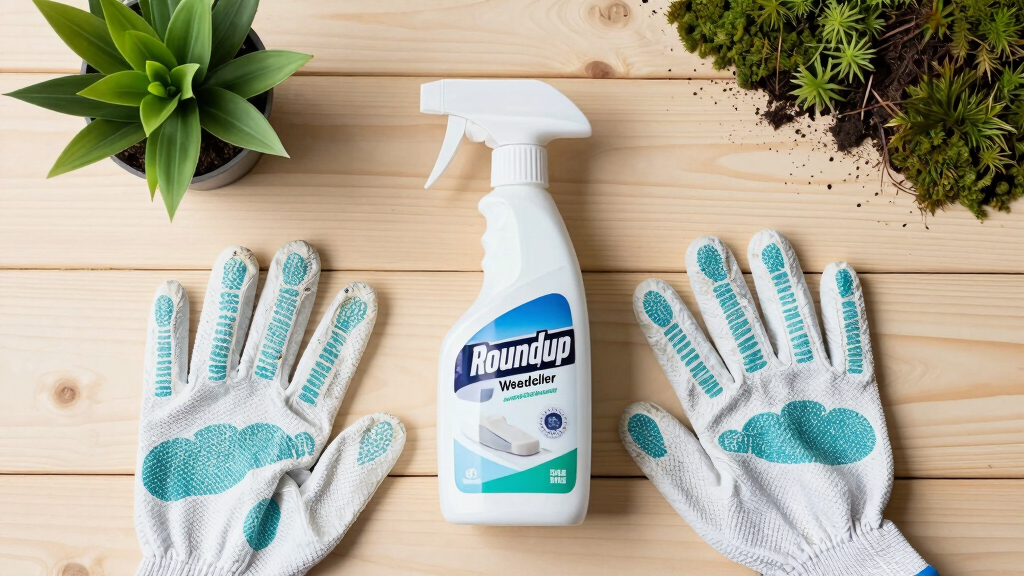
Roundup weedkiller safety gloves
As an affiliate, we earn on qualifying purchases.
As an affiliate, we earn on qualifying purchases.
Legal Battles Over Glyphosate and Roundup’s Safety
Bayer acquired Monsanto in 2018, inheriting numerous lawsuits alleging that glyphosate, the active ingredient in Roundup, causes cancer. Many plaintiffs have claimed exposure led to serious health issues, resulting in multi-billion dollar settlements and verdicts against Bayer and Monsanto. Scientific studies on glyphosate’s carcinogenicity remain mixed, with agencies like the EPA stating it is unlikely to cause cancer when used properly, while others, including the WHO’s IARC, have classified it as a probable carcinogen. The legal landscape has been volatile, with courts at various levels issuing conflicting rulings. The recent Supreme Court decision marks a significant moment in this ongoing legal saga, as it dismisses the last high-level challenge to Bayer’s position.
“We are pleased that the Supreme Court has recognized the safety of our products and dismissed these baseless claims.”
— Bayer spokesperson
Remaining Legal and Scientific Uncertainties
While the Supreme Court has dismissed this case, ongoing scientific research continues to evaluate glyphosate’s safety. It is unclear whether future scientific findings or new legal claims could challenge Bayer’s position. Additionally, other lawsuits against Bayer and Monsanto remain unresolved, and the broader regulatory debate over glyphosate’s safety continues in various jurisdictions.
Next Steps in Litigation and Scientific Review
Legal teams may focus on other pending lawsuits, which could still reach trial or appeal. Bayer is likely to continue its public relations campaign emphasizing product safety. Meanwhile, scientific agencies and regulatory bodies may update their assessments of glyphosate’s health risks, potentially influencing future legal and regulatory actions. The legal landscape remains dynamic, with more rulings possible as new evidence and cases emerge.
Key Questions
Does this ruling mean Roundup is completely safe?
No. The Supreme Court’s decision dismisses this specific lawsuit but does not establish a definitive safety verdict. Scientific and regulatory assessments of glyphosate are ongoing.
Will Bayer face more lawsuits after this ruling?
Yes, other lawsuits are still pending, and Bayer may continue to face legal challenges related to glyphosate products.
What was the basis for the lawsuit that was dismissed?
The lawsuit claimed that exposure to Roundup caused the plaintiff’s cancer, but the Supreme Court rejected the case without ruling on the scientific merits, citing procedural reasons.
Could this decision impact scientific research on glyphosate?
The ruling primarily affects legal proceedings; it does not directly influence scientific research, which continues independently.
Source: google-trends
Fall Picks
fall essentials
As an affiliate, we earn on qualifying purchases.