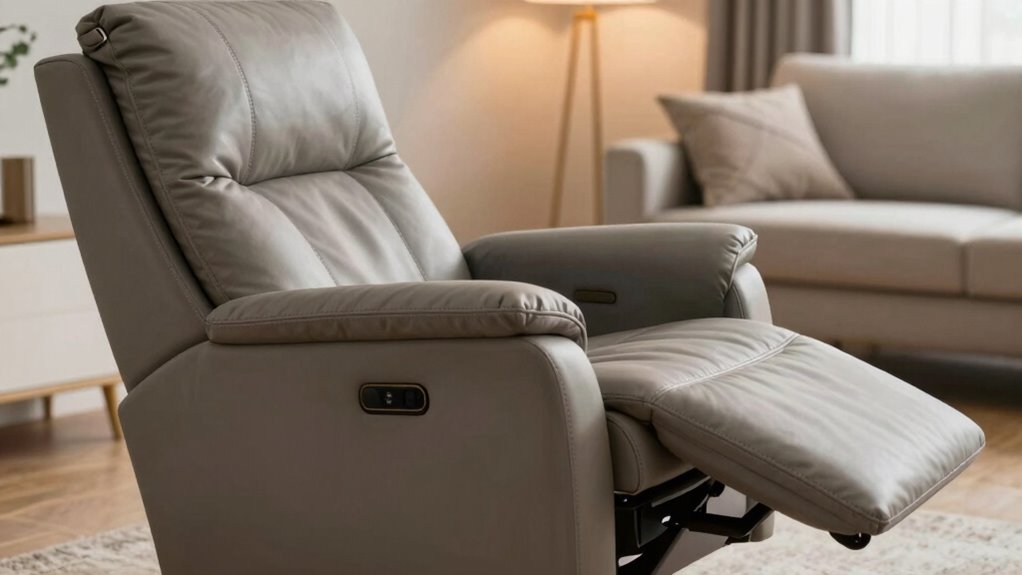

Understanding lift chair positions can greatly enhance your comfort and safety. These chairs use motors to easily switch between different recline, lift, and tilt settings, helping you stand or relax with less effort. Knowing how to operate and adjust the chair guarantees proper support and stability. If you want to learn more about choosing the right chair and maximizing its features, you’ll find helpful tips that make everyday use safer and more comfortable.
Key Takeaways
- Lift chairs use motors to smoothly transition between positions like standing, reclining, and neutral for comfort and support.
- Understanding different recline settings, including zero-gravity and infinite positions, helps optimize pressure relief and relaxation.
- Proper adjustments and safety features ensure stability, prevent injury, and maximize the chair’s functionality during use.
- Assessing your space, needs, and lifestyle helps select a lift chair with suitable features and size for daily use.
- Regular maintenance, troubleshooting, and familiarization with controls promote safe operation and long-term performance.

MAHOMICO Power Lift Recliner Chair for Elderly with Vibration Massage and Lumbar Heating, Electric Lift Recliner Single Sofa with Side Pocket, Two Cup Holders and USB Charge Port for Living Room
𝗣𝗼𝘄𝗲𝗿 𝗟𝗶𝗳𝘁 𝗥𝗲𝗰𝗹𝗶𝗻𝗲𝗿 𝗖𝗵𝗮𝗶𝗿: Elevate your relaxation with the MAHOMICO power recliner chair. This advanced lift chair recliner...
As an affiliate, we earn on qualifying purchases.
What Are Lift Chair Positions and How Do They Work?

Have you ever wondered how lift chairs help you sit and stand with ease? It all comes down to the lift chair mechanism, which smoothly adjusts the chair’s position. This mechanism uses motors and a series of linked components to elevate or recline the chair seamlessly. When you activate it, the lift feature gently lifts you to a standing position, reducing strain on your legs and back. Conversely, it lowers you into a comfortable sitting posture. The design prioritizes user comfort, ensuring each movement feels natural and effortless. By understanding how the lift chair mechanism works, you can appreciate how these chairs provide safe, supportive assistance, making daily routines easier and more comfortable. Additionally, knowing about home theatre projectors can help ensure the chair operates correctly and remains reliable over time, especially when considering overall home comfort solutions. Moreover, understanding the lift chair mechanism can assist users in troubleshooting and maintaining their chairs effectively for longer-lasting performance, especially by recognizing common mechanism issues and proper care techniques.
Amazon Product B0DNZ5RVZP
As an affiliate, we earn on qualifying purchases.
Understanding the Different Recline and Lift Settings
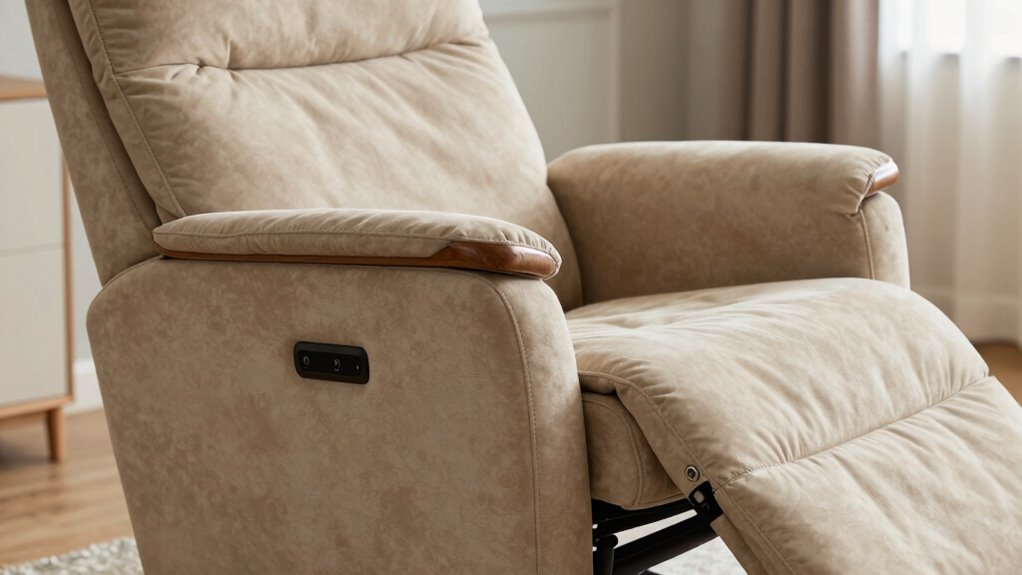
You’ll want to understand the various recline settings and how to modify the lift mechanism for maximum comfort and safety. Different recline types offer tailored positions, while knowing how to operate the lift guarantees smooth changeovers. Remember to also pay attention to safety features and tips to prevent accidents and maintain your chair’s performance. Proper tool maintenance is essential to ensure the longevity and safe operation of your lift chair. Additionally, understanding the types of piercings and their healing times can help you better care for your body and avoid infections. Being aware of air purifier maintenance practices can further enhance your confidence and safety during use. Understanding home energy integration can also help you optimize your setup for safer and more efficient operation.
Types of Recline Settings
Understanding the different recline and lift settings is essential for choosing the right lift chair to meet your comfort and mobility needs. There are various types of recline mechanisms that offer different seat adjustments, allowing you to find the perfect position. Some chairs have a simple two-position recline, which tilts the backrest and footrest together. Others feature multiple recline settings, enabling you to customize your angle for reading, relaxing, or sleeping. Zero-gravity and infinite recline chairs provide more advanced seat adjustments, distributing pressure evenly and reducing strain. Knowing which recline settings suit your daily activities helps you select a chair that enhances comfort and supports mobility. Each type offers unique benefits, so understanding these options is key to making an informed choice. Incorporating smart home fitness technology can also help monitor your mobility and improve overall well-being. Additionally, understanding the variety of recline options can assist in selecting a chair that accommodates specific health needs and enhances safety during use. For example, some chairs can be integrated with home automation systems to allow remote adjustments and personalized comfort settings. Furthermore, being aware of different recline mechanisms can help you choose a model that best fits your lifestyle and health requirements. Recognizing the various lift chair positions can also contribute to better postural support and ease of use.
Adjusting the Lift Mechanism
Adjusting the lift mechanism on a chair involves selecting from various settings that control how the chair elevates or reclines to assist with mobility or comfort. Proper positioning adjustments ensure you get the most benefit from your lift chair. To customize your experience, you can:
- Use the control panel to shift between lift, recline, and neutral positions
- Fine-tune the tilt for ideal comfort or support
- Adjust the footrest height for easier standing or sitting
- Reset the lift mechanism to the default position after use
- Choosing a high-quality vacuum can help maintain a clean environment around your chair, especially if you have pets or allergies.
- Familiarizing yourself with the lift chair’s safety features ensures secure operation and prevents accidental injuries.
- Learning about wave and wind effects can help you understand environmental influences that might impact your chair’s operation or placement.
- Understanding the importance of proper maintenance and care can prolong the life of your lift chair and ensure safe functionality.
- Regularly inspecting and testing the safety features of your lift chair will help ensure they function correctly when needed.
Understanding these options helps you maximize the chair’s functionality and comfort. By mastering the lift mechanism’s positioning adjustments, you’ll find it easier to get in and out of your chair with minimal effort and improved stability.
Safety Features and Tips
Have you ever wondered how to use your lift chair safely while enjoying its various recline and lift features? Safety is key, especially with multiple positions. Always check the battery safety first—ensure batteries are properly installed and avoid overcharging to prevent malfunctions. Regularly inspect upholstery for tears or stains, and clean it gently to maintain hygiene. When adjusting positions, do so slowly to prevent sudden movements that could cause injury. Keep the remote within reach, and never force the chair into a position if resistance occurs. Here’s a quick overview:
| Safety Tip | Explanation |
|---|---|
| Battery safety | Use manufacturer-approved batteries; avoid overcharging |
| Upholstery cleaning | Regularly clean with suitable products to prevent damage |
| Slow adjustments | Move gradually to avoid sudden jerks |
| Remote accessibility | Keep remote nearby for easy control |
| Inspection & maintenance | Regular checks for wear and tear |
Additionally, always familiarize yourself with the recline and lift mechanisms to ensure proper use and prevent potential safety issues. Understanding lift chair safety features can also help you operate your chair confidently and safely.
Amazon Product B0F62GYY19
As an affiliate, we earn on qualifying purchases.
How to Choose the Right Lift Chair for Your Needs
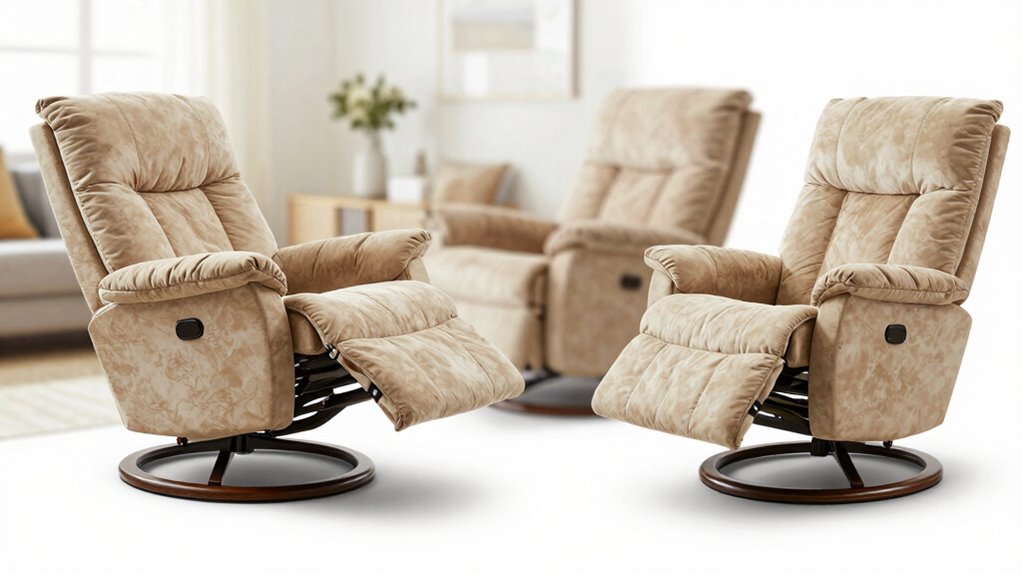
To find the right lift chair, start by evaluating your mobility needs to guarantee it offers the support you require. Next, consider the space available in your room so the chair fits comfortably without crowding. Finally, match the chair’s features to your lifestyle, choosing options that enhance your comfort and independence. Exploring free floating design elements can also help create a more open and adaptable living environment that complements your new chair. Understanding ergonomic design principles can further ensure your lift chair provides optimal support and reduces strain during use. Additionally, considering user reviews can give you insights into the chair’s performance and durability. Incorporating adjustable positions can also enhance comfort by accommodating different sitting and reclining preferences.
Assess Your Mobility Needs
How do you determine which lift chair best suits your mobility needs? First, assess your daily activities—do you prioritize bed comfort for overnight rest or need better support for sitting for extended periods? Consider how often you travel and your travel mobility requirements, which influence the chair’s portability and ease of use. Think about your physical condition—do you need extra assistance standing or sitting? These factors help narrow options. Key considerations include:
- Degree of recline and position versatility
- Support for bed comfort and sleep transitions
- Ease of transfer and mobility features
- Adjustability for comfort during long periods
Understanding these needs ensures you select a lift chair that enhances independence and comfort, fitting seamlessly into your lifestyle.
Consider Space Availability
Choosing the right lift chair starts with evaluating your available space. Space constraints and room layout influence which chair will fit comfortably without overcrowding. Measure your designated area carefully, considering doorways and pathways to ensure easy access. Here’s a quick overview:
| Space Constraints | Room Layout Considerations |
|---|---|
| Clear access needed | Position near outlets |
| Adequate room for recline | Avoid obstruction |
| No tight corners | Balance between size and comfort |
| Enough space for user to move | Maintain flow in the room |
Match Features to Lifestyle
Selecting the right lift chair involves more than just fitting it into your space; you also need to think about how its features align with your daily routines and mobility needs. Consider how you’ll use the chair—whether for long periods or quick sits—and choose features accordingly. Look for options like custom upholstery that match your decor and provide comfort, or an ergonomic design that supports proper posture. If you have specific mobility challenges, prioritize a chair with easy-to-reach controls and adjustable positions. Additionally, consider whether you need heat or massage functions for added relaxation. Matching these features to your lifestyle guarantees you get a chair that not only fits your space but also enhances your everyday comfort and independence.

CANMOV Large Power Lift Recliner with Massage and Heat for Elderly, Heavy Duty Lift Recliner for Seniors with USB Port, 2 Hidden Cup Holders (Camel Brown)
8-Point Massage & Lumbar Heating: The electric lift recliners offers an advanced 8-point massage system with 2 different...
As an affiliate, we earn on qualifying purchases.
Operating Your Lift Chair: Step-by-Step Instructions
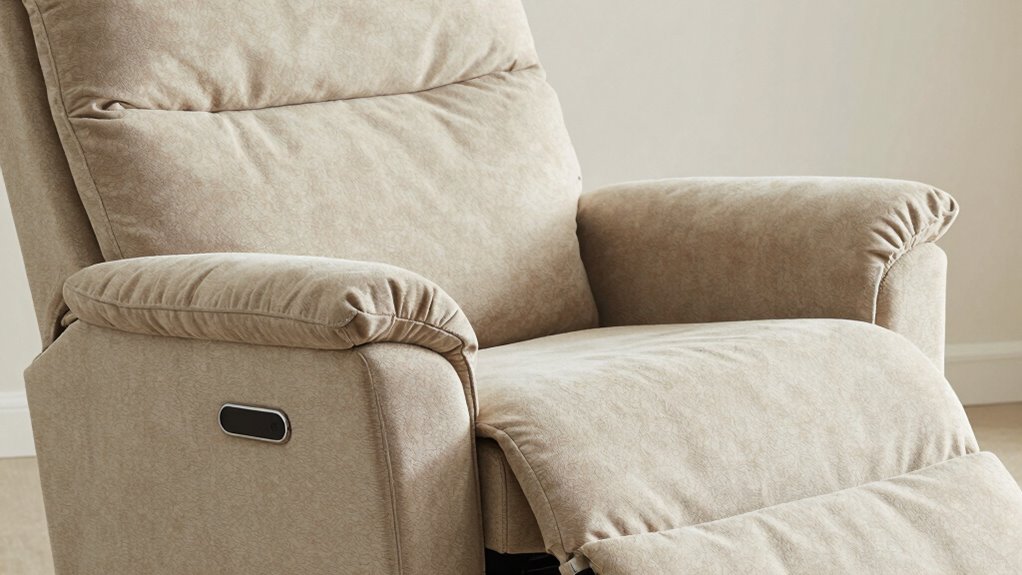
Operating your lift chair is straightforward once you understand the basic steps. First, verify your fabric choices are suitable for durability and comfort. To raise or lower the chair, simply press the control button or remote, which activates the motor smoothly. For reclining, select the appropriate position, whether for relaxation or sleeping, by pressing the designated button. Always check your warranty options before installation, as some warranties may cover motor or fabric issues caused by regular use. When finished, return the chair to its default position if needed. Keep the control within reach and avoid sudden movements to prevent strain on the motor. Regularly clean and inspect your lift chair to maintain excellent operation and prolong its lifespan.
Troubleshooting Common Lift Chair Position Issues
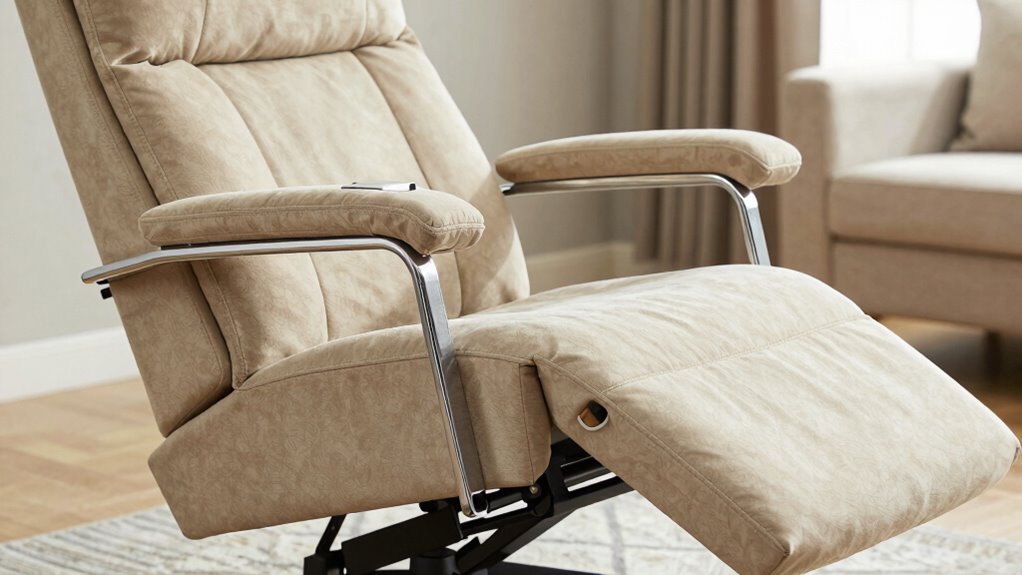
Even when following proper procedures, lift chair position issues can still occur, disrupting comfort and safety. Common problems include uneven cushion support, difficulty adjusting to certain positions, or the chair not locking properly. To troubleshoot, start by checking the upholstery cleaning to make certain no debris or obstructions are affecting the mechanisms. Verify the power source and wiring connections. Adjust the seat and backrest manually if possible to test movement. Regularly inspecting the lift mechanism can prevent misalignments. Consider these steps:
- Ensure upholstery is tight and free of damage
- Confirm all connections are secure
- Test the remote or control pad for responsiveness
- Check for visible wear on cushions and replace if needed
Addressing these issues helps restore proper lift chair function and cushion support, ensuring safe and comfortable use.
Benefits of Different Lift Chair Positions for Comfort and Safety
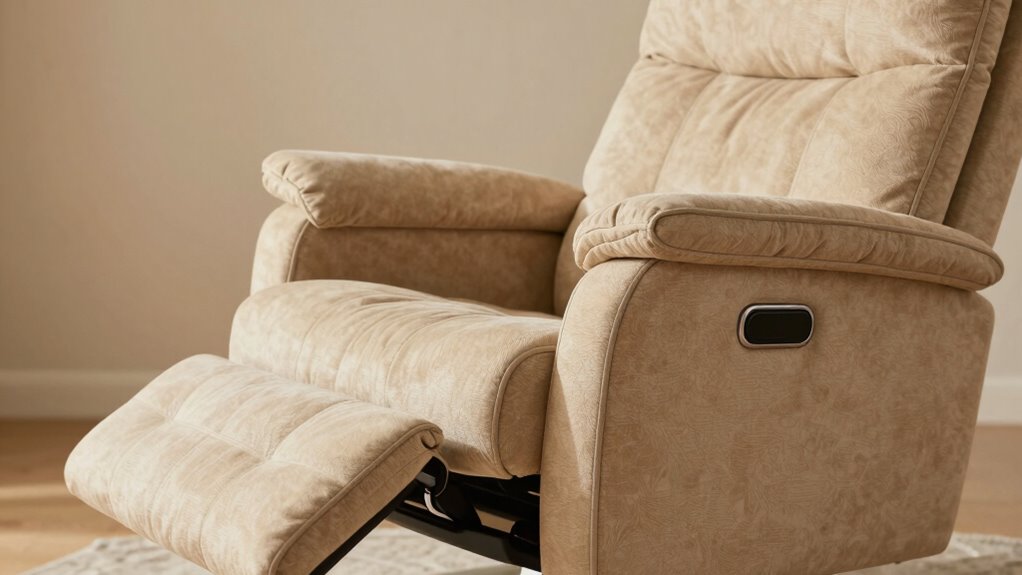
Different lift chair positions offer significant benefits for both comfort and safety, allowing you to customize your seating to meet your specific needs. Proper positioning can reduce strain, improve circulation, and enhance ergonomic benefits, which is essential for long-term health. Additionally, aesthetic considerations play a role, helping your chair blend seamlessly with your décor while providing functionality. Here’s a quick overview:
| Position | Benefits | Ideal Use |
|---|---|---|
| Upright | Stability, easy standing and sitting | Reading, conversations |
| Reclined | Relaxation, pressure relief | Resting, napping |
| Zero Gravity | Reduced pressure on spine, comfort | Pain management |
| Lounge | Combines upright and reclined | Watching TV, relaxing |
| Trendelenburg | Improves circulation, safety | Post-surgery recovery |
What to Consider When Picking a Multi-Position Lift Chair

Choosing the right multi-position lift chair involves considering your specific needs and preferences to guarantee maximum comfort and safety. Key factors include chair fabric, which affects durability and ease of cleaning, and weight capacity, ensuring the chair supports your body securely. When selecting, think about:
Select a lift chair with durable fabric and appropriate weight capacity for safety and comfort.
- The type of chair fabric that suits your lifestyle and comfort preferences
- Weight capacity to accommodate your body size comfortably
- Recline and tilt features for ideal positioning
- Overall dimensions to fit your space and body size
Pay attention to these aspects to find a chair that offers both functionality and comfort. Ensuring the fabric is durable and the weight capacity meets your needs will help you enjoy the benefits of your lift chair safely and effectively.
How Lift Chair Positions Help Improve Mobility and Independence
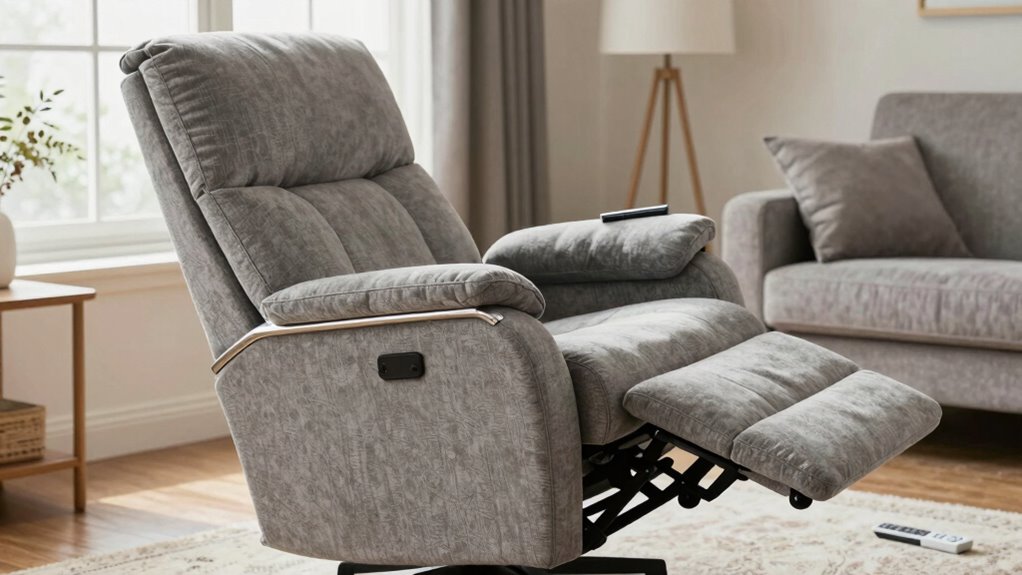
A well-selected lift chair not only offers comfort but also profoundly enhances your ability to move freely and maintain independence. Its ergonomic design promotes proper posture, reducing strain during changes from sitting to standing. This adaptability makes daily tasks easier and minimizes the risk of falls or injury. The right lift chair positions encourage you to stay active and engaged, supporting your overall mobility. Additionally, the material durability ensures the chair withstands frequent use without wear or damage, maintaining its supportive function over time. By providing reliable support and ease of movement, a lift chair empowers you to regain confidence, perform daily activities independently, and enjoy greater quality of life. This combination of ergonomic design and durability makes your lift chair an crucial tool for independence.
Frequently Asked Questions
Can Lift Chair Positions Be Customized Beyond Standard Settings?
Yes, lift chair positions can be tailored beyond standard settings. Many chairs offer advanced customization options, allowing you to fine-tune position adjustments for maximum comfort. You can often set personalized favorite positions, adjust the tilt or recline angles, and control lumbar support. This flexibility ensures you find the perfect fit for your needs, making your chair more comfortable and tailored to your specific preferences.
Are There Safety Features Specific to Certain Lift Chair Positions?
Yes, some lift chair positions include safety features like seat belt safety and emergency release mechanisms. When you’re in a reclined or elevated position, a seat belt can help keep you secure, especially during movement. The emergency release allows you to quickly disengage the chair if needed, providing added safety. Always check your chair’s manual for specific safety features related to each position, ensuring you use your chair confidently and securely.
How Long Can I Stay in a Particular Lift Chair Position Safely?
You can usually stay in a lift chair position safely for about 30 minutes to an hour, but listening to your body is key. Think of your position as a gentle tide—balance is essential. Prolonged stays can impact circulation and comfort, so it’s wise to change positions or take breaks. Prioritize position safety by avoiding staying in one position too long, ensuring your comfort and health stay in harmony.
Do Different Materials Affect the Functionality of Lift Chair Positions?
Different materials can impact the functionality of lift chair positions. You’ll notice that fabric durability affects how well the chair withstands frequent use, especially in high-stress areas. Meanwhile, cushioning comfort depends on the material’s density and quality, influencing your overall comfort when sitting or reclining. Choosing a chair with durable fabric and comfortable cushioning guarantees you get the best support and longevity, making it easier to adjust positions comfortably and safely.
Are There Restrictions on Using Lift Chair Positions With Certain Medical Conditions?
Think of lift chair positions as tools in a toolbox—you need to know which ones fit your medical restrictions. Some conditions impose positioning limitations, so you should always consult your healthcare provider before changing positions. Medical restrictions can limit certain movements, making some positions unsuitable. Ignoring these restrictions risks discomfort or injury, so always prioritize safety and get professional advice to make sure you use the chair correctly for your health needs.
Conclusion
So, next time you marvel at your lift chair’s magic tricks—from sitting to standing—you’ll realize it’s all about simple positions doing complex work. Who knew that a chair could be so clever? Just remember, whether you’re lounging or lifting, these positions are here to make life easier—without any fancy spells required. So, enjoy your high-tech throne, and don’t be surprised if it becomes your favorite seat in the house!