![[Comment] RTS,S/AS01 implementation reduces mortality in African children](https://caregiversupportnetwork.org/wp-content/uploads/2026/05/comment-rts-s-as01-implementation-reduces-mortality-in-african-children-featured-200x110.jpg)
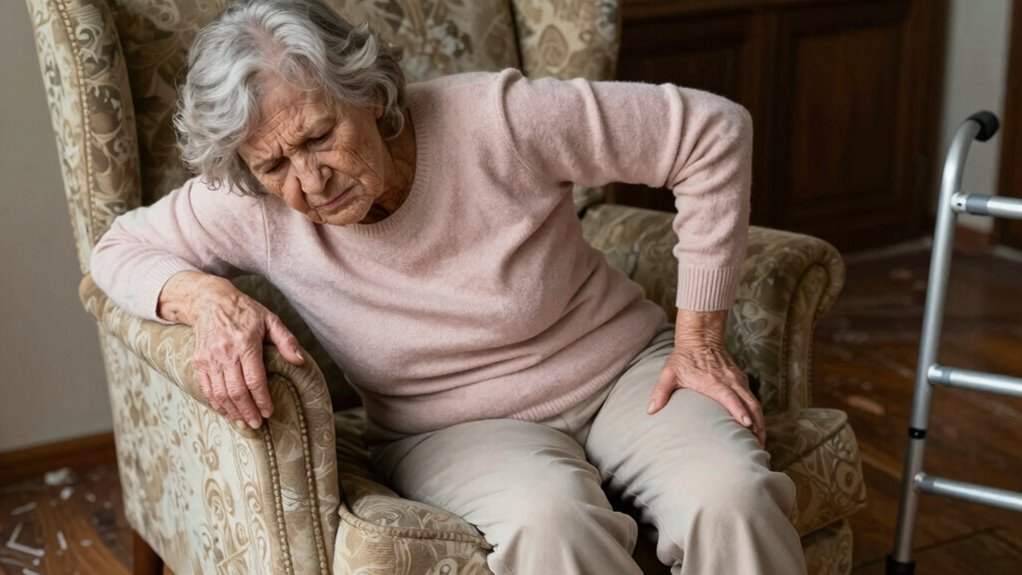
You might notice a senior struggles to stand when they hesitate, take longer, or rely heavily on furniture or their arms. Signs like wobbling, leaning, or showing discomfort during the process indicate balance problems and potential weakness. They may also take frequent breaks or avoid certain seats. Environment hazards like clutter or missing grab bars can add to the risk. Pay close attention, and keep exploring to understand more ways to support their safety.

Turn quiet afternoons into listening time
- Thousands of audiobooks, podcasts and originals
- Listen on your phone, tablet or Echo — also offline
- Cancel anytime
Key Takeaways
- Hesitation or extended time to rise from sitting indicates potential difficulty.
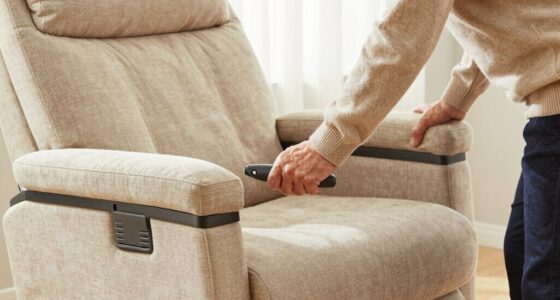
- Heavy reliance on arms or multiple attempts to stand suggest weakness or balance issues.
- Leaning on furniture or support surfaces reflects instability during standing.
- Signs of fatigue or discomfort before standing may signal mobility problems.
- Environmental hazards like clutter or lack of support bars increase fall risk during standing.
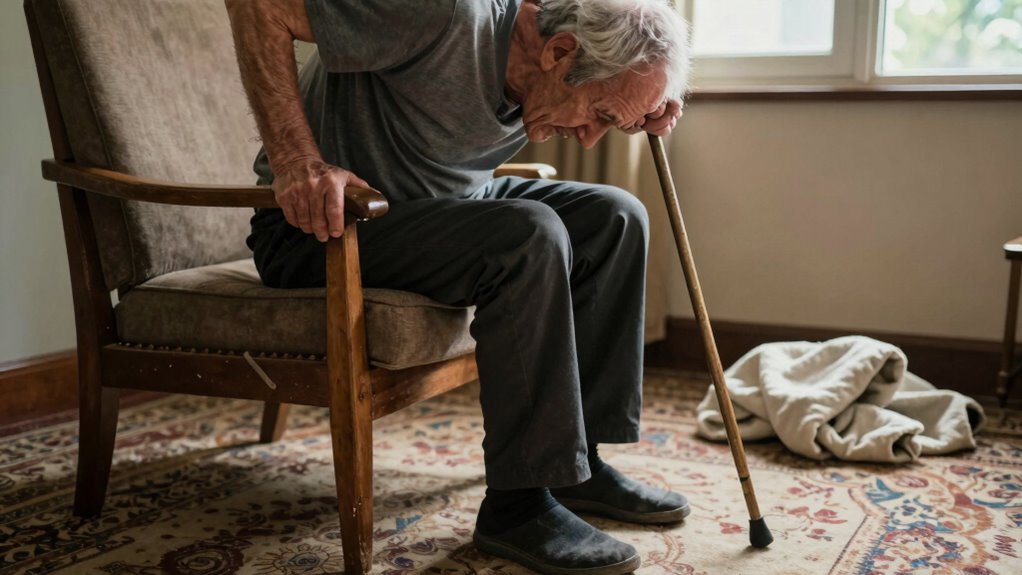
As seniors age, noticing subtle signs that they struggle to stand up can make a significant difference in providing timely help. Small changes in how they move from sitting to standing can reveal underlying issues, and catching these early can prevent falls or injuries. One of the first things to observe is whether they seem hesitant or take longer than usual to rise from a chair or the sofa. If they lean heavily on their arms or need multiple tries, it could indicate weakness or balance problems. You might notice they’re using their hands excessively for support or appear unsteady once they’re upright. These signs suggest they could benefit from assistive devices like grab bars or walkers, which provide extra stability and confidence during movement.
Pay attention to their overall posture and movements. Do they sway or wobble when attempting to stand? Are they gripping furniture or other nearby objects to help lift themselves? Such behaviors point to diminished strength or joint issues, which might be alleviated through environmental modifications. For example, installing sturdy handrails beside the toilet or along hallways can give them something secure to hold onto. Removing loose rugs, clutter, or cords from pathways reduces tripping hazards, making the environment safer and lessening the effort needed to stand up. Recognizing these early warning signs can lead to prompt interventions that significantly reduce risk.
Observe their posture and grip; environmental changes can improve safety and ease of standing.
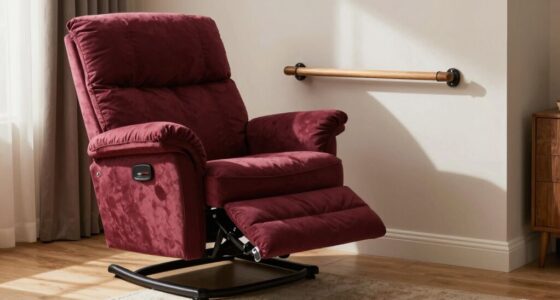
Sometimes, seniors might exhibit signs of fatigue or discomfort before even trying to stand. They may complain of aching knees, hips, or back, which can make the act of rising painful or difficult. If they seem visibly strained or take frequent breaks when sitting, it’s a sign that their muscles or joints may need attention, or they may require assistive devices such as a cane or a specialized chair that eases the *changeover* from sitting to standing. These devices can restore independence, allowing them to move confidently and safely. Additionally, muscle strength plays a crucial role in safe standing, and regular exercises or physical therapy can help maintain or improve it.
Furthermore, understanding mobility limitations can help caregivers better support their loved ones and identify when professional assistance might be necessary. Paying close attention to their daily routines can reveal subtle changes, such as increased difficulty during transfers or longer durations of sitting. You should also watch for any changes in their behavior or routines. For example, if they start sitting on the edge of the seat longer before standing, or avoid certain chairs or surfaces altogether, it’s worth exploring why. They might be feeling insecure or unsure of their strength. Addressing these concerns early with assistive devices or environmental adjustments can dramatically improve their safety and mobility. Overall, staying alert to these subtle signs and making necessary modifications can help your loved ones maintain their independence, reduce fall risks, and foster a sense of security as they navigate daily activities.
As an affiliate, we earn on qualifying purchases.
Frequently Asked Questions
How Can Caregivers Prevent Falls During Standing?
You can prevent falls during standing by making home modifications like adding grab bars and non-slip mats, which provide stability. Encourage the use of assistive devices such as walkers or canes to support balance. Make certain pathways are clear of clutter and well-lit. Regularly check the senior’s strength and balance, and assist with standing if needed. These steps create a safer environment and help reduce fall risks during standing.
What Are Common Causes of Balance Issues in Seniors?
Balance issues in seniors often stem from muscle weakness and vision problems. When muscles weaken, your loved one may struggle to stabilize themselves, increasing fall risk. Vision problems can impair depth perception and spatial awareness, making standing and walking challenging. Age-related health conditions, medication side effects, and neurological issues also contribute. Monitoring these signs and seeking proper medical evaluation helps address the root causes, promoting safer movement and independence.
Are There Exercises to Improve Standing Strength?
Sure, standing exercises and strength training can seem like simple tricks, but they’re your secret weapons against weakness. You can do squats, heel raises, or sit-to-stand drills at home, gradually building strength. These exercises target your leg muscles, improve stability, and make standing easier. Remember, consistency turns these small efforts into big gains, helping you stand tall and confident every day.
When Should I Seek Medical Help for Standing Difficulties?
You should seek medical help if you notice early warning signs like dizziness, persistent weakness, or sudden difficulty standing. Don’t overlook these symptoms, as they can indicate underlying health issues needing prompt medical intervention. If standing problems worsen or come with chest pain, numbness, or confusion, get immediate care. Timely medical attention helps prevent falls and ensures proper diagnosis and treatment, keeping you safe and healthy.
Can Medication Side Effects Affect a Senior’s Ability to Stand?
Like a knight’s armor, medication side effects can impact a senior’s ability to stand. You should know that medication interactions and cognitive effects can cause dizziness, weakness, or balance issues, making standing difficult or unsafe. These side effects aren’t always obvious, so it’s essential to monitor changes closely. If you notice these signs, consult a healthcare professional promptly to adjust medications or find safer alternatives, ensuring your loved one’s safety.
Conclusion
Recognizing the signs that a senior struggles to stand up is essential for their safety. If you notice frequent difficulty or hesitation, it might indicate underlying health issues needing attention. Did you know that falls are the leading cause of injury among older adults, with over 3 million emergency visits annually? Staying alert to these signs can prevent accidents and keep your loved ones safe. Always encourage prompt medical advice to support their independence and well-being.
Cold & flu season Picks
humidifiers
As an affiliate, we earn on qualifying purchases.