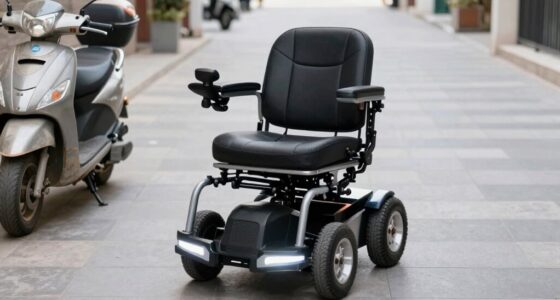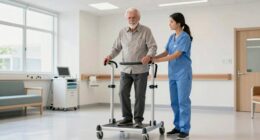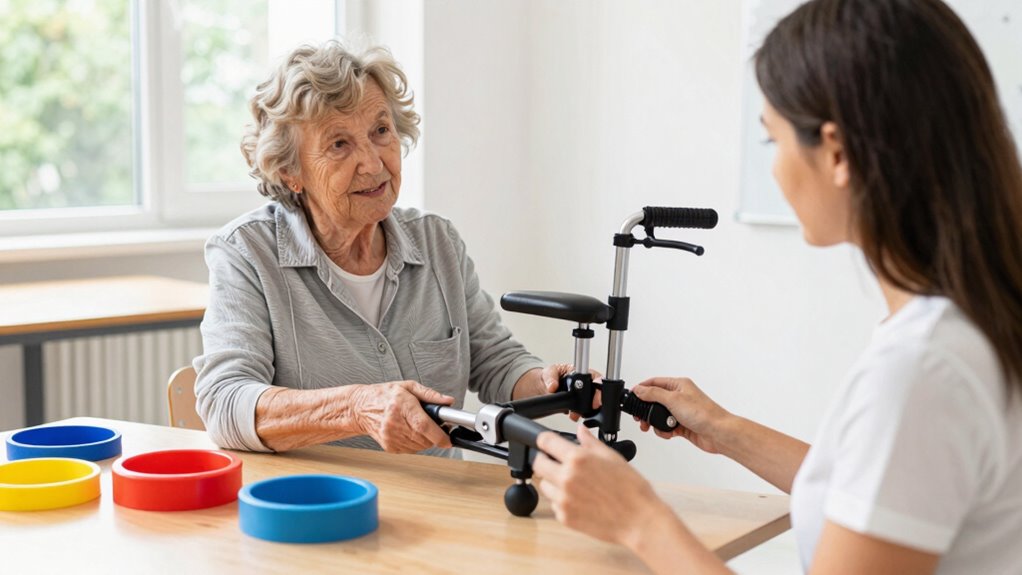

To teach seniors how to use adaptive equipment safely, assess their individual needs and select devices with proper features. Show them correct techniques with clear, simple instructions, and let them practice hands-on to build confidence. Regularly review safety, perform maintenance checks, and encourage routine use. Creating a secure home environment supports independence, while ongoing support helps prevent accidents. Keep learning about effective strategies to ensure safety remains a top priority—more tips await as you continue exploring.
Key Takeaways
- Provide clear, step-by-step instructions and demonstrations tailored to the senior’s abilities.
- Use equipment with ergonomic features and ensure proper fit for safety and comfort.
- Conduct regular inspections and maintenance to prevent malfunctions or hazards.
- Incorporate practical exercises and supervised practice to build confidence and skill.
- Encourage ongoing support, community engagement, and environmental modifications to promote safe use.
Why Safe Use of Adaptive Equipment Is Critical for Seniors
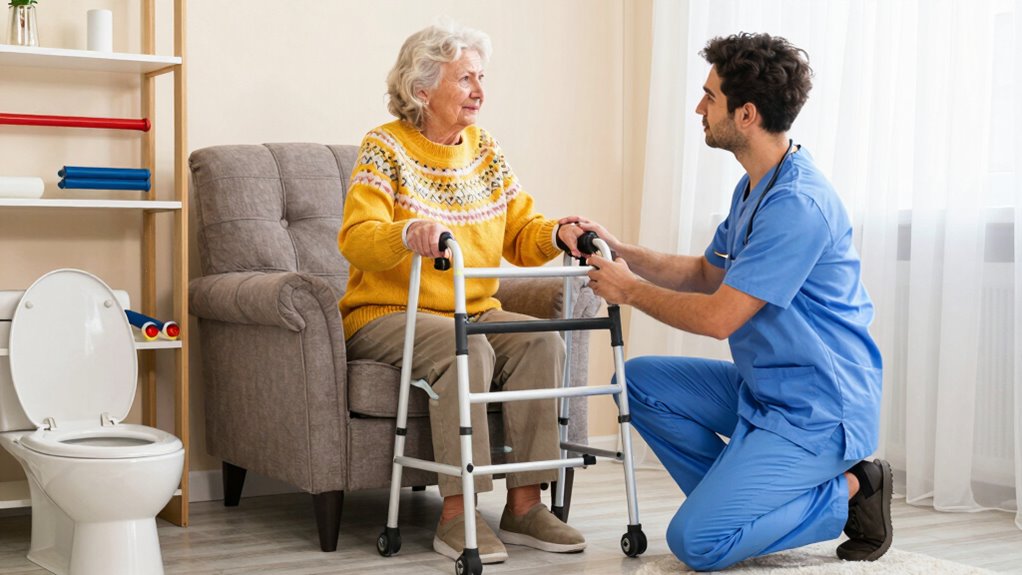
Because adaptive equipment is designed to assist seniors with daily activities, using it safely is essential to prevent injuries and promote independence. When it comes to medication management, improper use of devices like pill organizers or reminders can lead to missed doses or accidental overdoses. Ensuring proper handling reduces health risks. Additionally, adaptive tools that support social engagement, such as communication devices, must be used correctly to prevent frustration or isolation. Safe use helps seniors maintain their routines and stay connected with loved ones. Without proper guidance, equipment misuse can cause falls or other injuries, undermining confidence and independence. Teaching seniors how to use their adaptive devices safely protects their well-being and encourages ongoing participation in daily activities and social interactions. Properly selecting electric bike features in visual aids can also support clearer communication and reduce misunderstandings, further promoting safe and restful use of their environment. Regular training and supervision are crucial to ensure seniors are comfortable and competent in using their adaptive equipment effectively.
How to Assess Seniors’ Needs and Choose the Right Devices

To make certain seniors use adaptive equipment safely, it’s important to start by evaluating their individual needs carefully. Begin by appraising their mobility, daily routines, and specific challenges. Look for equipment that offers custom device features tailored to their requirements, ensuring better comfort and functionality. Consider their living environment and whether modifications are necessary. When selecting devices, check insurance coverage options that might reduce out-of-pocket costs, making the equipment more accessible. Talk with healthcare professionals to determine the most suitable options based on medical recommendations and personal preferences. This thorough assessment helps you choose the right adaptive devices that enhance independence while minimizing risks. Additionally, understanding safety checklists can inform safer and more effective equipment choices. Recognizing the importance of net worth and financial independence can also influence the affordability and accessibility of the equipment. Taking these steps ensures the equipment fits their needs and promotes safe, effective use.
Showing Seniors How to Use Their Equipment Safely and Correctly

You need to demonstrate proper handling techniques to guarantee seniors feel confident using their equipment safely. It’s important to monitor their usage regularly and make adjustments as needed to prevent accidents. Additionally, modern kitchen technology can be incorporated into training sessions to make the learning process more engaging and intuitive. Using assistive devices effectively requires ongoing education and practice, which can be supported through hands-on demonstrations. By providing clear instructions and ongoing support, you help seniors use their devices correctly and maintain their independence. Incorporating art care techniques into training sessions can further enhance safety and comfort for seniors, especially when considering ergonomic principles and adaptive equipment features designed for ease of use. Regular training and practice sessions are essential to reinforce proper techniques and ensure long-term safety.
Proper Equipment Handling Techniques
Understanding how to handle adaptive equipment properly is essential for safe and effective use. Always ensure your equipment has ergonomic grips, which reduce strain and improve control. When using your device, keep a firm but comfortable hold, avoiding tight grips that cause fatigue. Proper handling also involves using suitable storage solutions to keep equipment organized and within reach, preventing accidents. Before each use, check that all parts are secure and in good condition. When transferring or moving equipment, lift with your legs, not your back, to avoid injury. Be mindful of your surroundings to prevent bumping or dropping the device. Regularly cleaning and maintaining your equipment helps prolong its lifespan and guarantees safe operation. Proper handling builds confidence and reduces the risk of misuse. Energy-efficient technology can also enhance safety by reducing overheating and ensuring reliable performance during use. Additionally, incorporating proper training and guidance can further improve safety and ease of use. To support safe operation, always stay informed about reliable equipment features that ensure your safety and device longevity. Engaging in proper equipment maintenance is crucial for detecting potential issues early and maintaining optimal performance.
Monitoring and Adjusting Usage
Monitoring how you use your adaptive equipment is key to guaranteeing safety and making necessary adjustments. Regularly check for signs of wear or damage, and perform equipment maintenance as recommended. This proactive approach helps prevent malfunctions that could cause accidents. Pay attention to how your equipment fits and functions; if something feels off, don’t hesitate to adjust or seek professional help. It’s also essential to familiarize yourself with emergency protocols in case of equipment failure or other urgent situations. Knowing what steps to take assures you can respond quickly and safely. Incorporating equipment maintenance into your routine can extend the lifespan of your devices and improve their performance. Advances in Nanotechnology are also paving the way for smarter, more durable adaptive devices that can better meet user needs. Staying informed about technology innovations can help you select and utilize equipment that provides enhanced safety and efficiency. Regularly updating your knowledge about assistive device safety can further help you stay current with best practices. Additionally, understanding proper filter maintenance techniques can significantly improve the air quality provided by your air purifiers, contributing to a healthier environment. Consistently monitoring your equipment and making adjustments as needed keeps you safe, prolongs the life of your devices, and helps you maintain independence with confidence.
Practicing Safe Operation Through Hands-On Training

Hands-on training is essential for seniors to confidently and safely operate adaptive equipment. Engaging in practical exercises helps you build trust in your skills and reduces accidents. During virtual workshops, you can observe proper techniques and ask questions in real-time, making learning more accessible. Peer mentoring also plays a powerful role—learning from someone who has experienced the process can boost your confidence and understanding. To maximize safety, focus on these key steps:
- Feel empowered by practicing repeatedly in a controlled environment.
- Share your progress with trusted peers or mentors for encouragement.
- Apply what you learn during real-life tasks, reinforcing safety habits.
- Incorporate evidence-informed strategies to enhance your training and safety practices.
- Remember that ongoing training and review help maintain your skills and confidence over time.
Common Mistakes Seniors Make and How to Prevent Them
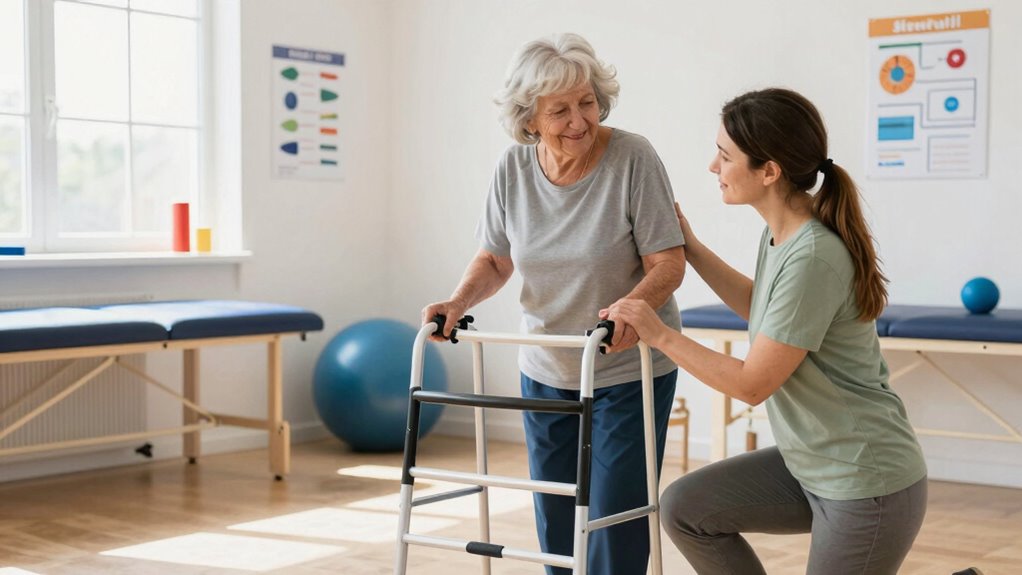
Many seniors inadvertently make safety mistakes when using adaptive equipment, but recognizing these common errors is the first step toward prevention. One frequent mistake is selecting the incorrect device, which can lead to frustration or injury. It’s essential to assure the equipment matches your specific needs and abilities. Additionally, neglecting maintenance can cause equipment to malfunction or become unsafe. Regularly inspecting devices for wear and tear, cleaning them properly, and following manufacturer instructions help prevent accidents. Avoid using outdated or damaged equipment, and don’t hesitate to ask for guidance if you’re unsure about your device’s suitability. Staying aware of these pitfalls and taking proactive steps can considerably reduce risks and promote safer, more confident use of adaptive tools.
Providing Ongoing Support and Regular Safety Checks
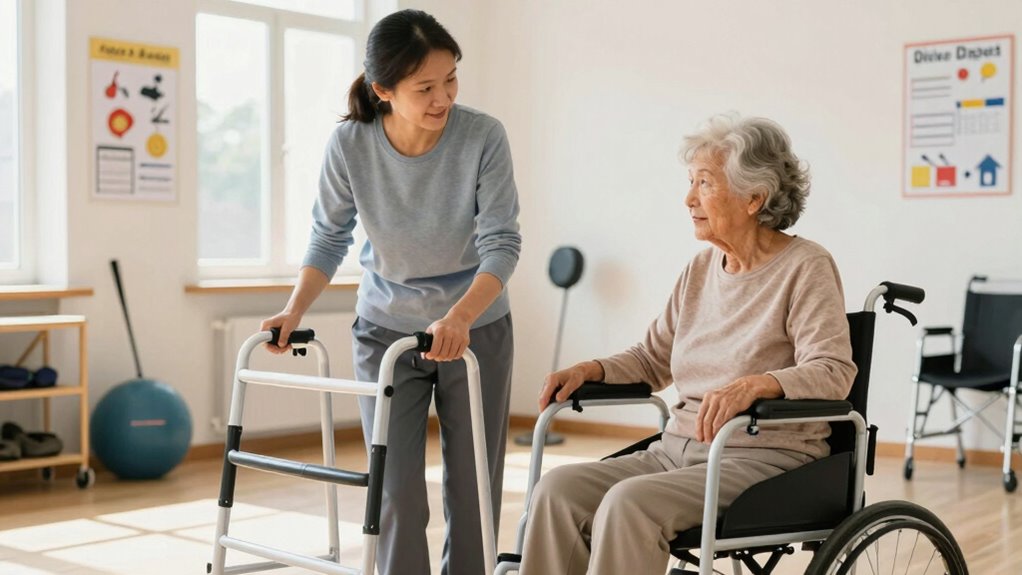
To guarantee seniors use adaptive equipment safely over time, providing ongoing support and conducting regular safety checks are essential. Staying engaged with the community helps identify new challenges and encourages shared solutions. Technological advancements make it easier to monitor and maintain equipment, ensuring ideal safety.
Here are three ways to maintain safety:
- Regularly review equipment with seniors to address evolving needs and prevent accidents.
- Foster community engagement by connecting seniors with local support groups and resources.
- Use innovative tools and apps to schedule safety checks and stay informed about new safety features and updates.
Consistent support ensures seniors feel confident, reduces risks, and promotes independence in using adaptive equipment safely.
Creating a Safe Home Environment to Support Equipment Use
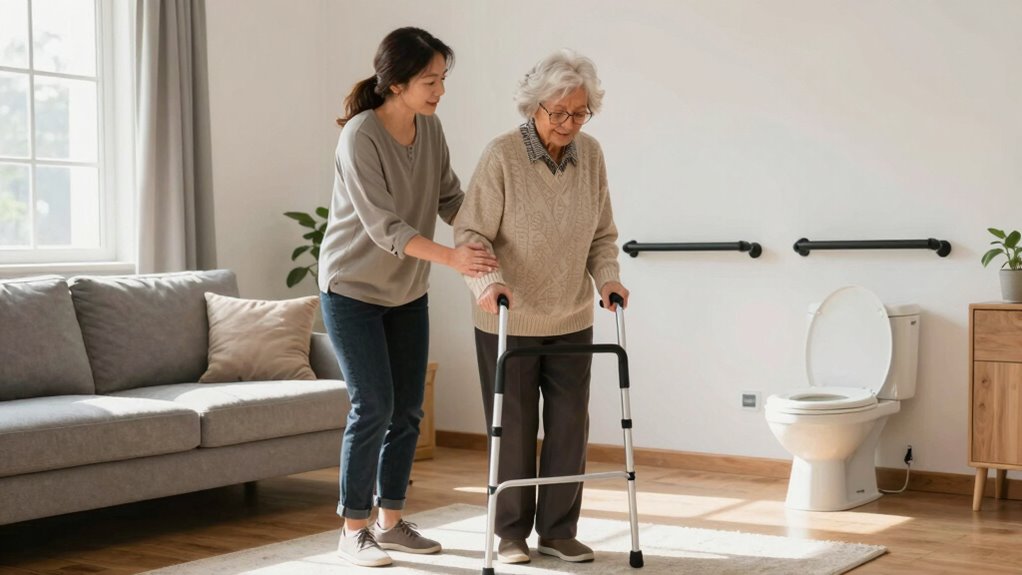
Maintaining a safe home environment supports seniors in using adaptive equipment effectively and reduces the risk of accidents. Start by making necessary home modifications, such as installing grab bars, ramps, and non-slip mats, to ensure easy and safe access. Clear pathways free of clutter prevent falls and facilitate mobility with equipment. Additionally, prioritize emergency preparedness by keeping emergency kits accessible and ensuring all household members know safety procedures. Secure loose rugs and cords that could cause tripping. Regularly check that equipment is in good condition and properly positioned. These adjustments create a safer space, encouraging confidence and independence while reducing hazards. A well-organized, thoughtfully modified home enhances safety and supports the effective use of adaptive equipment.
Frequently Asked Questions
How Often Should Adaptive Equipment Be Inspected for Safety?
You should inspect adaptive equipment regularly, ideally every three to six months, to guarantee safety. Conduct routine equipment maintenance and perform safety audits to identify any wear and tear or potential hazards. Frequent inspections help catch issues early, preventing accidents and ensuring your loved ones stay safe while using their adaptive devices. Keep a maintenance schedule and document each inspection to maintain peak safety standards.
What Signs Indicate a Device Needs Repair or Replacement?
You might notice a device needs repair or replacement if you experience user discomfort or see signs of device malfunction. Cracks, loose parts, or unusual noises are clear indicators. If the equipment isn’t functioning smoothly or causes pain, it’s time to check for repairs. Ignoring these signs can lead to accidents or injury, so trust your instincts—when something feels off, prioritize safety and get it inspected or replaced promptly.
Are There Specific Training Programs for Caregivers on Equipment Safety?
Yes, there are specific caregiver training programs focused on equipment safety. These programs teach you how to properly operate, maintain, and troubleshoot adaptive equipment, reducing risks for seniors. You’ll learn essential safety protocols, how to recognize signs of wear or malfunction, and best practices for preventing accidents. Completing such training guarantees you feel confident and prepared to assist seniors safely, promoting their independence and well-being.
How Can I Encourage Seniors to Use Adaptive Equipment Consistently?
Motivational strategies motivate seniors to master adaptive equipment, making consistent use a comfort and convenience. You can foster habit formation by providing positive reinforcement, setting small, achievable goals, and creating routine reminders. Encourage independence by demonstrating benefits clearly and celebrating progress. When seniors see how adaptive equipment enhances their daily lives, they’ll be more likely to embrace it consistently, transforming cautious curiosity into confident, habitual use.
What Are the Legal Considerations When Using Adaptive Equipment at Home?
When using adaptive equipment at home, you need to consider liability issues and consent requirements. Make sure you obtain clear consent from the senior or their legal guardian before installation or use. Document everything to protect against liability issues if accidents occur. Also, ensure the equipment meets safety standards and is used properly to minimize risks. Staying informed about local regulations helps you comply and ensures the senior’s safety.
Conclusion
By guiding seniors gently through the world of adaptive equipment, you help them navigate daily life with confidence and grace. Regular check-ins and thoughtful home modifications create a safe haven where independence blooms. Remember, patience and encouragement turn learning into a joyful journey. When you prioritize safety with kindness and care, you’re not just preventing mishaps—you’re empowering seniors to embrace their independence with a smile.