
Foldable mobility devices offer great portability, making them popular for daily errands and travel. They are designed for easy folding, lightweight use, and quick setup, but durability and safety can vary across models. While they promote independence, it is crucial to choose a device that matches your needs and maintains well. If you want honest insights on their longevity, safety, and real benefits, you’ll find useful details as you explore further.
Get ready for Prime Big Deal Days — try Prime free
Exclusive member deals on October 6–7, plus fast free delivery. Cancel anytime.
As an affiliate, we earn on qualifying purchases.
Key Takeaways
- Foldable mobility devices enhance portability and independence but may have limitations in stability and durability over time.
- Their lightweight, compact design facilitates easy storage and transport, ideal for urban environments and travel.
- Battery life and mechanical reliability vary, requiring regular maintenance to ensure safety and optimal performance.
- Higher initial costs are offset by long-term benefits like convenience, reduced storage space, and increased mobility.
- Technological advancements are improving ease of use, comfort, and integration of smart features, shaping the future of these devices.
As an affiliate, we earn on qualifying purchases.
What Are Foldable Mobility Devices and How Do They Work?

Have you ever wondered how foldable mobility devices make transportation easier? These compact devices are designed to be easily folded and carried, fitting seamlessly into daily routines. They typically operate with rechargeable batteries that offer impressive battery life, ensuring you can go farther without frequent recharging. An ergonomic design is central to their functionality, providing comfort and ease of use—handles, seats, and controls are crafted to reduce strain and maximize convenience. When folded, they become lightweight and portable, making transport and storage simple. Many models incorporate intuitive mechanisms that allow you to fold and unfold them effortlessly, so you can shift from walking to riding quickly. The compact design also contributes to easier storage in small spaces or vehicles. Overall, their smart engineering combines durability, comfort, and practicality, transforming mobility for everyday life. smart engineering plays a crucial role in enhancing their performance and reliability. Additionally, ongoing technological advancements continue to improve their features and user experience, often integrating smart home compatibility for even greater convenience. Incorporating advanced materials further enhances their strength and longevity, making them a reliable choice for users.
Why Use Foldable Devices? Key Benefits for Daily Life

Foldable mobility devices make your daily life easier by offering unmatched portability and convenience. Their space-saving design helps you store and transport them effortlessly, whether at home or on the go. Plus, they promote greater independence, allowing you to move freely without relying on others. Incorporating portability features into their design ensures seamless usability across various environments. Additionally, their compact design often leads to less clutter and better organization in your living space. Emphasizing simple systems within the design can make setup and maintenance even more straightforward, helping you stay organized and confident in their use. Integrating smart technology can further enhance their functionality and ensure your safety during use. Understanding electrical safety principles ensures that these devices operate reliably and securely in your daily routine.
Portability and Convenience
Three main reasons make foldable mobility devices a popular choice: their portability, ease of storage, and convenience for daily use. Their compact design allows you to carry and store them effortlessly, fitting into tight spaces like car trunks, closets, or under desks. Thanks to lightweight materials, you can lift and maneuver these devices without strain, making them ideal for daily errands or travel. The foldable feature means you can switch smoothly between use and transport, saving time and effort. Whether you’re commuting, shopping, or visiting friends, these devices adapt to your busy lifestyle. Their design prioritizes ease and practicality, ensuring you stay mobile without the hassle of bulky equipment. This combination of portability and convenience makes foldable devices a smart, user-friendly choice for everyday life. Additionally, understanding tool features and how to properly maintain your devices can extend their lifespan and improve safety during use. Proper maintenance can also optimize energy efficiency, aligning with sustainable and eco-friendly practices.
Space-Saving Design
Because space is often limited in homes, offices, and vehicles, choosing a device with a compact, foldable design lets you maximize available areas. Foldable mobility devices are specifically crafted for compact storage, allowing you to easily tuck them away when not in use. This space efficiency means you can keep your environment organized without sacrificing functionality. Whether you’re maneuvering through tight hallways or storing the device in a small closet, their ability to fold neatly reduces clutter. The design ensures that you don’t need large, cumbersome equipment taking up valuable space, making them ideal for urban living or vehicles with limited room. Additionally, portable power options often feature foldable designs, further enhancing their convenience and versatility. Incorporating space-saving features can also contribute to easier maintenance and better safety in your environment. These designs also support mobility management by enabling quick setup and breakdown, which is particularly beneficial for users on the go. Moreover, ergonomic design plays a crucial role in ensuring user comfort during everyday use. Overall, a foldable device helps you optimize your space without compromising on mobility or convenience.
Enhanced Independence
Enhanced independence is one of the main reasons to choose foldable mobility devices, as they empower you to navigate your daily environment with greater ease and confidence. These devices often feature adaptive seating, allowing you to customize comfort and support, which boosts your ability to stay active longer. Their ergonomic design minimizes strain on your body, making it easier to maneuver without fatigue. Foldable mobility devices also simplifies transportation, so you can attend social events, run errands, or travel without hassle. By reducing reliance on others, you regain control over your daily activities. Their portability and user-friendly features help you maintain independence, fostering a more active and fulfilling lifestyle. Incorporating home charging strategies can further enhance your mobility experience by keeping your device ready whenever you need it. Additionally, understanding the importance of device maintenance can prolong the lifespan and reliability of your mobility device, ensuring consistent independence. Proper battery care routines can significantly extend the usability and performance of your device over time, and staying informed about technological updates can help you maximize its capabilities. Regularly checking for software upgrades can also improve safety features and overall functionality, making sure your device stays up-to-date.
Different Types of Foldable Wheelchairs and Scooters: Features to Know

When choosing a foldable wheelchair or scooter, understanding the different types and their features is essential to find the best fit for your needs. Manual wheelchairs are lightweight and portable, with some offering adjustable armrests for comfort and easier transfers. Power scooters provide motorized assistance, often boasting long battery life to support extended outings. Consider models with adjustable armrests to customize your comfort, especially if you spend prolonged periods seated. Battery life is critical; longer-lasting batteries mean fewer interruptions and greater independence. Some scooters fold completely, making transport and storage simple, while others fold partially for quick setup. Knowing these features helps you select a device that balances portability, comfort, and reliable performance for your daily mobility. Additionally, consulting with professional services can help you identify the most suitable mobility device tailored to your specific needs. For example, understanding the different types of foldable mobility devices can significantly improve your selection process. The importance of design features such as ease of folding and weight capacity also plays a crucial role in your decision. Moreover, considering user comfort can enhance long-term satisfaction with your mobility device, ensuring it meets both your mobility and ergonomic needs.
Are Foldable Devices Built to Last and Safe for Long-Term Use?

Foldable mobility devices are designed to withstand regular use, but their durability and safety depend on quality construction and proper maintenance. Durability concerns can arise if materials wear out or components weaken over time, affecting long-term reliability. Ensuring safety standards are met is vital for your peace of mind and safe operation. Well-built devices incorporate sturdy frames, reliable locking mechanisms, and tested electrical systems to prevent malfunctions. Regular maintenance, like checking tires and lubricating moving parts, enhances longevity. Be mindful of signs indicating wear or damage, and always follow manufacturer guidelines. Remember, a durable foldable device that meets safety standards will serve you reliably for years to come. Prioritize quality and upkeep for maximum safety and robustness.
How to Choose the Right Foldable Mobility Device for Your Needs
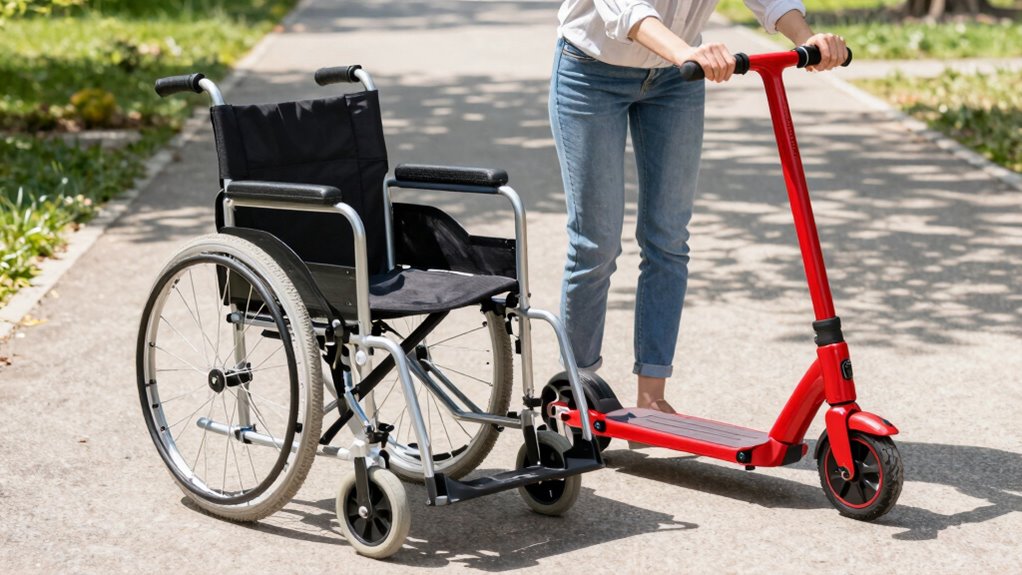
To choose the right foldable mobility device, start by evaluating your specific mobility needs to guarantee it provides sufficient support. Next, consider portability features like weight and folding mechanisms to make transportation easier. Finally, evaluate durability factors to ensure the device withstands daily use and lasts over time.
Assess Mobility Requirements
Are you unsure how to determine which foldable mobility device best suits your lifestyle? First, assess your daily activities and environments to identify key mobility needs. Consider whether you need adaptive seating options for comfort and support or ergonomic design features that reduce strain during use. Think about your balance, stamina, and any specific medical requirements. Do you frequently travel or need to carry your device easily? Understanding these factors helps you choose a device that fits seamlessly into your routine.
- Level of support needed
- Frequency of use and portability
- Comfort features like adaptive seating
- Ergonomic design for ease of use
Consider Portability Features
When choosing a foldable mobility device, prioritizing portability features guarantees it fits effortlessly into your daily life. Look for a device with a compact design that easily folds into a manageable size, making storage and transport simple. Lightweight materials, such as aluminum or durable plastics, reduce the overall weight, so you can lift or carry it without strain. Consider how easily it folds and unfolds—smooth mechanisms save time and frustration. Check if it fits comfortably in your car trunk, closet, or carry-on luggage. A portable device should not only be easy to carry but also sturdy enough to handle regular use. By focusing on these features, you ensure your mobility device supports your lifestyle without adding unnecessary hassle.
Evaluate Durability Factors
Since durability determines how well your foldable mobility device withstands daily use, it’s vital to evaluate the materials and construction quality carefully. High material quality ensures the device can handle regular wear and tear, while a sturdy build prevents breakdowns. Pay attention to the weight capacity, making sure it matches your needs to avoid overloading, which can compromise durability. Consider these factors:
- Use of high-grade materials like aluminum or reinforced plastics
- Strong joints and secure folding mechanisms
- Adequate weight capacity for your body and daily gear
- Reinforced frame for added longevity
Limitations and Drawbacks of Foldable Devices You Should Consider
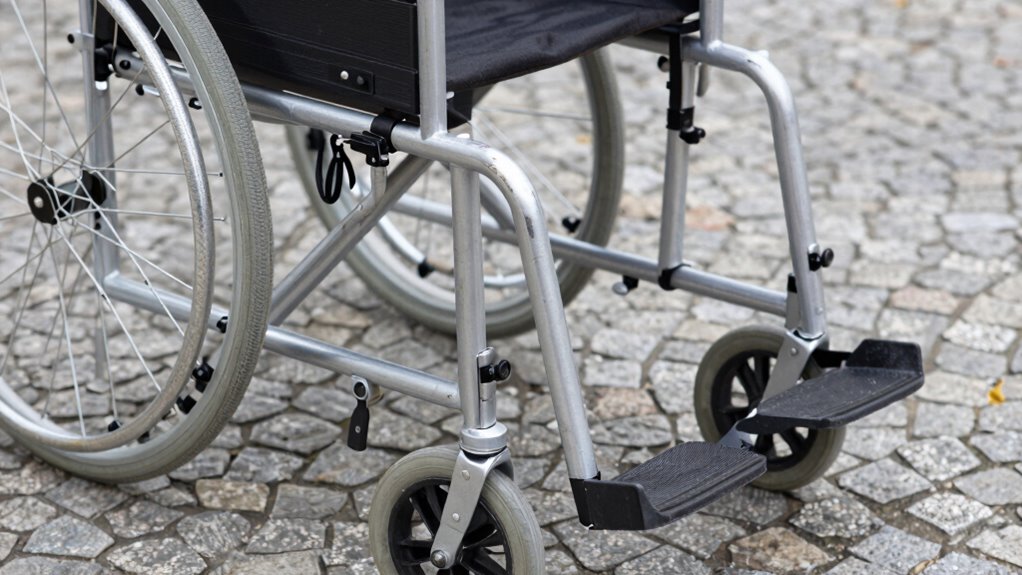
While foldable mobility devices offer increased convenience and portability, they also come with notable limitations that you should be aware of. One common issue is battery life; frequent use can drain the battery faster than expected, limiting your range. Additionally, weight capacity might be lower compared to traditional models, restricting heavier users. The compact design often sacrifices some stability and comfort, especially on uneven terrain. Portability is great, but the device’s folding mechanism may wear out over time if not properly maintained.
| Limitation | Impact |
|---|---|
| Battery life | Limited travel distance per charge |
| Weight capacity | Not suitable for heavier users |
| Durability of fold | Potential for mechanical failure |
Tips for Maintaining Your Foldable Mobility Device and Extending Its Lifespan
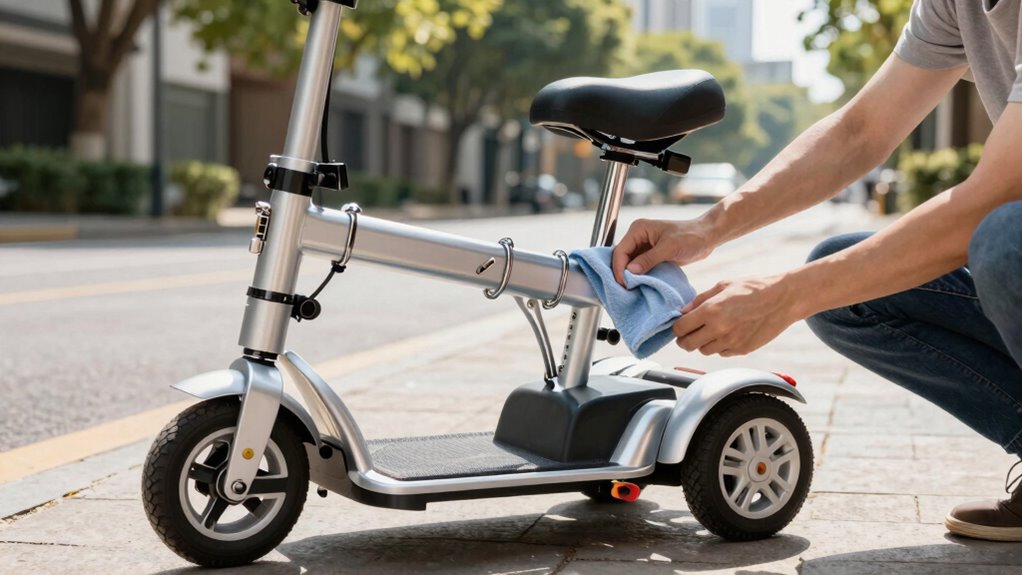
To keep your foldable mobility device in top shape, regular cleaning is essential to prevent dirt buildup and maintain smooth operation. Proper storage in a dry, cool place can protect it from damage and extend its lifespan. Additionally, routine maintenance checks help catch issues early, ensuring your device stays reliable whenever you need it.
Regular Cleaning Practices
Regular cleaning is essential for keeping your foldable mobility device in top condition and ensuring it lasts as long as possible. Establishing a consistent cleaning schedule helps prevent dirt buildup, corrosion, and wear. Good hygiene practices also reduce the risk of germs and bacteria, keeping your device safe to use. To maintain your device properly, wipe down surfaces regularly with a damp cloth, paying special attention to handles and joints. Avoid harsh chemicals that could damage materials. Keep moving parts lubricated and check for debris that could interfere with folding mechanisms. Regular cleaning not only extends your device’s lifespan but also keeps it safe and comfortable to use. Incorporate these habits into your routine to maximize your device’s performance and durability.
- Wipe down surfaces daily or weekly
- Use mild cleaning solutions
- Keep moving parts lubricated
- Regularly inspect for debris
Proper Storage Techniques
Proper storage plays a essential role in maintaining your foldable mobility device‘s longevity. To keep it in top condition, follow simple storage tips and best practices. Always store your device in a dry, cool place away from direct sunlight, which can damage sensitive parts. When not in use, make sure it’s folded securely to prevent accidental unfolding or damage. Avoid leaning it against walls or placing heavy objects on top, as this can deform components. If possible, store your device on a flat surface or in a dedicated storage bag to protect it from dust and dirt. Regularly check that all moving parts are free of debris and functioning properly before storing. Proper storage not only preserves your device’s performance but also extends its lifespan.
Routine Maintenance Checks
Maintaining your foldable mobility device through routine checks helps guarantee it stays reliable and safe to use. Regular inspections can extend the battery lifespan and ensure the ergonomic design remains comfortable. Check the battery connections for corrosion or looseness, and recharge it as recommended by the manufacturer. Inspect moving parts and hinges for stability and smooth operation. Keep the device clean to prevent dust buildup that can impact performance. Test the brakes and controls periodically for responsiveness. Lubricate joints if needed, following the manufacturer’s guidelines. Regular maintenance prevents unexpected breakdowns and prolongs the device’s lifespan.
- Examine battery connections and recharge schedule
- Inspect hinges and moving parts for wear
- Clean the device to prevent dust buildup
- Test controls and brakes regularly
Real User Stories: Do Foldable Devices Deliver on Their Promises?
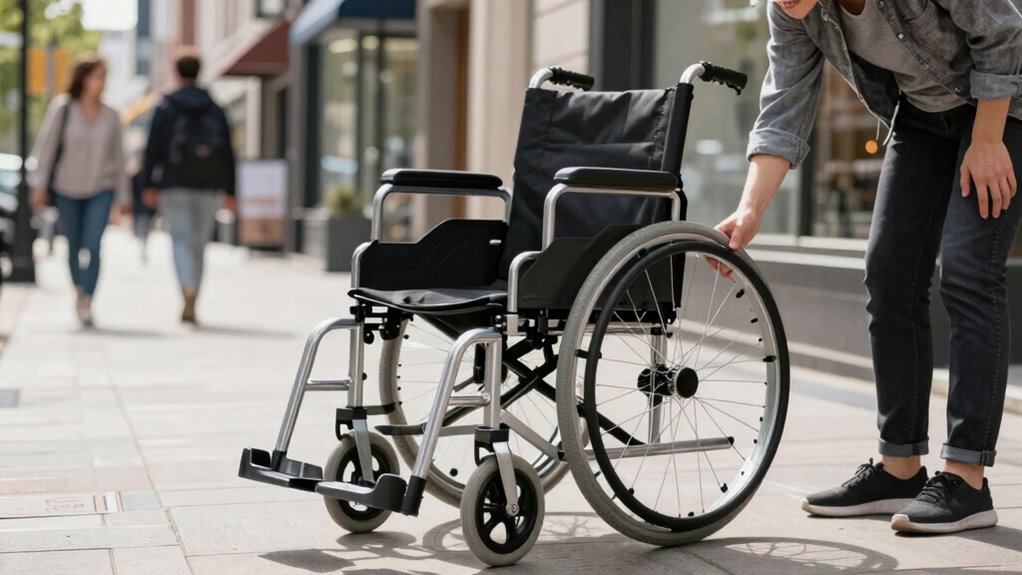
Many users have turned to foldable mobility devices expecting greater convenience and portability, but real-world experiences reveal a mixed picture. Some find them perfect for urban mobility, easily traversing crowded streets and transit. Others, however, struggle with battery technology that doesn’t last as long as promised, limiting their daily use. Durability also varies: while some report seamless folding and unfolding, others face mechanical issues after months. To better understand, consider this overview:
| Feature | User Experience | Key Consideration |
|---|---|---|
| Portability | Highly portable, fits in small spaces | Weight can be heavy for some |
| Battery Life | Varies, sometimes insufficient | Check real-world range claims |
| Durability | Mixed results, depends on model | Mechanical reliability matters |
| Urban Mobility | Improves ease of city navigation | Compatibility with city infrastructure |
What Is the Cost of Foldable Mobility Devices, and Are They Worth It?
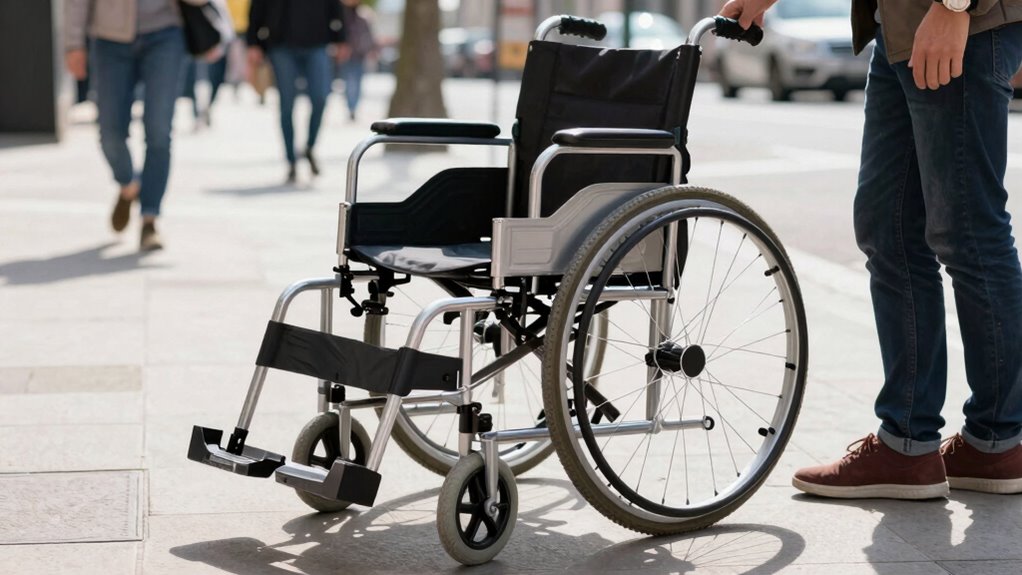
Are foldable mobility devices worth their often higher price tags? The answer depends on your specific needs and a thorough cost analysis. While they tend to be more expensive upfront, their portability and convenience can justify the investment. Affordability factors include long-term savings on storage, ease of travel, and reduced dependence on assistance. Consider these points:
- Higher initial purchase price compared to traditional devices
- Savings on storage and transportation costs
- Increased independence and convenience
- Potential durability and longevity benefits
Ultimately, if mobility, ease of use, and versatility are priorities, the benefits may outweigh the costs. Weighing these factors helps determine if a foldable device is a worthwhile investment for your lifestyle.
Future Trends in Foldable Mobility Technology
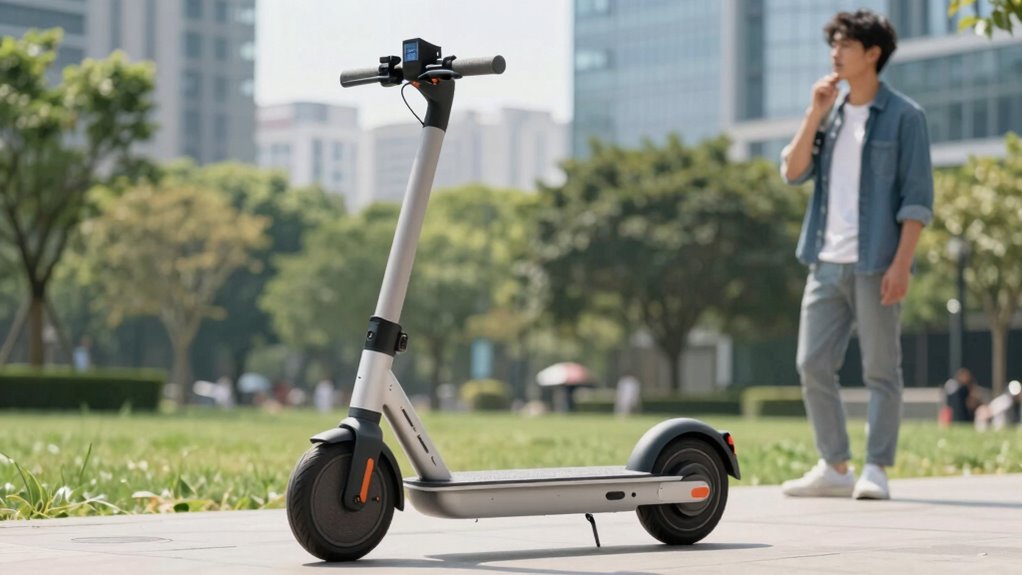
Advancements in foldable mobility technology are rapidly shaping the future, making devices more intelligent, lightweight, and user-friendly. You can expect innovative materials like carbon fiber and advanced composites to reduce weight while increasing durability. These new materials will enable more compact, portable designs without sacrificing strength. Ergonomic design will play a pivotal role in enhancing comfort and ease of use, ensuring devices fit your body better and reduce fatigue during extended use. Future trends also include smarter features such as AI-powered navigation and adaptive systems that respond to your environment. Seamless folding mechanisms will become more intuitive, improving portability and storage. Overall, these innovations will make foldable mobility devices more accessible, practical, and tailored to your specific needs.
Frequently Asked Questions
Are Foldable Mobility Devices Suitable for Outdoor Rugged Terrains?
Foldable mobility devices are generally not ideal for rugged outdoor terrains. They often lack the off-road capabilities and terrain adaptability needed to handle uneven surfaces, rocks, or mud. While some models may offer basic outdoor use, most are designed for urban environments. If you plan to navigate challenging terrains regularly, look for specialized, rugged models with enhanced off-road features for better performance and safety.
How Discreet Are Foldable Devices in Public Settings?
Foldable mobility devices are quite discreet in public settings thanks to their sleek, compact design. You’ll appreciate how easily they blend in, reducing unwanted attention. Their discreet design helps you feel more comfortable and confident, positively influencing public perception. Whether you’re maneuvering busy streets or social gatherings, these devices let you maintain independence without drawing unnecessary notice. Overall, they’re practical, unobtrusive, and designed with your privacy in mind.
Can Foldable Mobility Devices Be Customized for Specific Disabilities?
You can absolutely tailor foldable mobility devices for specific disabilities. For example, imagine a user with limited hand strength adding personalized grip accessories, enhancing control. Many foldable devices offer a variety of personalization options, like adjustable seating or specialized controls, and are compatible with various accessories. This flexibility ensures your device meets your unique needs, making mobility easier and more comfortable for your lifestyle.
What Are the Warranty Options for Foldable Mobility Devices?
You should check the warranty policies offered by the manufacturer, as coverage options vary. Most foldable mobility devices come with a standard warranty that covers parts and repairs for a specific period, often one year. Some companies offer extended warranties or optional service plans for added peace of mind. Be sure to read the fine print so you understand what’s covered and any exclusions, ensuring you make an informed decision.
Do Foldable Devices Require Special Training to Operate Safely?
Think of operating foldable mobility devices like mastering a new dance; while they’re user-friendly, proper training makes all the difference. You don’t need specialized skills, but training requirements guarantee you understand safety protocols, preventing accidents. By learning how to handle your device correctly, you’ll enjoy increased confidence and safety. So, investing time in training is essential, helping you navigate smoothly and safely, just like a seasoned dancer mastering each move.
Conclusion
Imagine effortlessly maneuvering busy streets with your foldable wheelchair, like Lisa, who regained independence after switching to a lightweight, portable model. Foldable mobility devices offer convenience, safety, and a boost in confidence for daily adventures. With the right choice and proper care, you’ll enjoy long-lasting reliability. Embrace the future of mobility—your active, independent life is just a fold away. Experience freedom today and see how these innovative devices can transform your world.
NFL season / tailgating Picks
team gear
As an affiliate, we earn on qualifying purchases.