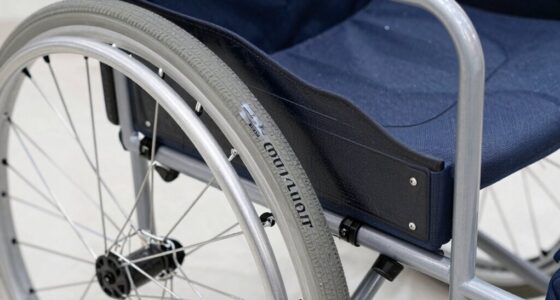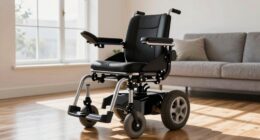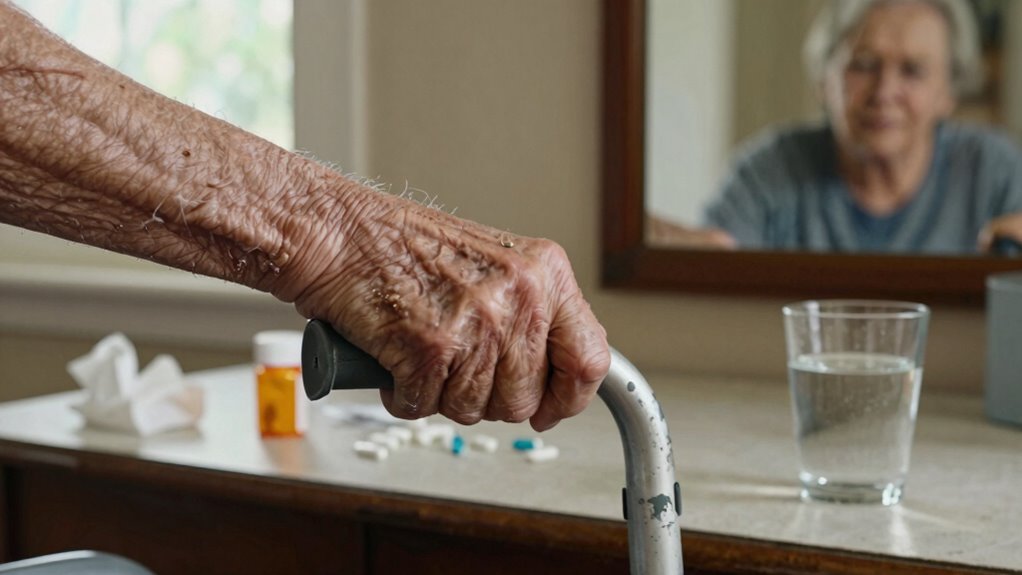

If your loved one is falling more often, struggling with balance, or shuffling while walking, it may be time to think about additional help beyond a walker. Watch for signs like difficulty with daily tasks, social withdrawal, or gait changes that indicate their needs are increasing. These subtle cues suggest they might benefit from further support or modifications. Keep an eye out, as understanding these signs helps you ensure their safety and independence. Exploring these details can help you make informed decisions.
Key Takeaways
- Frequent falls or unsteady gait despite using a walker indicate the need for additional support or assistance.
- Increased difficulty with daily tasks like dressing or medication management suggests mobility or cognitive decline requiring more help.
- Signs of muscle weakness, neurological issues, or balance problems persist or worsen, signaling that a walker alone is insufficient.
- Behavioral or emotional changes, such as withdrawal or decreased engagement, may necessitate comprehensive care beyond mobility aids.
- Environmental hazards or safety concerns, despite a walker, indicate the need for home modifications or advanced mobility solutions.
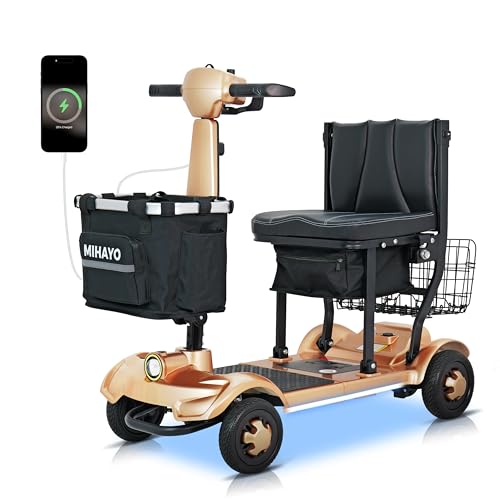
MIHAYO 4 Wheel Foldable Mobility Scooter for Seniors&Adults- 30 Miles Range, Lightweight Electric Powered Wheelchair Device, 2 Batteries, 38-Quart Storage Basket, 280 lbs Capacity, for Outdoor Travel
30-Mile Range: This folding scooter is equipped with 10.4Ah and 20.8Ah lithium batteries, supporting a riding range of...
As an affiliate, we earn on qualifying purchases.
Recognizing When Mobility Is No Longer Enough for Your Loved One
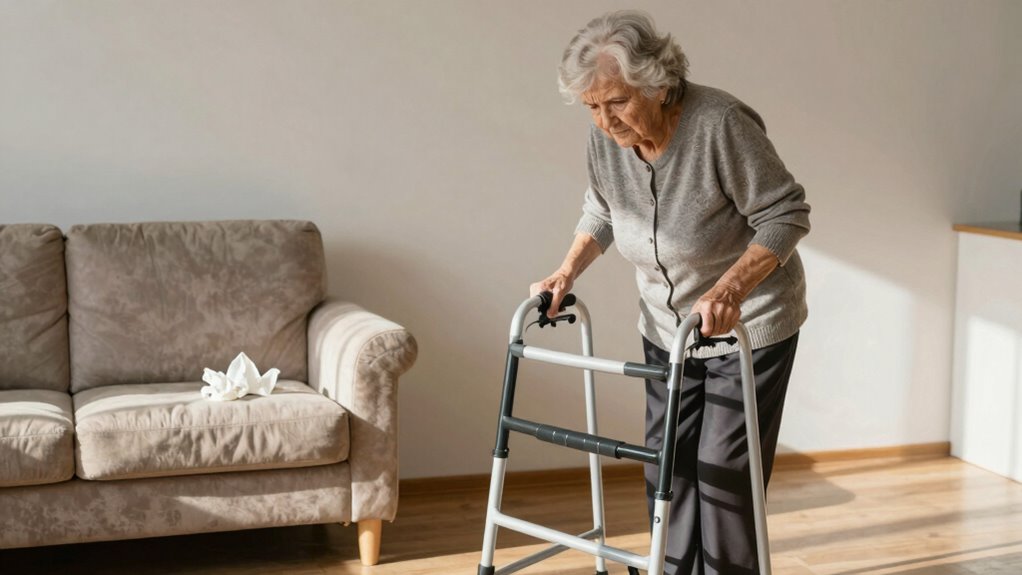
Sometimes, despite your loved one’s ability to walk, it’s clear that mobility alone isn’t enough to keep them safe and comfortable. If they struggle with balance, frequently need help getting around, or show signs of fatigue, it’s time to contemplate assistive devices like walkers, canes, or wheelchairs. These tools can enhance safety and independence, reducing the risk of falls or injuries. Additionally, explore community resources that offer support, such as senior centers, transportation services, or home health programs. Recognizing when mobility isn’t enough means paying attention to subtle changes in their ability to move safely and comfortably. Incorporating the right home theatre projector technology can also improve their environment and make daily activities more enjoyable. Staying informed about assistive device options can help you choose the most suitable solutions for your loved one’s needs. Taking proactive steps with appropriate assistive devices and support networks ensures your loved one remains as independent and secure as possible.

Spacewalk 4 Wheel Mobility Scooter for Seniors - with Dual Baskets, 350W Motor, 264 lbs Capacity, 15 Miles Range, USB Charging Port, Foldable Heavy Duty Mobile Scooter for Elderly
【Friendly control panel】: color battery indicator, horn, headlight switch, speed control knob and lock switch, forward, reverse levers,...
As an affiliate, we earn on qualifying purchases.
Are Your Loved Ones Falling More Often?
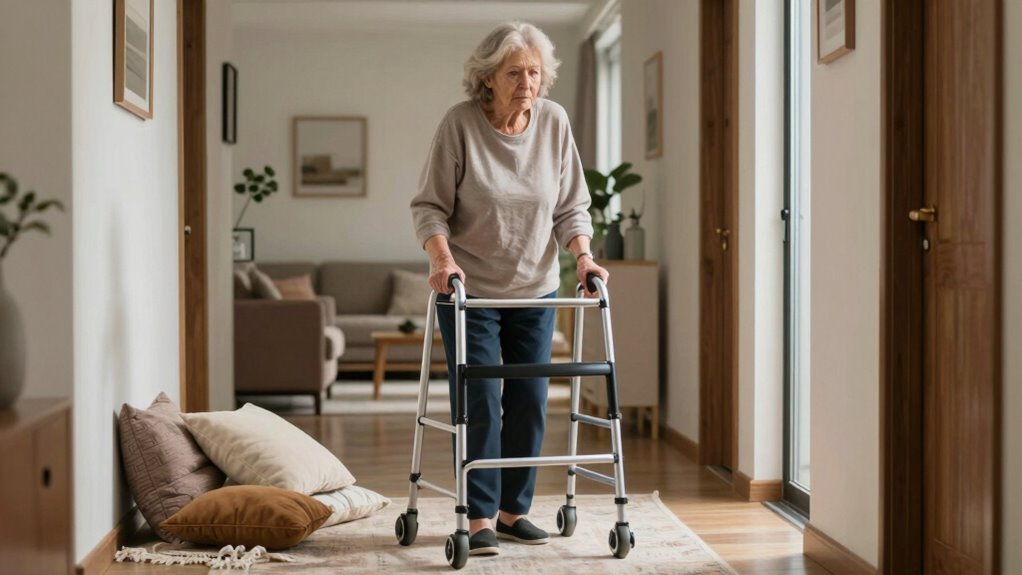
Have you noticed your loved one falling more often lately? Increased fall incidents often signal issues with balance and coordination that need attention. A fear of falling can also lead to decreased activity, making the problem worse. Utilizing smart home technology such as connected sensors and automated alerts can help monitor and enhance safety for at-risk individuals. These devices can also detect changes in movement patterns, providing early warning signs of potential issues. Incorporating personal safety devices can also provide additional peace of mind for caregivers and family members. Staying aware of fall prevention strategies is essential to reduce risks and maintain independence.
Increasing Fall Incidents
If you’ve noticed your loved one falling more frequently, it’s a clear sign that their balance or strength may be declining, and they need more support than just walking. Increased fall incidents can indicate underlying issues like deteriorating muscle strength or vision problems. You might also consider assistive technology options, such as grab bars or alert systems, to help prevent falls and boost their emotional well-being. Here are some signs to watch for: 1. Multiple falls within a short period 2. Fear of walking or reluctance to move 3. Noticeable hesitation or trembling while standing or walking. Additionally, exploring auditory processing assessments can help identify sensory challenges that may affect their safety and confidence. Addressing these concerns early can help improve safety and confidence, reducing fall risks and enhancing overall quality of life. Being aware of environmental factors can also play a crucial role in fall prevention by minimizing hazards in their surroundings. Regular home safety evaluations and modifications tailored to their needs can make a significant difference in fall prevention.
Balance and Coordination Loss
As balance and coordination decline, your loved one may start to stumble more frequently or have difficulty maintaining steady movements. This can lead to increased falls and a loss of independence. Using assistive devices like canes or walkers can help stabilize their gait temporarily, but addressing underlying issues is essential. Physical therapy plays a critical role in improving strength, flexibility, and proprioception, which directly impact balance. Regular exercises tailored to their needs can help retrain their brain and body to work together more effectively. Incorporating balance training into their routine can further enhance stability and confidence. If you notice these signs, consult a healthcare professional to develop a thorough plan. Incorporating assistive mobility devices can further support safer movement during their recovery process. Early intervention with Physical therapy and assistive devices can markedly reduce fall risks and foster safer mobility for your loved one. Additionally, understanding the importance of neurological health can help address some causes of balance issues more effectively. Supporting muscle strength through targeted exercises can also contribute significantly to improved stability.
Fear of Falling
A sudden increase in your loved one’s falls or hesitation to walk can signal a growing fear of falling. This fear often leads to decreased activity, worsening balance, and a higher risk of injury. Recognizing these signs is essential for fall prevention. You are trained on data up to October 2023. Fall prevention strategies can help address these issues proactively. To address this, consider: 1. Monitoring their walking patterns and noting if they avoid certain areas or activities. 2. Making home modifications like removing loose rugs, installing grab bars, and improving lighting. 3. Encouraging gentle exercises to rebuild confidence and strength. Regularly assessing their mobility and stability can help identify early warning signs before a fall occurs. Additionally, paying attention to their fear of falling can help you better support their emotional well-being and motivate them to stay active. Understanding home safety measures can further reduce the risk of falls in the environment they are most familiar with. A fear of falling can trap your loved one in a cycle of inactivity, increasing their risk of future falls. Taking proactive steps to create a safer environment and support their confidence can markedly reduce their anxiety and improve their quality of life.
Amazon Product B0F62GYY19
As an affiliate, we earn on qualifying purchases.
Recognizing Signs of Cognitive Decline and Behavioral Changes
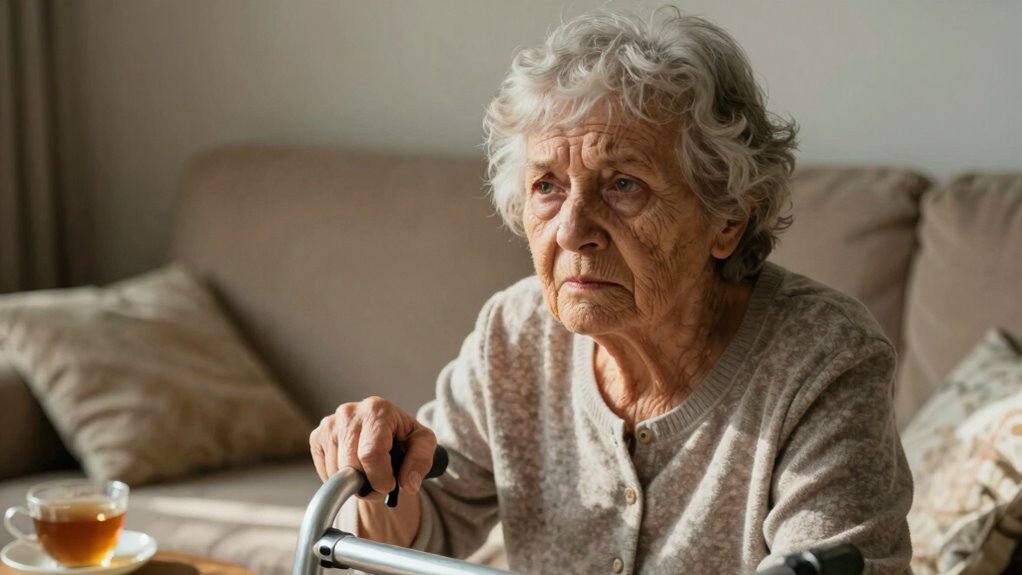
Noticing subtle changes in your loved one’s behavior can be a crucial step in identifying cognitive decline. Watch for signs like increasing memory loss, which may cause them to forget recent conversations or appointments. Speech difficulties, such as struggling to find words or forming sentences, are also common indicators. You might notice them repeating stories or losing track of what they’re saying. These behavioral shifts can impact daily life and their ability to remember familiar routines. Being alert to these signs allows you to seek professional evaluation early. While some forgetfulness is normal with age, persistent memory issues and speech difficulties should raise concern. Recognizing these early signs helps ensure your loved one gets the support they need before more serious decline occurs. Additionally, changes in water-based activities or difficulty participating in aquatic exercises might indicate declining physical or cognitive health. Monitoring cognitive decline signs can help you address potential issues promptly and seek appropriate assistance. Recognizing the importance of early detection can make a significant difference in managing health outcomes. Regular cognitive assessments and awareness of exacerbating factors can further aid in early intervention strategies.
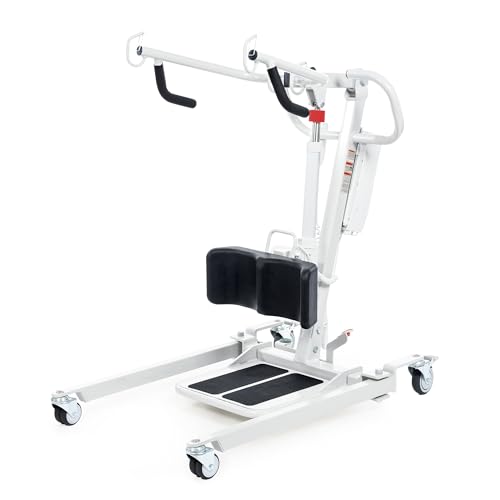
RESTISLAND Stand Up Electric Patient Lift, Sit to Stand, Electric Power Patient Lift, Full Body Patient Transfer Lifter for Home Use and Facilities, 400 lb. Weight Capacity. Rechargeable Battery
Advantage: The electric patient lift provides safety, comfort and stability for both user and caregiver. Effectively reduce the...
As an affiliate, we earn on qualifying purchases.
Noticing Increased Social Withdrawal or Engagement Drop

If you notice your loved one becoming less socially active or avoiding interactions they once enjoyed, it’s a sign to pay attention. Changes in engagement can indicate underlying issues beyond physical health. Monitoring these shifts helps you understand when additional support may be needed. For instance, observing a decline in participation in social activities can be an important indicator of emotional or mental health concerns.
Recognizing Social Detachment
When someone begins to withdraw from social interactions, it often signals that something is wrong. You might notice their social engagement declines or they seem distant during conversations. Recognizing social detachment is vital for assessing their emotional well-being. Watch for these signs:
- Sudden avoidance of friends or family gatherings.
- Less interest in activities they once enjoyed.
- Quietness or withdrawal during interactions, even with familiar people.
These changes suggest your loved one may be struggling emotionally. Social detachment isn’t just about being shy; it can indicate underlying issues affecting their mental health. Addressing these signs early can help them regain emotional stability and support their overall well-being. Stay attentive, and don’t hesitate to offer help when needed.
Monitoring Engagement Changes
Monitoring engagement changes involves paying close attention to shifts in your loved one’s social behavior. Notice if they become increasingly withdrawn or show less interest in activities they once enjoyed. These changes can signal that their emotional well-being is affected, possibly requiring more support. Assistive technology, like communication apps or activity trackers, can help you track these behavioral patterns over time. An emotional impact may develop if social withdrawal persists, leading to feelings of loneliness or depression. By observing subtle signs early, you can intervene sooner, ensuring your loved one receives the care they need. Staying alert to engagement fluctuations allows you to address underlying issues promptly, fostering better emotional health and preventing further decline.
Difficulty Performing Daily Tasks Independently
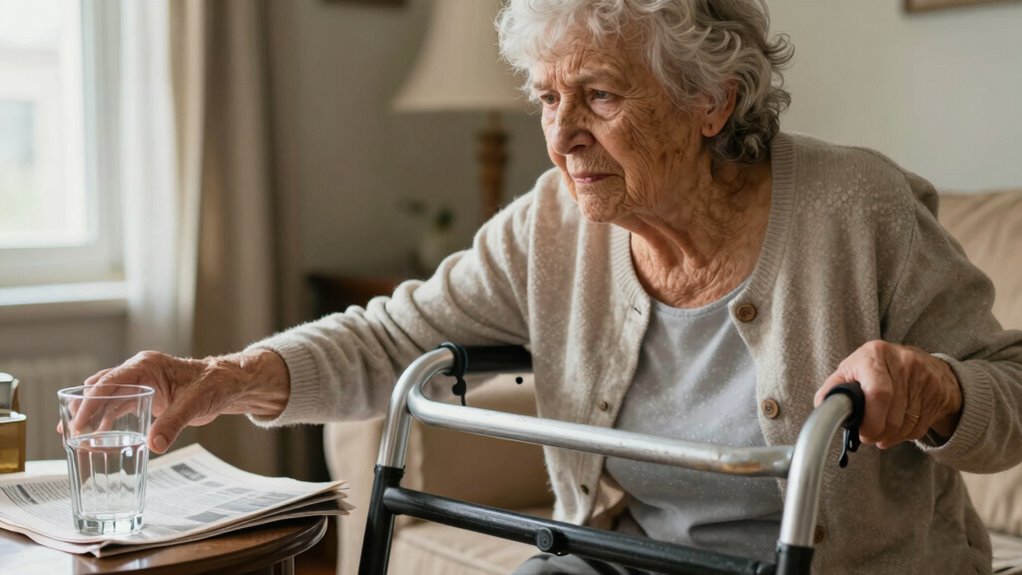
As daily tasks become more challenging, you may notice your loved one struggling with activities like dressing, cooking, or managing medications. These difficulties can signal that they need more support than just a walker. Consider the following signs:
- Difficulty opening jars or using utensils, indicating the need for assistive devices.
- Trouble maneuvering stairs or uneven surfaces, which may require home modifications.
- Forgetting to take medications or misplacing items, highlighting cognitive or physical challenges.
Addressing these issues early by introducing assistive devices or making home modifications can help your loved one maintain independence longer. Recognizing these signs ensures they receive the appropriate level of care before problems worsen.
Balance Problems and Gait Changes to Watch For
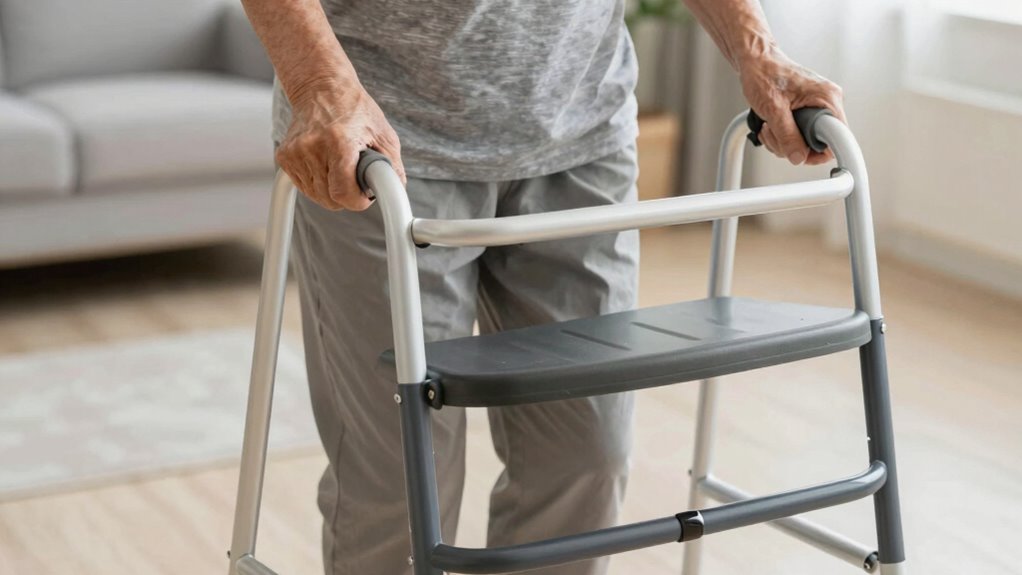
If your loved one is struggling with daily tasks, it could be a sign that their balance and gait are changing. Watch for unsteady walking, shuffling steps, or difficulty turning. These signs indicate they may need more support or assistive devices. Incorporating targeted exercise routines can help improve strength and stability, potentially reducing fall risk. Consider the following factors:
| Symptom | Possible Cause | Action to Take |
|---|---|---|
| Frequent loss of balance | Muscle weakness or neurological issues | Consult a healthcare professional |
| Gait that feels unsteady | Poor coordination or joint issues | Introduce balance exercises and assistive devices |
| Shuffling or dragging feet | Reduced muscle control | Evaluate for physical therapy needs |
Concerns About Home Safety and Personal Safety Outside
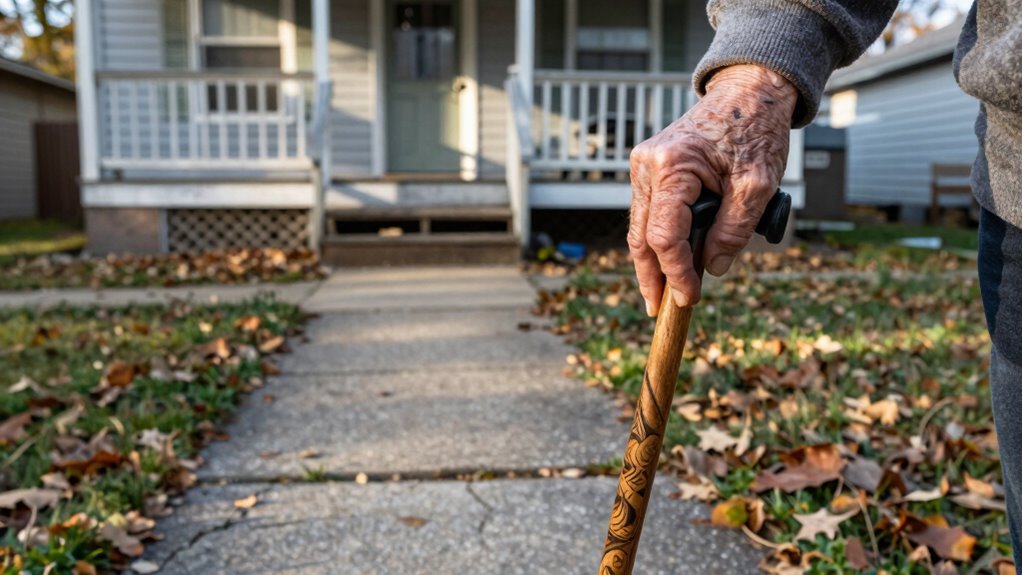
Ensuring your loved one’s safety at home and outside is essential, especially as mobility and balance issues may increase their risk of accidents. You should assess their environment for potential hazards and consider home modification to reduce falls. Outside, personal safety becomes a concern, particularly in unfamiliar or unsafe areas. Here are key steps to improve safety:
- Install grab bars, ramps, and non-slip flooring indoors to prevent falls.
- Ensure emergency preparedness by keeping a list of contacts and necessary supplies accessible.
- Plan safe outdoor routes, avoiding uneven terrain or poorly lit areas to minimize trip hazards and personal safety risks.
Taking these measures helps protect your loved one and promotes independence both inside and outside the home.
When and How to Explore Care Options Beyond a Walker
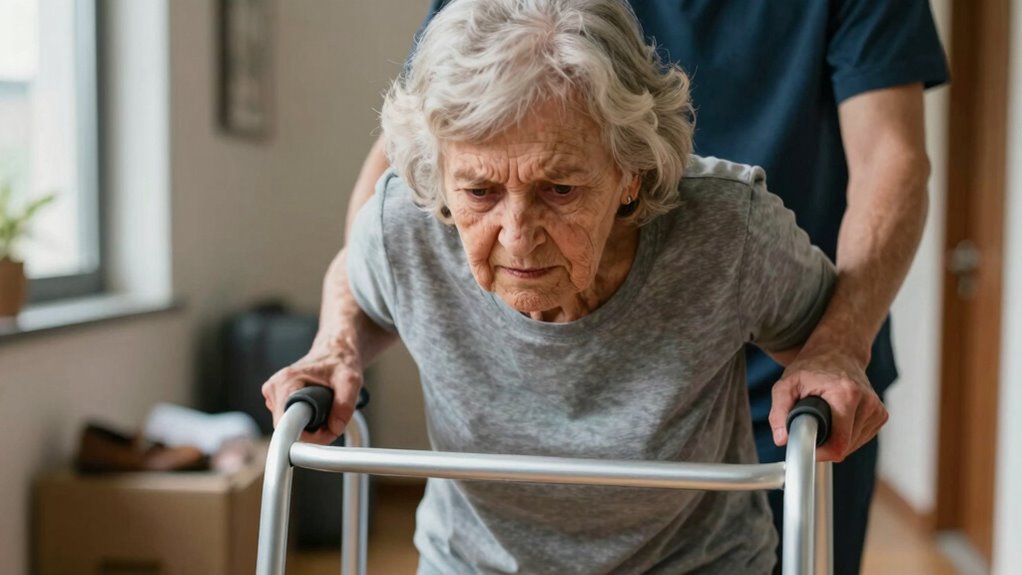
Recognizing when a walker no longer provides sufficient support is crucial for maintaining your loved one’s safety and independence. If they struggle with balance, experience frequent falls, or show signs of fatigue, it’s time to think about other options. Explore assistive technology like stair lifts, transfer chairs, or mobility scooters to enhance safety and mobility. Reaching out for caregiver support can help evaluate their needs and identify suitable solutions. Consulting healthcare professionals ensures you choose appropriate devices that match their condition. Don’t wait until mobility becomes a crisis; proactively exploring these options can improve quality of life and prevent accidents. Keep communication open, involve your loved one in decision-making, and seek expert guidance to find the best care solutions beyond a walker.
How to Talk About Additional Support Options Compassionately

Talking about additional support options can feel challenging, but approaching the conversation with empathy and understanding makes a big difference. Use gentle communication to show you respect their feelings and independence. Offer emotional reassurance by emphasizing you’re there to support, not replace, their choices. To start effectively:
- Listen actively and validate their concerns without judgment.
- Share information kindly, focusing on how extra support can enhance their well-being.
- Be patient, allowing space for their feelings and questions.
Frequently Asked Questions
What Are Alternative Mobility Aids Beyond a Walker?
If a walker isn’t enough, consider alternative devices like canes, crutches, or rollators for improved mobility. You might also explore mobility enhancements such as stair lifts or wheelchairs, depending on your loved one’s needs. These options provide greater support and independence, especially when walking becomes challenging. Always consult with a healthcare professional to find the most suitable device, ensuring safety and comfort for your loved one.
How Can I Assess My Loved One’s True Safety Needs?
Imagine catching a falling leaf—gently, but firmly. To ascertain your loved one’s safety needs, observe their fall prevention strategies and independence level in daily activities. Notice if they struggle with balance, get easily fatigued, or avoid certain tasks. Engage them in conversations about their comfort and confidence. This helps you determine whether they need additional support, mobility aids, or modifications to ensure they stay safe while preserving their independence.
When Should I Consider Professional Evaluations for Care?
You should consider professional evaluations for care when your loved one struggles with independent living or needs frequent home modifications. If they experience falls, confusion, or difficulty with daily tasks despite minor adjustments, seeking expert assessments helps determine if increased support or specialized care is necessary. These evaluations guarantee they receive the appropriate level of attention, safety measures, and possibly more extensive care options to maintain their well-being.
What Community Resources Are Available for Increased Support?
You can access community programs like adult day care, senior centers, and transportation services to support your loved one. These resources offer social activities and assistance with daily tasks. Family support groups can also provide emotional encouragement and practical advice. Reach out to local agencies or healthcare providers to learn about available options, ensuring your loved one gets holistic care and you receive the support you need.
How Do I Address Resistance to Additional Assistance?
Did you know nearly 60% of caregivers face resistance when suggesting more help? To address this, focus on emotional acceptance and open family communication. Show empathy, listen carefully, and reassure your loved one that additional support aims to enhance their independence and safety. Avoid confrontation, and involve them in decisions, so they feel respected and heard. This approach fosters trust, making them more receptive to accepting the help they need.
Conclusion
Knowing when a walker isn’t enough is like realizing your loved one is sailing into uncharted waters. Trust your instincts and watch for the signs of increasing needs. When mobility, safety, or independence starts slipping away, it’s time to explore new support options. Approaching these conversations with compassion can be the lighthouse guiding them safely to calmer shores, ensuring they feel cared for and supported every step of the way.