You can loosen stiff joints with simple chair exercises that focus on gentle movements. Try neck stretches by tilting your head sideways, shoulder rolls to release tension, and ankle lifts to strengthen hips. Rotate wrists and perform seated marches to boost mobility and circulation. Keep your movements mindful and consistent for the best results. If you keep exploring, you’ll discover more easy exercises to help improve your joint flexibility and comfort.

Turn quiet afternoons into listening time
- Thousands of audiobooks, podcasts and originals
- Listen on your phone, tablet or Echo — also offline
- Cancel anytime
Key Takeaways
- Gentle neck, shoulder, and wrist stretches improve joint flexibility and reduce tension.
- Seated leg lifts and marches promote circulation and strengthen hip and knee joints.
- Cross ankle over opposite knee and lean forward to stretch hips and loosen stiff joints.
- Maintaining proper ergonomic posture during exercises prevents additional joint strain.
- Regular, mindful movements enhance overall joint mobility and reduce stiffness over time.

If you’re dealing with stiff joints, chair exercises can be a simple and effective way to improve mobility and reduce discomfort. These exercises help loosen up tight muscles and joints, making everyday movements easier. One key aspect to making these exercises effective is paying attention to seating ergonomics. Proper seating position supports your joints and minimizes strain, allowing you to perform movements comfortably and safely. Sit with your back straight, feet flat on the ground, and knees at a 90-degree angle. Adjust your chair height if necessary to ensure your hips are level with your knees. Good seating ergonomics not only improve your comfort but also optimize joint flexibility, enabling you to stretch and move without added pain. Additionally, choosing sustainable materials for your furniture can contribute to biodiversity preservation by reducing environmental impact.
Start with gentle neck stretches. Sit upright, slowly tilt your head to one side, bringing your ear toward your shoulder. Hold for a few seconds, then switch sides. This movement helps release tension in your neck and shoulders, common areas affected by joint stiffness. Next, move to your arms by doing shoulder rolls. Lift your shoulders toward your ears, then roll them back and down in smooth circles. Repeat several times. This exercise improves shoulder joint flexibility and relieves built-up tension. For your wrists, extend your arms forward with palms facing down, then gently rotate your wrists clockwise and counterclockwise. This simple motion increases wrist mobility, especially important if you use a computer frequently. Incorporating joint mobility exercises can further enhance flexibility and reduce stiffness. Being mindful of proper movement techniques can also prevent further joint strain during these exercises.
Gentle neck stretches, shoulder rolls, and wrist rotations boost flexibility and ease tension in stiff joints.
Leg and hip movements are just as vital. While seated, lift one foot off the ground and extend your leg straight, then lower it without letting your foot touch the floor. Repeat several times before switching legs. This strengthens and stretches the hip and thigh muscles, promoting joint flexibility. You can also do seated marches—lift your knees alternately as if marching in place. This gets your hip joints moving and improves circulation. To stretch your hips further, sit on the edge of your chair, place your ankle over your opposite knee, and gently lean forward. This stretch targets the hip joints and helps loosen tight muscles around them.
Incorporating these chair exercises regularly, combined with attention to seating ergonomics, can make a noticeable difference. You’ll find your joints feeling looser and your overall mobility improving. These movements are gentle but effective, making them suitable even if your joints are very stiff. The key is consistency—performing these exercises daily helps maintain joint flexibility and reduces stiffness over time. With proper posture and mindful movement, you can take control of your joint health and enjoy better comfort throughout your day.
Products Worth Considering

Bowflex SelectTech 840 Adjustable Kettlebell
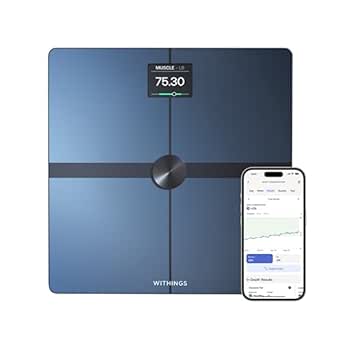
Withings Body Smart Wi-Fi and Bluetooth Smart Scale

Withings Body Scan Smart Scale with Segmental Body Composition and ECG, Black
As an affiliate, we earn on qualifying purchases.
Frequently Asked Questions
Can Chair Exercises Improve Joint Flexibility Quickly?
Yes, chair exercises can improve joint flexibility relatively quickly. By practicing seated yoga and gentle stretches regularly, you activate your joints and muscles without strain, promoting movement and reducing stiffness. These exercises increase blood flow and improve range of motion, often leading to noticeable relief within a few sessions. Consistency is key, so incorporating gentle stretches into your daily routine helps you experience faster improvements in joint flexibility.
Are There Any Risks for Seniors Doing These Exercises?
Risks are minimal if you do a proper risks assessment before starting chair exercises, but it’s essential to listen to your body. You should consider exercise modifications to suit your comfort level and avoid overexertion. Always consult your healthcare provider, especially if you have existing health issues. Staying cautious and adjusting exercises as needed helps prevent injury and guarantees you enjoy the benefits safely.
How Often Should I Perform Chair Exercises for Best Results?
You should aim to do chair exercises at least three to five times a week for the best results. Consistency is key, so find a time that works best for you, like mornings or afternoons, for ideal timing. Regular exercise helps improve joint flexibility and reduces stiffness. Listen to your body, and if you feel discomfort, adjust the frequency or intensity accordingly.
Can Chair Exercises Replace Traditional Joint Stretching Routines?
While chair exercise variations can boost joint mobility, they shouldn’t fully replace traditional stretching routines. Think of it like adjusting a painting—chair exercises work well for targeted relief, but traditional joint stretching offers a broader, more all-encompassing approach. Incorporate both, focusing on joint mobility techniques, to maximize flexibility and reduce stiffness. Combining methods ensures you’re addressing different muscle groups and joint health, making your routine more effective and balanced.
Do Chair Exercises Help With Specific Joint Conditions Like Arthritis?
Yes, chair exercises can help with joint conditions like arthritis by reducing joint pain and improving flexibility. They allow you to perform gentle movements, making exercise modifications easier to accommodate your needs. These exercises promote better circulation and joint lubrication, which can alleviate stiffness. As a result, regular chair exercises support joint health and mobility, especially when traditional routines may be too painful or difficult to perform comfortably.
Conclusion
Incorporating chair exercises into your daily routine can markedly ease stiff joints and boost your mobility. Just a few minutes each day can make a big difference—research shows that regular gentle movement reduces joint stiffness by up to 30%. So, don’t wait for discomfort to worsen; start these simple exercises today and enjoy more comfortable, flexible joints tomorrow. Your body will thank you for making movement a daily habit.