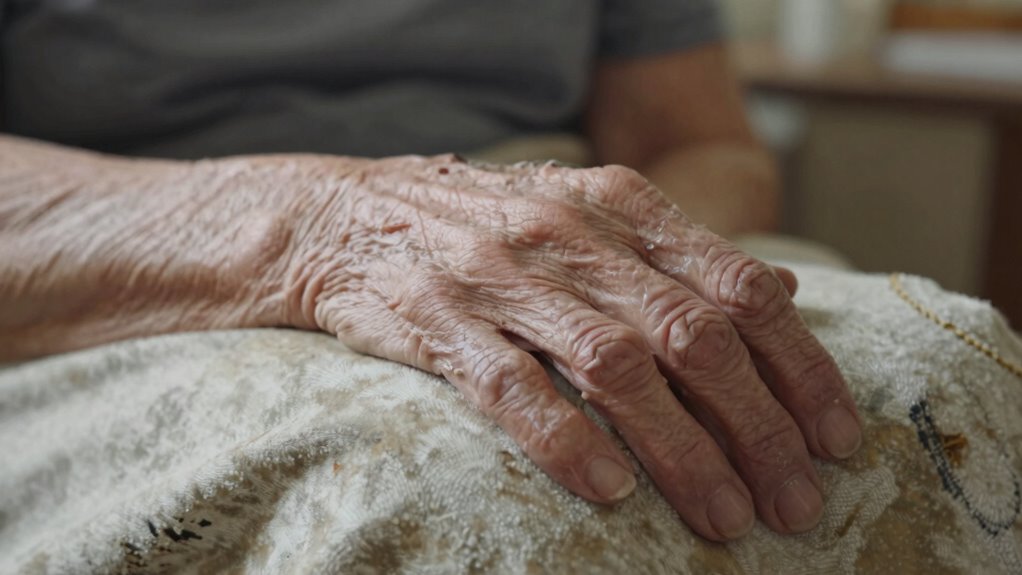
You might not realize that subtle signs like weight loss, muscle weakness, slower gait, or increased fatigue could signal frailty in your loved one. Often mistaken for normal aging, these changes require attention for early intervention. Small steps like encouraging better nutrition and gentle exercise can make a big difference. Recognizing and acting on these signs early can help preserve independence and improve quality of life. Keep exploring for more strategies to support healthy aging.

Get comfort and care essentials delivered free — and shop member deals
- Fast, free delivery on millions of items
- Access to Prime Big Deal Days deals on October 6–7
- Prime Video, Amazon Music and more included
Key Takeaways
- Early signs like increased fatigue, slower gait, and weight loss are often overlooked or mistaken for normal aging.
- Subtle declines in daily functioning, such as difficulty with tasks or decreased activity, signal emerging frailty.
- Families may miss gradual muscle weakness and reduced appetite, delaying intervention and worsening outcomes.
- Recognizing small changes in energy levels helps identify frailty before it progresses.
- Lack of awareness about frailty’s signs hampers early management and prevention efforts.
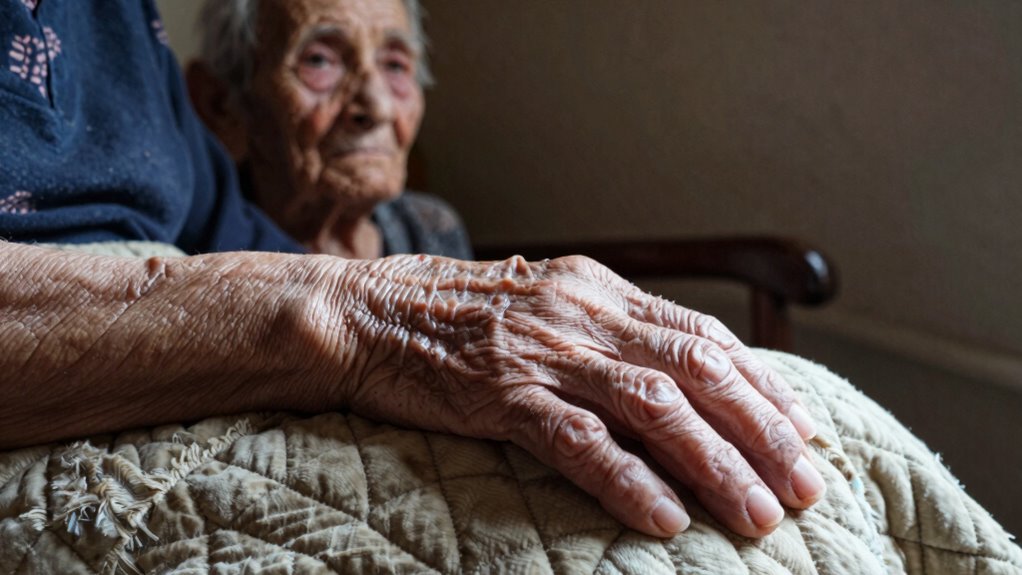
Have you ever wondered why some older adults become more vulnerable to health problems than others? The answer often lies in the subtle signs of frailty syndrome, a condition that can develop gradually and often goes unnoticed by families. Recognizing these signs early can make a significant difference in managing health outcomes. One of the key factors in preventing or slowing down frailty is implementing effective nutritional interventions. As your loved ones age, their nutritional needs change, and they may not always eat enough or get the right nutrients. You might notice weight loss, muscle weakness, or a decline in appetite, which are common early indicators. Confirming they consume a balanced diet rich in protein, vitamins, and minerals supports muscle strength and energy levels. Incorporating small, frequent meals or consulting with a healthcare provider about supplements can help address deficiencies before they exacerbate frailty. Additionally, understanding the importance of nutritional support in managing frailty can help families take proactive steps. Physical activity also plays a crucial role in maintaining strength and resilience. Many families overlook how essential regular, moderate exercise is for older adults. Activities like walking, stretching, or tailored strength training can improve balance, coordination, and muscle mass. You may see your loved one becoming less active or avoiding movement altogether, which is often a sign of early frailty. Encouraging them to stay active, even in small ways, can prevent the decline of physical function. Creating a safe environment and choosing activities they enjoy is fundamental to promote consistent engagement. Combining physical activity with proper nutrition creates a powerful synergy that helps preserve independence and reduce the risk of falls and hospitalization. Families often miss the subtle changes that signal the onset of frailty—such as increased fatigue, slower gait, or difficulty with daily tasks. These signs are easy to dismiss as normal aging, but they merit attention. Addressing them early with targeted nutritional interventions and regular physical activity can slow progression and improve quality of life. Sometimes, frailty is mistaken for just aging, but it’s a medical condition that requires proactive management. As someone close to an older adult, your role in observing, supporting, and encouraging healthy habits is essential. Small steps—like preparing nutritious meals or taking a walk together—can have a profound impact. Developing an understanding of early detection can empower families to intervene more effectively before frailty becomes severe. Being aware of the signs of decline can help families identify issues before they escalate into more serious health concerns. Recognizing that preventive measures can significantly influence outcomes underscores the importance of early intervention. Moreover, educating families about the progression of frailty can motivate them to act sooner rather than later.
As an affiliate, we earn on qualifying purchases.
Frequently Asked Questions
Can Frailty Syndrome Be Reversed With Treatment?
Yes, frailty syndrome can often be reversed or improved with appropriate treatment. You should focus on rehabilitation strategies like strength training, balance exercises, and nutritional support to boost your loved one’s resilience. Medication options may also help manage underlying conditions. By actively engaging in these interventions, you can help reduce frailty’s effects and improve quality of life. Early detection and a tailored approach are key to successful reversal efforts.
Are There Specific Foods That Help Prevent Frailty?
You should focus on nutrient-rich foods like fruits, vegetables, lean proteins, and whole grains to help prevent frailty. Studies show that a balanced, immune-boosting diet can reduce frailty risk by up to 30%. Incorporate foods high in vitamins D and E, omega-3 fatty acids, and antioxidants to support muscle strength and overall health. Staying consistent with these nutrient-dense choices boosts your immune system and helps maintain liveliness as you age.
How Quickly Can Frailty Develop in Seniors?
Frailty can develop rapidly in seniors, sometimes within months if early warning signs are overlooked. You need to watch for subtle changes like weight loss, weakness, or fatigue. Early detection is essential because it allows you to intervene sooner, potentially slowing the decline. The key is staying vigilant and consulting healthcare providers promptly if you notice any rapid decline or new symptoms, ensuring your loved ones get the care they need.
What Are the Emotional Effects of Frailty on Families?
Did you know that nearly 40% of families experience emotional distress when caring for a frail loved one? You might feel overwhelmed or anxious as you witness their physical decline, testing your emotional resilience. Family support becomes essential, helping you cope and maintain your well-being. These emotional effects can be intense, but leaning on loved ones and seeking support can help you navigate these challenging feelings and provide better care.
Is Frailty Syndrome More Common in Men or Women?
You should know that frailty syndrome is more common in women due to gender differences and biological factors. Women tend to live longer, increasing their vulnerability to frailty. Biological factors like hormonal changes and body composition also play a role, making women more susceptible. Recognizing these gender differences helps families better understand the risks and tailor care strategies for older adults, especially women, to prevent or manage frailty effectively.
Conclusion
In your care for older loved ones, remember that frailty often whispers softly, hiding behind subtle signs families might overlook. By staying vigilant and recognizing these quiet clues, you can catch the storm before it fully hits. Think of frailty as a delicate thread—tug too hard, and it might snap. Your attentive hands can help your loved ones hold onto strength, dignity, and independence a little longer.
Cold & flu season Picks
humidifiers
As an affiliate, we earn on qualifying purchases.