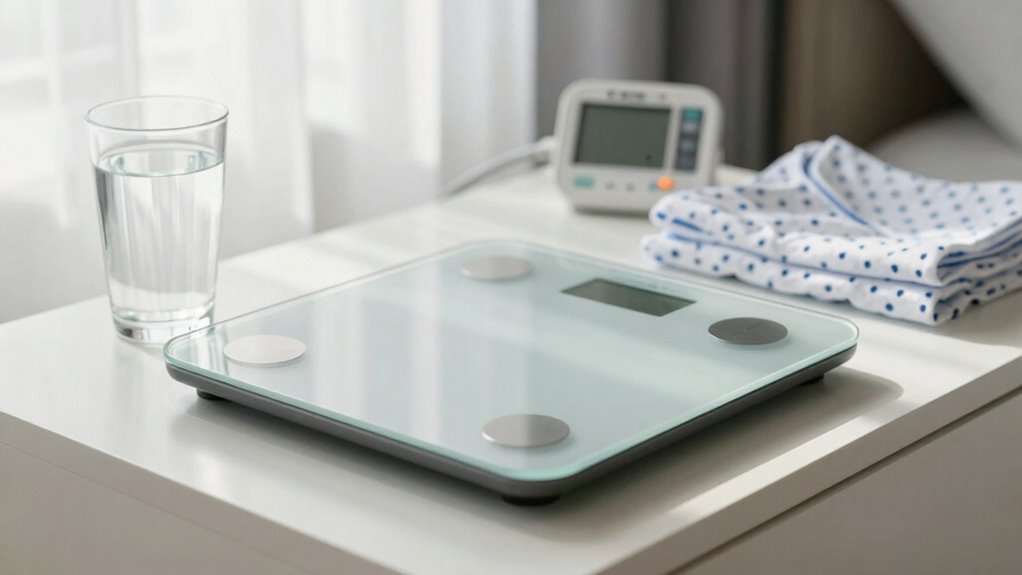

Monitoring your daily weight is essential for managing heart failure because it helps you spot fluid retention early, which signals your condition might be worsening. A sudden increase in weight can mean your body is holding onto excess fluid, possibly requiring prompt action. Tracking your weight consistently allows you to work with your healthcare team to adjust treatments and prevent hospital visits. Keep going to discover more about how this simple step can make a big difference in your health.

Turn quiet afternoons into listening time
- Thousands of audiobooks, podcasts and originals
- Listen on your phone, tablet or Echo — also offline
- Cancel anytime
Key Takeaways
- Daily weights help detect fluid retention early, preventing worsening symptoms and complications.
- Monitoring weight fluctuations guides timely medication adjustments and treatment effectiveness.
- Consistent weighing provides real-time clues about the heart’s efficiency and fluid balance.
- Tracking weight trends empowers patients to participate actively in managing their condition.
- Regular weight measurement reduces hospitalizations by enabling early intervention.
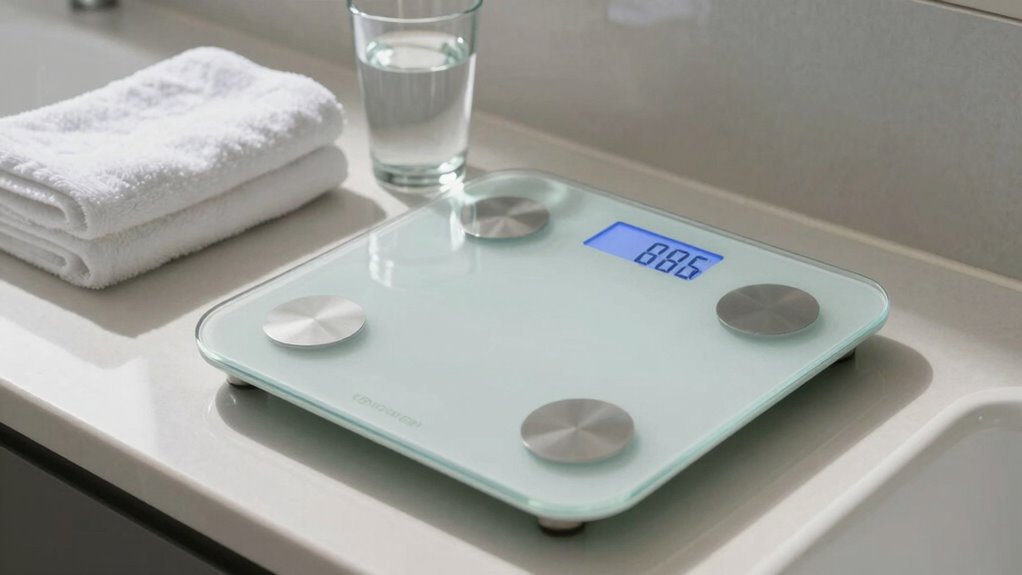
Have you ever wondered why your healthcare provider asks you to weigh yourself every day if you have heart failure? It’s because those daily weights give you an essential clue about your condition’s status. When you notice your weight suddenly rises, it often signals fluid retention, which means your heart isn’t pumping blood as effectively as it should. Fluid builds up in your lungs, legs, or abdomen, making you feel bloated, short of breath, or more fatigued. Catching these changes early allows your healthcare team to intervene quickly, preventing more serious complications.
Tracking your daily weight isn’t just about numbers; it’s about understanding how your body responds to your condition and treatment. A consistent increase in weight can indicate that your body is holding onto excess fluid, which might mean your current medication isn’t enough or needs adjustment. Your doctor may decide to increase diuretics or change your medication regimen to help your body eliminate the excess fluid more efficiently. Conversely, if your weight remains stable or drops, it suggests that your treatment is working and fluid retention is under control.
By weighing yourself every day, you’re actively participating in your care. It’s a simple, yet powerful tool that helps you and your healthcare team make informed decisions. For example, if you notice a 2-3 pound increase over a couple of days, it’s a sign you should contact your provider. They might recommend adjusting your medications or other lifestyle changes to prevent worsening symptoms. This proactive approach can help you avoid hospital visits and improve your quality of life.
It’s important to weigh yourself at the same time each day, ideally in the morning after you use the bathroom and before eating or drinking. Use the same scale and place it on a flat, hard surface for accuracy. Record your weight daily in a log or app, so you can easily track trends over time. Share this information with your healthcare provider regularly, especially if you see consistent upward movement in your weight.
Daily weights serve as a key early warning system for fluid retention and medication adjustment needs. They empower you to take control of your health, catch issues before they escalate, and work closely with your medical team to manage your heart failure effectively. Remember, those few extra ounces can make a significant difference in your health outcomes. Regular monitoring of patient data management can further enhance your ability to stay on top of your health. Additionally, understanding fluid retention and its impact can motivate you to adhere to your treatment plan more diligently. Recognizing the importance of heart failure management highlights how vital daily weights are in preventing hospitalizations and improving long-term outcomes. Monitoring signs of deterioration can also help you identify symptoms early and seek prompt care.
digital bathroom scale for heart failure
As an affiliate, we earn on qualifying purchases.
As an affiliate, we earn on qualifying purchases.
Frequently Asked Questions
How Accurate Are Home Weight Measurements for Heart Failure Patients?
Home weight measurements can be quite accurate if you pay attention to calibration accuracy and measurement consistency. To guarantee accuracy, regularly calibrate your scale and weigh yourself at the same time each day under similar conditions. Avoid wearing heavy clothing or shoes, and place the scale on a flat, hard surface. These steps help provide reliable readings, so you can monitor your heart failure symptoms effectively and share precise information with your healthcare provider.
Can Daily Weights Replace Regular Doctor Visits?
Daily weights can’t replace regular doctor visits, but they’re a crucial part of remote monitoring. They help you track your condition daily and alert your healthcare team if there’s sudden weight gain. Staying compliant with weighing yourself every day ensures early detection of issues. Regular doctor visits are still necessary for thorough care, but consistent daily weights empower you to manage your heart failure more effectively and catch problems early.
What Should I Do if I Notice Sudden Weight Gain?
Think of sudden weight gain as your body’s warning flag—like a lighthouse signaling trouble. If you notice fluid retention and unexpected weight gain, contact your healthcare provider right away. Prompt action helps with symptom management and prevents complications. Keep track of your weight daily and stay alert for changes. Addressing these signals quickly can keep your heart functioning smoothly and reduce the risk of worsening heart failure.
Are There Specific Times of Day Best for Weighing?
You should weigh yourself at the same time each day for consistency, ideally during your morning routine after using the bathroom and before eating or drinking. Bedtime weighing is also helpful to monitor any fluctuations overnight. This consistency helps you track changes accurately. Avoid weighing multiple times a day, as fluctuations are normal. Stick to these times to better understand your heart failure status and catch potential issues early.
How Does Diet Impact Daily Weight Monitoring?
A stitch in time saves nine, and your diet impact plays a vital role in daily weight monitoring. Nutritional choices can cause fluctuations, so tracking what you eat helps you recognize patterns. Salt intake, fluid consumption, and meal timing influence your weight changes, making it essential to maintain consistent eating habits. By paying attention to your diet impact, you can better manage your heart failure and catch potential issues early.
Conclusion
By tracking your weight daily, you’re not just monitoring numbers—you’re catching warning signs early and taking control of your heart health. Think of your scale as a loyal sentinel, silently guarding your well-being. Remember, in heart failure care, consistency isn’t just a habit; it’s your lifeline. Stay vigilant, stay empowered, and let those daily weights be the compass guiding you toward better days ahead.
Halloween Picks
halloween
As an affiliate, we earn on qualifying purchases.