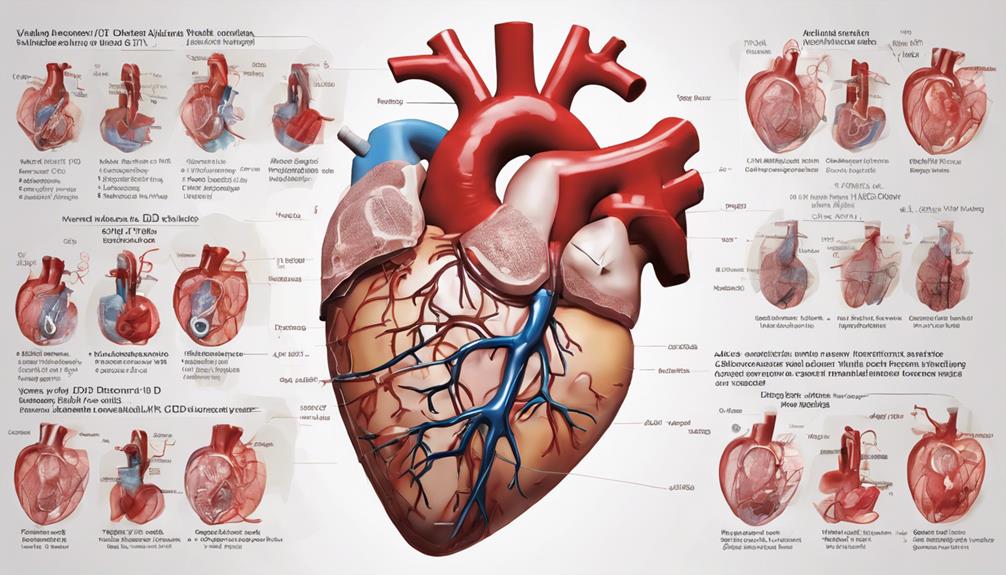

To improve your sleep if you have heart failure, try elevating your upper body with pillows or an adjustable bed to prevent fluid buildup and reduce lung pressure. Sleeping on your left side helps with better circulation and fluid flow. Use breathing techniques like slow, deep breaths to relax and enhance oxygen exchange. Creating a quiet, dark environment also supports better breathing. Keep exploring for more tips to make your nights more comfortable and restful.

Turn quiet afternoons into listening time
- Thousands of audiobooks, podcasts and originals
- Listen on your phone, tablet or Echo — also offline
- Cancel anytime
Key Takeaways
- Elevate the upper body with pillows or an adjustable bed to reduce lung fluid buildup and ease breathing.
- Sleep on the left side to improve circulation and decrease fluid accumulation in the lungs.
- Avoid lying flat on the back to prevent increased pressure on the lungs and heart.
- Use supportive pillows to maintain proper spinal alignment and reduce neck and chest strain.
- Create a quiet, dark sleep environment to enhance respiratory comfort and overall rest quality.

If you have heart failure, finding the right sleep position can make a significant difference in your comfort and breathing. Your goal is to reduce strain on your heart and lungs, which can help improve both sleep quality and daytime energy. To do this, pay attention to sleep ergonomics—how your body is aligned during sleep—and incorporate effective breathing techniques. Proper positioning can ease your breathing efforts and prevent unnecessary pressure on your chest and lungs.
Start by elevating your upper body, ideally with a few pillows or an adjustable bed. Sleeping with your torso slightly elevated helps prevent fluid buildup in your lungs and eases breathing. When your chest is higher than your abdomen, it minimizes the work your heart has to do to circulate blood, making each breath less strenuous. This position also encourages better sleep ergonomics by keeping your spine aligned, reducing discomfort and promoting more restful sleep. Make sure your pillows support your head and shoulders properly, avoiding any strain on your neck that could interfere with your breathing.
Elevate your upper body with pillows to improve breathing and spine alignment during sleep.
In addition to sleeping elevated, adopting specific breathing techniques can further improve your comfort. Focus on slow, deep breaths—inhale through your nose, filling your lungs gradually, then exhale slowly through your mouth. This controlled breathing helps regulate your heart rate and reduces feelings of breathlessness. Practicing diaphragmatic breathing, where you breathe deeply into your belly rather than shallowly into your chest, can be particularly beneficial. It promotes better oxygen exchange and reduces the effort needed to breathe, which is especially important for heart failure patients. Additionally, understanding respiratory mechanics can help you optimize your breathing patterns for improved comfort. Incorporating proper breathing techniques can further enhance your overall sleep quality and respiratory efficiency. Being aware of your lung capacity can also help you tailor your breathing exercises for maximum benefit.
A helpful tip is to ensure your sleep environment is quiet and dark, which can support better breathing and sleep quality overall, especially for those with respiratory challenges.
Another helpful tip is to avoid lying flat on your back, which can increase pressure on your lungs and make breathing more difficult. Instead, try sleeping on your left side, which can improve circulation and reduce fluid accumulation in your lungs. If you find it uncomfortable to stay on your side, placing a pillow between your knees can help maintain proper spinal alignment and prevent rolling onto your back during sleep. Understanding sleep ergonomics can further support your efforts in choosing the best position for your condition.
adjustable bed for heart failure
As an affiliate, we earn on qualifying purchases.
As an affiliate, we earn on qualifying purchases.
Frequently Asked Questions
Can Sleep Position Improve Heart Failure Symptoms Overnight?
Yes, your sleep position can improve heart failure symptoms overnight. By adjusting your sleep posture, you may enhance sleep quality and achieve quicker symptom relief. Sleeping with your head elevated helps reduce fluid buildup and eases breathing, leading to more restful sleep. Consistently finding a comfortable, elevated position can lessen nighttime symptoms, allowing your body to recover better and improving overall heart health.
Are There Specific Pillows Recommended for Heart Failure Patients?
Are you wondering if specific pillows can help manage heart failure symptoms? Yes, choosing pillows with adjustable firmness and soft, breathable materials can make a difference. You might prefer memory foam for support or a feather pillow for softness, depending on your comfort. Do you pay attention to how your pillow’s firmness and material preferences affect your sleep quality? Selecting the right pillow can support better breathing and reduce strain overnight.
How Often Should Heart Failure Patients Change Sleep Positions?
You should change your sleep positions at least once every couple of hours to maintain ideal sleep comfort and prevent pressure buildup. Regular position adjustments help reduce fluid accumulation and improve circulation, which are essential for heart failure management. Pay attention to how you feel—if your comfort or breathing worsens, consider more frequent position changes. Listening to your body ensures you stay comfortable and support your heart health throughout the night.
Does Sleep Position Affect Medication Effectiveness?
Your sleep position can influence medication absorption because certain sleep postures may affect how your body processes drugs. For example, lying flat might slow digestion and alter how medications are absorbed, especially if they’re taken with food. Sleep posture impact is significant; maintaining an elevated head position can improve circulation and potentially enhance medication effectiveness. Always discuss your sleep habits with your healthcare provider to optimize treatment outcomes.
Are There Risks Associated With Sleeping Upright for Heart Failure?
Sleeping upright can help reduce your breathing challenges and ease heart failure symptoms, but it might pose some risks if not done correctly. Poor sleep posture can cause discomfort or strain, potentially worsening symptoms. To minimize risks, make certain your head and torso are well-supported and avoid prolonged periods in one position. Consult your doctor to determine the safest sleep posture tailored to your condition, and monitor for any discomfort or breathing issues.
Conclusion
Imagine your sleep as a delicate dance, each move essential for your health. By choosing the right position, you’re not just resting—you’re giving your heart the support it needs. Just like a bridge must be carefully balanced to hold weight, your sleep posture can ease your heart’s workload. Embrace these tips, and you’ll find your nights become a sanctuary for healing, helping you wake up stronger, ready to face each day with renewed hope.
Evergreen bestsellers Picks
bestsellers
As an affiliate, we earn on qualifying purchases.