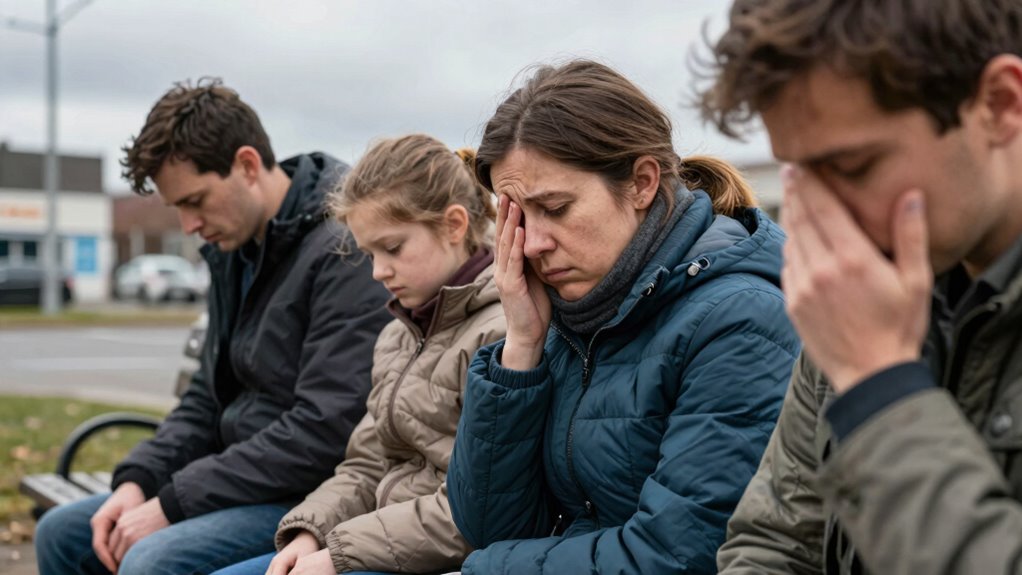

In heart disease, families often notice fatigue that starts early, even after minimal activity or good sleep. You may feel unusually tired when climbing stairs or carrying groceries, which can disrupt daily routines. This fatigue signals your heart isn’t pumping efficiently, often before more serious symptoms appear. Recognizing these early signs helps catch heart issues early. If you’re interested, you’ll discover how understanding fatigue patterns can guide you toward better management and timely support.

Turn quiet afternoons into listening time
- Thousands of audiobooks, podcasts and originals
- Listen on your phone, tablet or Echo — also offline
- Cancel anytime
Key Takeaways
- Early fatigue occurs after minimal activity or good sleep, signaling inefficient heart function.
- Fatigue during moderate exertion, like climbing stairs, indicates compromised heart pumping.
- Patterns include rapid exhaustion, persistent tiredness, and difficulty recovering after activity.
- Emotional stress and frustration often accompany fatigue, worsening overall symptoms.
- Recognizing these patterns helps in early detection and timely medical intervention.

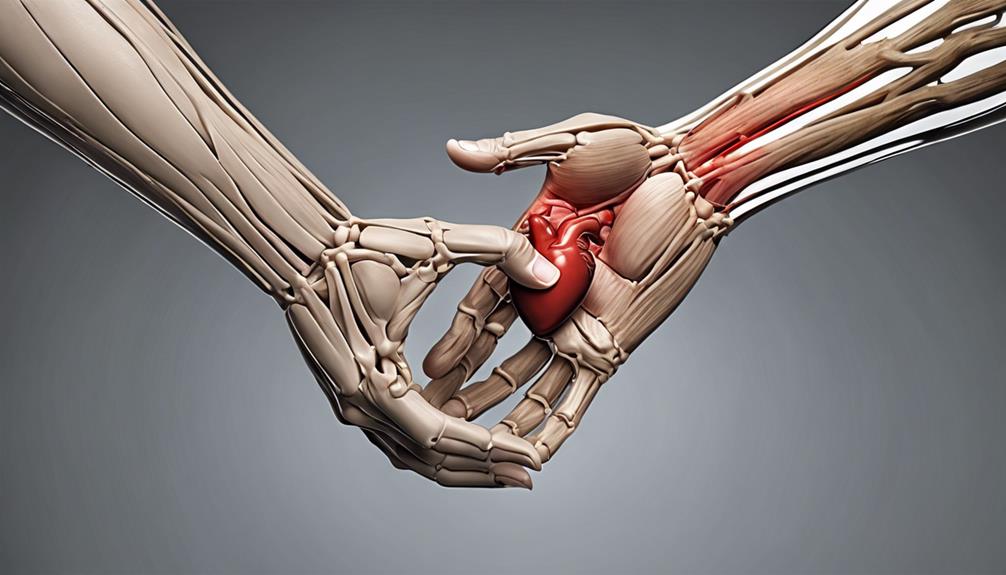
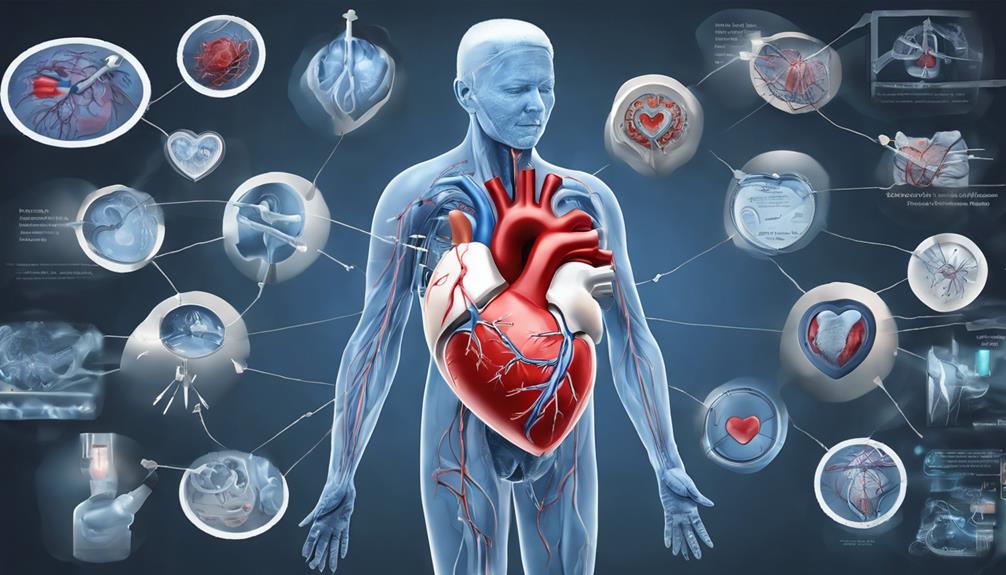
Fatigue is a common and often early symptom of heart disease, signaling that your heart isn’t pumping blood as efficiently as it should. When you start feeling unusually tired, even after a good night’s sleep or minimal activity, it’s a sign your heart may be struggling to meet your body’s needs. This fatigue isn’t just about feeling a little worn out; it can interfere with your daily routines and diminish your quality of life. You might notice that simple tasks, like climbing stairs or carrying groceries, drain your energy faster than they used to. Recognizing these early signs is essential because they often appear before more severe symptoms develop.
Early fatigue signals your heart may be struggling—pay attention to these warning signs before symptoms worsen.
The exercise impact is significant in understanding how fatigue manifests in heart disease. When your heart’s ability to pump blood is compromised, your muscles and tissues receive less oxygen and nutrients during activity. As a result, you experience a quick onset of exhaustion, even during moderate exertion. You might find yourself needing more rest periods or avoiding physical activity altogether, which can lead to a cycle of deconditioning. This decline in activity worsens your overall health, making your heart weaker and increasing fatigue. It’s important to listen to your body and understand that pushing through fatigue without medical guidance can be harmful. Instead, gentle, doctor-approved exercise can help improve your heart’s efficiency and gradually rebuild your stamina.
Emotional effects also play an essential role in the fatigue pattern associated with heart disease. Feeling fatigued repeatedly can lead to frustration, anxiety, or even depression. When you’re constantly tired, it’s easy to become discouraged about your ability to maintain normal routines or enjoy hobbies. This emotional toll can further drain your energy, creating a vicious cycle where mental health and physical health intertwine. You might start to withdraw from social interactions, feeling overwhelmed by the effort it takes to keep up. Recognizing these emotional effects is important because they can worsen your fatigue and overall well-being. Addressing both physical and emotional components with support from healthcare professionals can help you manage your symptoms more effectively. Additionally, understanding fatigue patterns can help you differentiate between normal tiredness and symptoms that require medical attention. Being aware of heart failure symptoms and how they relate to fatigue can empower you to seek timely care. Recognizing that early detection plays a crucial role in managing heart disease can motivate you to stay vigilant about your health.
Furthermore, understanding the impact of emotional stress on fatigue can guide you toward comprehensive treatment approaches that include mental health support. Managing emotional stress effectively can reduce its adverse effects on fatigue, helping you feel more energized and balanced. Understanding the fatigue pattern in heart disease involves paying attention to how your body responds to activity and emotional stress. It’s not just a matter of feeling tired; it’s a signal that your heart’s function needs assessment. Managing exercise impact thoughtfully and seeking emotional support when needed can make a real difference in your recovery and quality of life. Don’t ignore persistent fatigue—talk to your doctor, because early intervention can prevent further complications and help you regain your strength.
As an affiliate, we earn on qualifying purchases.
Frequently Asked Questions
Can Fatigue in Heart Disease Be Reversed With Treatment?
Yes, fatigue from heart disease can often be reversed with proper treatment. You should focus on diet modifications and tailored exercise routines to boost your energy levels. Your doctor may suggest medications or lifestyle changes that improve heart function. Consistently following these strategies can help reduce fatigue, enhance your overall health, and restore your activity levels. Staying committed to your treatment plan is key to reversing fatigue caused by heart disease.
How Does Fatigue Differ Between Various Types of Heart Disease?
In heart failure, you often feel persistent, overwhelming fatigue that worsens with activity and improves with rest. With coronary angina, fatigue may come on during or after chest pain episodes, signaling reduced blood flow to the heart. These differences stem from the distinct mechanisms of each condition. Heart failure causes widespread energy depletion, while angina-related fatigue is more episodic, linked to ischemia during activity or stress.
Are There Specific Lifestyle Changes to Reduce Fatigue?
Ever wondered how to fight fatigue effectively? You can make simple lifestyle changes like adopting diet modifications, choosing heart-healthy foods, and reducing processed sugars. Prioritize stress reduction through relaxation techniques, meditation, or gentle exercise like walking. These steps boost your energy levels and support heart health. Are you ready to take control? Small daily habits can make a big difference in decreasing fatigue and improving your overall well-being.
What Other Symptoms Often Accompany Fatigue in Heart Disease?
You might also notice symptoms like shortness of breath, chest pain, or irregular heartbeat alongside fatigue. Exercise stress can worsen your tiredness, making it harder to stay active. Sleep disturbances are common, leading to poor rest and increased fatigue. These signs indicate your heart may be struggling, so it’s important to consult your doctor promptly to manage your symptoms effectively and prevent further complications.
How Quickly Does Fatigue Typically Improve With Management?
With proper management, your energy levels and exercise tolerance usually improve within a few weeks to a few months. You might notice increased stamina and less fatigue as your heart function stabilizes. Consistent treatment, lifestyle changes, and medication can speed up this process. However, everyone’s different, so staying patient and maintaining communication with your healthcare provider helps ensure steady progress and ideal recovery.
Conclusion
So, next time you feel that inexplicable wave of tiredness, don’t dismiss it as just another bad night’s sleep. Remember, your body might be subtly hinting at heart trouble, disguised as everyday fatigue. Ignoring these signals is like ignoring a flashing neon sign in the middle of a blackout—boldly unwise. Pay attention, listen closely, and don’t let exhaustion become the last thing you overlook. After all, even your heart deserves a break from your neglect.
Halloween Picks
halloween
As an affiliate, we earn on qualifying purchases.