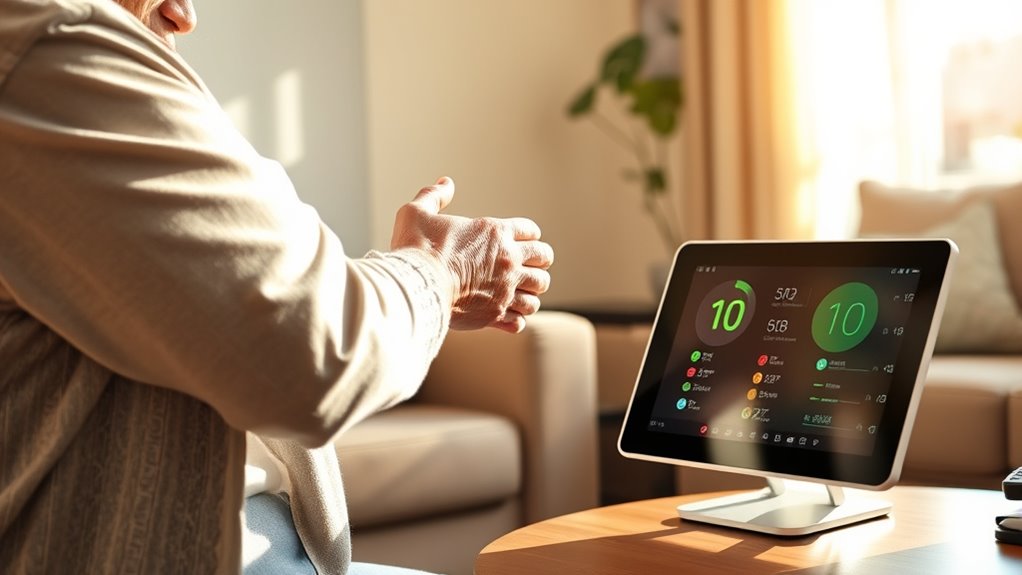
Monitoring blood pressure at home helps you track your loved one’s heart health accurately and catch issues early. Use a reliable monitor and follow instructions carefully, ensuring your loved one is seated comfortably and avoids caffeine or exercise beforehand. Keep a consistent schedule and record readings diligently. Maintaining a healthy diet can improve results, and combining these steps with proper device use supports better care. If you keep going, you’ll discover practical tips to make this process easier.
Key Takeaways
- Use a validated blood pressure monitor and follow the manufacturer’s instructions for accuracy.
- Measure blood pressure at the same times daily, seated quietly with proper arm positioning.
- Record readings consistently to track trends and share with healthcare providers for informed decisions.
- Encourage a heart-healthy diet rich in fruits, vegetables, and low sodium to support blood pressure control.
- Empower caregivers to combine monitoring data with lifestyle adjustments for effective hypertension management.

Monitoring your blood pressure at home can provide valuable insights into your heart health and help your healthcare provider make informed decisions. When you track your blood pressure regularly, you gain a clearer picture of how your lifestyle, medication, and diet management influence your health. This practice becomes especially important if you’re managing hypertension or other cardiovascular conditions, as it allows for timely adjustments and personalized care.
Regular home blood pressure monitoring guides personalized care and supports heart health management.
As a caregiver, you play a essential role in ensuring accurate readings. Make sure you use a reliable, validated blood pressure monitor, and follow the manufacturer’s instructions carefully. Before taking a measurement, sit quietly for five minutes, relax, and avoid caffeine, exercise, or smoking for at least 30 minutes beforehand. Proper positioning is critical: keep your back straight, feet flat on the floor, and your arm supported at heart level. Consistency is key, so try to measure your blood pressure at the same times each day—preferably in the morning and evening—to track trends over time.
Recording your blood pressure readings diligently helps both you and your healthcare provider assess whether medication adjustments are necessary. If your readings are consistently high or low, it’s imperative to communicate these changes during medical visits. This data can lead to medication adjustments that better control your blood pressure, reducing the risk of complications like stroke or heart attack. On the other hand, if your readings are stable and within your target range, your provider may confirm that your current medication plan remains effective.
Diet management also plays a markedly important role in blood pressure control. As a caregiver, encourage the person you’re caring for to follow a heart-healthy diet rich in fruits, vegetables, whole grains, lean proteins, and low-fat dairy. Reducing intake of sodium, processed foods, and added sugars can greatly lower blood pressure. Keep track of dietary habits alongside blood pressure readings to identify patterns, and discuss these with your healthcare provider. Sometimes, dietary changes alone can reduce the need for medication adjustments, or they can complement medication therapy for better results.
Monitoring at home empowers you to actively participate in managing health. By combining consistent blood pressure measurements with mindful diet management and open communication with healthcare professionals, you help make certain that medication adjustments are timely and appropriate. This proactive approach can improve overall heart health, enhance treatment efficacy, and give peace of mind for both you and the person you’re caring for. Additionally, understanding the importance of home monitoring devices can ensure you select the most accurate and effective equipment for tracking blood pressure.
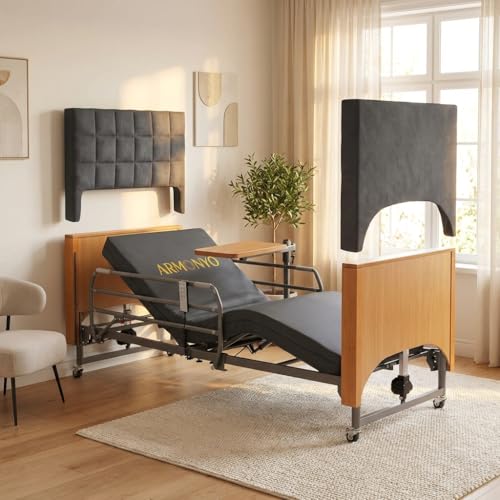
ARMONYO Electric Hospital Bed for Home Use - German LIMOSS Motor, Ultra-Low 8.5" Height, 5 Functions, Solid Wood & Upholstered Design with Table & Foldable Rails
DOUBLE SOLID WOOD PANELS WITH REMOVABLE UPHOLSTERED COVERS: Designed for home settings, this medical hospital bed features solid...
As an affiliate, we earn on qualifying purchases.
Frequently Asked Questions
How Often Should I Calibrate the Blood Pressure Monitor?
You should calibrate your blood pressure monitor at least once a year to guarantee accurate readings. Regular device maintenance, including calibration, helps maintain its reliability. If your device shows inconsistent results or has been dropped or damaged, you might need to calibrate it more frequently. Follow the manufacturer’s calibration schedule and guidelines, and consider having it checked by a professional periodically to keep it functioning properly.
What Should I Do if Readings Are Consistently High or Low?
If your readings are consistently high or low, you should contact your healthcare provider promptly for guidance on hypertension management. Make sure you’re following your medication adherence plan, as missed doses can affect accuracy. Keep a detailed log of your readings and any symptoms to share during your appointment. Adjusting your lifestyle, medication, or both might be necessary to maintain healthy blood pressure levels and prevent complications.
Can Stress Affect Blood Pressure Readings at Home?
Yes, stress can impact your blood pressure readings at home. When you’re anxious or under stress, your body releases hormones that cause your blood pressure to rise temporarily. This anxiety effects can lead to higher readings, so it’s important to stay calm and relaxed during measurements. To get accurate results, take deep breaths, sit quietly, and avoid stressful thoughts before checking your blood pressure.
Are There Specific Foods or Drinks to Avoid Before Measuring?
Yes, you should avoid certain foods and drinks before measuring blood pressure. For accurate readings, focus on diet considerations like limiting salty foods, caffeine, alcohol, and nicotine, as they can raise your blood pressure temporarily. Beverage restrictions are essential; avoid coffee, tea, or energy drinks an hour before measurement. Stick to water and rest for a few minutes beforehand to guarantee your reading reflects your true blood pressure.
How Can I Help an Elderly Person Use the Device Correctly?
You can help an elderly person use the device correctly by guiding them on proper device placement and cuff fitting. Make certain the cuff is snug but not too tight, with the cuff’s arrow aligned over the brachial artery. Support their arm at heart level and encourage steady, relaxed breathing. Remind them to stay still during measurement to get accurate readings. Your patience and clear instructions make a big difference.

Med Mart Fully Electric Hospital Bed Set - Foam Mattress, Half Rails Included - Enhanced Comfort, Convenience
✅ Please note: Your order arrives in 3 boxes, which may arrive on different days.
As an affiliate, we earn on qualifying purchases.
Conclusion
Just like a captain keeps watch over their ship, staying attentive to blood pressure readings helps you steer health in the right direction. Regular monitoring empowers you to catch storms before they strike and navigate calm waters more confidently. Remember, your vigilance is the lighthouse guiding loved ones safely through uncertain seas. Keep your eye on those numbers, stay consistent, and trust that your care makes all the difference in their journey toward better health.
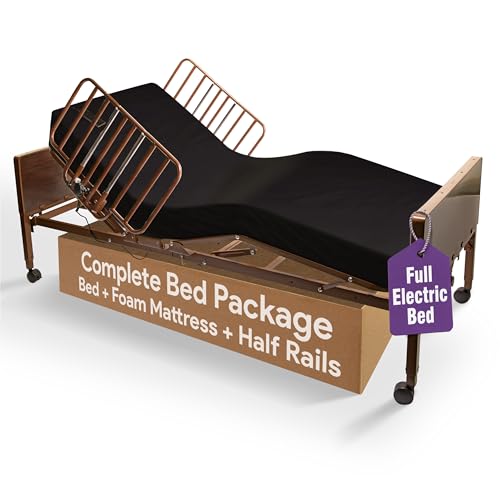
Electric Hospital Bed for Home Use - Includes Foam Mattress, Half Rails - Adjustabe Medical Bed Set
Safer transfers at home: This full electric hospital bed adjusts from 15–23" for easier standing, dressing, and caregiving,...
As an affiliate, we earn on qualifying purchases.

Careboda Premium 5 Function Full Electric Hospital Bed, Hospital Bed with PU Advanced Mattress, Quiet Wheels & IV Pole, ICU Electric Medical Bed with Core Motor, 85" x 41", 530lbs, Hospital & Home Use
Multi-function Adjustment: Our electric hospital bed, featuring five function adjustments: Back, Leg, Back & Leg Linkage, Trendelenburg, and...
As an affiliate, we earn on qualifying purchases.