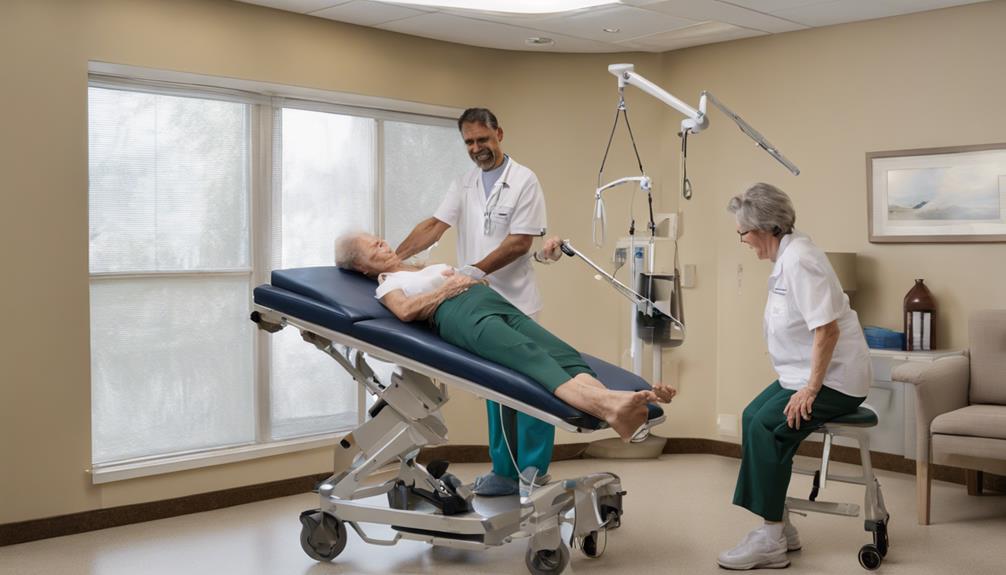
Planning long-term care after a severe stroke involves coordinating rehabilitation, making home modifications, and building a support network. Focus on tailoring therapies, supporting caregiver needs, and creating a safe environment to boost recovery and independence. Stay aware of community resources, financial options, and regular care plan reviews. By actively managing these aspects, you can help guarantee a better quality of life and adapt effectively to ongoing changes. Keep exploring to discover more ways to build a strong care strategy.
Key Takeaways
- Develop a comprehensive, adaptable long-term care plan that integrates rehabilitation, caregiver support, and home modifications.
- Regularly review and update the care plan to reflect the stroke survivor’s changing needs and progress.
- Coordinate with healthcare professionals to ensure access to appropriate therapies and community resources.
- Establish a strong caregiver support system to assist with daily tasks, emotional needs, and ongoing care.
- Prepare financially for long-term care costs, including insurance, government assistance, and community services.

Experiencing a severe stroke can dramatically change your life, and planning for long-term care is crucial to guarantee you receive the support you need. After a stroke, you may face challenges with mobility, speech, or daily activities, making it essential to develop effective rehabilitation strategies. These strategies are tailored to help you regain as much independence as possible and adapt to new limitations. Working closely with healthcare professionals, you’ll likely engage in physical, occupational, and speech therapies, which are key components of your recovery plan. It’s important to stay proactive and committed to these therapies, as they can markedly influence your progress over time.
Alongside rehabilitation strategies, caregiver support plays a critical role in your long-term care planning. Having a dedicated caregiver—whether a family member, friend, or professional—can provide the assistance you need with daily tasks, medication management, and emotional encouragement. Open communication with your caregiver is essential to ensure they understand your needs and preferences. As your condition evolves, your caregiver support network may need to expand or adjust, so stay flexible and keep the lines of communication open. This support system not only helps you physically but also provides emotional stability, reducing feelings of isolation and frustration.
Caregiver support is vital for emotional stability and effective long-term stroke recovery.
When planning long-term care, consider the environment in which you’ll recover and live. Modifying your home for safety—such as installing grab bars, ramps, or stairlifts—can make a considerable difference. Additionally, exploring community resources like support groups, home health services, and respite care options can supplement your caregiver support and enhance your quality of life. Financial planning is equally important; understanding insurance coverage, government assistance programs, and potential costs ensures you’re prepared for ongoing needs. Staying informed about regulatory compliance related to long-term care options can help you navigate available services more effectively.
Having a detailed plan that integrates rehabilitation strategies and caregiver support sets a foundation for your recovery journey. It’s natural to feel overwhelmed, but taking small, deliberate steps toward organizing your care can make a notable difference. Regularly reviewing and updating your plan as your condition changes will keep you on track. Remember, long-term care isn’t just about managing physical needs—it’s about fostering a supportive environment that promotes your well-being, dignity, and hope for the future. By prioritizing these areas now, you’re setting yourself up for a more manageable and supported recovery process.
Frequently Asked Questions
How Can I Afford Long-Term Care for a Severe Stroke Survivor?
You can afford long-term care for a severe stroke survivor by exploring insurance options like Medicaid, Medicare, and long-term care insurance. Additionally, you should focus on financial planning early, setting aside savings or exploring government assistance programs. Working with a financial advisor can help you develop a strategy to cover costs effectively. Combining insurance coverage with careful planning guarantees you’re better prepared to manage expenses over time.
What Legal Documents Are Necessary for Long-Term Stroke Care Planning?
Your legal toolkit for long-term stroke care should include essential documents like advance directives and a power of attorney, which are the backbone of your care plan. Advance directives allow you to specify your wishes, while a power of attorney designates someone to make decisions if you’re unable. Without these, you risk chaos—so get them in place now to guarantee your needs are met exactly as you want.
How Do I Choose the Right Long-Term Care Facility?
When choosing a facility, prioritize staff qualifications and experience in stroke care. Visit multiple options and ask about staff-to-resident ratios, training, and certifications. Observe the environment, cleanliness, and how staff interact with residents. Trust your instincts and gather feedback from residents’ families. A good facility offers personalized care, compassionate staff, and a safe, supportive environment tailored to your loved one’s needs.
What Are the Emotional Impacts on Family Caregivers?
You experience emotional resilience, family dynamics, and shifting relationships when caring for a loved one after a severe stroke. These emotional impacts can bring feelings of frustration, worry, and exhaustion, but also moments of connection and hope. As you navigate these challenges, you strengthen your resilience and adapt your family dynamics, learning to balance caregiving responsibilities with self-care. Remember, your emotional strength influences both your well-being and your loved one’s recovery journey.
How Can I Access Community Support Services for Stroke Survivors?
You can access community support services for stroke survivors by contacting local community programs and support groups. These organizations offer valuable resources, such as rehabilitation, counseling, and peer support, tailored to stroke survivors’ needs. Reach out to your local health department, hospitals, or stroke associations for information. Joining support groups can also connect you with others facing similar challenges, providing emotional support and practical advice for long-term recovery.
Conclusion
Planning for long-term care after a severe stroke is vital to guarantee the best quality of life. For example, consider Jane, who arranged her home modifications and caregiver support early on. This proactive approach helped her regain independence and avoid unnecessary hospital visits. Don’t delay planning—early preparation can make a significant difference. By setting up resources now, you’ll be better equipped to handle future challenges and enjoy a more comfortable, secure life.