Recovering from a stroke often hinges on proper nutrition, and choosing the right foods can make a significant difference. Among the top picks are the Stroke Recovery Diet Cookbook for Beginners, which offers a scientifically-backed, easy-to-follow food plan ideal for those starting their recovery journey. Meanwhile, the Mediterranean Low Glycemic Stroke Recovery Cookbook stands out for its focus on brain-boosting, low-sugar recipes supported by scientific guidance. Both options balance tasty meals with health benefits but differ in complexity and focus—beginners may prefer the straightforward recipes, while those seeking a more targeted, low-glycemic approach might lean toward the Mediterranean plan. The main tradeoff involves detail and customization: beginner books tend to be simpler but less comprehensive, while specialized cookbooks offer more tailored strategies but may require more effort to implement.

Turn quiet afternoons into listening time
- Thousands of audiobooks, podcasts and originals
- Listen on your phone, tablet or Echo — also offline
- Cancel anytime
Complete the kit


Key Takeaways
- Choosing a cookbook depends on whether you prioritize simplicity or specialized dietary focus.
- Soft-food meal plans are essential for those with swallowing difficulties, as seen in the Complete Stroke Diet Cookbook.
- Holistic approaches, like the Prevention Guide, combine diet with lifestyle for broader health benefits.
- Science-backed recipes, such as those in the Mediterranean cookbook, support brain health effectively.
- All options have tradeoffs between detail, ease of use, and dietary specificity, so consider your recovery stage and needs.
| Stroke Recovery Diet Cookbook for Beginners: A Food-Based Path to Regaining Strength, Mobility, and Mental Clarity |  | Best Overall for Beginners | Target Audience: Beginners and those new to stroke recovery | Focus: Food-based, easy recipes | Nutritional Detail: Basic guidance, limited specifics | VIEW ON AMAZON | See Our Full Breakdown |
| Stroke Recovery Cookbook for Seniors: Healthy and Healing, Nutritious and Delicious Recipes for Older People |  | Best for Seniors with Specific Dietary Needs | Target Audience: Older adults and seniors | Focus: Age-appropriate, nutritious recipes | Nutritional Info: Limited | VIEW ON AMAZON | See Our Full Breakdown |
| The Complete Stroke Diet Cookbook for Beginners: Boost Brain Recovery & Prevent Recurrence with Soft Foods |  | Best for Soft Food Diets and Brain Recovery | Target Audience: People with swallowing difficulties | Focus: Soft, nutrient-dense foods | Nutritional Detail: Limited | VIEW ON AMAZON | See Our Full Breakdown |
| Mediterranean Low Glycemic Stroke Recovery Cookbook | 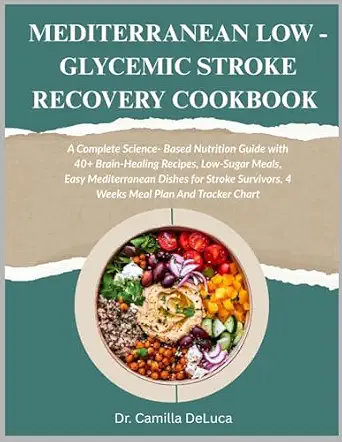 | Best for Brain-Healthy, Low-Sugar Diets | Target Audience: Brain health-focused stroke survivors | Focus: Low-glycemic, Mediterranean foods | Nutritional Guidance: Science-based | VIEW ON AMAZON | See Our Full Breakdown |
| How to Prevent Stroke Naturally: The Holistic Stroke Recovery & Prevention Diet and Lifestyle Guide |  | Best for Holistic, Lifestyle-Based Recovery | Target Audience: Holistic health seekers | Focus: Diet, lifestyle, natural remedies | Content Type: Informational, holistic | VIEW ON AMAZON | See Our Full Breakdown |
| foods for stroke recovery | Target Audience | Focus | Approach |
|---|---|---|---|
| Stroke Recovery Diet Cookbook | Beginners and those new to stroke recovery | Food-based, easy recipes | Science-backed, beginner-friendly |
| Stroke Recovery Cookbook for S | Older adults and seniors | Age-appropriate, nutritious recipes | — |
| The Complete Stroke Diet Cookb | People with swallowing difficulties | Soft, nutrient-dense foods | Support brain and physical recovery |
| Mediterranean Low Glycemic Str | Brain health-focused stroke survivors | Low-glycemic, Mediterranean foods | Brain recovery and blood sugar control |
| How to Prevent Stroke Naturall | Holistic health seekers | Diet, lifestyle, natural remedies | Prevention and recovery |
More Details on Our Top Picks
Stroke Recovery Diet Cookbook for Beginners: A Food-Based Path to Regaining Strength, Mobility, and Mental Clarity
This cookbook is ideal for those just starting their stroke recovery journey, offering scientifically backed dietary guidance with easy-to-make recipes. It emphasizes improving strength, mobility, and mental clarity through nutritious foods, making it accessible for beginners. Compared with more specialized options, this book is less detailed on specific nutritional metrics but excels in providing practical, straightforward recipes. It’s perfect for individuals who want a solid foundation in stroke-friendly eating without the complexity of tailored meal plans.
Pros:- Scientifically backed dietary guidance
- Easy-to-follow recipes suitable for beginners
- Focuses on improving core recovery aspects
Cons:- Lacks detailed nutritional information
- No specific meal plans or comprehensive recipes in the description
Best for: Beginners seeking a simple, food-based approach to recovery
Not ideal for: Those looking for detailed nutritional data or specific meal plans
- Target Audience:Beginners and those new to stroke recovery
- Focus:Food-based, easy recipes
- Nutritional Detail:Basic guidance, limited specifics
- Recipe Type:General nutritious meals
- Approach:Science-backed, beginner-friendly
- Meal Planning:No detailed plans
Our verdict“An excellent starter guide for those new to stroke recovery diets, balancing simplicity with effective nutritional principles.”
Stroke Recovery Cookbook for Seniors: Healthy and Healing, Nutritious and Delicious Recipes for Older People
This cookbook caters specifically to older adults, offering recipes that support recovery while addressing common dietary restrictions in seniors. It emphasizes nutritious, easy-to-make meals tailored to the needs of aging bodies. Compared with more general cookbooks, it focuses on gentle, health-boosting foods suitable for seniors, though it lacks detailed nutritional info or sample recipes in the available description. It’s best for those who want tailored, age-appropriate meals but may require additional resources for detailed dietary planning.
Pros:- Tailored recipes for seniors
- Focus on healthy, nutritious meals
- Supports recovery and aging health
Cons:- Lacks detailed nutritional info
- No sample recipes or extensive content available
- Limited info on recipe difficulty
Best for: Older adults focused on recovery with dietary restrictions
Not ideal for: Younger stroke survivors or those seeking detailed nutritional data
- Target Audience:Older adults and seniors
- Focus:Age-appropriate, nutritious recipes
- Nutritional Info:Limited
- Recipe Detail:Minimal available
- Ease of Use:Suitable for seniors
- Special Features:No detailed plans
Our verdict“A suitable choice for senior stroke survivors who need age-appropriate, nutritious meals, though it may lack comprehensive recipe details.”
The Complete Stroke Diet Cookbook for Beginners: Boost Brain Recovery & Prevent Recurrence with Soft Foods
This resource centers on nutrient-rich, soft food recipes designed to support brain recovery and reduce the risk of recurrence. It’s especially helpful for those with swallowing difficulties or in early recovery stages, emphasizing easier digestion. Compared with general cookbooks, it is more specialized, focusing on soft foods, which can limit variety but significantly aid those with dietary restrictions related to swallowing. It’s most suitable for beginners needing gentle, brain-boosting diets, though it offers limited detailed nutritional info and may not meet advanced dietary needs.
Pros:- Focus on nutrient-rich, soft foods
- Supports brain recovery
- Helps regain vitality and independence
Cons:- Limited information on specific recipes
- Nutritional details are sparse
- May not suit advanced dietary requirements
Best for: Individuals needing soft foods for swallowing or digestion issues
Not ideal for: Those seeking diverse or advanced nutritional plans
- Target Audience:People with swallowing difficulties
- Focus:Soft, nutrient-dense foods
- Nutritional Detail:Limited
- Recipe Type:Soft foods
- Approach:Support brain and physical recovery
- Meal Planning:Basic
Our verdict“A targeted cookbook for soft-food diets that aids brain recovery but might lack variety for long-term use.”
Mediterranean Low Glycemic Stroke Recovery Cookbook
This cookbook emphasizes science-based nutrition with over 40 recipes aimed at supporting brain health, featuring low-glycemic ingredients to prevent blood sugar spikes. It’s particularly suited for stroke survivors looking to improve cognitive recovery through diet, supplemented with meal plans and a tracker chart. Compared with other options, it offers structured guidance and a focus on brain-healing foods, but lacks detailed recipe information and specific dietary restrictions. This makes it ideal for those who prefer a holistic, low-sugar, Mediterranean approach, although it may require additional resources for comprehensive meal prep.
Pros:- Science-based, brain-healthy recipes
- Includes meal plans and tracking tools
- Over 40 recipes supporting recovery
Cons:- No specific dietary restrictions addressed
- Limited recipe detail available
- No reviews or ratings yet
Best for: Those interested in low-sugar, brain-boosting recipes
Not ideal for: People needing detailed nutritional breakdowns or specific dietary restrictions
- Target Audience:Brain health-focused stroke survivors
- Focus:Low-glycemic, Mediterranean foods
- Nutritional Guidance:Science-based
- Recipe Count:Over 40
- Additional Tools:Meal plans and tracker
- Approach:Brain recovery and blood sugar control
Our verdict“A solid choice for stroke survivors seeking a structured, low-glycemic Mediterranean diet focused on brain health, with room for more detailed guidance.”
How to Prevent Stroke Naturally: The Holistic Stroke Recovery & Prevention Diet and Lifestyle Guide
This guide takes a broad approach, combining diet, lifestyle, and natural remedies to prevent future strokes. It integrates DASH, Ayurvedic, and Indian dietary principles, making it suitable for those interested in a comprehensive, natural strategy. Compared with cookbooks focused solely on food, this resource offers lifestyle tips and holistic practices, which can be highly beneficial but lack specific recipes or detailed nutritional info. It’s best for individuals seeking a broader health approach, especially those open to traditional and natural therapies, though it doesn’t provide concrete meal plans or recipes.
Pros:- Comprehensive, holistic approach
- Includes lifestyle and natural remedy tips
- Combines traditional practices with modern diet advice
Cons:- No specific product details or recipes
- Focuses more on information than practical meal planning
Best for: People interested in holistic, natural stroke prevention and recovery
Not ideal for: Those needing specific recipes or nutritional breakdowns
- Target Audience:Holistic health seekers
- Focus:Diet, lifestyle, natural remedies
- Content Type:Informational, holistic
- Practical Guides:Limited
- Approach:Prevention and recovery
- Diet Principles:DASH, Ayurvedic, Indian
Our verdict“A valuable resource for holistic-minded individuals aiming to incorporate natural and lifestyle strategies into stroke recovery, though lacking in specific recipes.”
How We Picked
Our selection process focused on cookbooks and guides specifically tailored to stroke recovery, emphasizing scientifically supported dietary strategies, ease of use, and suitability for different stages of recovery. We prioritized resources that provide clear, practical recipes or plans, as well as those backed by nutritional science. Books offering soft foods or specialized meal plans for brain health stood out, given their relevance to common post-stroke challenges. We also considered user feedback, the comprehensiveness of guidance, and whether the content balanced nutritional accuracy with accessibility for beginners and seniors alike.
| foods for stroke recovery | Target Audience | Focus | Approach |
|---|---|---|---|
| Stroke Recovery Diet Cookbook | Beginners and those new to stroke recovery | Food-based, easy recipes | Science-backed, beginner-friendly |
| Stroke Recovery Cookbook for S | Older adults and seniors | Age-appropriate, nutritious recipes | — |
| The Complete Stroke Diet Cookb | People with swallowing difficulties | Soft, nutrient-dense foods | Support brain and physical recovery |
| Mediterranean Low Glycemic Str | Brain health-focused stroke survivors | Low-glycemic, Mediterranean foods | Brain recovery and blood sugar control |
| How to Prevent Stroke Naturall | Holistic health seekers | Diet, lifestyle, natural remedies | Prevention and recovery |
Factors to Consider When Choosing Foods For Stroke Recovery
Choosing the right foods for stroke recovery depends on your current health status, recovery stage, and dietary preferences. Whether you’re seeking quick, easy recipes, specialized soft foods, or a holistic lifestyle approach, understanding your specific needs will help narrow down options. Consider your ability to prepare meals, any swallowing difficulties, and whether you prefer a structured plan or a more general guide. The following sections highlight key factors to look for in a recovery-focused food plan and how to match these with your unique situation.
Dietary Focus and Personal Needs
Identify whether you need soft foods, low-glycemic meals, or holistic lifestyle strategies. For example, if swallowing is an issue, soft food recipes like those in the Complete Stroke Diet Cookbook are ideal. For cognitive support, low-sugar, brain-friendly diets such as the Mediterranean plan may be better suited. Matching your recovery needs with the right food approach ensures you get the most benefit from your diet.
Ease of Use and Recipe Simplicity
Consider how much time and effort you can dedicate to meal preparation. Beginners and seniors often prefer straightforward recipes with minimal ingredients, like those in the Stroke Recovery Diet Cookbook for Beginners. If you’re comfortable with more complex meal plans, options like the Mediterranean cookbook provide structured guidance and tracking tools, which can enhance consistency in recovery.
Nutritional Specificity and Flexibility
Some resources offer detailed nutritional information, which can help tailor your diet precisely, while others focus on general healthy eating. If precise nutrient tracking matters, look for cookbooks that specify macro and micronutrient content. Conversely, if you prefer a flexible, holistic approach, guides like the Prevention Guide may provide valuable insights without overwhelming specifics.
Frequently Asked Questions
What are the most important foods to include in a stroke recovery diet?
Foods rich in antioxidants, healthy fats, and fiber are vital for stroke recovery. These include fruits, vegetables, nuts, seeds, lean proteins, and whole grains. Incorporating omega-3 fatty acids from fish like salmon can support brain health, while foods low in added sugars help manage blood sugar levels, crucial for preventing further strokes.
Are soft foods necessary for all stroke survivors?
Not all stroke survivors need soft foods, but they are essential for those experiencing swallowing difficulties or dysphagia. Soft foods reduce the risk of choking and make it easier to get adequate nutrition. Once swallowing improves, a transition to regular textures can be made, but soft foods remain beneficial for maintaining sufficient intake during recovery.
Can I follow a specific diet like Mediterranean or low-glycemic for stroke recovery?
Yes, targeted diets like the Mediterranean or low-glycemic plans are supported by research for their benefits in stroke recovery. They focus on reducing inflammation, stabilizing blood sugar, and supporting brain health. However, it’s important to adapt these diets to your personal health needs and consult with a healthcare professional for best results.
How do I know if a cookbook is suitable for my recovery stage?
Consider whether the recipes and guidance match your current health status. For early recovery, soft foods and gentle recipes are crucial, as in the Complete Stroke Diet Cookbook. During later stages, you might seek more diverse, balanced meals that promote overall health. Always check if the resource offers guidance tailored to your specific recovery phase.
Is it better to use a cookbook or a holistic guide for stroke recovery?
This depends on your preferences and needs. Cookbooks provide practical recipes and meal plans, making them ideal for those who want structured guidance. Holistic guides, like the Prevention Guide, offer broader lifestyle strategies that complement dietary changes, suitable for individuals interested in a comprehensive approach. Combining both can often yield the best results.
Conclusion
For those just starting out or seeking simplicity, the Stroke Recovery Diet Cookbook for Beginners offers a straightforward, science-backed way to improve recovery through food. Seniors with specific dietary needs might find the Stroke Recovery Cookbook for Seniors more appropriate, focusing on age-appropriate nutrition. If swallowing difficulties are a concern, the Complete Stroke Diet Cookbook for Beginners provides essential soft-food recipes. Meanwhile, individuals interested in brain health and blood sugar management may prefer the Mediterranean Low Glycemic Cookbook for structured, brain-friendly meals. Lastly, those interested in a holistic lifestyle approach should consider the Holistic Stroke Recovery & Prevention Guide, which integrates diet with natural remedies and lifestyle changes. Choose based on your recovery stage, dietary preferences, and whether you prioritize practical recipes or a broader health strategy.